Eight-legged creature — with red bristles — discovered in Brazil. It’s a new species

In a vast national park near the eastern coast of Brazil, the Atlantic Forest meets towering waterfalls and iconic mountains.
It is here that an eight-legged creature almost disappears in the dark underbrush.
But its bright red back end gives away its discreet location.
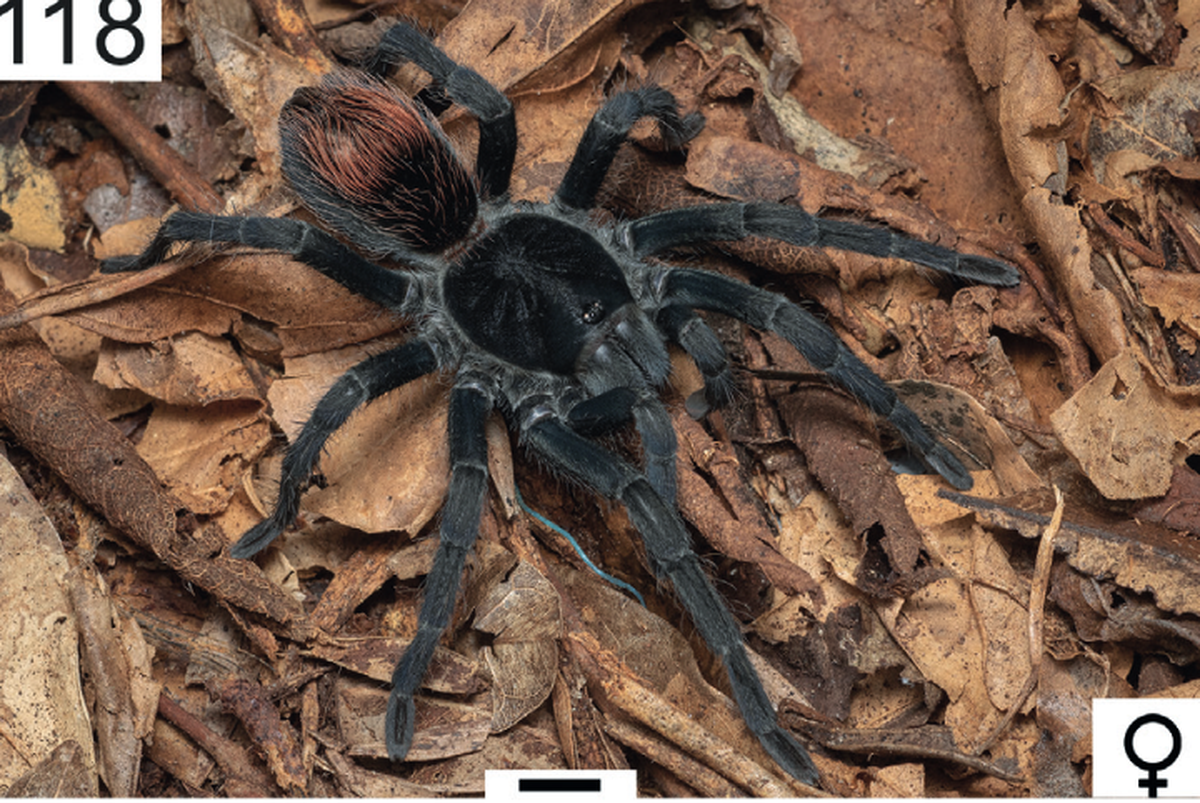
Kochiana fukushimae, or the Fukushima tarantula, is a new species recently identified in the Serra de Itabaiana National Park in Brazil, according to a study published July 31 in the European Journal of Taxonomy.
Named after researcher Caroline Sayuri Fukushima, the spider has a “dark gray” body with “long hairs,” according to the study.
“Live specimens show more intense colors,” researchers said, “especially the red abdominal bristles,” which are found on males of the species.
The tarantula’s body is just over an inch long, and the male genitalia is shorter and less curved than other related species, according to the study.
But it wasn’t the only species new to science.
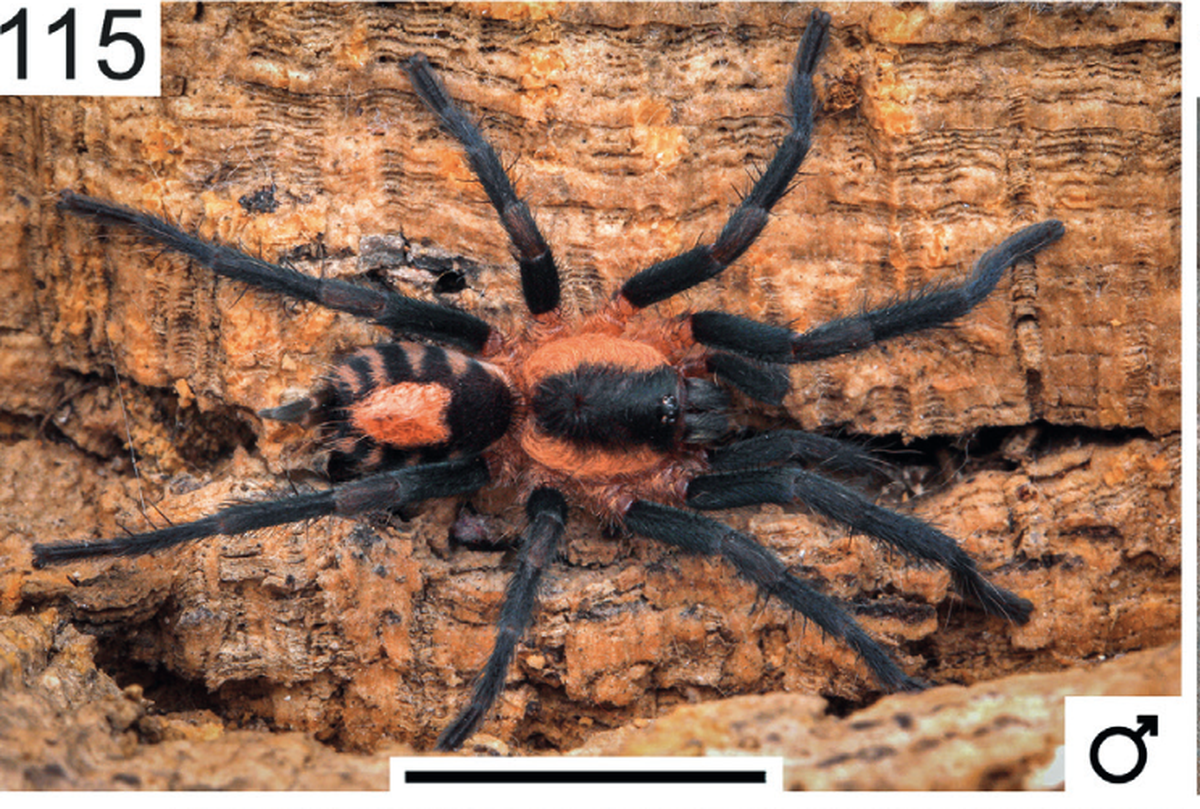
Cyriocosmus paresi, named after the Paresi indigenous people “known for their historical resistance against colonization,” was discovered on the other side of the country in the state of Mato Grosso, according to the study.
This tarantula’s body is “reddish-brown,” with a black abdomen and “four light brown stripes,” researchers said. Parts of the tarantula have “golden pubescence,” or small hairs, on the reddish-brown parts of the body.
A third species was also identified for the first time.
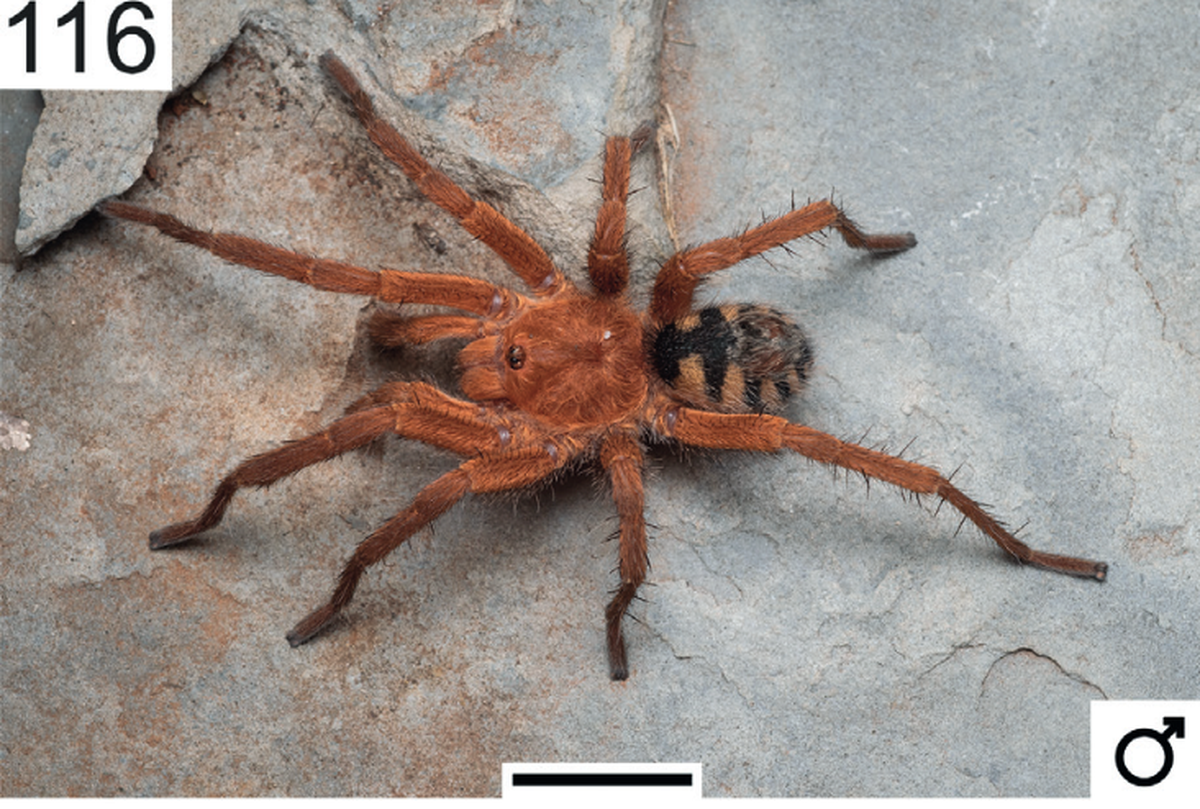
“Males of the Hapalopus guidonae sp. Nov. can be characterized by the bright orange color on carapace and legs, the abdomen with dark stripes united by a black middle stripe,” researchers said.
The species was named after French-Brazilian archaeologist Niède Guidon who worked to preserve Serra de Capivara National Park, where the species was found, according to the study.
This species is less than an inch long from its head to abdomen and brighter in color than the other species.
A fourth species, Hapalopus akroa, was discovered in Serra das Confusões National Park, according to the study, but no live photos of the animal were available. The species has a light orange body and legs, and it’s body is just under an inch long.
Tarantulas are carnivores that dig into the ground to create burrows, according to National Geographic. They are normally found in tropical, subtropical and desert environments and unlike other spiders, they do not use webs to trap prey.
Instead, the animals wait for prey to approach their burrow before reaching out and grabbing them, injecting a paralyzing venom and then secreting a digestive enzyme to liquify their victims’ bodies, National Geographic says.
The researchers and authors of the study are Wolf Moeller, Arthur Galleti-Lima and José Paulo Leite Guadanucci of Brazil.
The new species were found across Brazil, from the eastern coast to the deep central forests.