Deep-sea creature — with tiny ‘fingers’ — found at bottom of ocean. It’s a new species
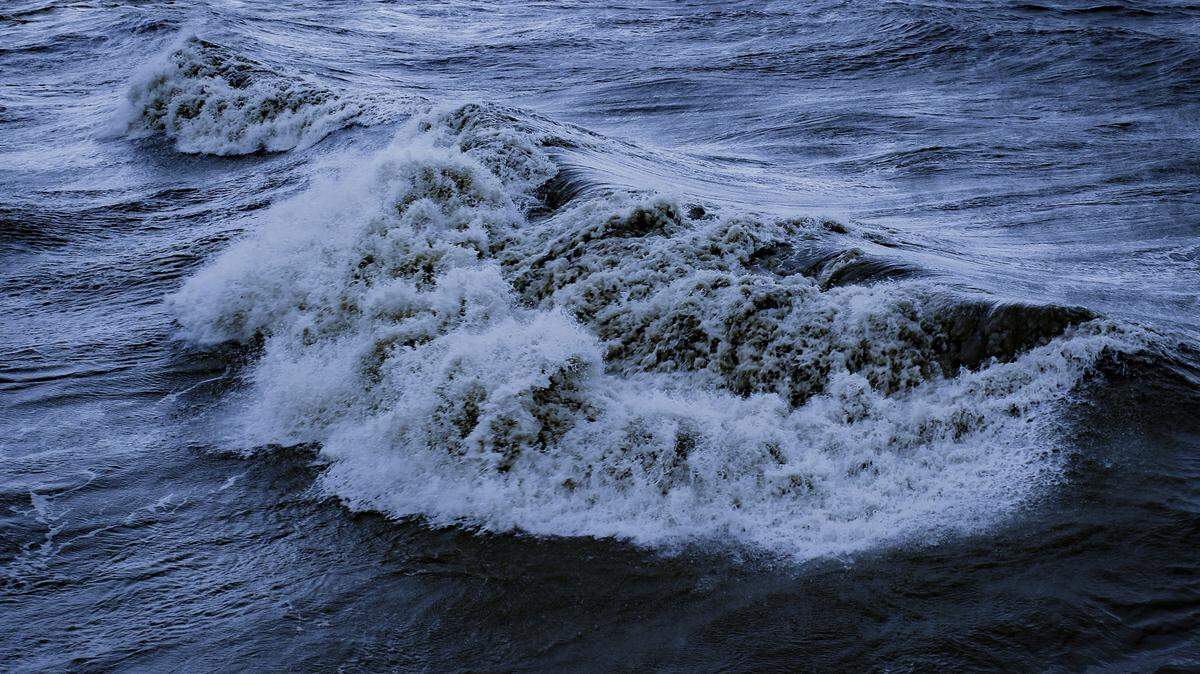
Thousands of feet deep, pieces of wood once on the surface settle onto the ocean floor of the north Atlantic.
Destined to break down and return its material to the earth, sunken wood offers a unique habitat to some tiny creatures.
Just millimeters long, wood-boring bivalves seek out the water-logged wood and dig in, not only using it as refuge but as food and energy.
Now, three new species of this kind have been discovered, thanks to museum collections far from the ocean.
Janet Voight, a researcher at the Negaunee Integrative Research Center at the Field Museum of Natural History, noticed that while there is a record of these tiny creatures from the continental shelf and deeper, records seemed to be missing deep-sea species, according to an Aug. 12 study published in the journal Zootaxa.
She dug into collections from Chicago, Washington, D.C. and London searching for bivalves that had been collected below 6,500 feet, according to the study.
Voight categorized a few species that had been identified before, but three of the specimens didn’t quite match anything seen before, according to the study.
.jpg "IMG_2397 (2).jpg")
Xylophaga microdactylus, the first new species, is less than three millimeters (about 0.1 1 inches) across and has a thin and translucent shell, Voight wrote.
Its name comes from “micro,” meaning little, and “-dactyl,” meaning fingers, because of the very small cirri, or fleshy tendril that reaches out from the shell, according to the study.
Its cirri is inconspicuous compared to other species, setting it apart.
The shell itself is “roughly triangular,” Voight said, and has extensions on its underside that “appear eye-brow shaped.”
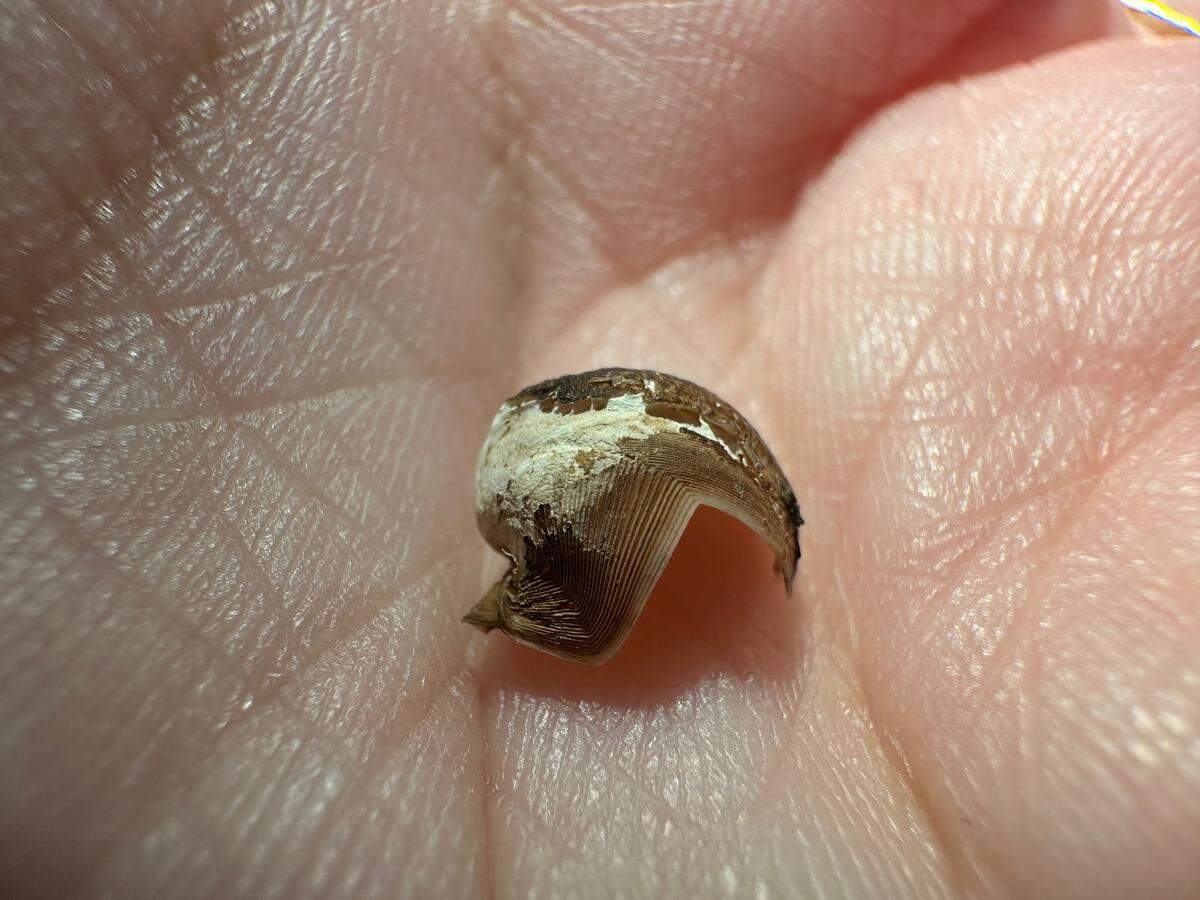
Xylophaga platyplax, another new species, earned its name from its flatter shape, according to the study.
Found at a depth of 9,500 feet, the shell is “large” by comparison and “chalky,” with heavy pitting, Voight wrote.
Lastly, a third new species was identified, called Xylophaga lambula, named after Cathy Lamb, who collected many of the specimens, according to the study.
This bivalve has short cirri and well-defined ridges on its shell, Voight said. It was less than five millimeters (about 0.19 inches) across, and the shell was thick and white with a brown outer layer.
X. lambula appears closely related to another known species, Xylophaga siebenalleri, but is distinguished by a lower slope on the back and a small siphon — the part of the animal used to go above the sediment and breath, feed and excrete — compared to the size of the shell, according to the study.
“The literature treating Atlantic xylophagaids tends to be biased toward shallow-water species, due to the relative inaccessibility of deep-sea specimens,” Voight wrote. “Relatively shallow-water species are more often encountered, especially given the historic use of wooden lobster pots.”
Voight also said that larger pieces of wood tend to float longer, while small pieces sink more quickly and end up in shallow waters. Wood-boring bivalves in the deep sea could then be used to identify rare wood resources that had taken a long time to make it to the seafloor, according to the study.