‘Vivid’ alien-like sea creature found hiding on coral off Japan. It’s a new species
The vast majority of the ocean is unexplored, unmapped and unobserved by human eyes.
As researchers explore the vast ecosystems under the waves, odd creatures emerge from hidden nooks and crevices.
Off the coast of Japan, divers were collecting soft coral when they noticed one of these alien-like animals hidden on the branches.
Using a gill net off Sugashima in 2021 and 2022, divers removed species of octocorals and brought them to the surface, according to a study published July 29 in the journal Scientific Reports.
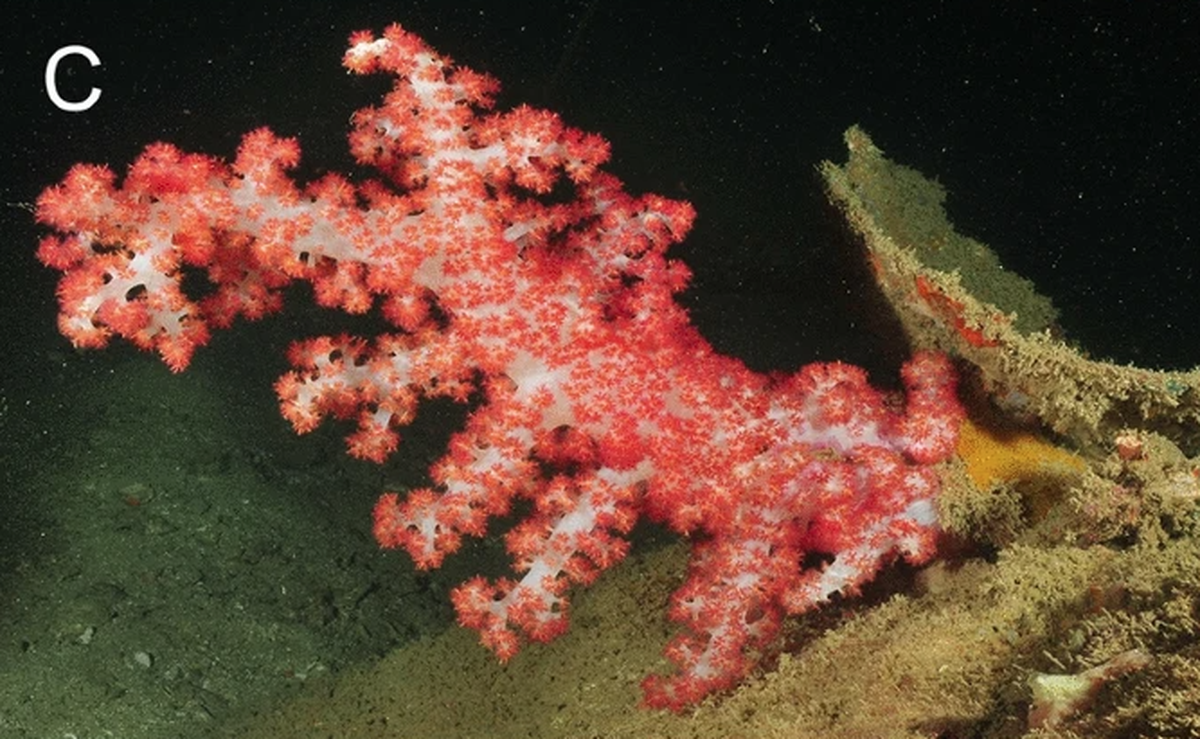
As researchers peeled back the red exterior, they noticed small, soft creatures clinging to the white surface underneath, according to the study.
At first, the animals looked like nudibranchs, sea slugs “well-known for showcasing brilliant warning colorations,” researchers said.
But after a closer inspection, the researchers realized that it was actually an impostor — and a new species.
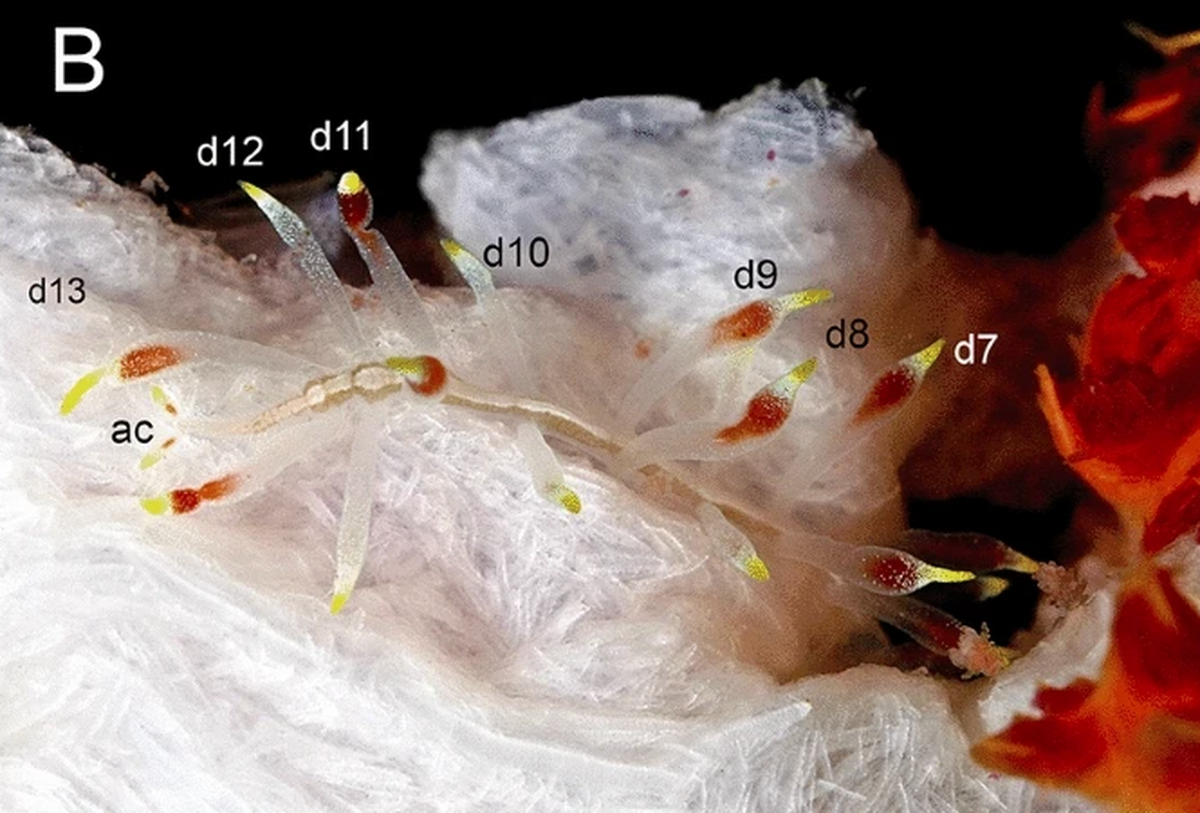
“During these surveys, we chanced upon a remarkable syllid thriving on species of this octocoral and boasting a significantly altered, brightly colored body that closely resembled a nudibranch,” according to the study.
Syllids are species of marine worms, sometimes called necklace worms, that commonly live in symbiotic relationships, researchers said. This means that they live directly on hosts such as sponges and coral but don’t hurt the host animal, according to the study.
The body is cylindrical, just a few millimeters long, and made up of 14 connected segments, researchers said. The antennae are whitish with “yellowish coloring at tips” and red sections closer to the body, according to the study.
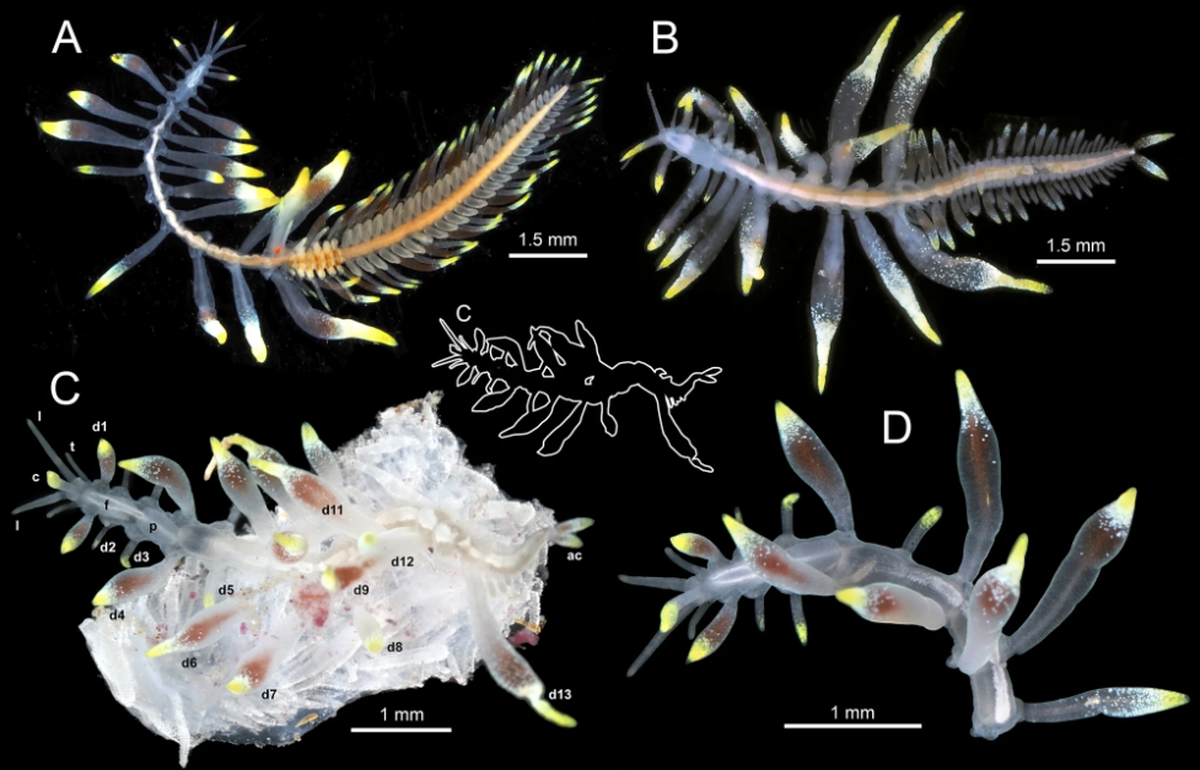
The coloration and body shape is so similar to nudibranchs, that the researchers believe the marine worms are “mimicking” the species.
Nudibranchs take on “vivid” colors because many of them are capable of stinging, and the coloration “allow(s) them to move around seemingly with impunity facing potential predators,” according to the study.
By mimicking the sea slugs, the syllid worms may also be able to protect themselves.
The new species was named Cryptochaetosyllis imitatio, the genus coming from the Latin words for “covered,” chaetae and syllis, a Greek nymph, according to the study. The species name comes from the word “imitatio,” which the researchers said means mimics in Latin and represents the species mimicking sea slugs.
This is the first case of mimicry of sea slugs by a marine worm in the Annelida family, according to the study, and the researchers said “the species seems to be very rare.”
Four specimens of the new species were found in Japan, and one was found in Vietnam.
The species were collected off Sugashima on the eastern coast of southern Japan and from Mun Island, in the Bay of Nhatrang off the southeastern coast of Vietnam.
The research team included Naoto Jimi, Temir A. Britayev, Misato Sako, Sau Pinn Woo and Daniel Martin.