Rare 2-foot-long snake — with deadly venom — surprises night hikers in Mexico. See it
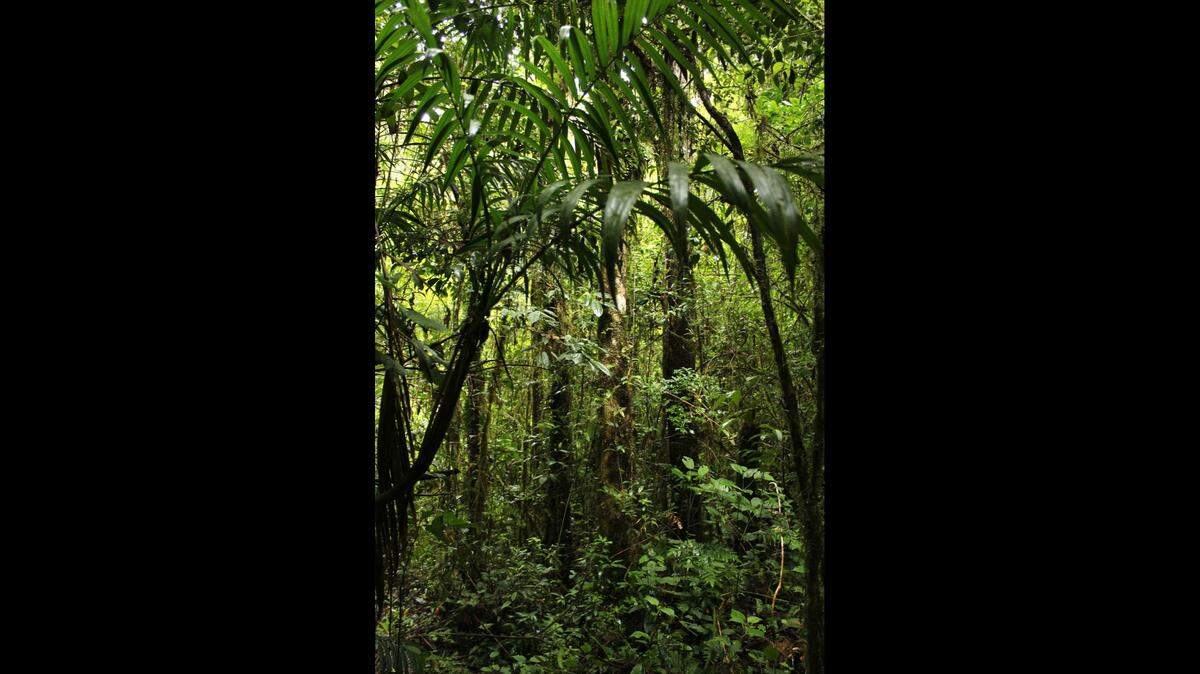
A group of hikers ventured into a mountainous rainforest in southern Mexico on a humid night. Around 1 a.m., they encountered a 2-foot-long snake moving through the leaves — and found a deadly species.
The yellow-blotched palm pit viper, or Bothriechis aurifer, was first discovered in Guatemala over 160 years ago but remains “one of the rarest species” of its group, according to a study published July 29 in the peer-reviewed journal Check List.
Despite its venom being fatal to humans, yellow-blotched palm pit vipers remain poorly known, the study said. Maps of the species’ distribution were “outdated” or “imprecise,” especially in Mexico.
A team of scientists decided to change that.
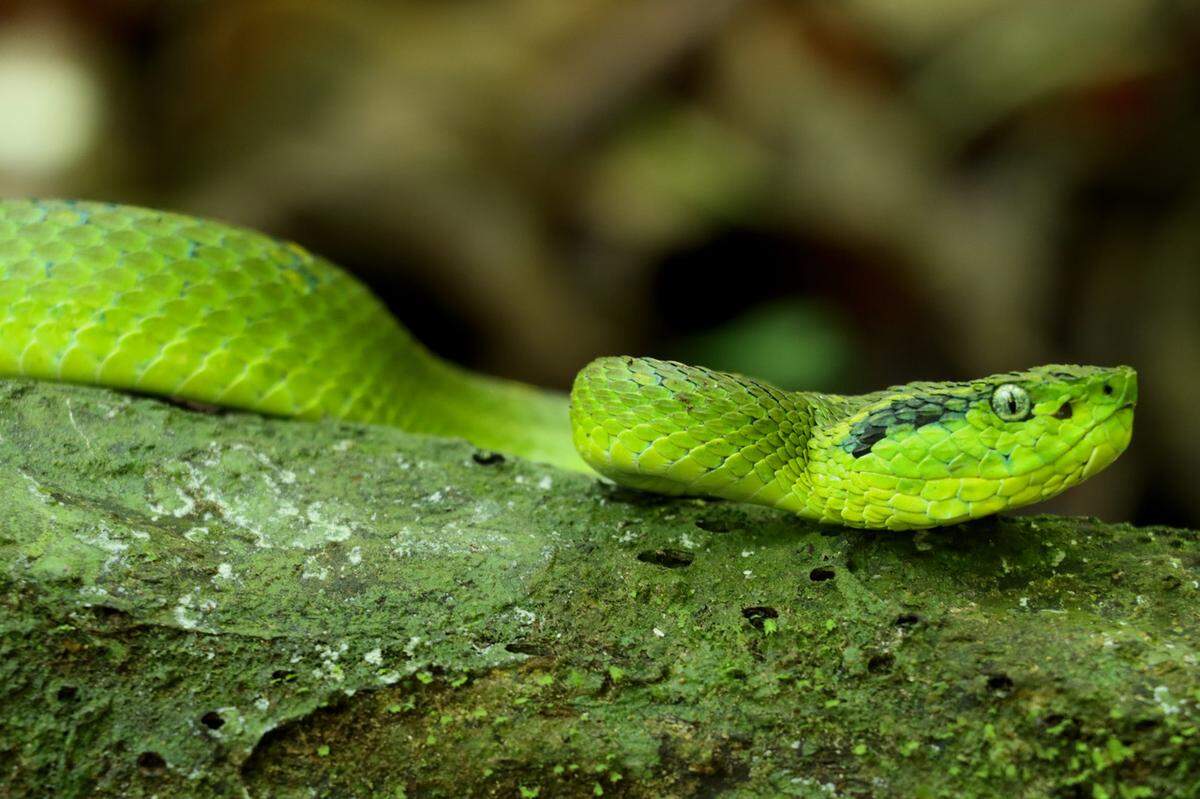
To do so, researchers studied museum archives, looked at sightings reported by citizen scientists and searched for the yellow-blotched palm pit viper themselves.
During one nighttime hike in 2023, researchers encountered a 2-foot-long snake moving around “on a fallen (tree) trunk.” Another time they found a snake about 5 feet off the ground on a tree branch near a trail.
Researchers identified the sightings as yellow-blotched palm pit vipers.
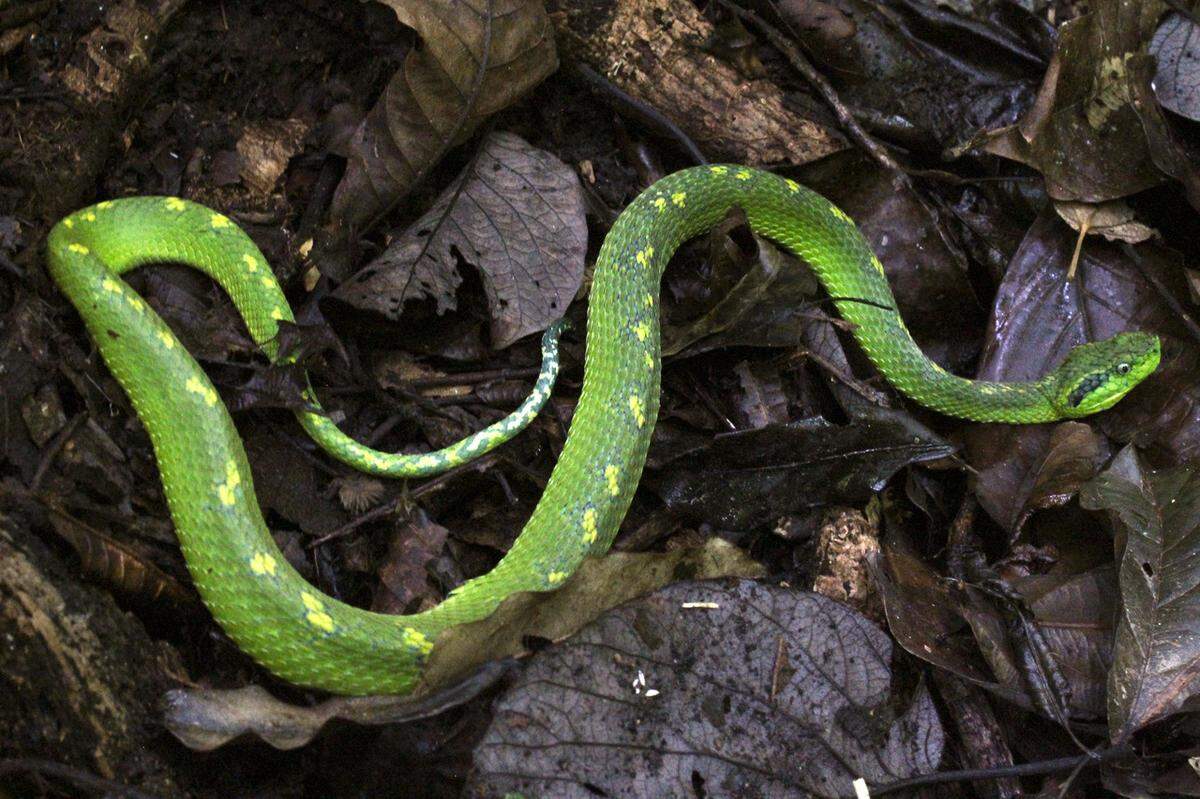
Photos show these brightly colored snakes. Their bodies are mostly lime green with lemon yellow spots running down their backs. This coloring appears to blend in with some of the surrounding forest.
Altogether, researchers found yellow-blotched palm pit vipers living in four sites of Chiapas, a state along Mexico’s southern border, the study said. These records extended the species’ known distribution range by about 60 miles.
Researchers saw two of these snakes active at night, a surprising find because the species was previously considered to be active “strictly” during the day.
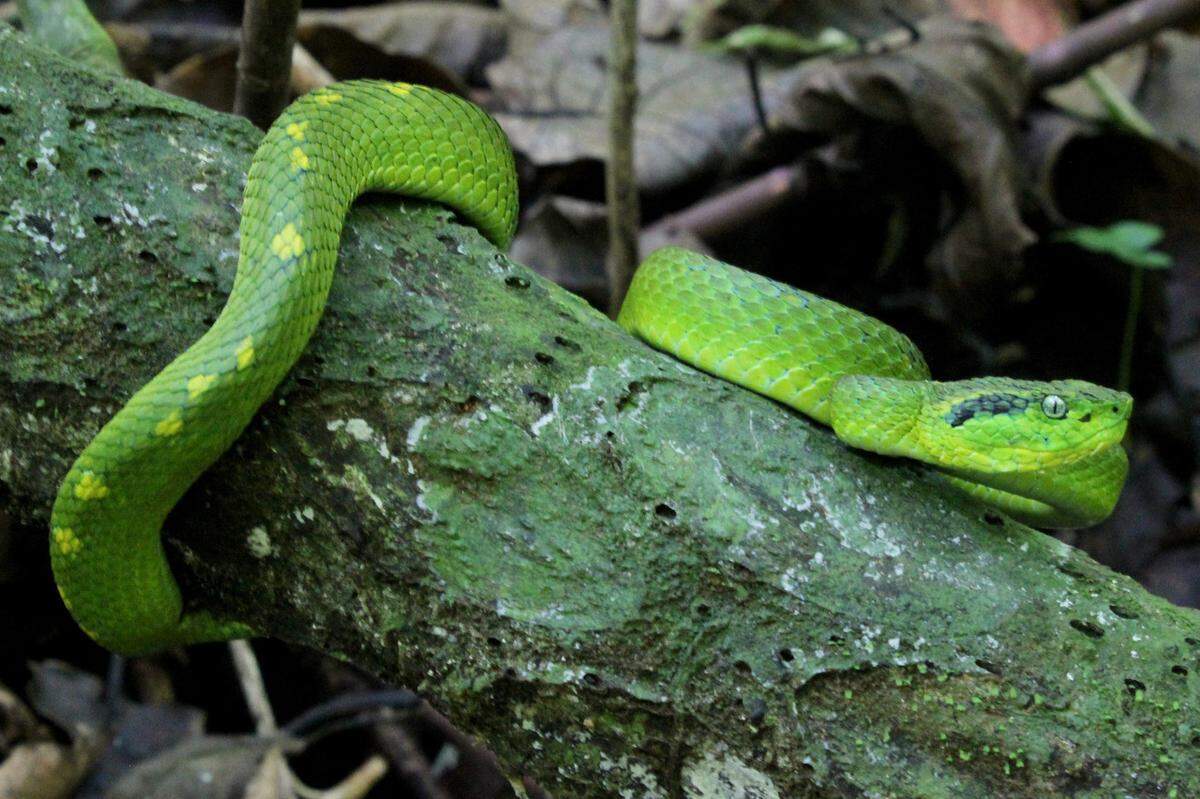
Researchers also identified three “main threats” to yellow-blotched palm pit vipers: habitat destruction, illegal black market harvesting and illegal trafficking, “probably for sale in the pet trade.”
As a result, researchers suggested the species be considered “endangered” and listed steps that should be taken to protect it.
The research team included Jorge Arturo Hidalgo-García, Roberto Luna-Reyes, Adam Clause, J. Rogelio Cedeño-Vázquez, José García González and Sergio López.