Squishy sea creature — covered in tentacles — found as new species off Iran coast
Not all small animals can be cute, fluffy bunnies or soft, snuggly puppies.
Some of them are weird blobs.
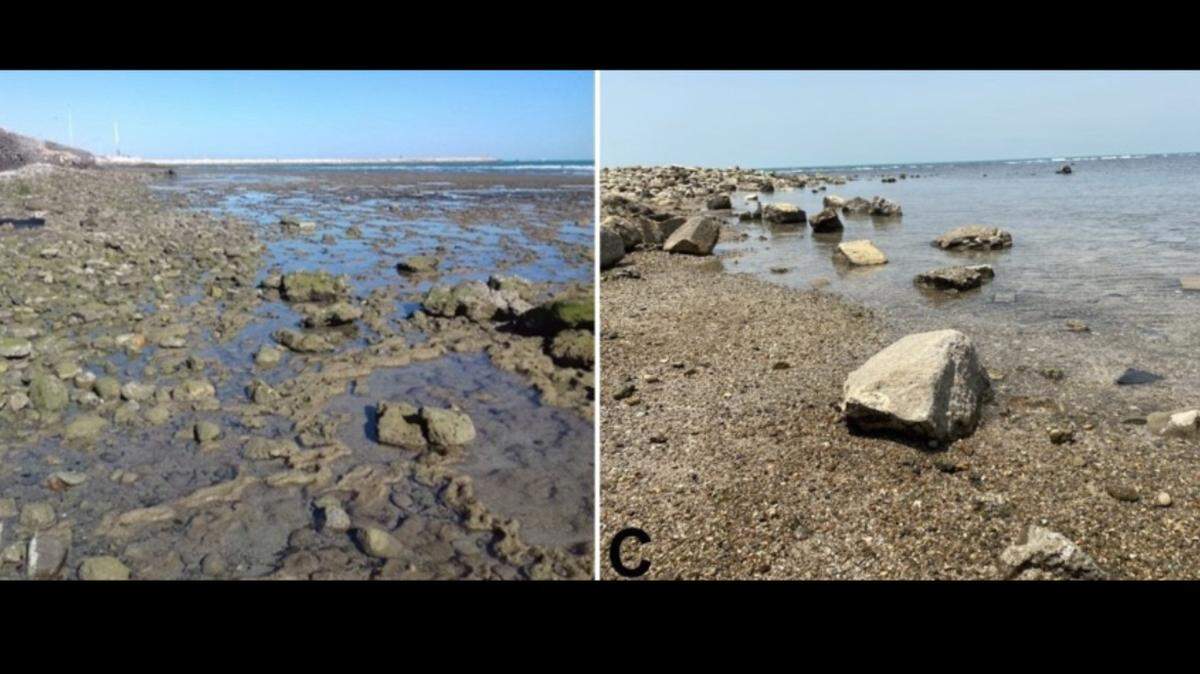
As the water of the Persian Gulf receded from the Iranian coastline, a group of researchers found some of these blobs stuck to the rocky surface.
Oval shaped and covered in small tentacles, the researchers knew they were sea slugs, but they soon realized there was something different about one of them.
It was a new species.
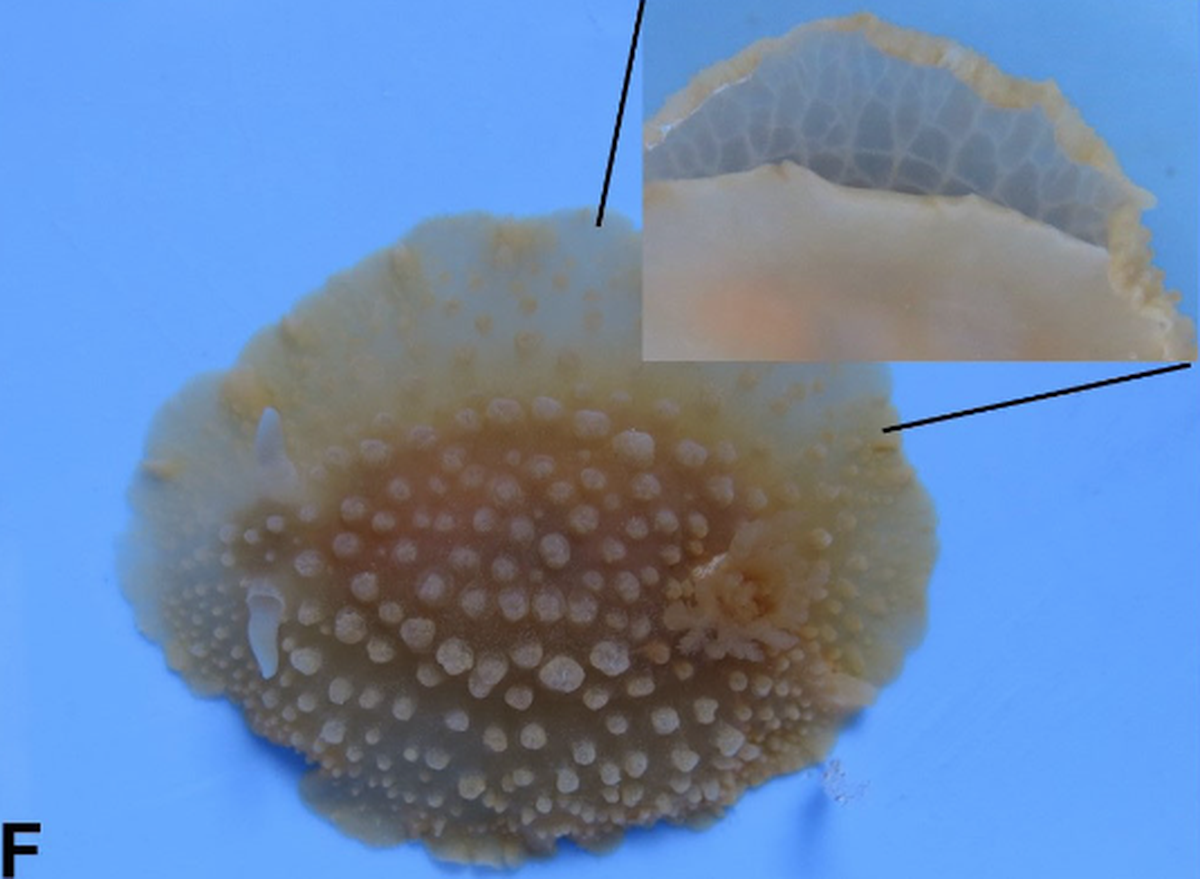
The one-and-a-half-inch-long animal was a “cream yellow” color, according to a study published in the Journal of European Taxonomy on July 9, but was also found “deep orange or vermilion,” a bright shade of red.
A membrane surrounding the animal has a “tiny white line” along its rim, according to the study and its entire body is covered in tubercles, or soft, short tentacles. Its external gills protrude from its back.
On one end of the animal, it has an enlarged prostate, an “eccentric” anus and a penis capable of turning inside out, researchers said.
Extending from its body is a “fleshy muscular foot” that helps the animal scoot along the rocks of the intertidal zone, according to the study.
The species was named Doriopsilla aroni, after the study author’s son, Aron.
Sea slugs, also known as nudibranchs, are actually shell-less molluscs, according to the Natural History Museum in London. In some cases, they come in neon colors and dragon-like shapes, the museum said, and one species is known as a “sea bunny.”
The name “nudibranch” means “naked gill,” according to the Florida Fish and Wildlife Conservation Commission. The species earn this name from their external gill formations that take oxygen from the water. Two rhinophores, or sensory organs, sit near the head of the animal and detect chemicals in the water, kind of like how humans smell. The rhinophores can help the nudibranchs find food or know when a predator is approaching, FWC says.
All nudibranchs are hermaphrodites, so they have both male and female reproductive organs, according to the FWC. As an indicator species, scientists can generally tell the health of an ecosystem based on the number of nudibranchs in a marine area.
The new species of sea slug was found off the southern coast of Iran in the Persian Gulf.
The study authors were biologists Fatemeh Maniei and Heike Wägele.