‘Assassin’ creature — disguised as predator — found as new species on Colombia farm
When identifying animals, the common idiom “If it walks like a duck, talks like a duck, it probably is a duck,” holds true for many species.
A black-and-white striped animal running across the savanna is easily identified as a zebra.
A large, white bear blending into the snow is clearly a polar bear.
But some animals take the obvious appearance of another and use it to their advantage.
In Colombia, one of these creatures pretends to be a wasp, then carries out the work of an “assassin.”
Researchers investigating the insect fauna on cacao farms and plantations discovered a small, orange insect on the leaves of the cacao plants, according to a study published July 19 in the journal ZooKeys.
It had the shape of a wasp, the head of a wasp and a coloration similar to a wasp, according to the study, but under further investigation, the researchers saw it wasn’t a wasp at all.
It was an assassin bug — and a new species.
Assassin bugs are a species of predatory insects — like the wasps they mimic — known for sucking the body fluids from their prey, according to Britannica.
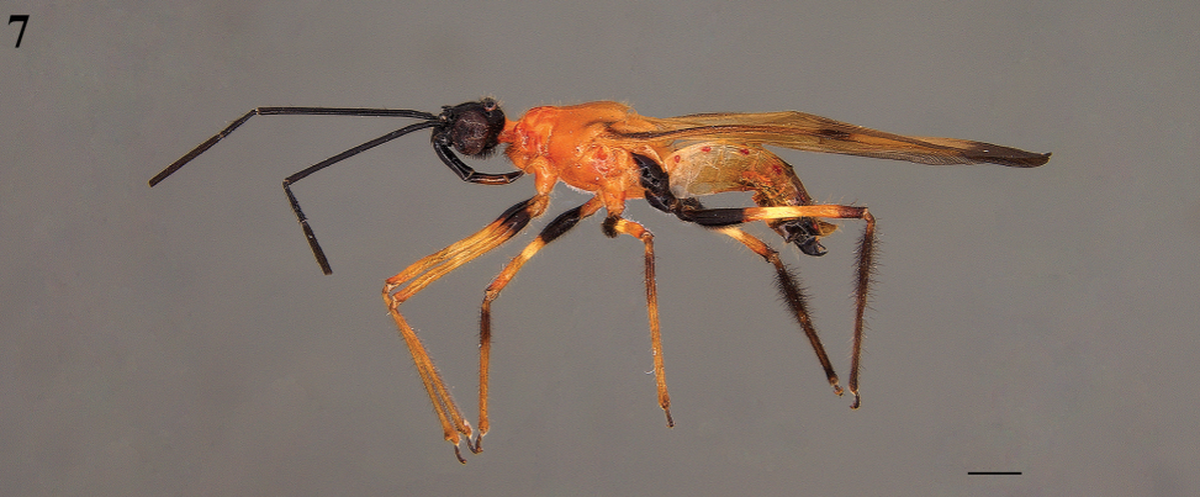
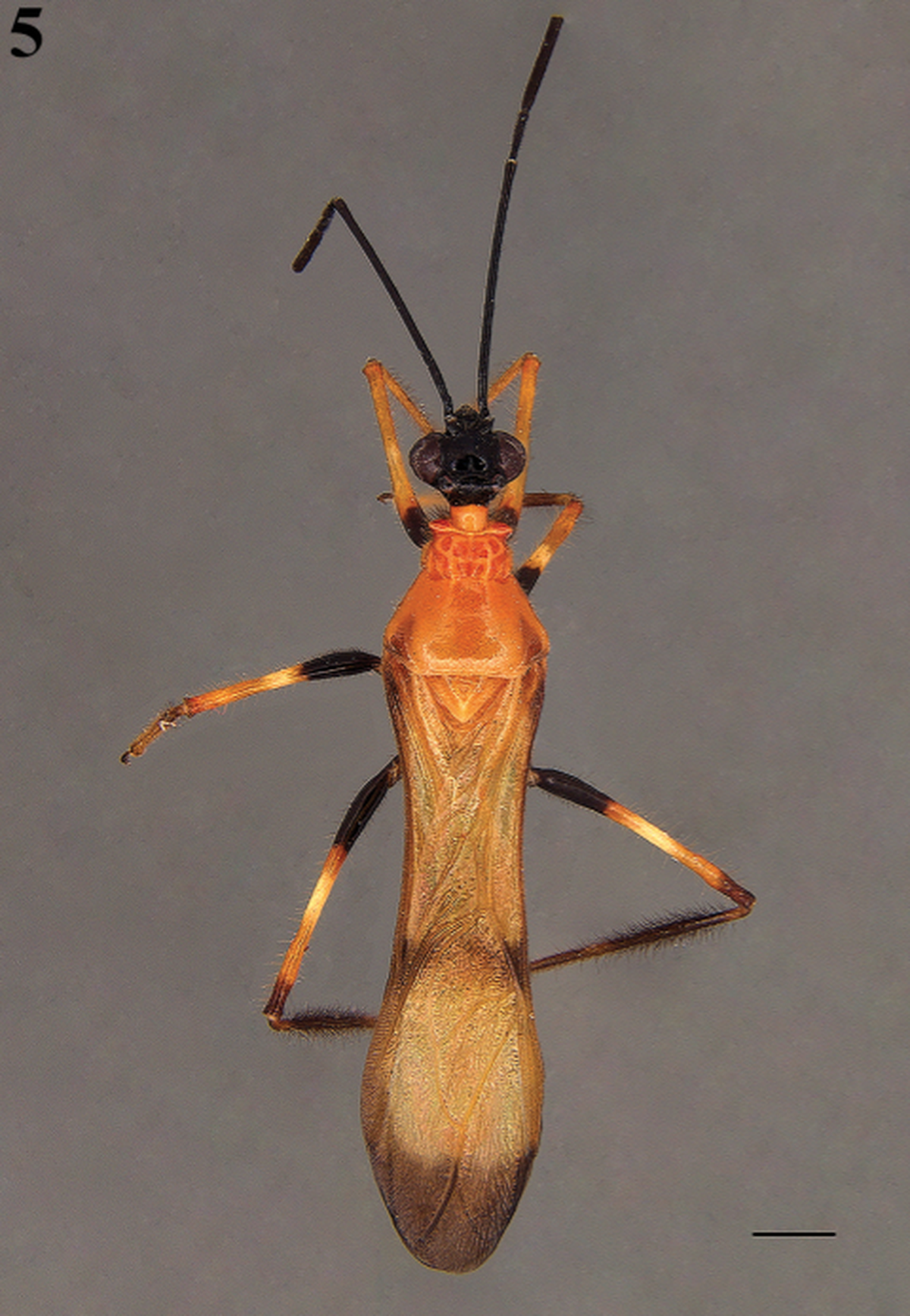
Less than half an inch long, the insect had an orange plate on its body and orange, symmetrical spots on its sides, according to the study.
These features stood out from all other known species in the neotropics, researchers said.
It was named Neotropiconyttus armandoi, honoring the father of two of the study authors, according to the study.
“Armando (Gamboa Torres) was a primary and secondary school teacher who, every day after his long working hours, devoted his time to agriculture,” the authors said. “As time went by, he gathered an important set of empirical knowledge of crops in traditional agroecosystems of the Amazon region, such as banana, cassava, sugarcane and corn.”
The new species was found “standing on a T. cacao tree leaf near the fruits of this crop,” researchers said, the type of plant where the “true bugs,” or the wasps they mimic, feed.
There were “astonishing similarities” between the species of wasp and the assassin bug, proving that the new species was specifically trying to physically appear like the wasp, according to the study.
Many species that physically look like other animals do so to protect themselves against predators or attract prey of their own, according to the BBC.
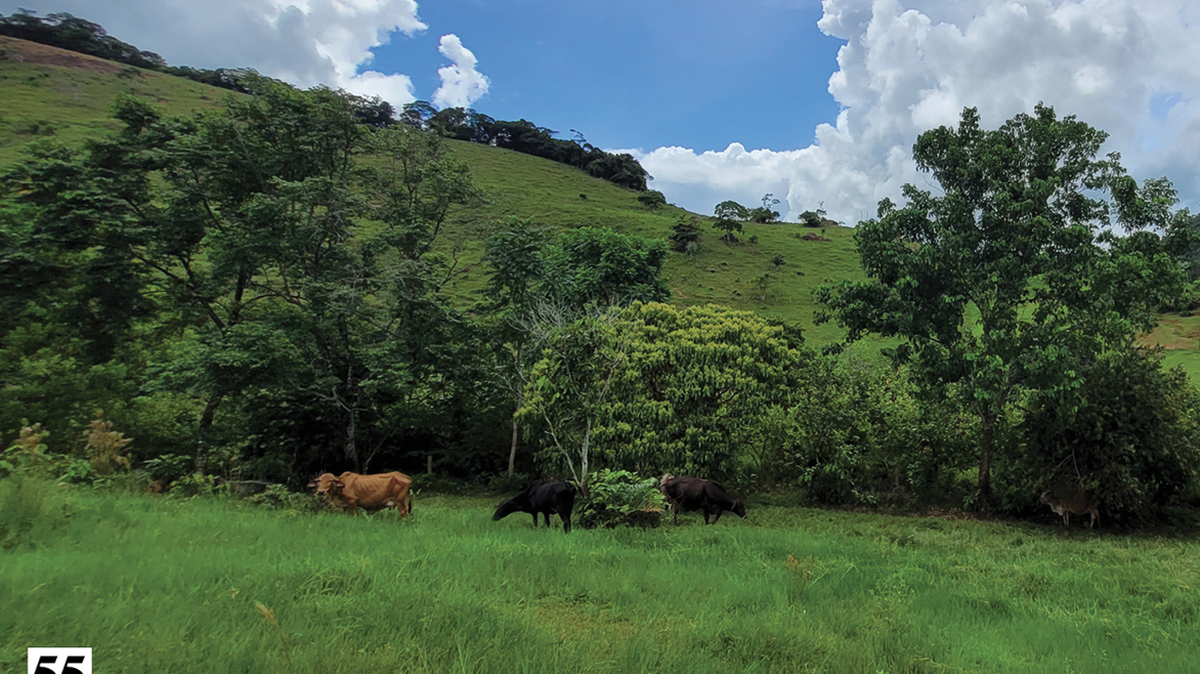
The Armando assassin bug was also found on cacao farms in a region of Colombia that has suffered lots of deforestation for agriculture and livestock, the researchers said.
The farms are on the western mountain range of Colombia along the Amazon Basin, according to the study.