Nearly a month later, grandfather still searching for grandson missing after Venezuela earthquakes
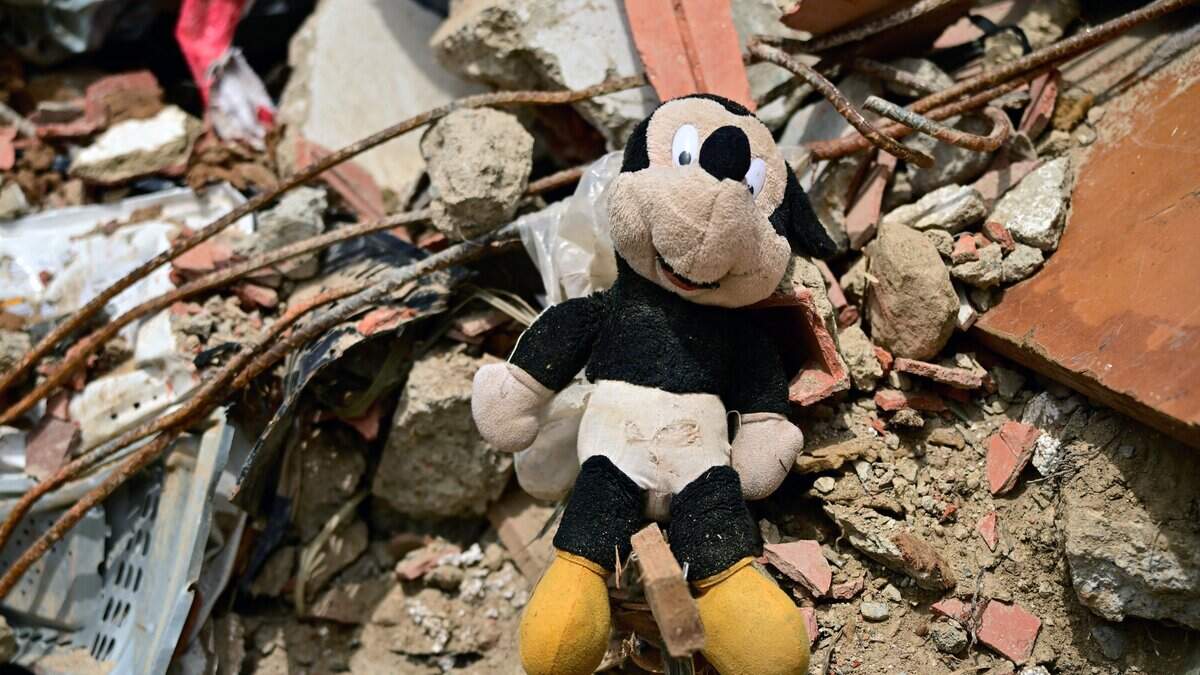
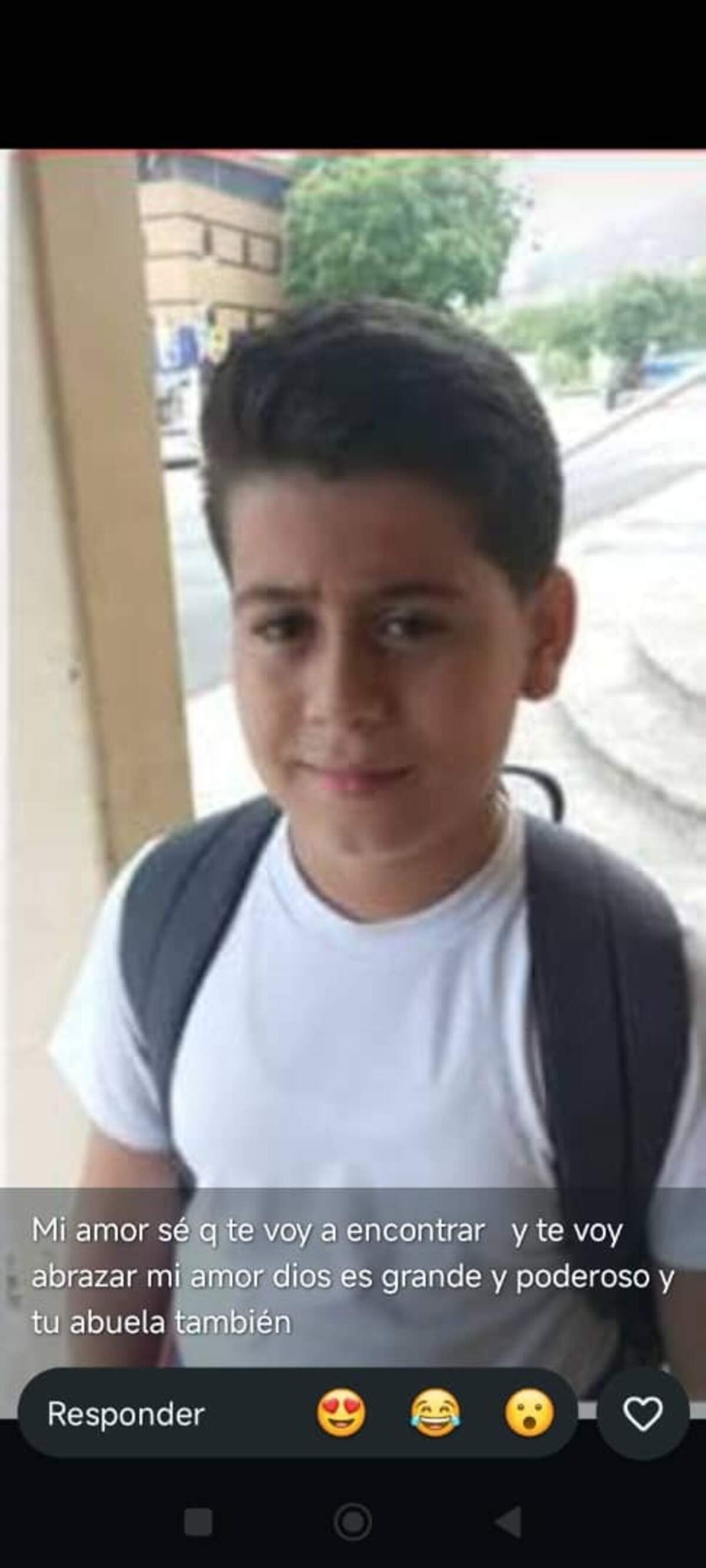
Xavier Lovera Santander, 9, went out with his grandmother to take out the trash when two powerful earthquakes struck Venezuela, causing the building where he lived to collapse. Nearly a month later, his relatives continue searching for him.
The boy was with his maternal grandmother, Trina Romelia Ávila Porra, 78, at the OPP 27 building in the Misión Vivienda housing complex in the Caribe sector of Caraballeda, La Guaira state, on June 24, when the magnitude 7.2 and 7.5 earthquakes devastated the area.
“I have continued searching for the boy as a missing person, and the only thing I want is proof that he is alive, nothing more. If, unfortunately, the boy is no longer with us, okay, but I want to at least see his body,” Antonio Santander, the child’s grandfather, told el Nuevo Herald.
Xavier Lovera Santander’s case reflects the disappearance of Venezuelan children after the earthquakes and the lack of clear protocols for tracking such cases amid the tragedy, a situation that has thrown search efforts into chaos and left families without answers, according to civil society organizations.
To make matters worse, some relatives of missing children have received false information claiming the children were rescued alive, are staying in shelters for displaced residents or were transferred to other parts of the country.
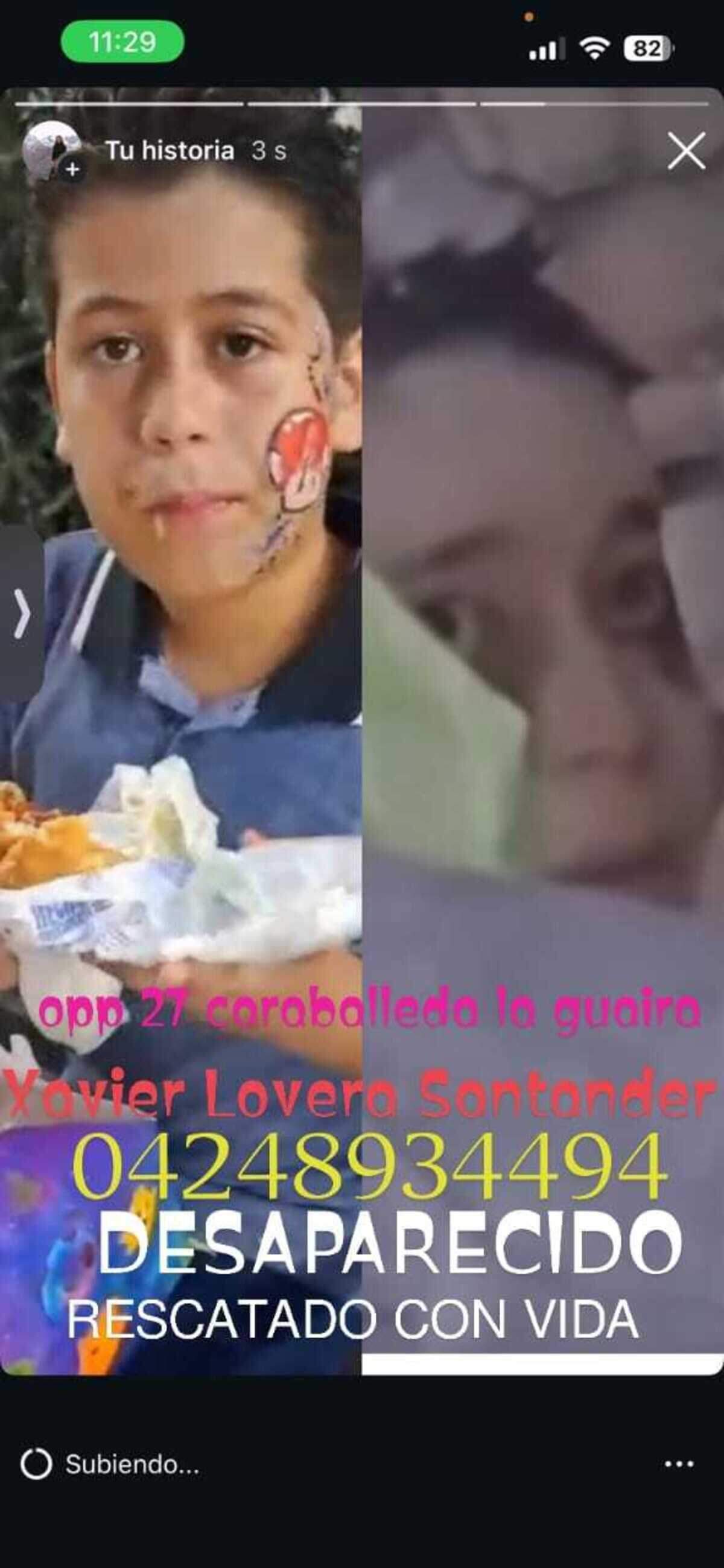
Santander said he obtained a video showing a child being rescued alive from the rubble in the area where his grandson lived. He contacted the director of the rescue team that participated in the operation to find out where the child had been taken.
According to Santander, the director told him the people rescued were a woman and a child, who were taken to a hospital in La Guaira. However, the family found no trace of the boy there.
Since then, the family has searched hospitals in Caracas, Valencia and Maracay without finding any information about his whereabouts. The grandfather also said they saw a pair of hands among the rubble that, based on a ring on one of the fingers, they believe could belong to the grandmother.
“But we have not been able to remove that person from there to verify that it is her and see whether she is with the child. We realized that person was in the rubble on Thursday of last week,” he told el Nuevo Herald from La Guaira.
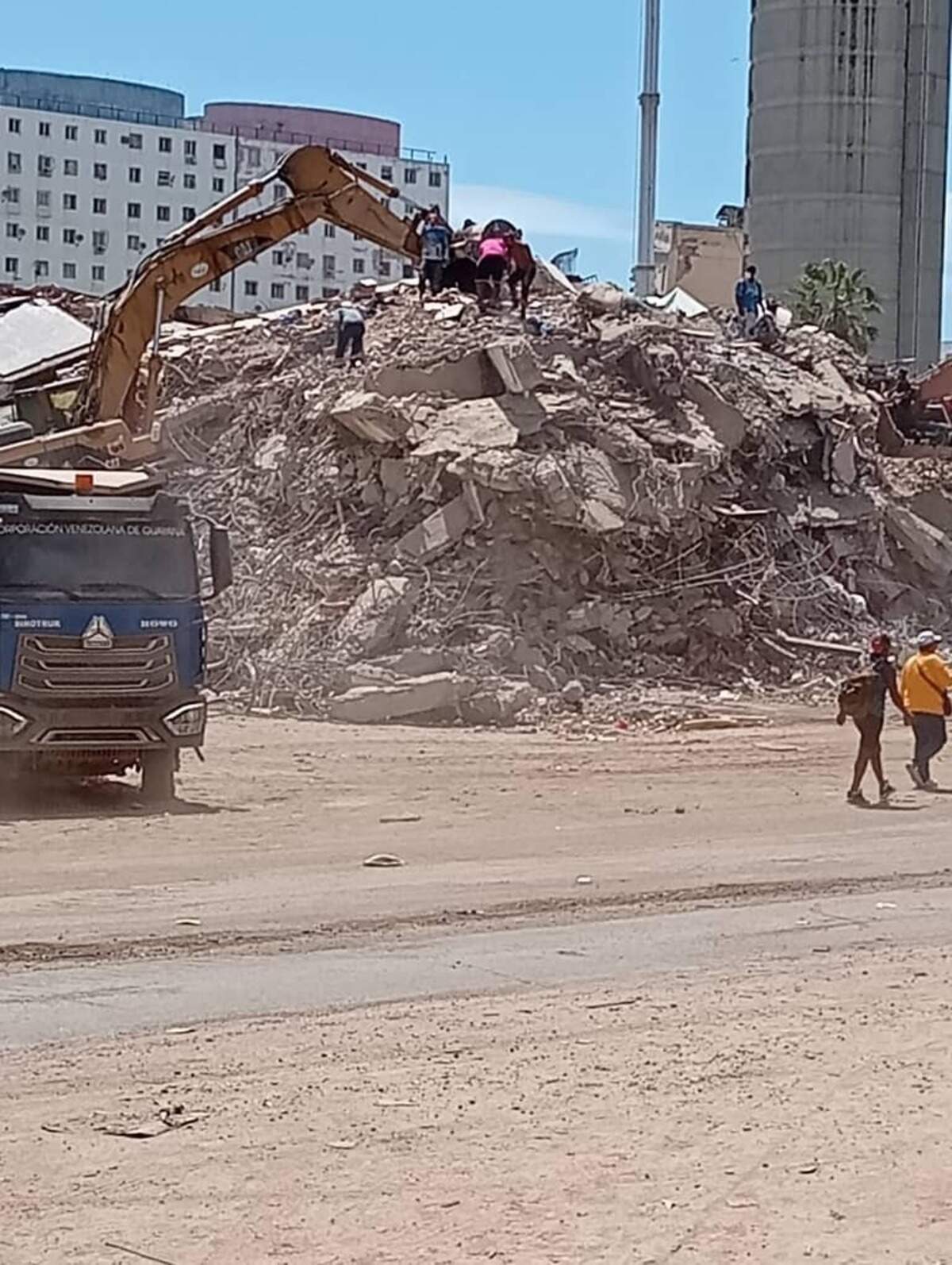
Heavy machinery is needed to recover the body, a resource that, according to Santander, has become a business in the devastated area because families are being charged to use the equipment for debris removal.
Parents find their twin sons dead
Luis Peña and María González searched desperately for their 3-year-old twin sons, Mathías and Mateo Peña. They followed every lead they received but found no trace of the children.
The twins’ father said a rescuer told him that the boys, along with their grandmother, had been pulled alive from the rubble of the OPP 25 tower in La Guaira. According to that account, the rescue took place three days after the earthquakes.
Peña was told the children had been transported by ambulance to a medical center. The family also did not know what had happened to the grandmother; they were only told she was alive when she was rescued from the rubble.
With no answers, Peña decided to begin removing the debris himself, along with other people, using shovels, pickaxes and other tools. It was there that he found his sons in the early morning hours of July 16. His sister, Astrid Carolina Monroy Peña, shared the news on her Instagram account.
“They were found under the rubble together with the rest of their uncles and grandparents. It is very sad to receive this news because we truly held onto hope that they were alive, since the rescuer had not confirmed otherwise. It was all a lie. Many people misled us with false information saying they had seen them,” she said.
The twins’ father had been removing debris because he wanted to rule out the possibility that the children were still trapped, “but unfortunately, he found my little nephews buried there, embracing each other,” his sister said.
The first hours of an emergency are critical
Carlos Trapani, coordinator of the human rights organization Community Learning Centers (Cecodap), warned that there is a high risk that children reported missing may have died. He said this is due to the scale of the tragedy, the time that has elapsed since the earthquakes and the institutional response.
He cited the case of Amaya Landaeta, a girl who was reported missing on social media and whose death at a hospital was confirmed days later.
“That is a pattern that is probably repeated in many cases,” he told el Nuevo Herald.
Cecodap prepared the report Children and Adolescents Affected After the Earthquake, an analysis of the first three days of the emergency — from June 24 to 26 — considered a critical phase for rescue operations and the response by both authorities and the public.
The report states that 333 minors were affected: 188 were injured, 123 were reported missing, 14 died, seven were rescued and one was evacuated.
In the case of the missing children, they may have been trapped under the rubble, separated from their relatives, transferred without immediate communication or belonged to entire families whose whereabouts remain unknown.
The organization said in the report that, even with those distinctions, the figure reveals a critical risk.
During the first hours of an emergency, the inability to locate a child increases the likelihood of prolonged family separation. It also raises the risk of exposure to unauthorized individuals, the insecure circulation of personal data, human trafficking, exploitation, violence, unnecessary institutionalization or irregular adoptions.
Trapani said the lack of information about the whereabouts of affected children makes it impossible to determine how many were reunited with their families in other states, how many died and how many remain in temporary shelters.
That lack of data, he warned, renders affected children invisible and makes it difficult to measure the true extent of the disaster’s impact on minors.
Without a consolidated registry of the cases, he added, authorities are also unable to assess the full scope of the crisis or design a comprehensive response. Under those conditions, any measures adopted risk being partial, insufficient or based on incomplete information.
He acknowledged that, in the midst of an emergency, creating such a registry is extremely difficult because of weakened institutional capacity, the scale of the damage and access problems — a situation that, he said, is common in countries facing natural disasters.
Speeding up family reunification
A proposal to create an extraordinary procedure to expedite the reunification of children left alone after the earthquakes was submitted to members of the Family Commission of Venezuela’s National Assembly, but it has not advanced.
The initiative, drafted by Ivonne Vela, president of the Pan de Vida Foundation, and Iveth González, director of Pan de Vida in Venezuela, proposed that psychologists, social workers, child protection authorities, courts and other institutions work in shifts and from the same location to reduce waiting times to a minimum.
In that way, the child protection experts explained, a relative seeking custody of an orphaned child could complete all the necessary evaluations and verifications within hours — or, at most, a few days — allowing a court to issue a ruling authorizing the child’s release.
In Vela’s view, this procedure would prevent children’s trauma from being prolonged.
“The child was the victim of a tragedy, of a natural disaster, and can now become the victim of a state that extends and prolongs that trauma by failing to reunite the child with his or her family.”
Vela also warned that the proposal is based on an essential requirement that, she said, is not being fulfilled: guaranteeing the right to identity of affected children.
“There is currently no traceability to identify who those children are,” she said.
She explained that there is currently no biometric system, facial recognition technology or DNA testing mechanism to identify children and link them to relatives inside or outside Venezuela, making it more difficult to locate them and eventually reunite them with their families.
González said child protection officers should have been present in the devastated areas to register every child who was rescued.
That record, she explained, could have been as simple as taking a photograph of the child and the child’s fingerprints with a cellphone, noting where the child was rescued, who found the child, which medical facility the child was taken to and even the name of the ambulance driver.
The same tracking process, she added, should have been carried out at every hospital with a child protection officer present.
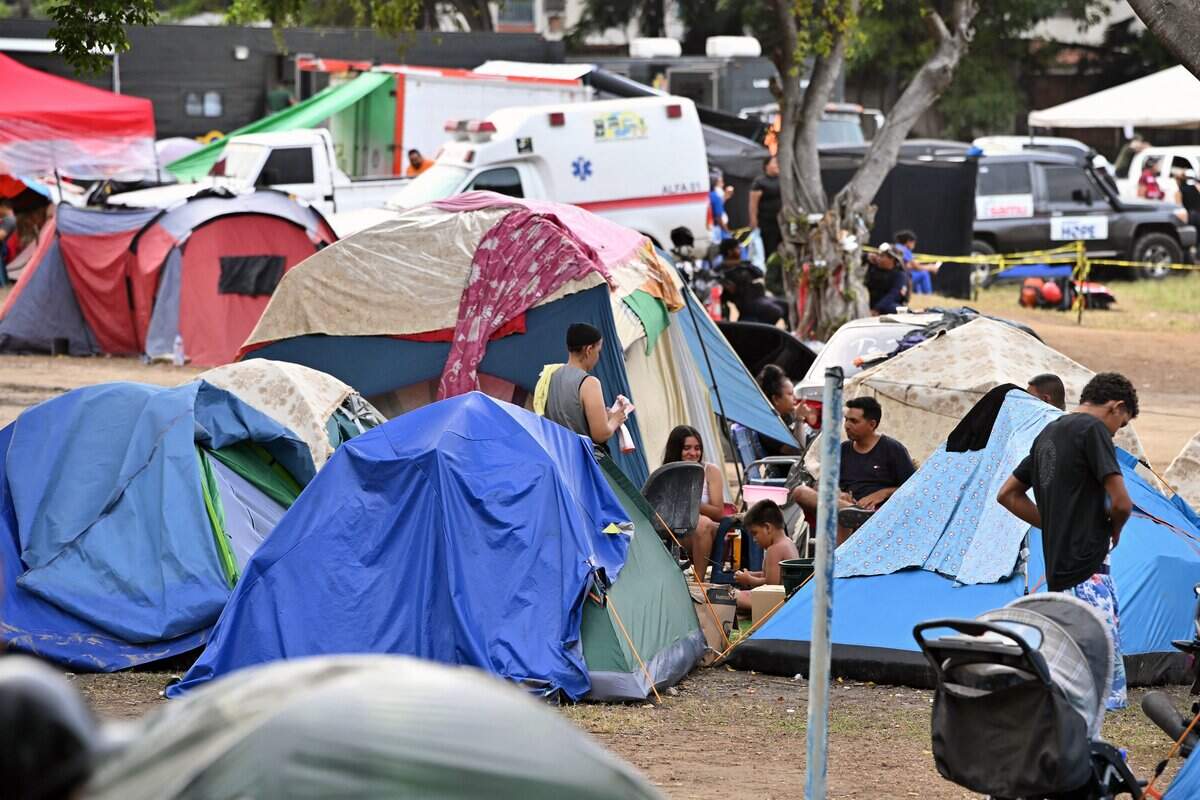
“That did not happen. At the Caraballeda Golf Club, which became a shelter for rescued survivors, the lists I have seen are handwritten, they do not indicate ages or where the children were rescued, they are written in pencil. There are errors in the names, and they only record those who arrive, not those who leave,” she said.
Many lives still buried under the rubble
Antonio Santander called on authorities to help search for his grandson and the other people who remain missing after the earthquakes.
“I ask the authorities to have compassion and act more seriously. This is not a game. These are lives. Many lives are still buried under the rubble,” he said, his voice breaking.