He survived one of Venezuela’s deadliest disasters. Years later, he was deported into another
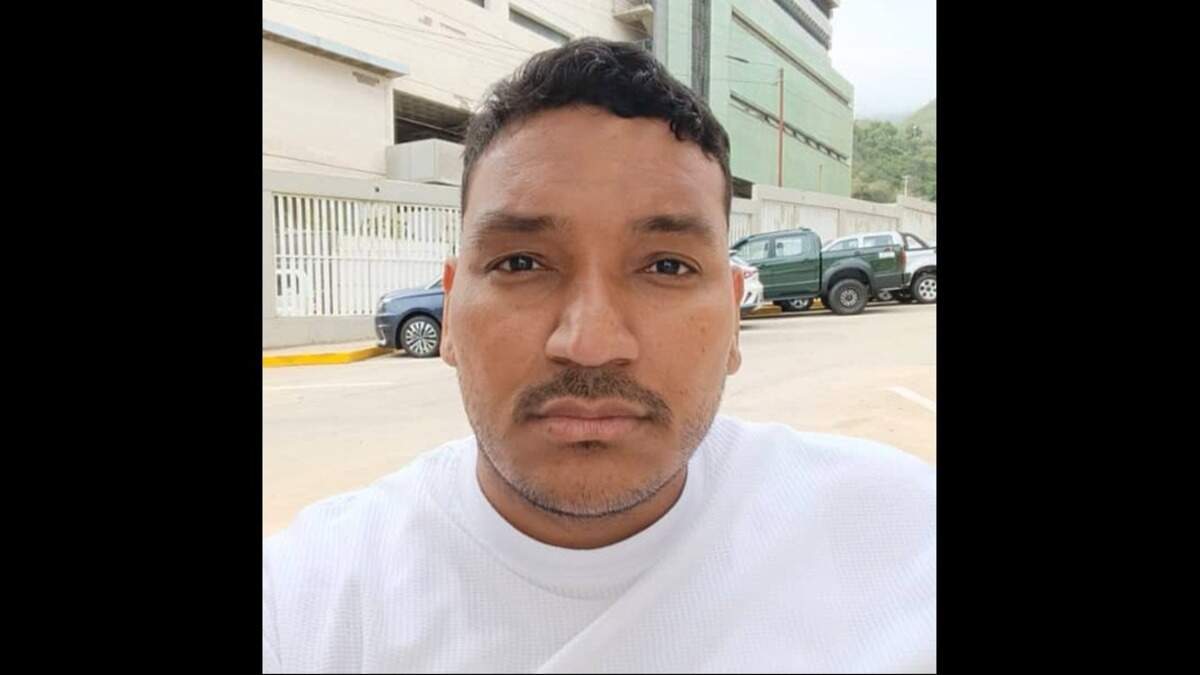
On the day he turned 36, Ybrahin Villafaña survived yet another tragedy.
Twenty-seven years after escaping alive from the 1999 mudslides that devastated La Guaira and killed two of his brothers, he found himself trapped beneath the rubble of a hotel that collapsed during the June 24 earthquakes. He had arrived there only a few hours earlier after being deported from the United States along with 145 other Venezuelans.
Villafaña arrived on Flight 164, which landed at Maiquetía International Airport shortly before magnitude 7.2 and 7.5 earthquakes struck north-central Venezuela just 39 seconds apart. The deportees returned to the country through the Caracas regime’s Gran Vuelta a la Patria mission.
In an Instagram post, the mission said the flight carried 120 men, 19 women, five boys and two girls from Miami, “all ready to begin a new chapter in their beloved homeland.”
When the earthquake struck, Villafaña was in a fourth-floor room at the Santuario La Llanada hotel, formerly known as Negra Hipólita, perched on a hillside surrounded by vegetation in La Guaira, the state hardest hit by the twin earthquakes.
But Villafaña was not there of his own free will. Like the other deportees, he was being held by Venezuela’s Bolivarian National Intelligence Service.
The hotel served as a processing center where deported Venezuelans underwent criminal background checks, fingerprinting and procedures related to their identity documents.
“The hotel was in very poor condition, both inside and out. They wouldn’t let us leave our rooms. They told us we would be held there for 24 hours,” he said in an interview with el Nuevo Herald from Catia La Mar, in La Guaira.
When the ground began to shake, he was sharing a room with 12 other people. They all ran toward the hotel’s main entrance, but before they could reach it, the building began to collapse.
“We were almost at the exit when the roof came down. We were buried under the rubble,” he recalled.
He remained trapped for about an hour. Suffering from a head wound to the back of his neck, he was unable to move and struggled to breathe. At times, he even drifted off to sleep as he waited to be rescued.
He said he also encouraged a young woman trapped beside him to try to sleep in hopes of easing the pain while they waited for rescuers to reach them.
‘He’s alive, get him out of here’
The people who managed to pull him from the rubble were several of the deportees who had escaped before the building collapsed. They later told him they had rescued him by moving concrete blocks and chunks of cement with their bare hands, without shovels, picks or any other tools.
“You were completely buried. I don’t know how we managed to get you out, but we did,” one of them told him.
The young woman who had been trapped behind him died beneath the rubble.
According to Villafaña, the intelligence officers guarding the deportees were paralyzed after the earthquake.
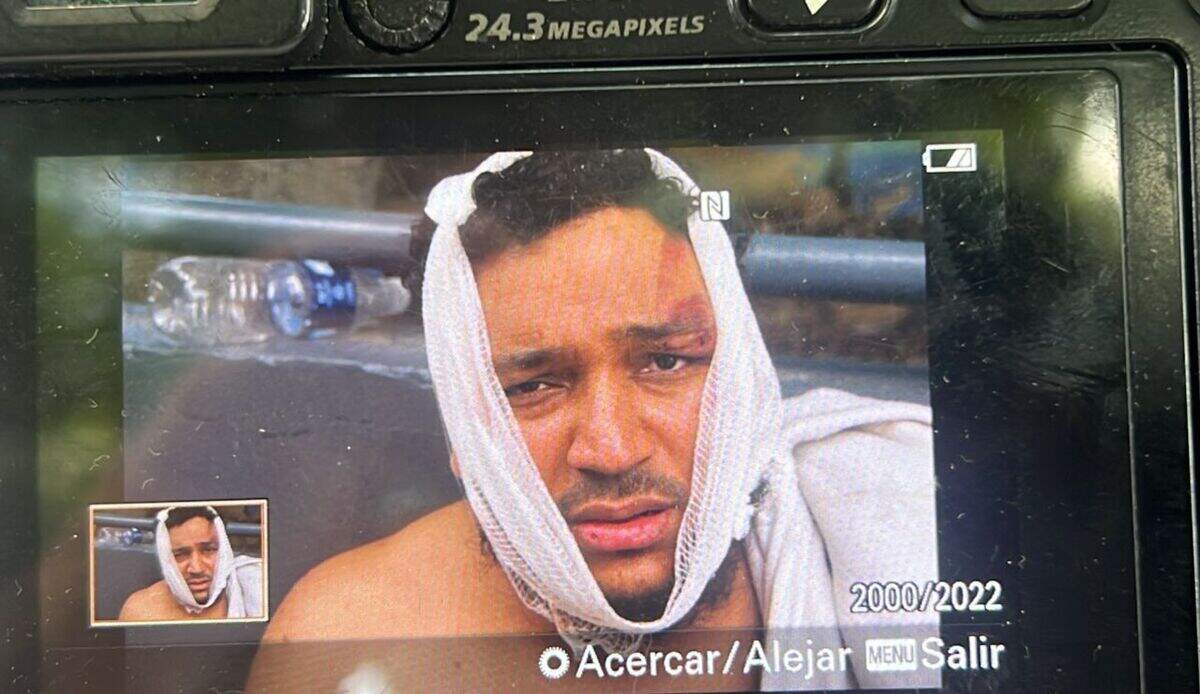
“They were in shock. They were scared. They didn’t move at all. They didn’t help at all,” he said.
Villafaña emigrated to the United States in 2020 and was living in Alabama when ICE agents detained him. He had applied for asylum but had been denied Temporary Protected Status.
Villafaña left behind in the United States his wife and three children: a 12-year-old and one-year-and-three-month-old twins.
After being rescued from the earthquake rubble, he was taken to Vargas Hospital in La Guaira, where he was laid on a mat. When he regained consciousness, he realized he was in the outdoor area of the morgue, where bodies had been placed because there was no more room inside the facility.
“When I woke up, I saw so many dead bodies and heard someone in the distance saying, ‘He’s alive. Get him out of here,’” he said.
Still dazed, he got to his feet as best he could and, leaning on others for support, made his way back into the hospital.
He later found a way to travel to his relatives’ home.
A two-time survivor
“The earthquake happened, coincidentally, on my birthday. I’m a survivor of the 1999 mudslides in La Guaira. I was nine years old. I lost two brothers, ages 10 and 4. And now I’ve gone through this. God has something planned for my life,” he said.
La Guaira had already endured a devastating tragedy in 1999, when torrential rains triggered catastrophic flooding and mudslides that wiped out entire communities, killed thousands and caused widespread destruction.
‘Complete darkness’
Joscar Petit, another Venezuelan who arrived on Flight 164, was taking a shower at the hotel when the earthquake struck.
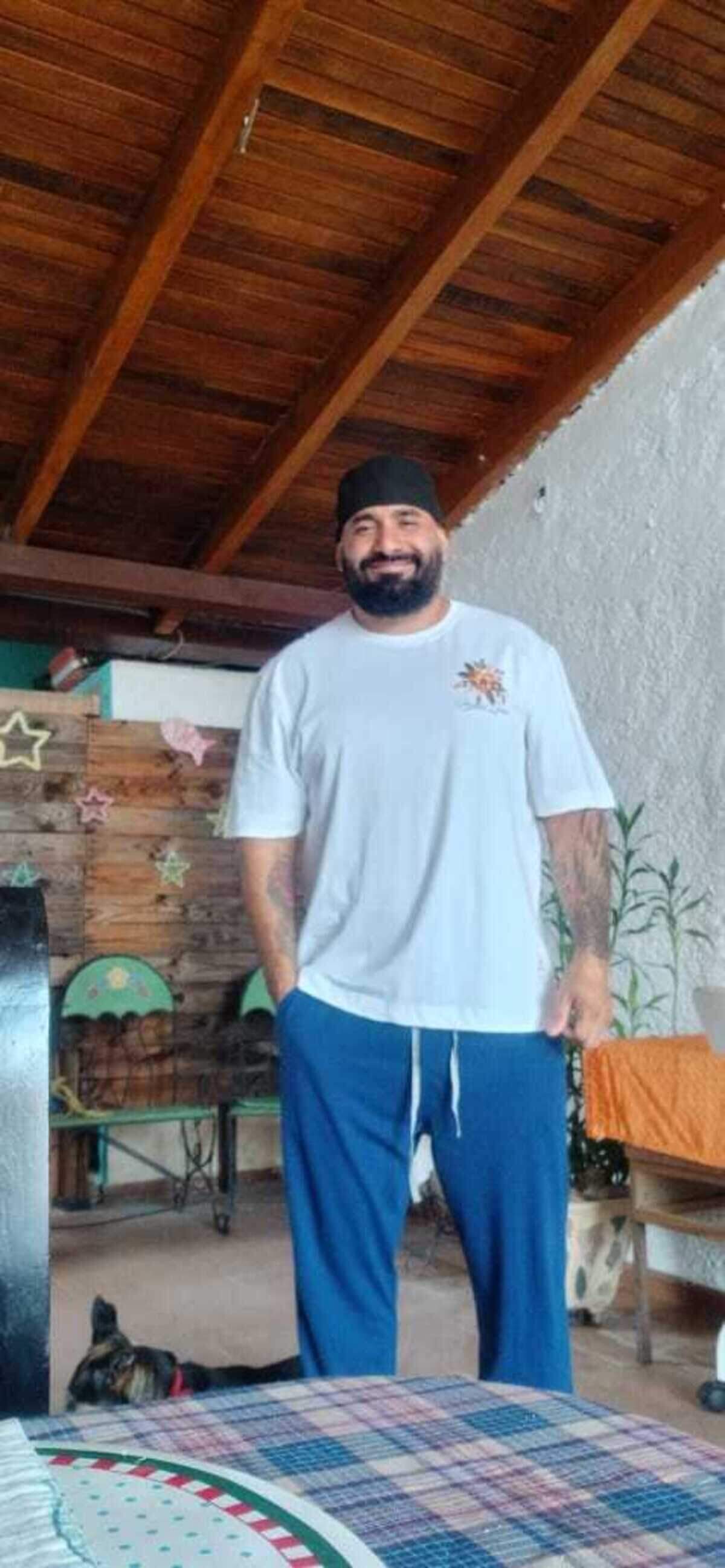
He said he stepped out of the bathroom and managed to grab onto a column. But when the building collapsed, the structure pitched forward and the roof came crashing down on top of him.
‘I ended up like a sandwich’
Petit said he did not suffer any fractures or broken bones, but explained that the bathroom ceiling was made of sheet panels that shattered into sharp fragments, leaving cuts all over his body. At the time, he did not realize he had been injured.
Three of the men who had been with him in the bathroom died when the building collapsed, he said.
Everything went dark.
He remained trapped for 12 hours.
During that time, his left hand was immobilized and his left leg would not respond, although it was not pinned beneath the rubble. A concrete block also pressed his chest against the wall.
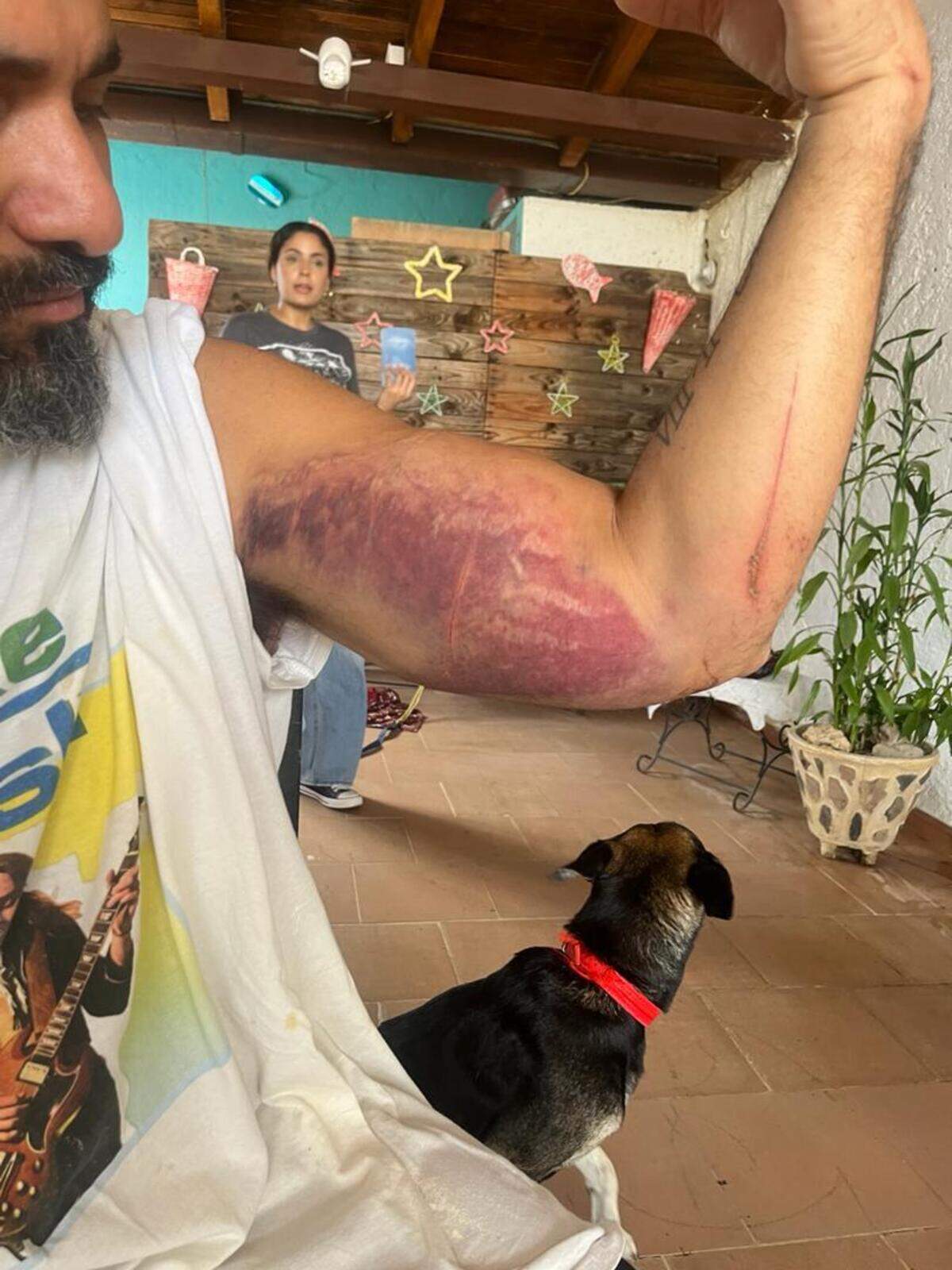
Little by little, he managed to push it away, relieving some of the pressure.
“I spent 12 hours trapped there, and during all that time everything was complete darkness. I asked God for patience and strength. I kept saying, ‘My God, what do I have to do to survive this? I can’t die like this,’” he told el Nuevo Herald from Valencia, in northwestern Venezuela.
‘I thought I was going to die there’
Petit was rescued by a man he believes was with Venezuela’s Civil Protection agency.
He said the rescuer arrived carrying a chisel, a sledgehammer and a power tool capable of cutting through beams and sections of concrete.
By then, Petit could barely move his head more than a few centimeters because there was almost no space between him and the collapsed roof.
While he waited to be rescued, an aftershock struck.
The tremor caused the rubble to shift even closer, leaving him with even less room to move.
“I thought I was going to die there,” he recalled.
The rescuer worked his way through the debris until he reached those trapped beneath it. Using the tools he had brought, he managed to rescue five people alive, including Petit.
He eventually broke through the lower section of the structure on which Petit was pinned, creating enough space to pull him out alive.
Walking out of the rubble
The 44-year-old survivor said that of the five people rescued alive that day, he was the only one able to walk out on his own. The other four were carried away on stretchers.
After his rescue, he discovered he had nine wounds, five of them deep enough to require stitches. They were treated later at a private clinic in Valencia after his relatives traveled to La Guaira to bring him home.
His brother, Johan Petit, told el Nuevo Herald that the day after the earthquake, the family received a call asking them to go to Pérez Carreño Hospital in Caracas, where Joscar had been transferred following the rescue.
Until then, they had received no information about his whereabouts or condition.
Concerned, Johan asked how his brother was doing.
“They told me, ‘Your brother is fine. He’s walking and he’s talking,’” he said.
When the family arrived at the hospital, they found him completely naked, covered in mud and cuts.
Petit is still recovering but says he feels powerless because he can no longer provide for his wife and their two daughters, ages 11 and 6, who remain in Nashville, Tennessee.
He also has no home or belongings left in Venezuela.
He sold everything he owned two years ago to emigrate to the United States, where he had been living under Temporary Protected Status.