Venezuela quake death toll rises to 1,450 as aftershocks hamper rescues
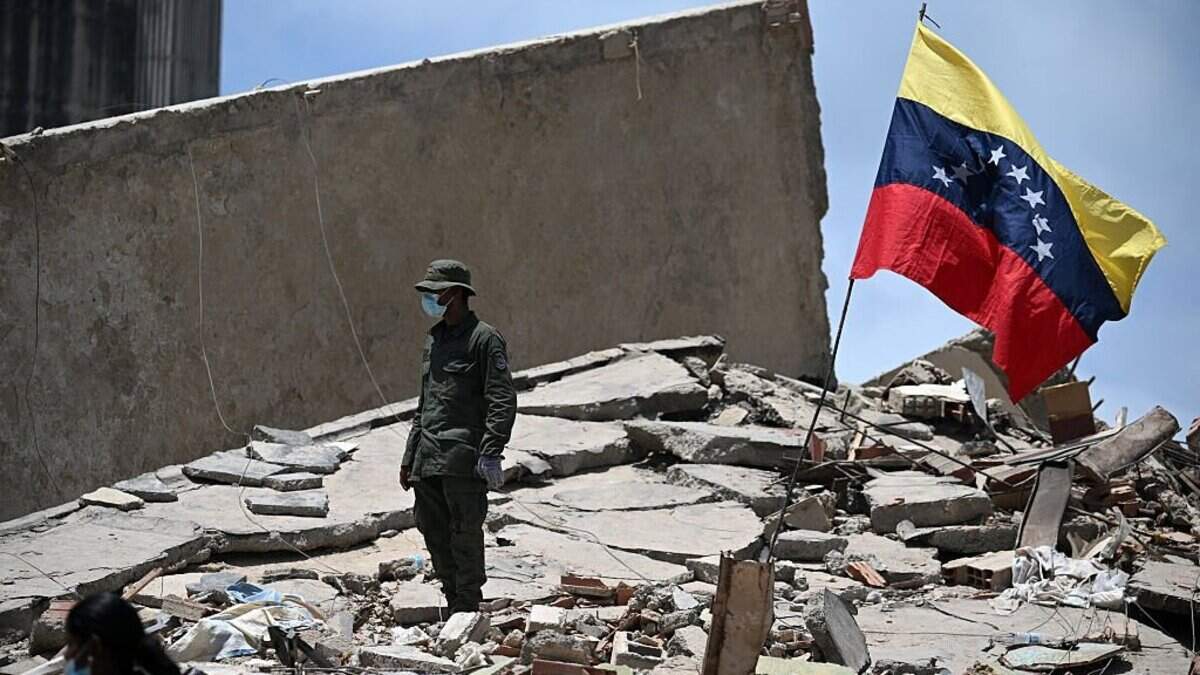
Venezuela’s earthquake catastrophe continued to worsen Sunday, with the official death toll rising to at least 1,450, as rescue crews raced against time to find survivors in the rubble and hundreds of aftershocks continued to shake the country’s northern coast.
Authorities said at least 3,150 people have been hospitalized with injuries, while 12,721 people are now officially classified as displaced, according to updated figures released Sunday by National Assembly President Jorge Rodríguez.
The new toll marks another increase in casualties from the devastating twin earthquakes of 7.2 and 7.5 magnitude, which struck Venezuela on Wednesday just 39 seconds apart, causing widespread destruction across Caracas, La Guaira, Miranda, Aragua and Carabobo.
Rodríguez said the country has now recorded 512 aftershocks since the main seismic event, a sharp increase from the 430 reported Saturday, underscoring the persistent instability in the affected region.
The continued seismic activity has deepened fears among residents already traumatized by the disaster. Many remain unwilling to return to homes that survived the initial earthquakes but may now be structurally compromised by the continuing tremors.
READ MORE: Want to help earthquake survivors in Venezuela? Here is where you can donate
In La Guaira, the coastal state hardest hit by the disaster, and in several districts of Caracas, thousands continue sleeping outdoors in plazas, parks, sports courts and makeshift camps, fearing weakened buildings could collapse without warning.
The humanitarian crisis has also worsened as the extent of infrastructure damage becomes clearer.
Officials said 774 buildings have been affected, some partially damaged and others completely destroyed. The destruction includes residential towers, apartment blocks, commercial structures and public facilities, further complicating recovery efforts.
Search for the missing continues
Beyond the official figures, the true human toll may be significantly higher.
Families inside and outside Venezuela continue desperately searching for missing loved ones. Social media, WhatsApp groups and online registries remain flooded with photos, names and urgent pleas for information from relatives who have been unable to locate loved ones since the earthquakes.
Power outages, telecommunications failures and damage to transportation networks continue to hamper reunification efforts.
To help families locate missing people, authorities launched a new online registry, localizapacientes.com, where users can search for individuals by name or national ID number to determine whether they are receiving treatment at hospitals anywhere in the country.
“Anyone from any part of the country or the world can enter the portal and search using the person’s ID number or full name,” Rodríguez said.
Authorities also activated a psychological assistance hotline — 0800-AYUDA-01 — staffed by psychologists and psychiatrists to help people dealing with trauma, grief and emotional distress.
The move reflects growing concern over the disaster’s mental health impact as thousands cope with the loss of relatives, homes and livelihoods.
As in previous days, officials stressed that time is running out for survivors trapped beneath the rubble.
Search-and-rescue experts often describe the first 72 to 96 hours after a major earthquake as the most critical window for locating survivors beneath collapsed structures. Each passing hour sharply reduces survival odds due to dehydration, crush injuries, internal bleeding and lack of oxygen.
Still, rescue teams say miracles remain possible.
Rodríguez said Venezuelan crews continue conducting what he described as an “unceasing search for people alive amid the devastation.”
Aid pours into Venezuela
International rescue operations continued expanding Sunday.
According to the latest figures, foreign governments have now deployed 2,624 international rescuers, up from 2,242 the previous day. The number of search dogs increased to 137, while international teams have contributed 49 vehicles and 84.4 tons of equipment and medical supplies.
These teams are working alongside tens of thousands of Venezuelan responders, including military personnel, police, firefighters, paramedics, doctors and psychologists.
The United States remains one of the largest contributors to the international response.
American rescue teams — including specialized urban search-and-rescue units from Miami-Dade County and the City of Miami — continue operating in the hardest-hit areas, particularly in La Guaira, where entire residential blocks in Catia La Mar, Caraballeda and Playa Grande suffered catastrophic structural failures.
Miami also remains a key logistics hub for U.S. aid flowing into Venezuela.
Warehouses across South Florida continue consolidating food, medicine, medical supplies and emergency equipment for shipment south, while the region’s Venezuelan diaspora has mobilized donation drives and volunteer efforts.
One of the biggest operational challenges remains logistics.
Although runway operations have partially resumed at Simón Bolívar International Airport in Maiquetía, damage to airport infrastructure continues to limit the volume of aid entering the country.
Reaching some of the hardest-hit areas has posed a major logistical challenge due to damage to critical infrastructure, particularly the airport system and access routes to severely affected areas such as La Guaira. Authorities have said the movement of rescue crews and humanitarian aid depends heavily on the continued clearing of routes and the restoration of transport capacity.
Constant aftershocks have also complicated rescue operations by maintaining the risk of additional collapses in already weakened structures. This has been compounded by power outages, telecommunications failures and increased traffic toward disaster zones, creating logistical bottlenecks in the movement of personnel, medical equipment and supplies.
U.S. and international teams remain focused on expanding airlift capacity so heavy cargo aircraft can continue transporting large humanitarian shipments, mobile hospitals and rescue equipment.
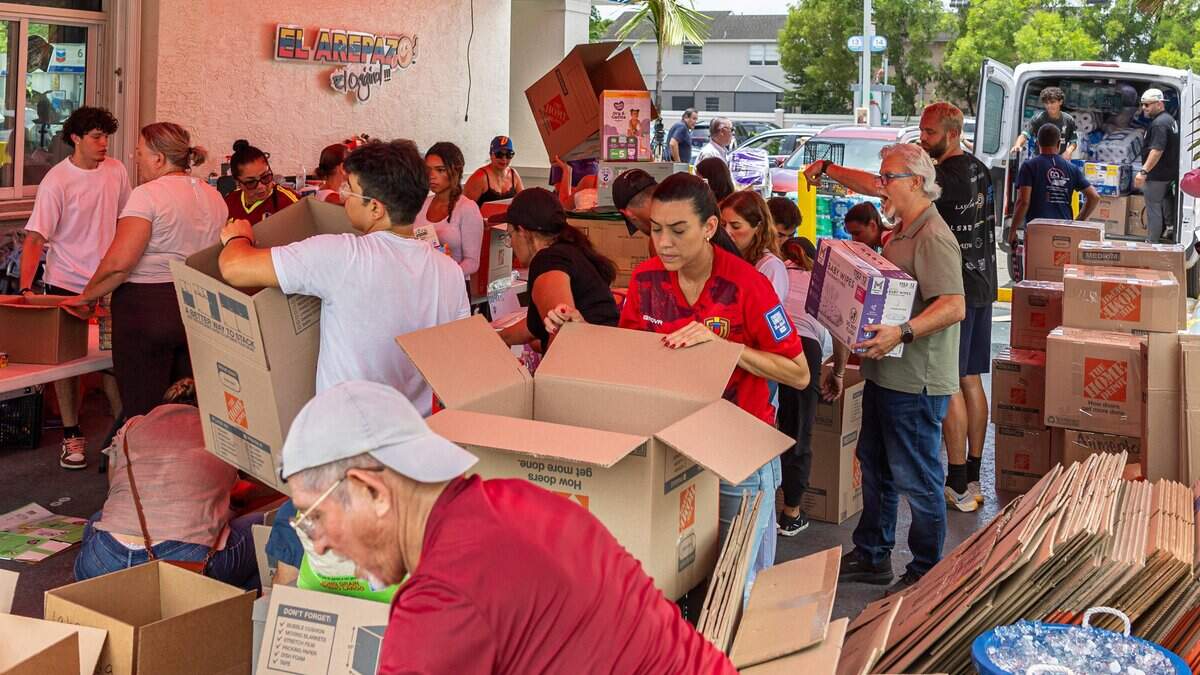
Volunteer mobilization has also surged.
Rodríguez said 7,800 volunteers have now registered through the event center known as the Poliedro de Caracas, a dramatic jump from the 2,697 registered Saturday afternoon. Authorities are organizing them into structured deployments to avoid interference with delicate rescue operations.
Officials again urged untrained civilians not to self-deploy into disaster zones.
Rescue work requires silence, careful coordination and controlled conditions, Rodríguez warned, noting that crowds near collapsed structures can slow operations and endanger both survivors and rescuers.
Authorities also continued pushing back against misinformation circulating online.
After earlier false rumors involving tsunami threats and the collapse of major transportation links, Rodríguez dismissed new viral claims about infrastructure failures, urging the public to rely exclusively on official sources.
This story was originally published June 28, 2026 at 2:39 PM with the headline "Venezuela quake death toll rises to 1,450 as aftershocks hamper rescues."