Haitians hope earthquake recovery effort does not repeat mistakes of past disasters
Magalie Dresse flew into devastated Les Cayes from the capital of Port-au-Prince on Monday to deal with tragedies all too familiar to her and countless Haitians.
The entrepreneur suffered damages to her business in the 2010 earthquake that rocked the capital. Saturday’s equally powerful quake killed two cousins and felled the 100-year-old family home on the nation’s southwest peninsula, where she vacationed regularly. With medical resources scarce, she was evacuating an elderly uncle.
As she waited at the airport, Dresse — owner of Caribbean Craft, a manufacturer of arts and crafts products — reflected on the series of natural disasters and other calamities that have befallen Haiti, and her wariness of the international attention and help that rarely sparks lasting change.
After the 2010 quake, after which NGOs and other governments promised billions of dollars in aid, she was promoted by the Clinton Foundation as an example of a business owner creating jobs and employing other women through her company. But a decade later, Dresse’s business is struggling. At one point, the Haitian government seized some of her land to make a park, preventing her business from expanding. In 2019, the business caught fire during anti-government protests and burned down.
“We don’ t need visibility. We need strategy, we need plans and we need commitment,” she said. “I found that too many times, Caribbean Craft, my company and myself, we’ve been showcased. But at the end of the day, has it really changed the life of artisans?”
In the days following the quake, many humanitarian groups who want to provide immediate and long-term help for the beleaguered nation have the same mindset: This time needs to be different.
“Recovery is a long process,” said Nadesha Mijoba, of the Haitian Health Foundation. “The sad part is there’s all this aid that arrives immediately, and then it becomes a ghost town. But there’s still a lot of suffering.”
Movement of aid
Looking back at the mismanagement of aid that arrived after the devastating 2010 earthquake and Hurricane Matthew in 2016, many in the humanitarian sector say they are committed to improving coordination across an array of non-governmental organizations to meet the needs following the earthquake that struck the nation’s southwestern peninsula and killed at least 1,419 people and injured nearly 7,000 more and help Haiti truly rebuild.
Meanwhile, Haiti’s Prime Minister Ariel Henry has issued an edict to funnel foreign aid through the country’s Office of Civil Protection, making the government in charge of donations.
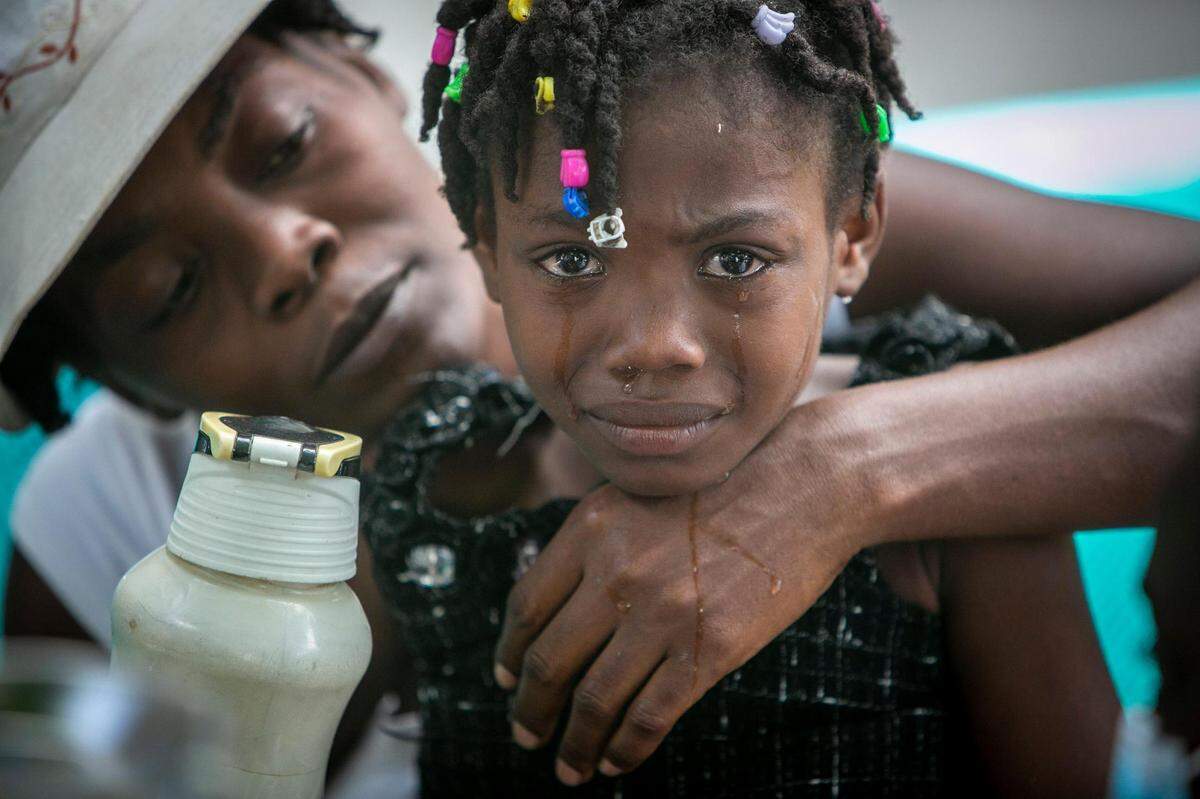
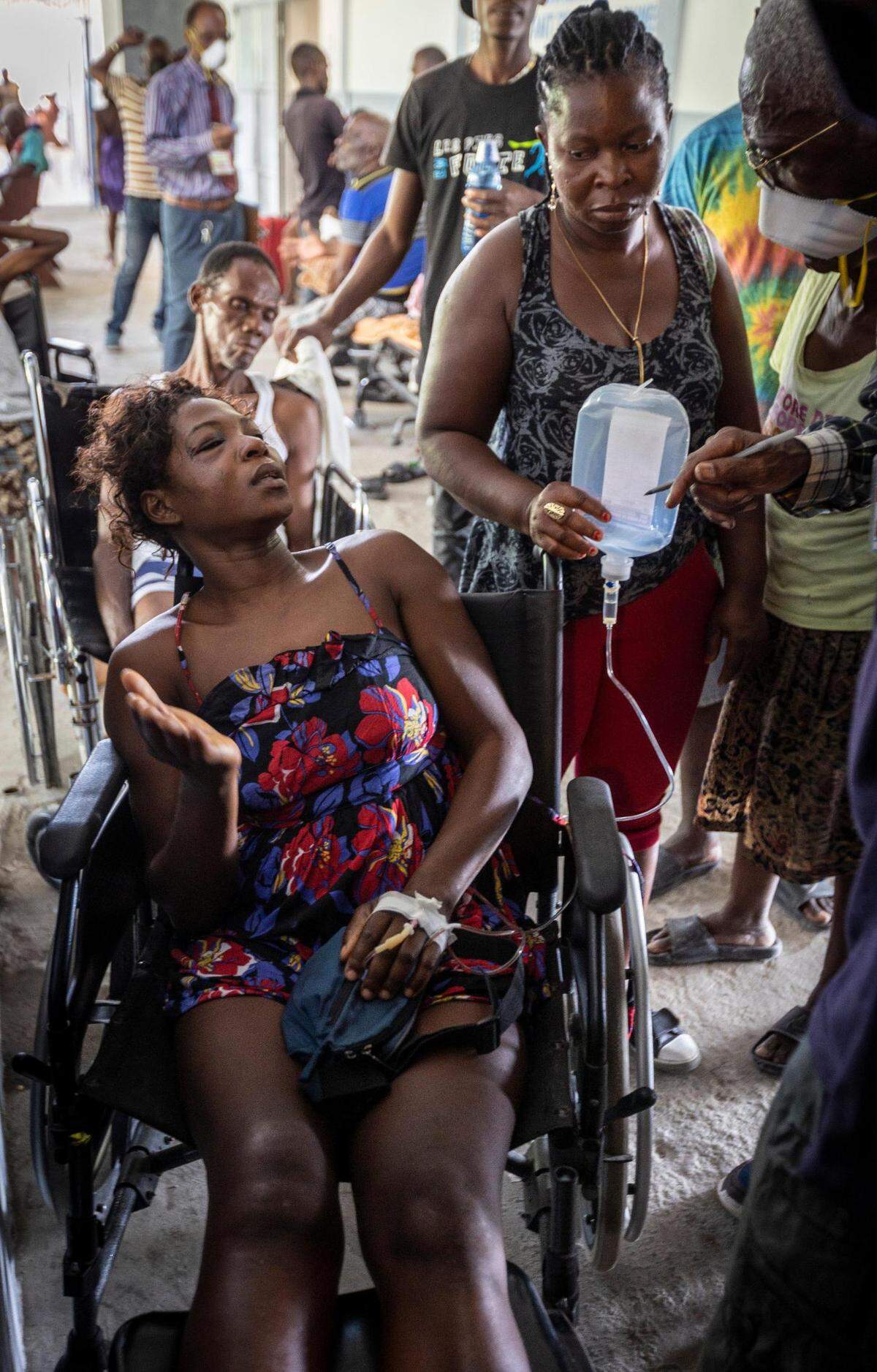
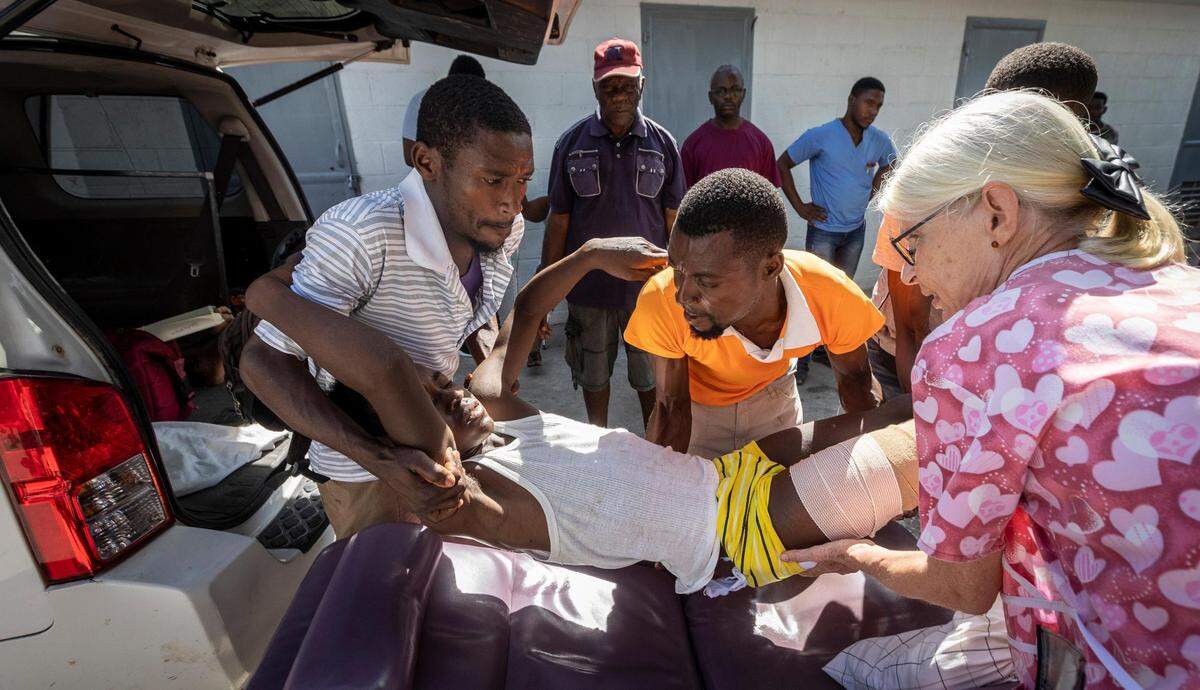
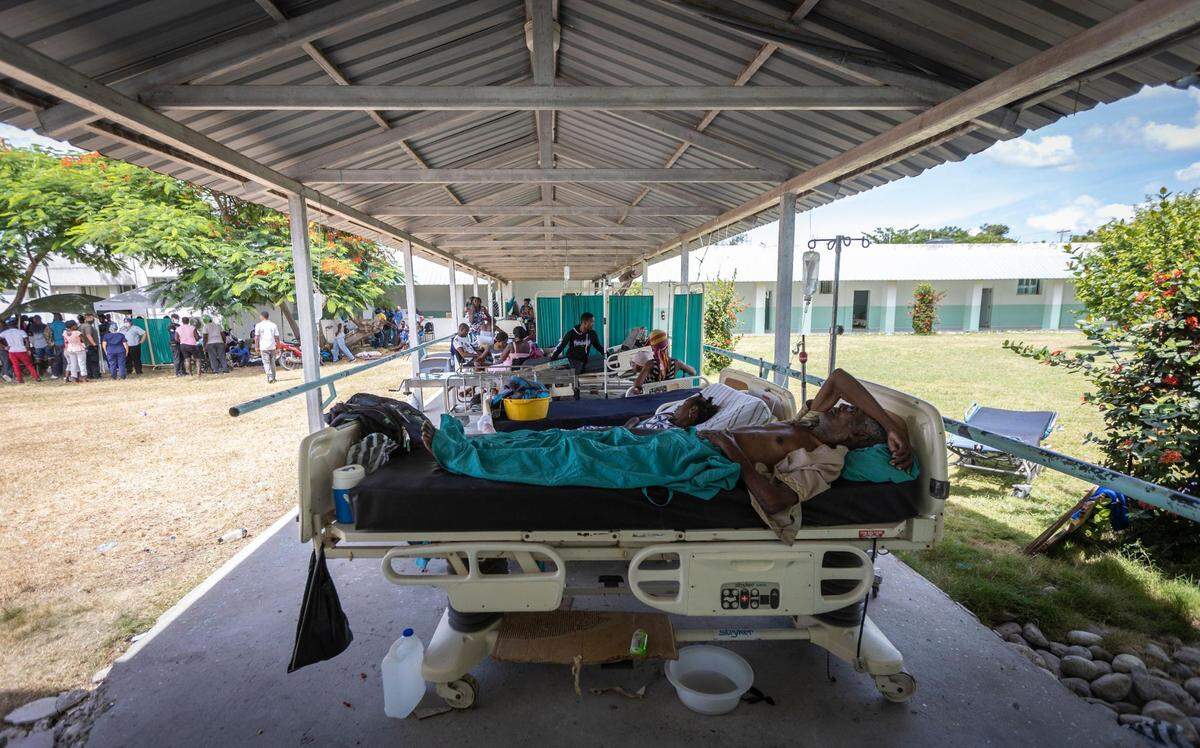
But even the triage is facing obstacles. Already, tropical weather and political instability are complicating efforts to get medical supplies, doctors, food and shelter to the injured and more than 37,000 families who lost their homes in the disaster. Aid workers in Haiti say there’s been a necessary focus on staying organized from the beginning, but badly needed supplies and medical care are not getting to cities in the southern peninsula fast enough.
And a report issued Monday by the National Human Rights Defense Network states that the government is struggling to organize assistance for victims.
“They are completely on their own,” reads the report. “Some are already starting to make personal efforts to find tents to shelter from the weather and provide for their daily needs. Hospitals and health centers are sorely short of human and material resources and the injured are desperately waiting for the care they deserve.”
What went wrong before
In the months after the Jan. 12, 2010, earthquake, billions of dollars were pledged to Haiti’s recovery. Eleven years later, with another disaster to triage, the country has not recovered from the 2010 quake — thousands of displaced people are still living in encampments, a planned general hospital in Port-au-Prince is still unfinished and the nation’s economy is in shambles.
Why? Over the years, experts have pointed to several causes. Some say the Haitian government should not have allowed nongovernmental organizations to set their own priorities and pursue projects without wider coordination. Without communication across different sectors, it was a struggle to get the right resources to the people who needed them the most in the long run.
When a consortium of international governments and private donors pledged $13.3 billion toward Haiti’s recovery, some projects were completed while others were plagued with oversight issues and criticized for ignoring Haitians’ practical, immediate needs. It took more than nine months and haggling with the World Bank to fund the removal of rubble in Port-au-Prince. A government audit alleged embezzlement of billions meant for road rehabilitation projects.
In the long term, some international donors declined to invest in small- and medium-sized businesses that would have created jobs and added to Haiti’s economy.
Some economic investment missed the mark. An industrial park north of Port-au-Prince touted by former U.S. President Bill Clinton, a key figure in the recovery effort, did not deliver the economic catalyst that was promised, providing far fewer jobs than initially forecast. In an interview with the Miami Herald in early 2020, Clinton defended his record in Haiti, saying that outsiders and politicians took advantage of the situation, and the lack of a formal land titling system stymied some of the rebuilding efforts.
After Hurricane Matthew battered the island in 2016 and wiped out agricultural crops in the southern peninsula, another problem arose: The fair and orderly distribution of aid. The uneven distribution of supplies after Matthew led to outbreaks of violence.
Mijoba, who is based in Jeremie and saw firsthand some of the immediate chaos that followed Saturday’s quake, said organizations that are already in the community can help outside aid reach Haitians.
“These groups can facilitate the access to the community to avoid more destruction, to avoid more panic, to avoid people beating on people to fill a bag of rice,” she said.
Coordinating help
For Haiti-based workers such as Mijoba and Akim Kikonda, of Catholic Relief Services, being on multiple planning calls with other organizations since Saturday is an encouraging start and marked difference from previous disaster responses because of the increased communication.
“Being on call organized by the United Nations with humanitarian organizations to make sure that we coordinate, that would be, for me, the biggest and most tangible change from what happened in 2010,” Kikonda said.
Still, the immediate aftermath has hospitals overflowing and some cities in dire need of clean water. Many have slept outside, fearful of going back into their homes, while Tropical Depression Grace pushed toward the peninsula. In Les Cayes, basic medical supplies were scarce Monday. There’s a shortage of doctors, and split roads make safe travel difficult.
Logistics are challenging. Multiple groups are sharing a barge to take people and supplies from Port-au-Prince to the peninsula, a strategy to avoid any risks with traveling through the gang-controlled area between the capital and the cities hit hardest by the earthquake. Even though gang leaders have agreed to allow safe passage for humanitarian vehicles and some organizations have already used the road, but some groups will use the barge.
Leaders of South Florida’s Haitian-American community are meeting Monday night to coordinate efforts and determine a plan for sending relief. Gepsie Metellus, executive director of the South Florida Haitian-American organization Sant La, said she’s skeptical of Henry’s edict because of Haiti’s political instability. Still, in a moment of crisis, groups like hers will have to work through official channels and hope the government acts as a good and trustworthy facilitator.
“They’re the ones on the ground now,” she said. “They’ve wanted to lead the country. Here’s an opportunity to lead.”
Past the initial crisis, Haitian proprietors will seek smart, long-term investment — and fewer bureaucratic obstacles — that could heal economic scars.
“I want to rebuild,” said Roger Martin Augustin, owner of a hotel and supermarket in Camp-Perrin. Augustin lost two employees when his supermarket collapsed along with parts of his hotel and employee quarters. He estimates his losses to be in the millions of dollars.
“Over here we have no help,” he said.
This story was originally published August 17, 2021 at 6:00 AM.