Caribbean governments are trying to show support for Cuba. Not everyone is on board
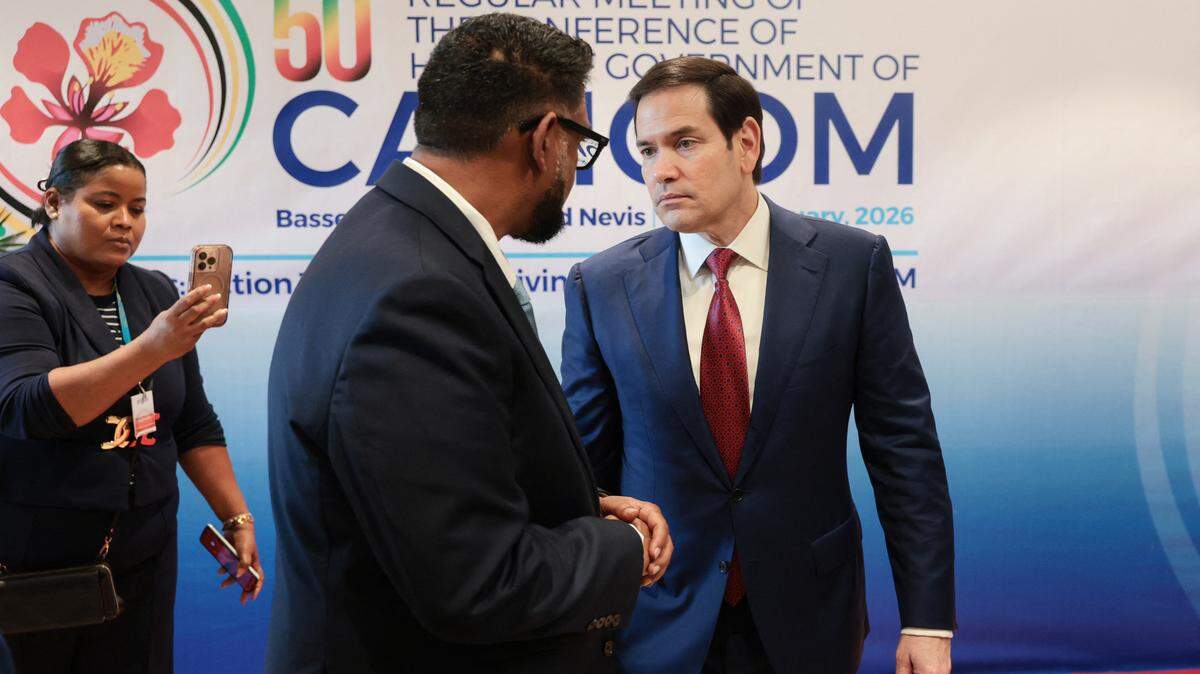
Caribbean foreign ministers reaffirmed their support for Cuba on Wednesday, but their statement backing Havana also shows the growing divisions over the Trump administration’s policies toward their longtime ally and over broader U.S. policy in the Caribbean.
In a declaration issued at the conclusion of a meeting in Suriname, the Council for Foreign and Community Relations of the Caribbean bloc known as CARICOM condemned the Trump administration’s escalating pressure campaign against Cuba while reiterating that the Caribbean must remain a “Zone of Peace.”
However, Guyana and Trinidad and Tobago withheld support for the statement. The rare move underscores how Washington’s policies toward the region are increasingly dividing the 15-member bloc, which has long prided itself on being a unified force. It also is a sign of how Cuba’s decades-long dictatorship is increasingly complicating the foreign policy of its neighbors.
“Cuba poses no threat to any nation,” the CARICOM statement said, adding that Cuba “stands as a peaceful and cooperative member of the international community.”
The statement opened by warning that worsening hardships on the island are affecting Caribbean nationals studying and living there, and are being exacerbated by the United States’ decades-long embargo.
Since President Donald Trump’s return to office he has intensified pressure campaigns against both Cuba and Venezuela, policies that have increasingly placed Caribbean leaders at odds with one another and fostered different approaches toward Washington.
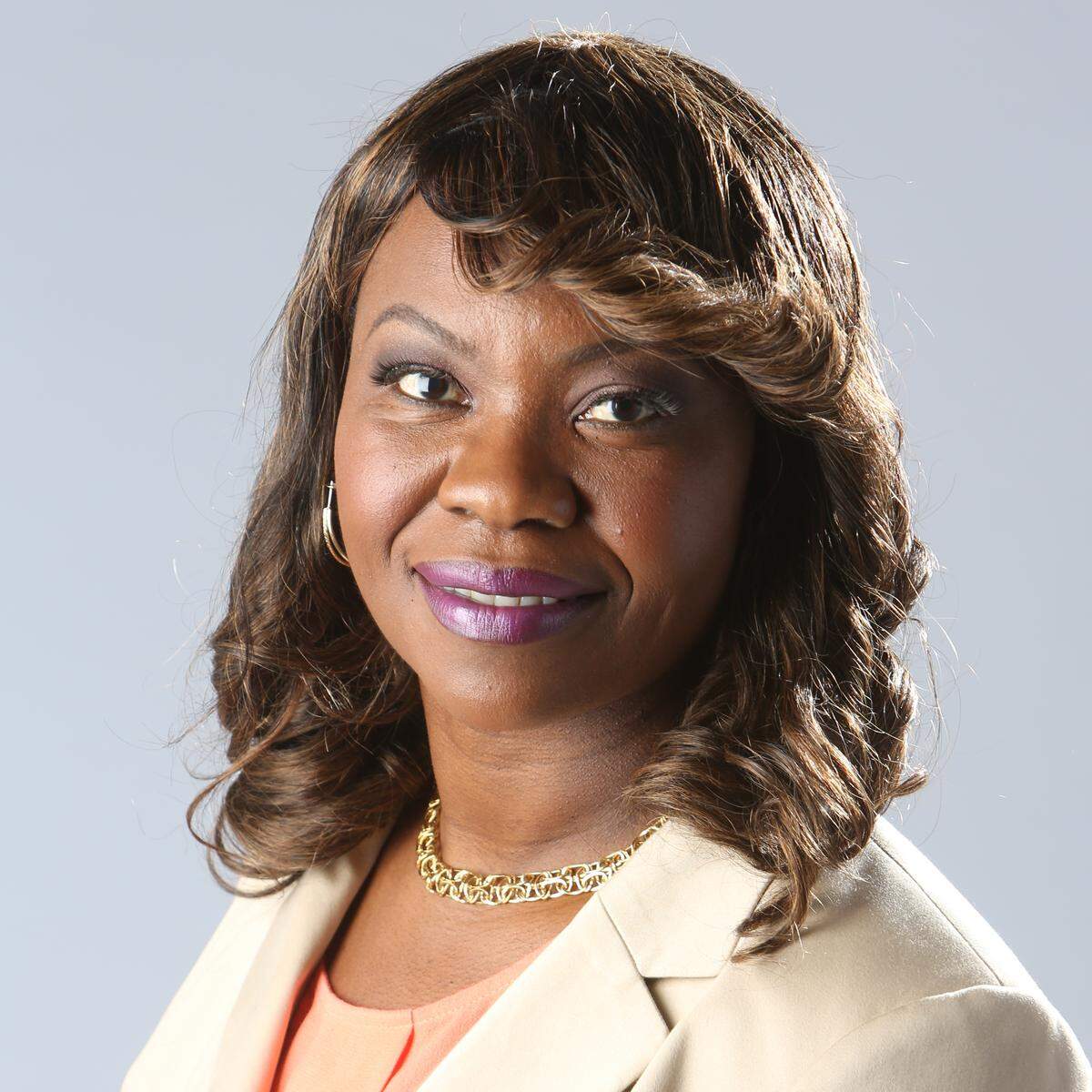
While Trinidad and Tobago Prime Minister Kamla Persad-Bissessar, for example, has openly aligned herself with Trump’s regional security agenda, including his campaign targeting Venezuelan leader Nicolás Maduro, Guyana’s President Mohamed Irfaan Ali has pursued a more quiet diplomacy while enjoying U.S. support in an ongoing territorial dispute with Venezuela over an oil-rich territory.
Persad-Bissessar publicly endorsed the maritime interdiction operations in the Caribbean that the White House said were aimed at drug traffickers, and earlier this year during a CARICOM summit in Saint Kitts and Nevis she publicly broke with regional leaders pushing for humanitarian assistance to Cuba.
Her position came as a number of Caribbean governments found themselves under immense U.S. pressure to end their long-standing relationship with Cuba’s medical brigades, while publicly expressing fears about the country’s humanitarian crisis spilling into the region.
The U.S. has long held that the Cuban doctors working abroad are in essence indentured servants, because the governments of the countries where they are stationed pay the Cuban government for the services, and in turn Havana pays the medical workers a pittance.
Ali had refused to take a public stance on the diplomatic disputes. But back home, his government was quietly attempting to restructure an agreement over Cuban doctors working there. The move ultimately resulted in Havana withdrawing its medical mission from Guyana after more than 50 years.
Despite their differing approaches to Washington, Persad-Bissessar and Ali were the only two leaders from the English-speaking Caribbean invited earlier this year to President Trump’s Shield of the Americas summit in Doral.
‘Profound concern’
In their statement Wednesday the Caribbean foreign ministers expressed “profound concern regarding the ongoing and intensifying economic, commercial and financial measures” being imposed upon Cuba.
“The mounting hardships facing the Cuban people also seriously impact CARICOM nationals studying and living in Cuba, whose well-being remains a priority for the Community,” the statement said.
The Caribbean Community has long opposed the United States’ economic embargo against Cuba and the foreign ministers reiterated that position. They noted that the ongoing measures “compound the trade and economic embargo imposed on Cuba for over six decades, which has had a deleterious effect on the lives and livelihoods of the Cuban people.”
The statement, while refraining from mentioning the U.S. or Trump by name, also said the council “unequivocally affirms Cuba’s sovereign right to import and receive fuel, and condemns the obstruction of energy supplies to Cuba, which has precipitated a grave humanitarian crisis.”
The U.S. has imposed a virtual blockade on oil shipments to Cuba, and the island’s energy minister recently said the country has completely run out of fuel.
The Caribbean ministers said they are alarmed by recent statements suggesting the possibility of U.S. military aggression against Cuba.
“Any such action would inflict unnecessary human suffering, impose grave material costs, and fundamentally destabilize the security architecture of the entire Caribbean region,” the statement said. “The continued application of these unilateral coercive measures constitutes an unjustifiable violation of human rights, the principles of free trade, and the fundamental norms governing relations among sovereign states.”
Cuba has been a top priority for the Trump administration, which last week announced the indictment of longtime Cuban leader Raúl Castro. The Justice Department announced in Miami that a federal grand jury had indicted Castro, who turns 95 next month, in connection with the 1996 shoot-down of two civilian aircraft belonging to the exile group Brothers to the Rescue.
Havana’s response
Two days later, Havana condemned the indictment, calling it “despicable.”
“This constitutes yet another political provocation, entirely lacking legal basis and aimed at constructing arguments to justify a policy of greater confrontation against the Cuban nation,” the Cuban embassy in Nassau, The Bahamas, said in a note it sent to journalists.
Cuban officials said the U.S. government lack the legitimacy and jurisdiction to carry out their action. They also accused the U.S. of basing the move on “ the dishonest manipulation of the incident that occurred in February 1996, which led to the downing, within Cuban airspace, of two aircraft operated by the Miami-based terrorist organization ‘Brothers to the Rescue.’ “
Cuban authorities had filed numerous formal complaints during that period with the State Department, the U.S. Federal Aviation Administration and the International Civil Aviation Organization, the statement added, “regarding more than 25 serious and deliberate violations of Cuban airspace committed by the cited organization between 1994 and 1996, in blatant transgression of international law and U.S. legislation itself.”
T
This story was originally published May 27, 2026 at 7:07 PM.