Caribbean leaders gather for annual meet amid U.S. pressure, regional strains
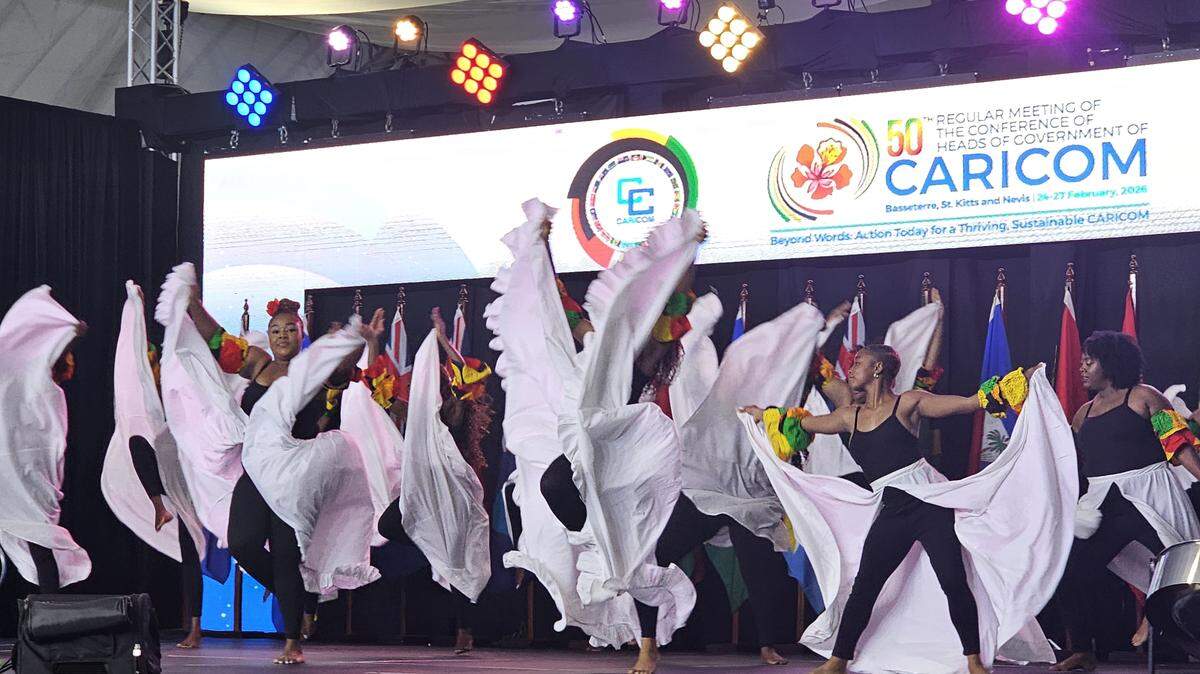
Caribbean leaders opened a four-day summit Tuesday in their smallest sovereign state amid mounting regional tensions and fragmentation, pressure from the United States and a changing global landscape.
At the heart of the gathering of the 15-member Caribbean Community, known as CARICOM, are questions about the relevance and value of the region’s decades-old integration movement. The bloc is facing pressure from Washington to accept asylum seekers rejected by the U.S., sever ties with Cuba and align more closely with American foreign policy — demands that have exposed divisions among member states.
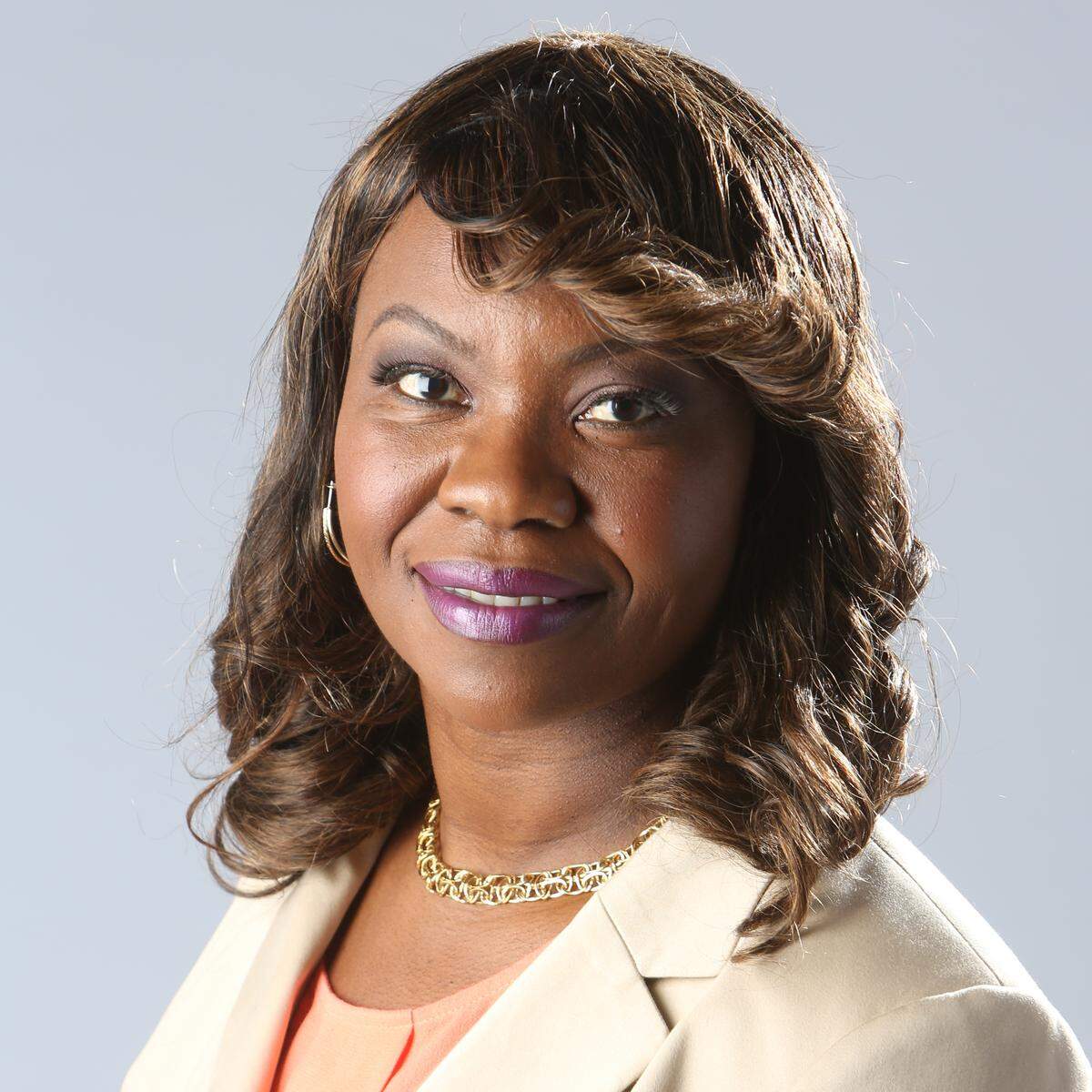
“We respect the sovereign right of CARICOM members with respect to your choice for national security for your nation and respect your choice of foreign policy,” Trinidad and Tobago Prime Minister Kamla Persad-Bissessar said during an address. “We expect no less for ours.”
Persad-Bissessar has been at the center of a political storm within the bloc over her strong support for the Trump administration’s military actions in the southern Caribbean, which culminated last month in the capture of Venezuelan strongman Nicolás Maduro. When the administration targeted two Caribbean nations and placed them under a partial visa ban, citing concerns about their Citizenship by Investment programs, she became embroiled in a public dispute that many feared could further strain the regional alliance at a moment when unity was seen as essential.
She calmed speculation Tuesday that her oil-rich nation would break away from the bloc. But even as she reaffirmed her commitment to CARICOM and to cooperation with the U.S., Persad-Bissessar delivered a blistering rebuke of fellow leaders in a rambling speech that listed a series of grievances.
Among them, she cited what she described as an unanswered inquiry to the Guyana-based CARICOM secretariat after a Trinidadian citizen was kidnapped in 2022 by another member state. She also criticized what she called the region’s silence when Trinidad and Tobago and neighboring Guyana were threatened by “a narco-dictator who imprisoned and killed thousands of civilians and opposition members” — a reference to Maduro.
Thanks to President Donald Trump, Secretary of State Marco Rubio and the U.S. military, Trinidad was able to stand firm against Maduro, Persad-Bissessar said. “The U.S. is not undermining the CARICOM region. T and T will continue to cooperate with the U.S. in the best interest of our citizens to drive … destructive forces out of our country, out of region.”
The prime minister also accused unnamed Caribbean governments of deploying “political” actors to actively and openly campaign against candidates in other countries to assist allied parties and governments.
“I don’t think that is right,” she said. “That has led to what I say is unneeded factional divisions. Private conflicts between regional leaders and political parties... hinder the progress of the CARICOM.”
Before concluding, Persad-Bissessar also raised contradictions in the bloc’s stance on Cuba, a country still run by a communist regime but enjoying the support of democratic governments in the Caribbean.
“Every leader in this room was elected by a free and fair democratic election everyone,” she said. “The Cuban citizens have no rights to free and fair elections.”
This week’s meeting marks the 50th gathering of the regional bloc, which Prime Minister Andrew Holness of Jamaica said demands “honest reflection” at a time when “the speed of global change is outpacing the speed of regional coordination.”
Among the challenges facing the region, he said, are climate shocks, increasingly sophisticated criminal networks and other transnational threats.
“The question before us therefore is not whether CARICOM can endure, for we have, and we will, but whether it can deliver for our people with urgency and relevance in a rapidly changing world,” he said.
Holness, who until December served as chairman of the group, had largely stayed out of the fray as leaders engaged in the diplomatic dispute after the U.S. targeted the eastern Caribbean nations of Antigua and Barbuda and Dominica supposedly over their Citizenship By Investments programs.
Now, he said, is not the time for divisions.
“CARICOM is not, and has never claimed to be, a political union,” he added. “Our charter does not mandate a singular foreign policy for a supernational authority, and because we are sovereign states, each accountable to our own electorates, we will at times assess risks differently, sequence priorities differently or interpret geopolitical opportunities differently.”
That, he stressed, is not a sign of weakness but “the natural expression of sovereign democracies navigating an increasingly turbulent global environment.”
“Every member of CARICOM has the right to decide how best to defend its territory,” he said.
Leaders at the opening session acknowledged the fractures that have surfaced, but also called for more effective cooperation. The bloc is bracing for a visit from the Rubio, scheduled to arrive on Wednesday at CARICOM’s invitation.
Veteran and newly elected leaders alike cited climate change and rising violence as among their greatest threats. They also pointed to crises in Haiti and Cuba as potentially destabilizing forces in the Caribbean.
Haiti is a CARICOM member, and its prime minister, Alix Didier Fils-Aimé, is attending his first gathering. Cuba is not a member but has long maintained close ties with several Caribbean governments.
Terrance Drew, the host prime minister, acknowledged the recent disagreements but urged leaders to resist fragmentation.
“A world without CARICOM would be culturally poorer, intellectually diminished, and spiritually less vibrant,” he said.
He reminded leaders of the region’s global contributions — from Nobel laureates and world-class athletes to labor-rights pioneers and the revolutionaries of Haiti
“Our contribution has been significant to the point where a founding father of the United States of America, his excellency the honorable, God Bless his soul, Alexander Hamilton was born in this Caribbean basin,” Drew said. “He was born on the island of Nevis. That is our significant contribution to the world..
This story was originally published February 24, 2026 at 9:54 PM.