
Another island-wide blackout in Cuba, as power grid collapses amid energy crisis
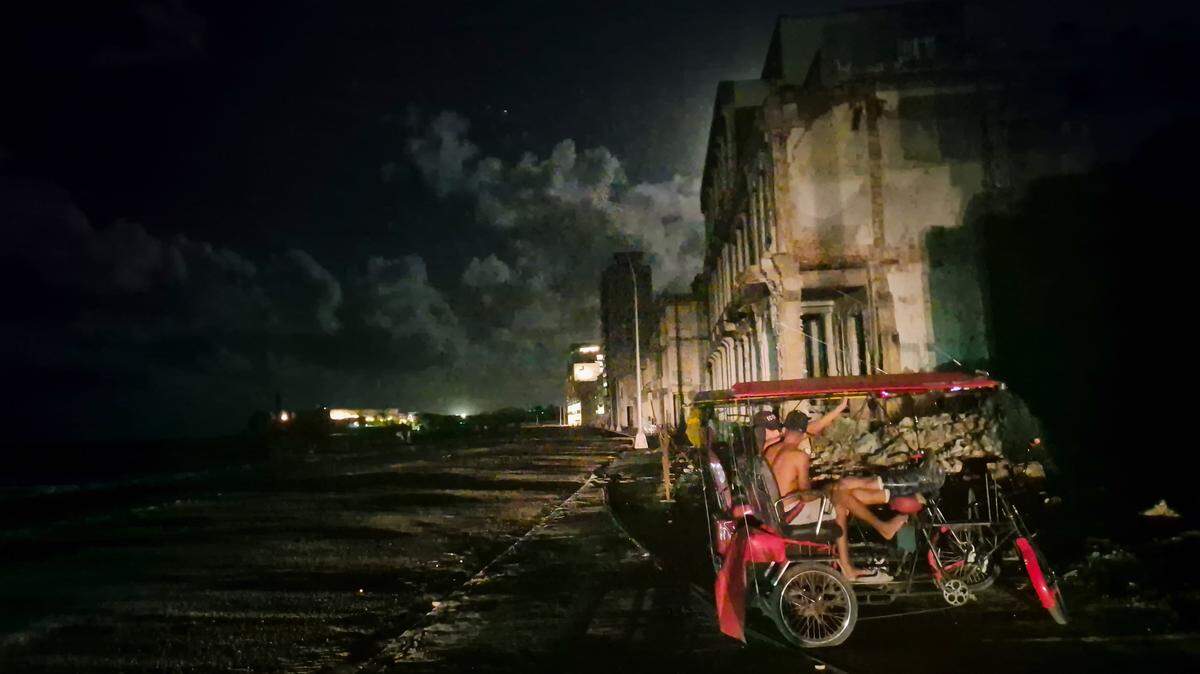
In what has turned into a regular occurrence, Cuba’s power grid collapsed on Wednesday morning, another in a series of electricity outages in the past year across the entire island.
The National Electric Union (UNE), the state’s electricity company, announced on its social media accounts that “a complete shutdown of the national electricity grid” happened at 9:14 a.m. As in the past, the company cited the disconnection of the Antonio Guiteras power plant in Matanzas as the trigger for the systemwide collapse.
Manuel Marrero, the country’s prime minister, published a photo of himself at UNE’s headquarters shortly after and said the company’s engineers had a “well-defined strategy to face this situation.” Cuban state media reported that the director of the Guiteras power station said that “an overheated steam false signal caused the boiler’s automatic system to be disarmed, and thus the power plant to exit” the grid.
The general outage follows an incident on Sunday when another failure darkened several provinces in eastern Cuba due to a transmission line failure.
Cuba’s entire grid has entirely collapsed at least four times since last October, with the blackouts at times lasting several days due to repeated failures to reconnect the system. Frequent breakdowns of the decades-old power plants and hours-long power cuts have become a daily occurrence across the island in recent years, as the government neglected maintenance of energy plants and other system components for many years.
Since last year, the electricity company has been able to meet only about half the daily demand because of oil shortages and power plants going offline, authorities have said. The crisis has taken a toll on the Cuban population and sparked protests, crippled the economy and affected tourism.
The Cuban government has blamed the energy crisis on U.S. sanctions, pointing to sanctions on vessels transporting oil from Venezuela to Cuba and the general effect of the U.S. embargo in denying financial resources to the government. The U.S. sanctions, however, appear to have done little to deter the shipments from Venezuela, which continued, though at a lower pace because of Venezuela’s own production problems and decisions to prioritize dollar sales. A recent Miami Herald investigation revealed that the Cuban military-run conglomerate GAESA held massive dollar reserves last year that could have been used to update the country’s old energy infrastructure.
Lately, the left-leaning Morena government in Mexico has stepped in to send oil to Cuba. Mexican state oil company Pemex sent one billion dollars in subsidized oil to Cuba between July 2023 and September 2024, according to an investigation by a Mexican civil society organization focused on exposing corruption. It sent another $850 million between May and June this year, the report says.
The Cuban government has touted a project funded by China to install over 50 solar farms that it says would generate as much as half of the needed demand. But the pace of the project has been slow. Earlier this year, two Turkish-owned power ships that were supplying energy to Cuba left due to lack of payments.
This story was originally published September 10, 2025 at 12:01 PM.