
A Biblical “deluge”: Idalia trashes Western Cuba with heavy rains and flooding
It is not your average hurricane story when Granma, Cuba’s Communist Party newspaper, quotes the Bible.
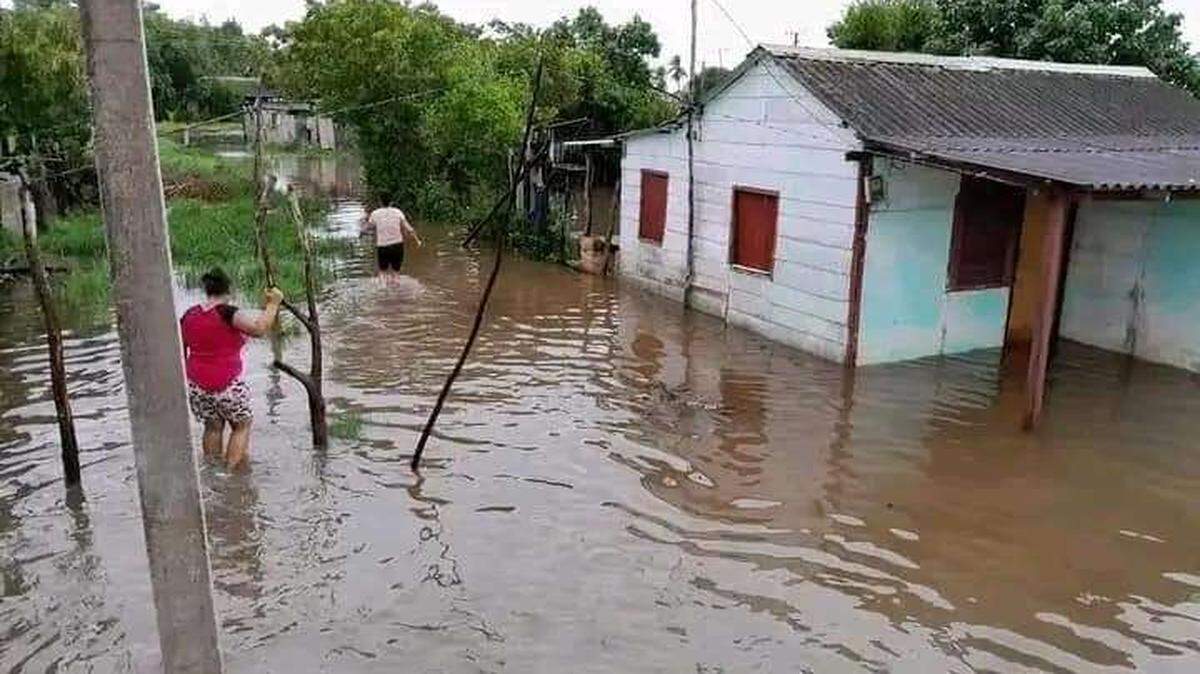
But the heavy rain that Idalia, now a Category 1 hurricane, has been pouring over Western Cuba on Monday night and Tuesday, leaving residents in several towns wading in knee-high water and small rural communities incommunicado, prompted a reference to the Great Flood.
Idalia strengthened as a hurricane soon after its center passed very close to Cape San Antonio, the island’s westernmost tip in Pinar del Río province, around 9 p.m. on Monday. A weather station there reported hurricane wind gusts of 78 miles per hour. But Cuban meteorologists warned the worst was still to come from Idalia’s spiral rain bands and the storm surges later Tuesday before the hurricane moves to hit Florida next.
Cubans in the province of Pinar del Río, Granma said, quoting the book of Genesis 7:11, woke up on Tuesday morning with the sensation that “all the fountains of the great deep burst forth, and the windows of the heavens were opened.”
Images shared by local media outlets and foreign news agencies show people being evacuated from flooded homes, downed trees, damaged buildings, and streets covered by water in several towns in Pinar del Río and nearby Artemisa.
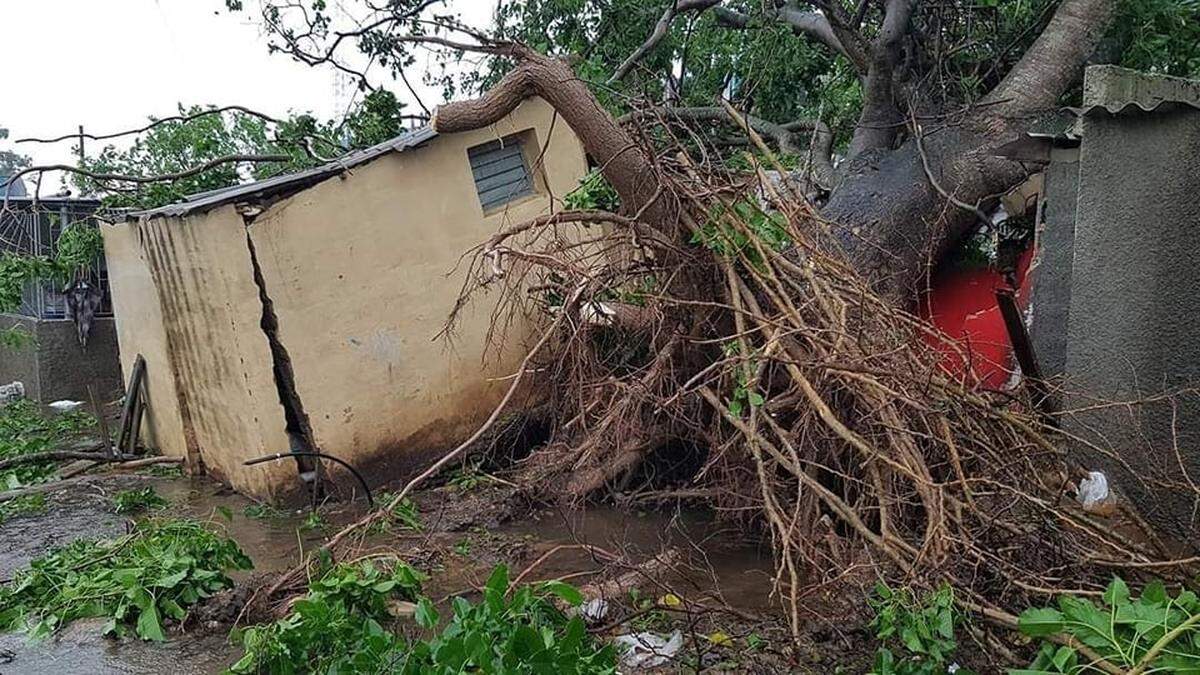
Residents in Playa Guanimar, in Alquizar, had to be quickly evacuated because of coastal flooding on Monday afternoon. The Cuyaguateje River in Pinar del Río overflowed its banks and left residents in rural communities in the Guane municipality incommunicado.
Eighty percent of residents in Pinar del Río, over 117,000 in Artemisa and more than 40,000 in the capital, Havana, have no electricity, the state electricity company said. In some areas of Artemisa, phone lines and wifi were also down.
Bands of rain were still trashing Cape San Antonio on Tuesday morning. Local authorities said the storm flooded the area, and the 63 residents who spent the night at a weather radar station facility were still there.
So far, there are no reports of fatalities and little information on damages to housing and agriculture. Local newspaper Guerrillero published images of banana trees downed by the storm in a cooperative in Los Palacios, in Pinar del Río. Previously, authorities said they were working to safeguard 18,000 tons of tobacco in that province.
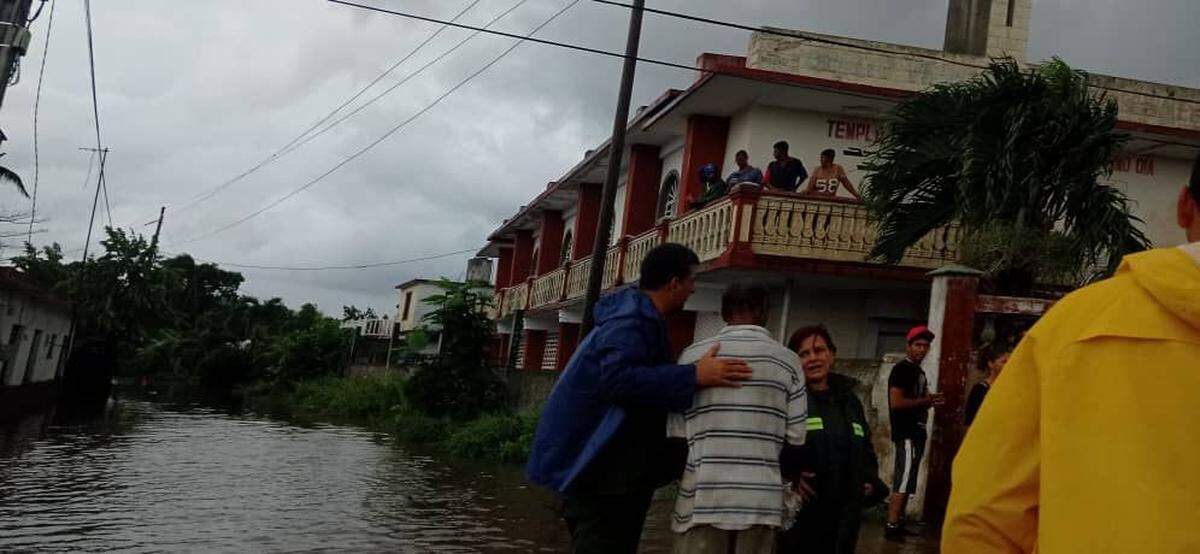
Cuban state media has shown local authorities busy traveling to the affected areas as the coverage highlighted that the government response was swift and well-planned. Granma showed Division General Ramón Pardo Guerra, the head of Cuban Civil Defense, a military agency dealing with weather emergencies and other major events, meeting residents in La Coloma, in Pinar del Rio, a small town battered by Hurricane Ian last year.
Victims of Ian, a much more powerful Category 3 hurricane that also barreled over Western Cuba with catastrophic results, complained that they received little warning and aid from Cuban authorities. A year later, 60,000 houses damaged by Ian have not been repaired or rebuilt.
This story was originally published August 29, 2023 at 3:10 PM.