
Western Cuba to take the brunt of yet another hurricane as Idalia nears Pinar del Río
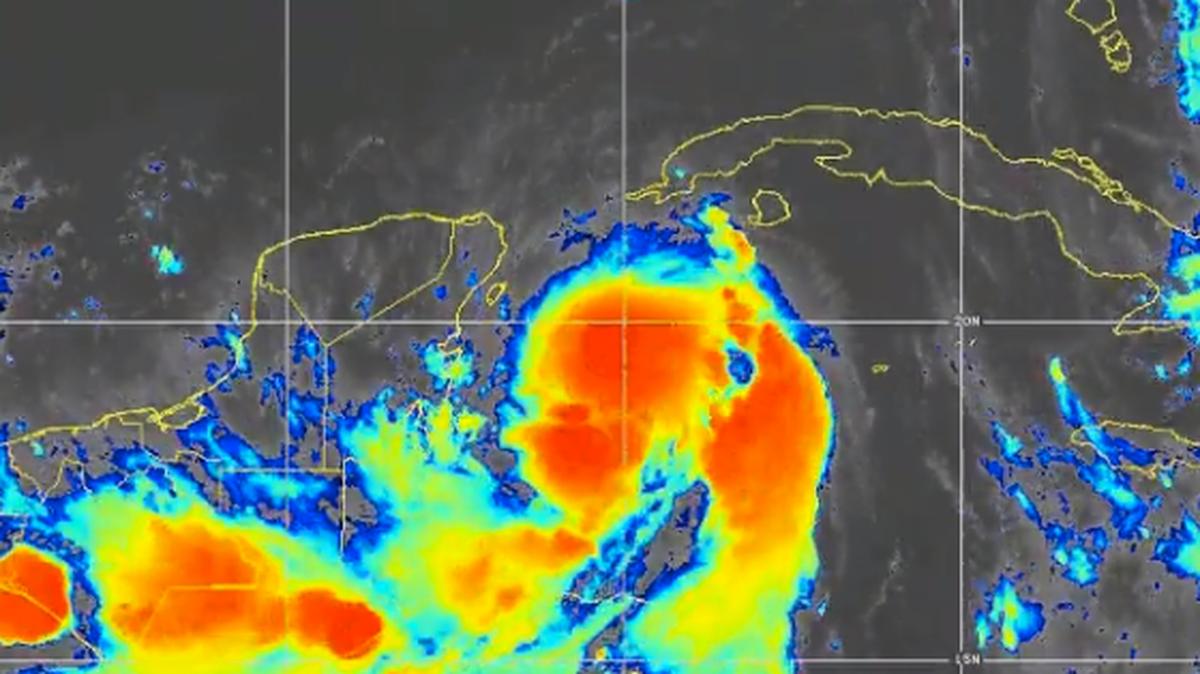
Still reeling from the destruction left by Category 3 Hurricane Ian last year, Cuba’s westernmost province of Pinar del Río will be hit by another storm, Idalia, which is on a path to become a hurricane before its center passes over or near the island’s western tip on Monday evening.
Idalia was just 50 miles away from Cape San Antonio in the Guanahacabibes Peninsula, the island’s westernmost tip, at 2:00 p.m. Monday, but was moving very slowly at eight miles per hour with maximum sustained winds of 70 mph. Cuban authorities issued a hurricane warning for Pinar del Río, the nearby province of Artemisa and the Isle of Youth.
The National Hurricane Center said Idalia could bring up to 10 inches of rain in certain areas, which could lead to flash flooding and landslides across western Cuba. Several towns in Pinar del Río were reporting strong winds in the afternoon, and a local radio station published pictures of the flooded streets in Guira de Melena in Artemisa.
Cuban authorities were rushing evacuation and last-minute preparations amid the rain.
In Bahía Honda, a coastal town in Artemisa, authorities were evacuating patients to a local clinic, fearing possible flooding.
Pinar del Río’s local authorities said they were working to guarantee the distribution of bread and food to residents and safeguarding crops and state production facilities. Local newspaper Guerrillero said 8,000 people in the province have self-evacuated to family and friends’ homes following the warning from authorities.
In Cuba, citizens rely on the government for hurricane preparedness because water, food and other necessary items that Americans stock up on or use to reinforce their houses are in short supply or out of reach for most of the population.
Idalia will hit Cuba at a particularly difficult time when the cash-strapped government cannot pay for the fuel or the maintenance to properly run basic services like running water and trash removal, with piles of garbage becoming part of the landscape in Havana and other cities and some residents getting running water only a few days a week or less.
Commenting on the official news site Cubadebate, one reader, Deyner Castillo Delgado asked, “Taking into account Idalia’s trajectory, will the lifetime piles of garbage ever be removed and the street drains cleaned?”
Cuba is also facing a housing crisis, with many old buildings crumbling due to the lack of maintenance. In Pinar del Río, one of the country’s less developed territories where 80% of the island’s tobacco is produced, many residents in rural areas live in huts with flimsy zinc roofing.
All of that makes hurricanes all the more dangerous for Cubans, even if they do not reach the devastating levels of Ian, which damaged half of all residences in Pinar del Rio and totally destroyed more than 10,000 in late September last year. Ian also caused five deaths and knocked out the country’s already dilapidated electrical grid.
Earlier this month, government officials said 39% of the damaged residences in Pinar del Río had been repaired, but less than 400 destroyed homes have been rebuilt. One hundred and seventy schools were awaiting repair, and the government workers still needed to build 4,000 new tobacco houses for this year’s harvest.
This story was originally published August 28, 2023 at 1:30 PM.