
Cuba has stopped accepting deportations of its nationals from the U.S., ICE says
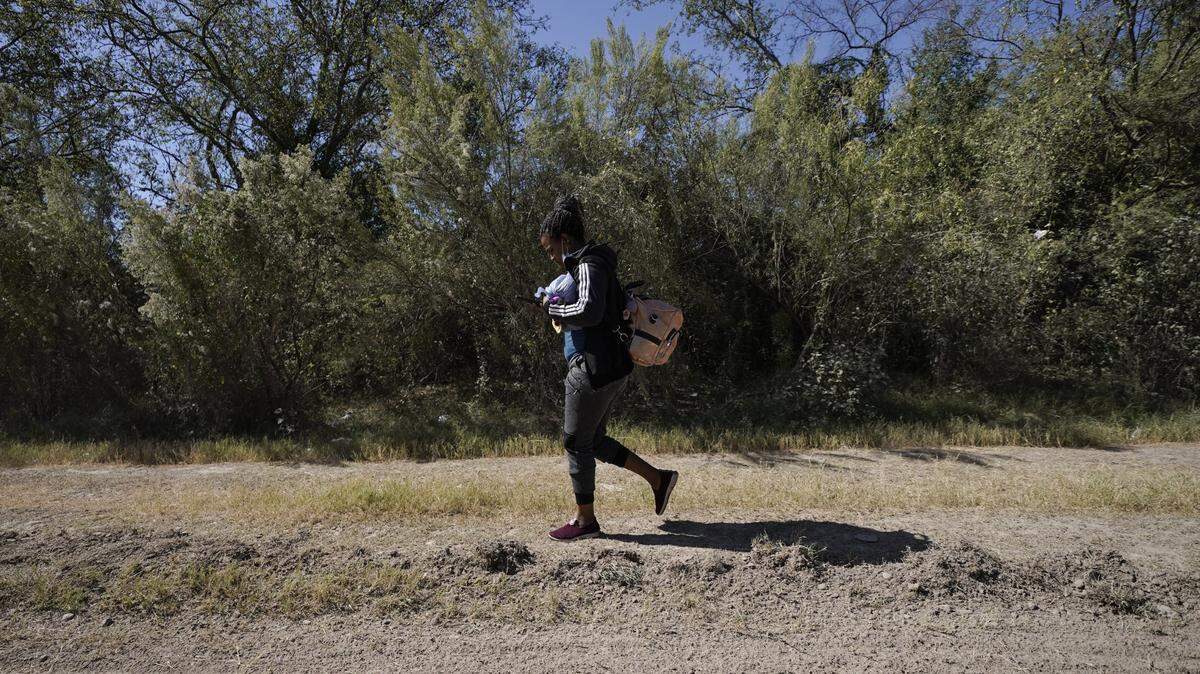
The Cuban government has not been accepting deportations of Cuban nationals from the U.S. for more than six months, at a time when tens of thousands are leaving the island to reach the U.S. in the largest exodus since the 1980s Mariel boatlift.
In the fiscal year 2022 that started Oct. 1, 20 Cubans returned voluntarily to the island, but the Cuban government “has not accepted any ICE removals via commercial or charter flights,” a spokesperson for U.S. Immigration and Customs Enforcement told the Miami Herald.
In the same period, more than 46,000 Cubans have arrived at the U.S. border with Mexico, in an exodus driven by a crackdown on dissent and the island’s economic chaos.
In 2017, the Obama administration struck a deal with the government of Cuba to send back Cuban migrants that arrived “illegally” in the U.S. after rescinding a special parole policy known as “wet foot, dry foot” that previously allowed them to stay if they presented themselves at the border seeking asylum.
Deportations took off in the following years but stopped around March 2020 at the beginning of the pandemic because of the disruption of international travel. The Cuban government reopened its borders in October 2020, but later suspended flights for six months until November 2021, meaning that its airports have been open during most of the current fiscal year in which it has not accepted deportations.
According to the agency’s data, ICE deported 95 Cubans in the previous year, a tiny fraction of the 1,583 sent back in the first half of fiscal 2020 before the airports’ closure.
The Cuban Embassy in Washington did not immediately reply to a request for comment.
The Obama administration deal with the Cuban government allowed the Department of Homeland Security to quickly expel Cuban migrants arriving at the border through a procedure called “expedited removal,” U.S. officials said at the time. But the data show that unlike those interdicted at sea, who are usually sent back, most Cuban migrants reaching the border have been allowed to follow the regular immigration process and claim asylum.
Many cases do not even reach an immigration court because Cubans can apply for permanent residence after a year and a day of living in the U.S., thanks to the Cuban Adjustment Act of 1966.
Cubans have also been exempted from the Title 42 rule, which blocks migrants from seeking asylum due to public health concerns. In contrast, border authorities have used Title 42 to expel 63,439 Guatemalans, 56,958 Hondurans and 6,758 Haitians between October of last year and February, U.S. Customs and Border Protection data show.
As of March 26, there are approximately 40,450 Cuban nationals in the U.S. with a final order of removal from an immigration court, the ICE spokesperson said, up from 36,000 in 2017.
These are Cuban nationals who have committed crimes or immigration violations in the U.S.. But most arrived a long time ago, so they can’t be easily deported under the Obama agreement because the Cuban government only committed to taking back recent arrivals.
When Cuba reopened its airports last November, Nicaragua, a close political ally, announced it would allow Cubans to travel to the Central American country without visas, creating a new route for Cubans trying to reach the U.S.-Mexico border. But Cuba’s Foreign Affairs Ministry has blamed the U.S. for the current migrant surge, claiming U.S. policies “encourage illegal and irregular” migration.
In particular, the island’s authorities accuse the U.S. of not honoring an agreement to issue 20,000 annual immigrant visas to Cubans and making legal migration more difficult by suspending consular services in Havana since 2017. They also said the U.S. had pressed Central American governments to impose visas on Cubans in transit to Nicaragua.
The U.S. Embassy in Havana said it will begin processing some immigrant visas in Havana in May.
This story was originally published April 13, 2022 at 7:00 AM.