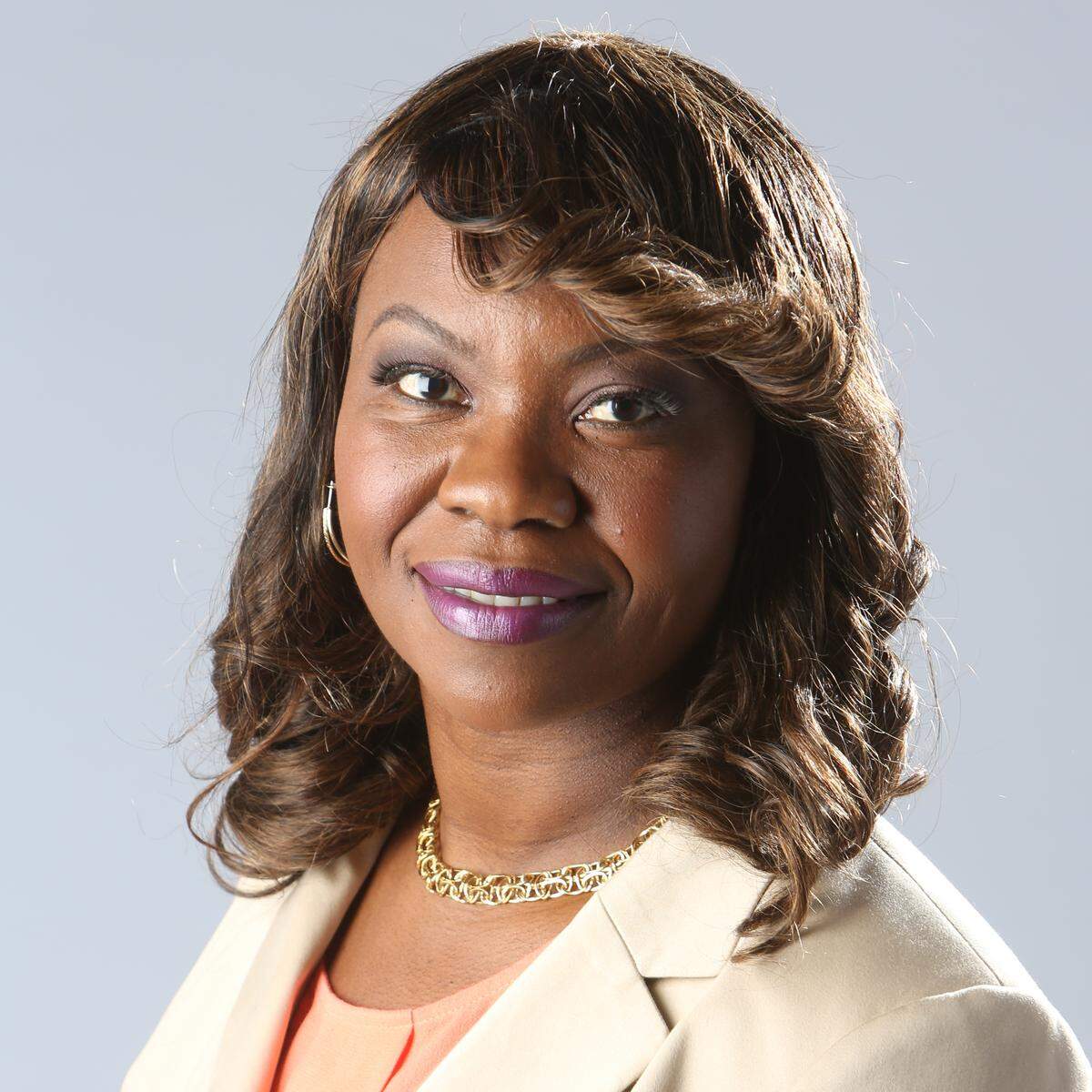
Barbados PM Mottley fires back at Trinidad leader’s accusation. She wasn’t the only one
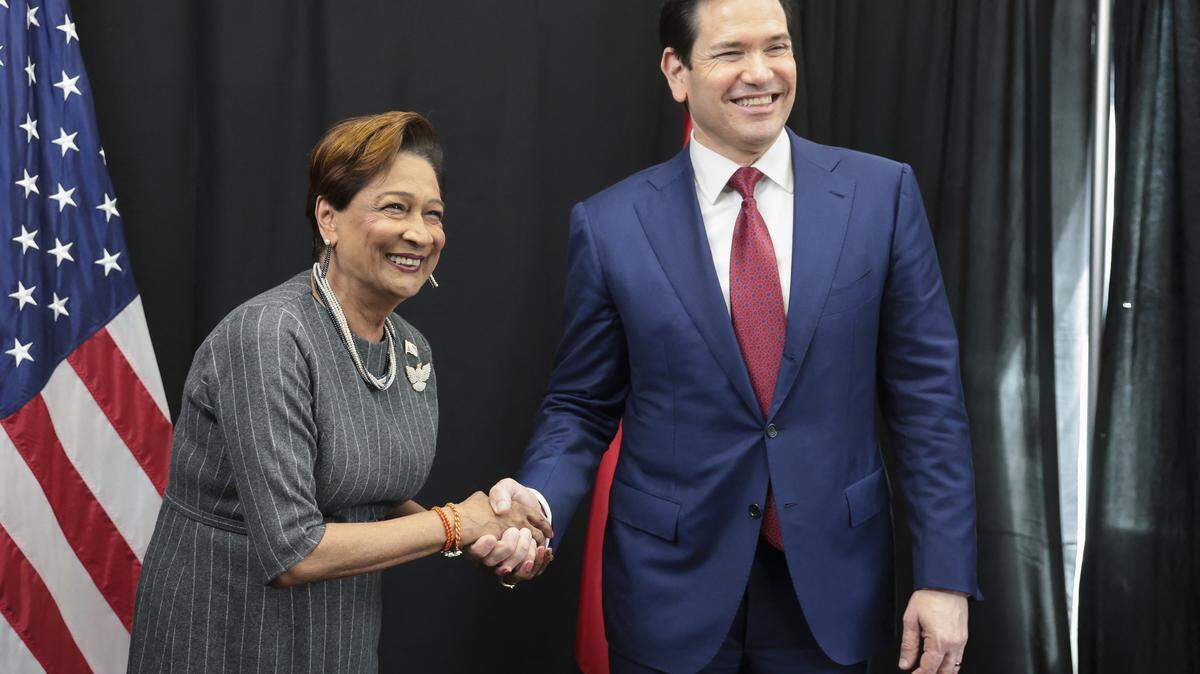
While Miami Republican Congressman Carlos Giménez is praising Trinidad and Tobago Prime Minister Kamla Persad-Bissessar’s for her forthright comments on Cuba at this week’s gathering of Caribbean Community leaders here in the sun-drenched eastern Caribbean, her blunt criticism of the regional political grouping and at least one member state is drawing sharp rebuttals.
Persad-Bissessar, who left the gathering ahead of Friday’s closure and after meeting with U.S. Secretary of State Marco Rubio on Wednesday, issued pointed remarks about the bloc’s unity and response to regional challenges, including what she alleged were threats from Venezuela due to her government’s alignment with the Trump administration and the ongoing U.S. military boat strikes in the southern Caribbean.
In her opening-day speech, she took aim at what she described as the failure of the bloc, known as CARICOM, to defend member states’ sovereignty and to confront the threats. But her most contentious claims were reserved for Barbados, a country with whose leader, Mia Mottley, she enjoyed a long working history.
During the wide-ranging address, Persad-Bissessar revived an old spat. She claimed that a fellow Trinidadian had been “kidnapped” while in another member state, refraining from naming Barbados.
“He was placed in handcuffs, transported to the airport, and went back to Trinidad,” Persad-Bissessar said about the October 2022 arrest of Brent Thomas by her nation’s own police. “He was kidnapped.”
A businessman and arms dealer, Thomas was accused of illegally possessing explosives during a check of his business in Trinidad. While he was in Bridgetown, Barbados, he was arrested and extradited back to Port-of-Spain onboard a military aircraft.
At the time, Persad-Bissessar was in the opposition, and made an inquiry to the CARICOM secretariat about the incident, which unfolded outside a formal extradition process, she said during her speech. She said no one has ever offered a response. Persad-Bissessar suggested that the then-sitting Trinidad and Tobago government “coordinated the kidnapping of a Trinidad citizen from another CARICOM state,” and it was “facilitated” by CARICOM.
A Trinidad High Court judge later ruled the act was “an unlawful abduction,” leading to an apology from the Trinidad government. Both Trinidad and Barbados later accepted liability for breaching Thomas’ constitutional rights.
Still, the resurrection of the incident did not go over well with Mottley also saying it was “an unfortunate use of the word kidnapping.”
Mottley found the Trinidadian leader’s characterization of the incident to be ”a scurrilous lie,” but the incident itself, she said, underscores the need for a formal process of extradition which CARICOM countries practice with other nations but not among themselves.
“We need to be able to change how we operate,” Mottley said. “That is why the CARICOM arrest warrant is being pursued. That is why legislation has to be passed in every CARICOM country to be able to facilitate that CARICOM arrest warrant.
“But to describe it as kidnapping or to suggest that any member of cabinet or any member of the permanent secretary class or government of Barbados is involved in kidnapping is a scurrilous lie and defamatory in the extreme,” Mottley fired back. “We all know what transpired, and it is regrettable that it happened.”
Mottley said the issue had been addressed since 2023 by the attorneys general in both Barbados and Trinidad and Tobago.
“As to what happened, we don’t know, because we don’t get involved in operation matters,” Mottley said as she prepared to leave Saint Kitts. “As it transpired, we didn’t know about it. It is only when this matter became a public issue that we then had to launch an investigation into what transpired. And it was clear that the Trinidad Tobago police, as has been the practice for decades in this region, would have supplied an arrest warrant.”
During Persad-Bissessar’s comments, delivered during the opening ceremony, Mottley remained calm. Later that evening, she and Persad-Bissessar reminisced about their long history.
What changed is unclear. But during the Tuesday presentation, leaders were taken aback by Persad-Bissessar’s combative posture as she delivered her blistering criticisms, and fueled questions about the group’s public show of unity.
On Friday as the summit closed, Saint Kitts and Nevis Prime Minister and current CARICOM Chairman Terrance Drew dismissed the notion that the 53-year-old integration movement is experiencing “an unprecedented level of fragmentation,” amid the differing foreign policies and U.S. pressure and boat strikes that have prompted public disagreements among bloc leaders.
“I think that this meeting demonstrates our commitment to CARICOM as a strong organization,” Drew said. “CARICOM does not have a homogeneous, I would say, or a single foreign policy. That is left up to sovereign states.”
Still, the disagreements in the region have been hard to ignores. For example, Trinidad and Guyana, which are both close to Washington, have been invited along with a number of U.S. allies in Latin America to meet with President Donald Trump during a summit he’s hosting on March 7 at his golf resort in Doral.
“Trinidad and Tobago or any other country being invited to a meeting does not fragment CARICOM at all,” Drew said.
In addition to her colleague’s response, Persad-Bissessar also heard from Venezuela.
“The prime minister’s rhetorical obsession with Venezuela does not represent a national consensus in her country,” the South American government said.
Persad-Bissessar’s “attitude,” the Venezuelan government said, “compromised bilateral relations and harms Trinidad and Tobago’s own economic interests by hindering the development of joint strategic projects of mutual interests to both states.”