Gimenez clashes with Jamaica prime minister over remarks on Cuba at CARICOM meeting
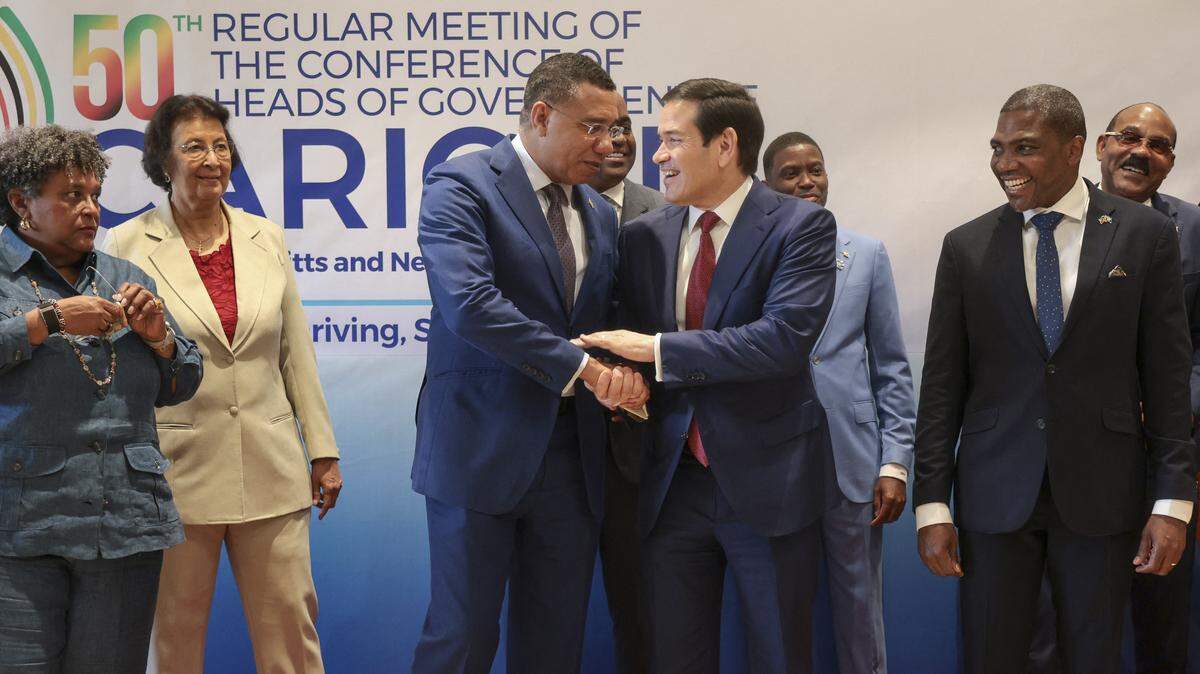
As Caribbean leaders arrived here this week to placards urging them not to forget Cuba, they were caught between mounting pressure from the United States over ties to Havana and constituents who have long relied on Cuban doctors and educational scholarships to build healthcare systems and professional careers.
So when Jamaica Prime Minister Andrew Holness took the podium on Tuesday, he was navigating not just a room where some governments have been outspoken defenders of Cuba, but a region acutely aware of shifting geopolitical headwinds.
“We must address the situation in Cuba with clarity and courage,” Holness said, setting the tone ahead of a visit by U.S. Secretary of State Rubio, whose presence was welcomed but also prompted unease among the heads of governments of the Caribbean Community bloc known as CARICOM, which is holding its annual meeting here.
Holness noted Cuba is their Caribbean neighbor, and its doctors and teachers are embedded throughout the region. “But today, the Cuban people face severe economic hardship, energy shortages, and growing humanitarian strain,” he said.
Caught between two countries in crisis
That suffering, Holness warned, serves no one — least of all Jamaica, which sits close to the two countries facing the region’s most volatile crises: Cuba and Haiti.
“A prolonged crisis in Cuba will not remain confined to Cuba. It will affect migration, security and economic stability across the Caribbean basin,” he warned, making clear Jamaica supports democracy in Cuba. “It is therefore important that we carefully consider this matter, and take collective action.”
Still, Holness’ measured tone, which sought to balance both the U.S. position and Caribbean concerns, did not go far enough for at least one member of the U.S. Congress.
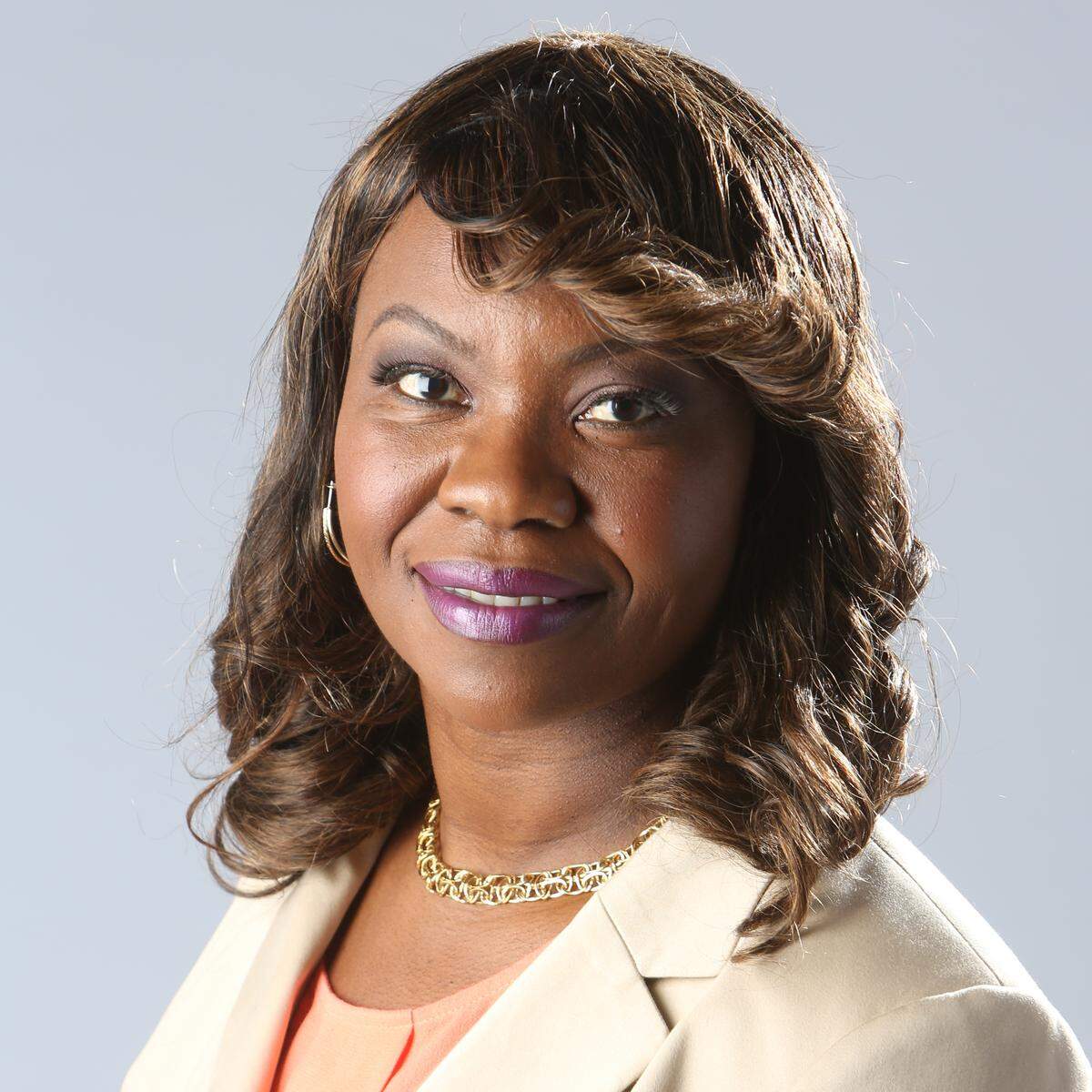
In a post on X, Miami Republican Rep. Carlos Giménez accused Holness and his Jamaica Labor Party of covering up for a “moribund dictatorship” as he condemned the prime minister’s statement.
Giménez said he found it “lamentable that the JLP would cover up for the moribund dictatorship in #Cuba, when the Castro regime repeatedly intervened in #Jamaica’s politics to exacerbate partisan tensions & undermine the JLP! Jamaica will face the consequences,” he said.
Giménez’s chief of staff, Rey Anthony, defended the congressman’s position. Giménez’s statement, he said, was meant “to highlight the contrast between the prime minister of Jamaica’s speech and that of the prime minister of Trinidad and Tobago, who did not mince words when it came to the regime.”
‘Don’t threaten friends’
Anthony said the congressman had tweeted congratulations to the prime minister of Trinidad and Tobago “for her strong stance, both against Venezuela and Cuba.” Trinidad and Tobago PM Kamla Persad-Bissessar also addressed the gathering during Tuesday night’s opening ceremony. Anthony said Giménez wanted to “draw a contrast between those two positions and highlight the one that you know we encourage.”
Holness told the Miami Herald that his speech made clear where Jamaica stood on the matter of Cuba, and how Caribbean leaders could help facilitate a transition as U.S-Cuba talks get under way. Now was not the time for rhetoric, Holness said, “but for responsible statecraft, even as we encourage humanitarian relief.
“Jamaica stands firmly for democracy, human rights, political accountability and open, market-based economies. We do not believe that long-term stability can exist where economic freedom is constrained and political participation is limited,” he said in his speech in reference to Cuba. “Sustainable prosperity requires openness — to ideas, to enterprise, to investment, and to the will of the people.”
Reached by the Herald, he said of Gimenez’s post: “You don’t threaten friends.”
He later added, “I’m not sure that the congressman thoroughly listened to or read my presentation.”
Regional realities
The clash underscores the difficulties Caribbean leaders face as the U.S. has blocked Cuba’s oil supply, and Havana, which long supported many Caribbean leaders, increasingly feels like it’s being abandoned by once staunch allies.
In several of the countries that make up the regional bloc, leaders and senior government officials were educated in Cuba. Cuban medical brigades have served as the backbone of fragile health systems. Meanwhile, faced with increased U.S. scrutiny and pressure, those countries now find themselves scrambling to respond.
“We have to understand this issue from a broader perspective,” Dominica Prime Minister Roosevelt Skerrit told journalists. “We spend a lot of money training doctors and nurses in the Caribbean, but the developed countries take them away from us. They recruit them. There’s no way a country like Dominica can compete with her Majesty’s treasury, or the treasury of America or Canada.”
Even when they recruit doctors from elsewhere in the world like Nigeria, they are recruited away from the Caribbean, he added.
Inside the conference’s hallways, several leaders privately said Holness’s tone reflected the region’s realities: an insistence on democratic principles coupled with recognition that Cuba’s collapse would have direct consequences for its neighbors.
Some leaders noted that Holness’s remarks helped eased the angst ahead of Rubio’s visit at a time when many leaders were uncertain of whether they would face additional pressure from Washington.
Barbados Prime Minister Mia Mottley said leaders are concerned about “the very challenging situation in Cuba, the need for humanitarian support,” and it remained part of their deliberations, which ended on Thursday with a retreat on the island of Nevis.
“Whatever happens in Cuba, we will be affected one way or another,” she said. As part of a cooperation framework with the U.S., leaders also want to see the humanitarian situation addressed. The U.S. provided some humanitarian support after last year’s Hurricane Melissa, Mottley noted.
“So there is never a wrong time to provide humanitarian support. I think we all agree to that,” she said. “Therefore, we hope that we can see working together to be able to make sure that things will rebound, ultimately, to the benefit of the human people, and to ensure that whatever happens does not in any way negatively affect the Caribbean.”
This story was originally published February 26, 2026 at 5:08 PM.