‘There are still several unknowns’: WHO’s Caribbean arm urges caution for cruise restart
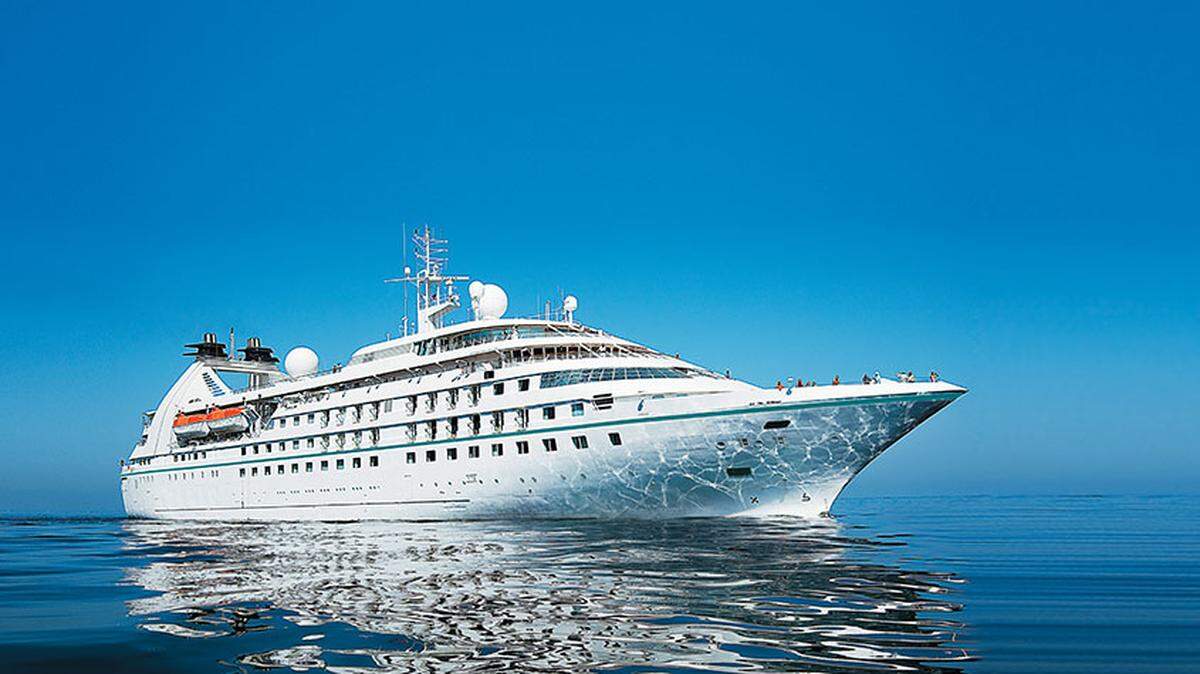
The regional public health authority for the World Health Organization is urging cruise companies and countries to use caution as they plan to restart cruises in the Caribbean more than a year after halting operations due to the coronavirus pandemic.
At least four cruise companies have announced plans to allow people to once again board cruise ships in Caribbean ports as early as June. Some passengers will need to show proof of a COVID-19 vaccination; for others, a negative COVID-19 test will suffice.
“Even though the tourism industry and the cruise ships are implementing prevention and other measures to reduce the transmissibility...there’s no association between vaccination and the lack of infection and the lack of transmission, and there are still several unknowns in this regard,” said Dr. Ciro Ugarte, director of health emergencies for the Pan American Health Organization, which is WHO’s Americas regional office, during the group’s weekly press conference.
Ugarte said the warning stems from the transmission of the coronavirus at the start of the pandemic last year, and again over the summer when several countries in Europe and the Americas attempted to reopen their ports.
As the first COVID-19 infections were detected on cruise ships in early February of 2020, the virus quickly spread. In some instances, hundreds of passengers became infected and a several died. Quarantine, panic and fear ensued as several countries refused ships’ requests to dock or disembark passengers for fear of further spread and overwhelming their ill-equipped hospitals.
Eventually cruises departing from the U.S. were banned, leaving thousands of crew members from around the world stranded at sea onboard floating ships. Many were blocked from returning home because their country’s borders, or borders they needed to transit through, were closed.
In November, when a cruise company attempted to resume cruising in the Caribbean, transmission onboard once again forced passengers to stay in their cabins. The ship, the SeaDream 1, was sailing off the coast of Bridgetown, Barbados, when the virus spread after passengers who tested negative prior to boarding began testing positive.
“The transmission that was seen at the beginning of the epidemic in cruise ships and also last summer when several countries in Europe and also in the Americas attempted to reopen the cruise ship industry and access to their ports, also showed an increase in the number of cases, although on a small scale,” Ugarte said.
Those experiences, Ugarte said, cannot be overlooked as COVID-19 continues to spread in the region, which suffers from a lack of vaccines.
In June, Royal Caribbean Group plans to launch seven-day cruises from The Bahamas and St. Maarten, and Windstar plans to launch seven-day cruises from St. Maarten. In July, Crystal Cruises plans to launch seven-day cruises from The Bahamas and in August, Norwegian Cruise Line plans to launch seven-day cruises from Jamaica and the Domincan Republic.
Royal Caribbean will require all crew and passengers over 18 years old to be vaccinated; those younger than 18 will have to provide proof of a negative COVID-19 test. Windstar will require all passengers to be vaccinated and require crew to be vaccinated as soon as they are able. Crystal Cruises will require all passengers to be vaccinated for COVID-19. Norwegian Cruise Line will require all passengers and crew to be vaccinated.
On Wednesday, PAHO Director Dr. Carissa Etienne warned that COVID-19 infections are continuing to surge throughout the Americas, which includes the United States, Canada and Mexico as well as Latin America and the Caribbean.
“Last week, we had more than 1.3 million new cases in our region and more than 37,000 deaths. In fact, more than half of all global deaths reported over the last week were found in the Americas – a sober reminder of the human toll of this pandemic,” Etienne said.
In addition, at least 35 countries in the region have reported detection of one of the known variants, which continue to be a concern.
Because infections continue to rise in some countries, Ugarte said before allowing cruises “it is imperative that each of the countries do proper analysis of the situation and also look at where is the origin of the passengers and others.”