Families fear for former U.S. soldiers jailed after anti-Maduro coup fell apart
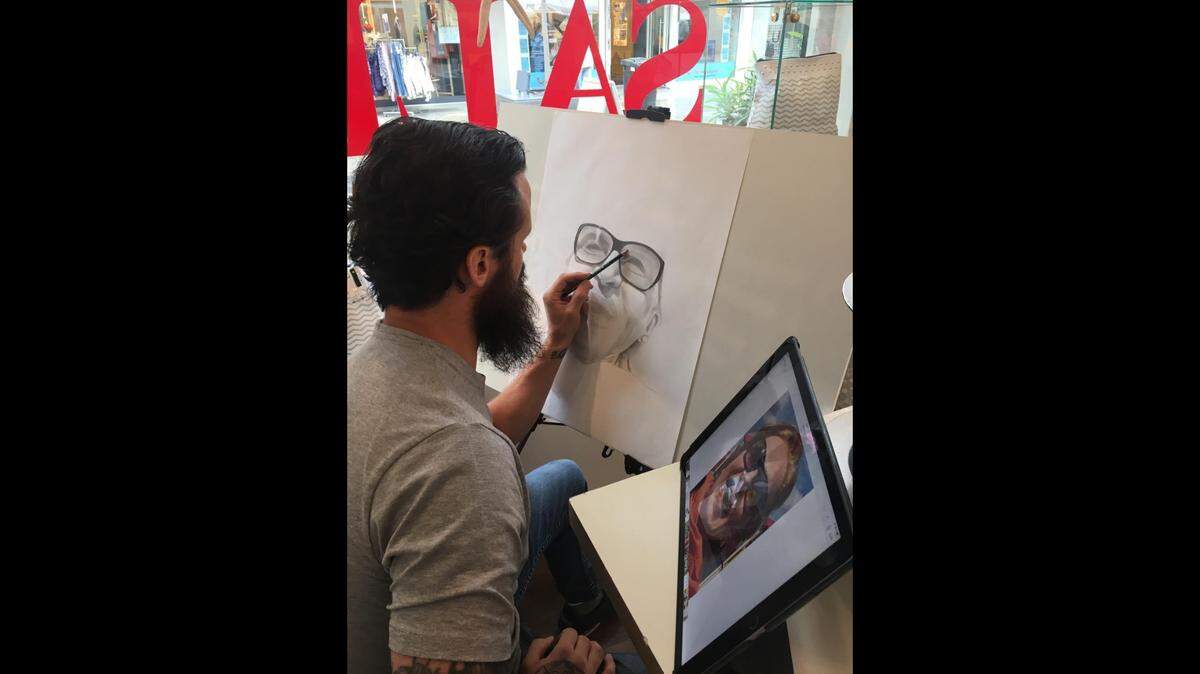
Melanie Berry offers up an unfinished pencil sketch her husband was working on to show the softer side of Airan Berry, a former U.S. special forces operative sentenced to a 20-year prison term in Venezuela for his role in a failed coup there this past May.
“He is really talented in drawing — pencil portraits,” said Berry, when asked to describe her husband, a father of two she last saw in January when he left their home in Schweinfurt, Germany, on a mission he said he couldn’t discuss.
A Fort Worth native, Berry and fellow Texan Luke Denman, from Austin, are the two former American soldiers contracted by Florida-based security firm Silvercorp USA to take part in what came to be known as Operation Gideon. It was a failed attempt to spark a popular uprising in Venezuela.
Both men told their families little, eventually letting on that they were training Venezuelans in Colombia
The next time Berry saw her husband of 20 years was the same time the world did — in May as a prisoner captured by the Nicolás Maduro regime, face-down with hands tied behind his back.
Then another five months passed.
Out of the blue she received a call at work on Oct. 16. It was 42-year-old Airan.
The connection was bad but he said they could speak over Zoom later, she said. It was their daughter’s 11th birthday.
“When I told our daughter that she was going to be able to see her dad, she just started crying,” Berry said in a phone interview from Germany.
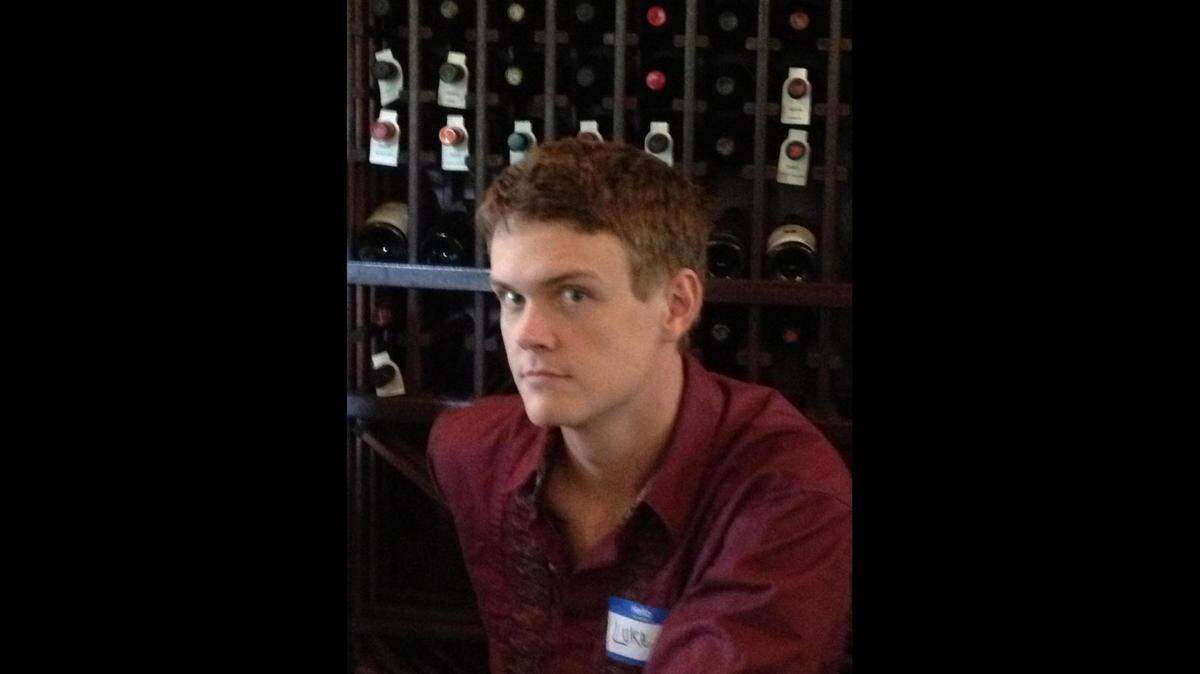
That same day, Luke Denman, 34, also spoke to his mother and his longtime girlfriend, Denman’s older brother Mark said.
“They looked healthy. We’ve been hearing they’ve been treated well for whatever reason. They appeared to be healthy,” Mark said in an interview, confirming the surprise Zoom call.
Extracting the two former soldiers is complicated. Beyond the fact that the two were accused of attempting to overthrow the Venezuelan government, the Trump administration in January 2019 stopped recognizing the Maduro government and held that legislator Juan Guaidó is the true, interim president of Venezuela.
It means the normal consular visits by State Department officials working for a U.S. Embassy can’t happen, since the men are held by a government the Trump administration no longer recognizes.
Enter the Richardson Center, a Santa Fe-based non-profit run by former New Mexico Gov. Bill Richardson, who has traveled the world negotiating the release of hostages and prisoners.
Since July, Richardson has worked pro-bono to actively seek release of the pair.
“These are American citizens. They are two individuals that have served honorably and they deserve help, and we’re trying to get them out but they are bargaining chips, and we are trying to work that out,” Richardson said in an interview. “It’s not going to be immediate. We’re pleased that they got a video message with their families.”
The State Department declined to comment.
The administration’s political decision to recognize Guaidó, who does not enjoy overwhelming popular support in Venezuela, has become a self-inflicted wound when it comes to winning the release of the Americans, since the president it recognizes, Guaidó, can be of no help in that.
In technical terms, the State Department needs to see the men to get a privacy release so it can communicate with their families. But that’s not possible if the government running Venezuela is not the one recognized by the United States.
“It’s hard to know what goes on behind the scenes,” Mark Denman said, adding that the families “haven’t seen a lot of activity on the U.S. end.”
During his brother’s captivity, Denman founded a non-profit called the American Rescue Coalition, dedicated to the return of U.S. citizens held abroad and seeking their humane treatment.
“There are two guys who spent a long time serving their country,” Denman said.
Berry’s wife, Melanie, responded similarly.
“They deserve to be back with their families. We miss them. We love them,” she said, acknowledging the difficult predicament. “He’s not only my husband, he’s my best friend and that’s why it’s hard now, you know. You’re missing your other half.”
This story was originally published October 30, 2020 at 3:21 PM.