Ancient new species named for coach Saban survived meteorite that killed dinosaurs

Six national championships for Alabama, nine SEC championships, an 87% win record over 17 seasons and the sixth most wins of any college football coach in history.
Famed University of Alabama football coach Nick Saban may have hung up his visor and whistle, but his accolades and reverence in the state are far from over.
After fossilized remains of an ancient crab were found in central Alabama, Saban now shares his name with a species new to science.
Researchers working along the roadcut for Mussel Creek in Lowndes County discovered 354 fossils belonging to decapods during research trips between 2010 and 2024, according to a study published Sept. 22 in the peer-reviewed journal Geodiversitas.
“The specimens were often found loose on the surface, having weathered out of the mudstones and limestones; some specimens were discovered embedded in rock,” researchers said. “The specimens were largely collected from the mudstones above and below the most prominent limestone layer currently visible at the roadcut.”
Some of these fossils belonged to a species of crab that had never been described before, now known as Costacopluma nicksabani.
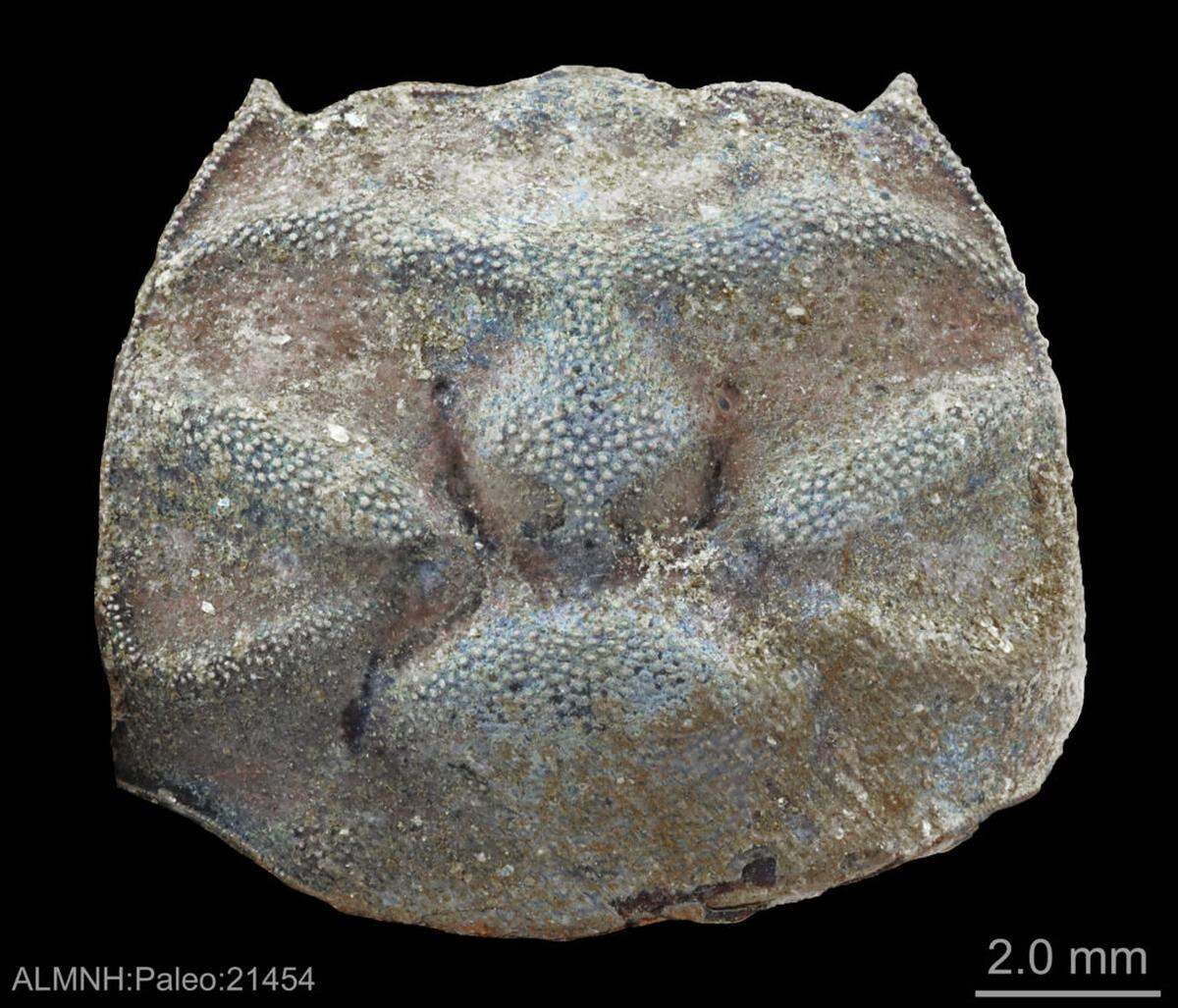
The naming honors not only Saban’s athletic accomplishments, but “Nick’s Kids Foundation has made a tremendous impact in Alabama and beyond,” according to the study.
The “Saban crab,” as researchers call it, was the “most abundant crab” found at the Lowndes County site, with nearly 200 fossils belonging to the species uncovered, according to a Sept. 26 news release from The University of Alabama Museums.
The crabs date to about 65 million years ago, just a few hundred thousand years after a meteorite collided with Earth and caused a mass extinction event that eliminated about 75% of the planet’s species, according to the release.
“Major groups such as non-flying dinosaurs, mosasaurs, and flying reptiles (pterosaurs) went completely extinct,” researchers said. “The hardy decapod crustaceans survived though, and they still flourish to the present-day in Alabama and elsewhere.”
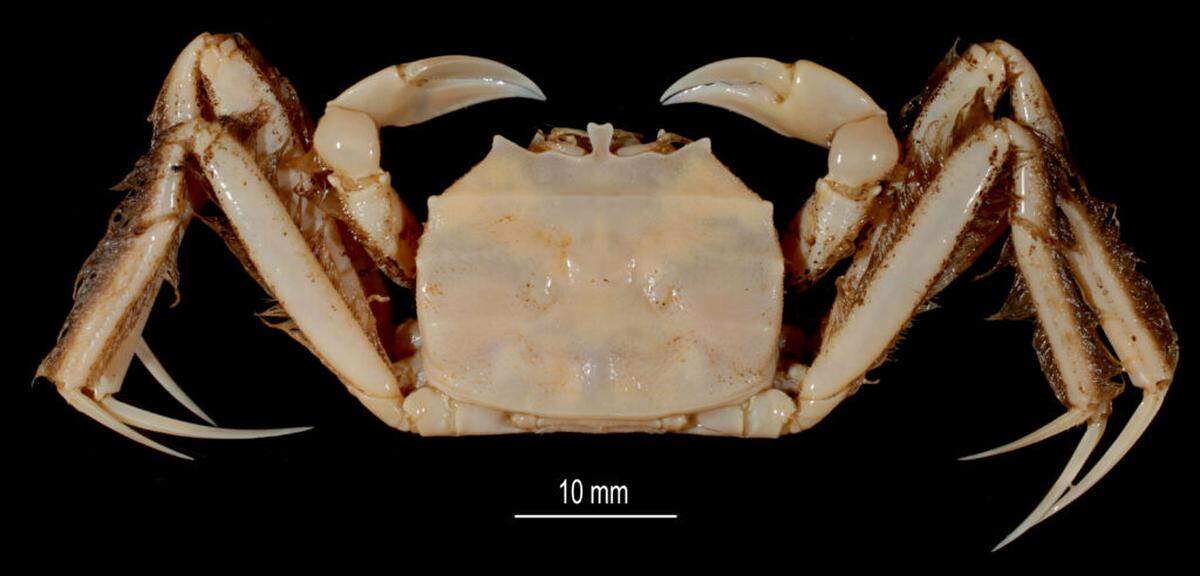
Saban crabs were “relatively small,” according to the study, and because they lived on or in mud on the seafloor, they were able to survive.
More than 1,000 fossils have been found at the Alabama site, researchers said, and they aren’t restricted to small crustaceans.
“Not only is this site known for the variety of decapods occurring here, but we have also collected a number of vertebrate and other invertebrate specimens. Vertebrates found here include several species of shark, ray, and other fish, crocodilians, and turtles,” study author George Martin, an amateur paleontologist, said in the release. “Invertebrates, along with the crabs and ghost shrimp, includes a nautiloid and numerous species of oysters, clams, snails, and bryozoans.”
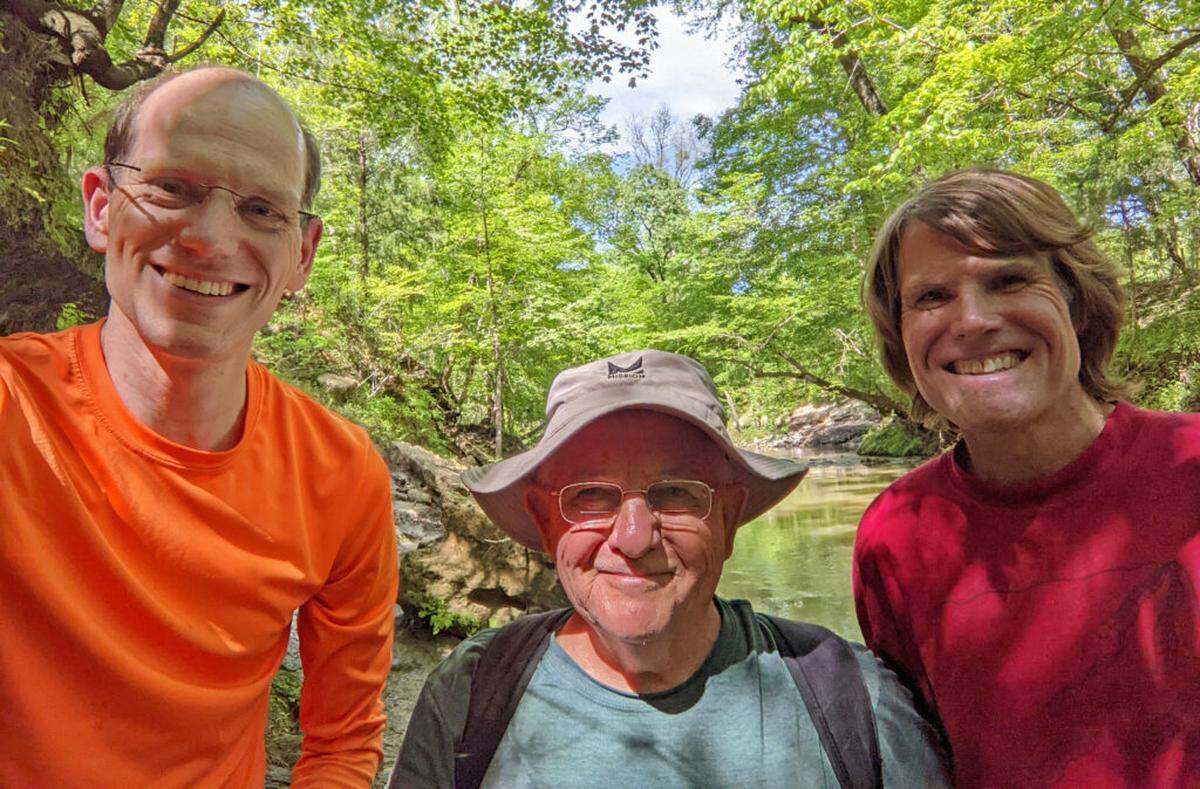
“I’ve been collecting this site for about 15 years and it is very special to me, primarily because it never stops giving. It is a small site, but has produced several species of decapods and a shark new to science, which is amazing to me,” Martin said.
Lowndes County is in south-central Alabama, just southwest of Montgomery.
The research team includes Martin, Adiël A. Klompmaker, Matúš Hyžný, Andrew R. Bowman, George E. Phillips and Roger W. Portell.