
Alligator Alcatraz may be closed, but the legal fallout isn’t over
The chain-link cages under white industrial tents have been emptied. The guards dismissed. The immigrants transferred out.
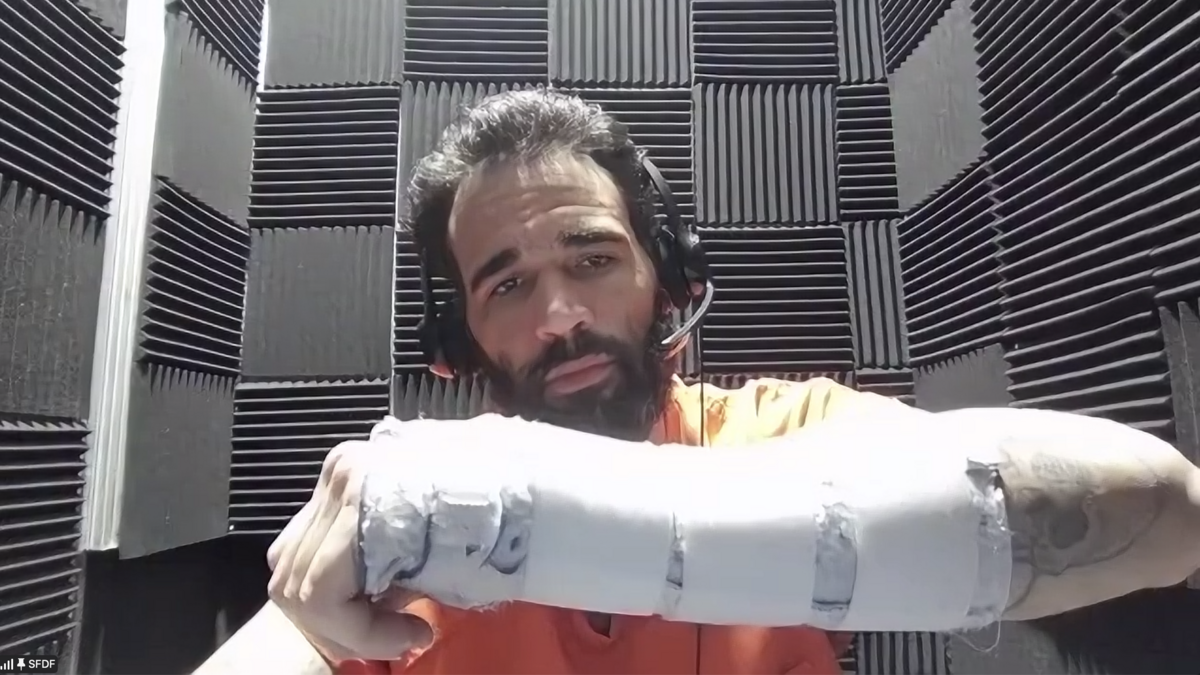
But even though Alligator Alcatraz’s gates are closed, allegations of beatings, pepper-spraying, and injuries — including a broken wrist and a bloody eye — continue to haunt the remote Everglades runway where the DeSantis administration held thousands of men over the course of a year in furtherance of Donald Trump’s mass deportation campaign.
On the same day Gov. Ron DeSantis announced the closure of the country’s first state-run detention camp, lawyers notified the state and federal governments and contractor Critical Response Strategy that they intend to sue on behalf of two Cuban immigrants who say they were brutalized by guards.
The notice, sent by Sanctuary of the South and the American Civil Liberties Union Foundation, said they intend to sue under the Federal Tort Claims Act, a law that allows individuals to seek damages for injuries or death caused by government negligence.
In the litigation notice, shared with the Miami Herald, the lawyers said the immigrants “suffered grave physical and emotional harm at the hands of the federal and state agents, including contractors and subcontractors, operating the facility.”
The Florida Division of Emergency Management and the Department of Homeland Security did not respond to a request for comment.
The state and federal governments have denied any mistreatment at the site, advertised in its earliest days as an inescapable stockade reserved for the “worst of the worst.” DeSantis said the site had been necessary to keep “dangerous people” off the streets and that about 21,000 immigrants had been detained there.
“Alligator Alcatraz fulfilled the role that it was designed to serve,” he said during the June 25 press conference announcing the site’s closure.
Civil rights lawyers and advocates say that role caused suffering to the people held there.
From last summer until its recent closure, stories about the dire conditions in which immigrants were living spread through phone calls, legal briefs and press conferences by members of Congress following unscheduled visits. Complaints about poor conditions were often ignored or met with violence, including late-night beatings and pepper spray, detainees said. The immigrants also reported being confined in a cage-like structure called “the box,” with their hands and feet restrained.
Katie Blankenship, managing partner for Sanctuary of the South, an immigration legal service organization, said that though the controversial immigrant detention center might be closed, lawyers are continuing to seek accountability by the state and federal government for the “harm that people have suffered inside.”
“I think they really want to shut the doors and walk away and pretend it never happened. Well, people’s lives have been changed,“ Blankenship said. “This is generational trauma we’re talking about that’s been caused by this facility, and they need to be held accountable.”
A broken wrist and a knee on the neck
The potential lawsuit being prepared by the immigrant-rights lawyers stems from an April 2 incident in which immigrants began complaining about their phones being cut off, which led to guards pepper spraying the cages and beating some detainees, according to court records.
The lawyer said in their notice that the alleged beatings were carried out by CRS guards or agents of the state or federal governments.
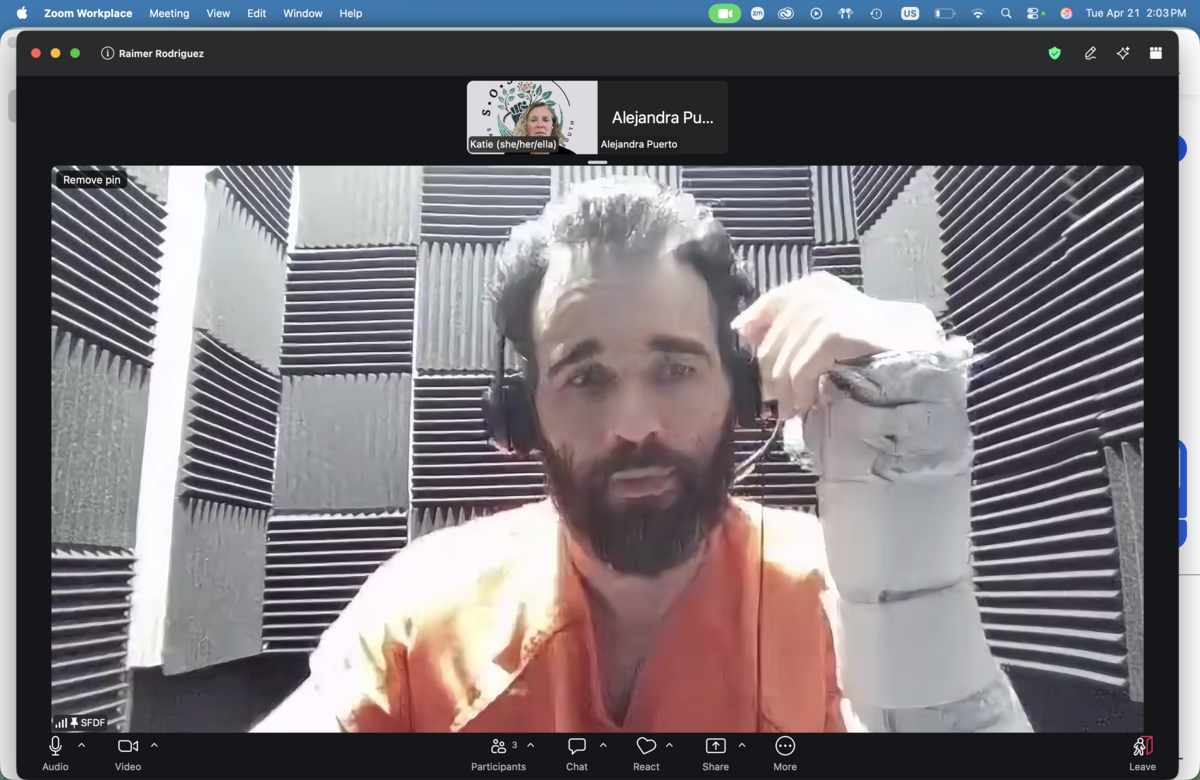
One of the immigrants is Raimer Rodríguez, a Cuban immigrant who was held at the facility for four months.
Rodriguez said in a May phone interview with the Herald that detainees had been complaining when a guard approached him and told him to walk out of the cage where he and other men were housed. He said he was following the guard’s instructions when he was pushed to the ground and pepper-sprayed indiscriminately.
He said he followed orders, but the guards continued to kick him. As he complained about the pain, another guard roughly tried to cuff him, hurting his wrist.
“There was no reason for them to throw me on the floor, you know, kick me like five times,” he said.
Rodriguez, who has since been transferred to Krome North Processing Center, said the guards then placed him in solitary confinement in “the box,” which he described as the size of “little chicken boxes but metal.” Testimony about the structure — which federal immigration officials say does not exist — has been the subject of a Senate inquiry questioning its use at the site and allegations by Amnesty International of human-rights abuses.
Rodriguez remembered screaming in pain until a nurse checked out his swollen arm almost 40 minutes later and determined he needed to be taken to a hospital.
“My tendons inside my wrist were dislocated,” he said.
At the hospital, they performed an X-ray and confirmed a fractured wrist, he said. He was placed in a cast and sent back to the Everglades.
When he got back to the detention center, he said he was not given the prescribed pain medication and medical checkups on his wrist were scarce. His lawyers, in their notice, also said the “guards cut open and removed the metal lining from the cast, rendering it structurally ineffective.”
The other immigrant being represented by the lawyers is Raiko Lopez Morffi, who was held at the detention center beginning in December and is now at the Federal Detention Center in downtown Miami. He was also involved in the April 2 incident.
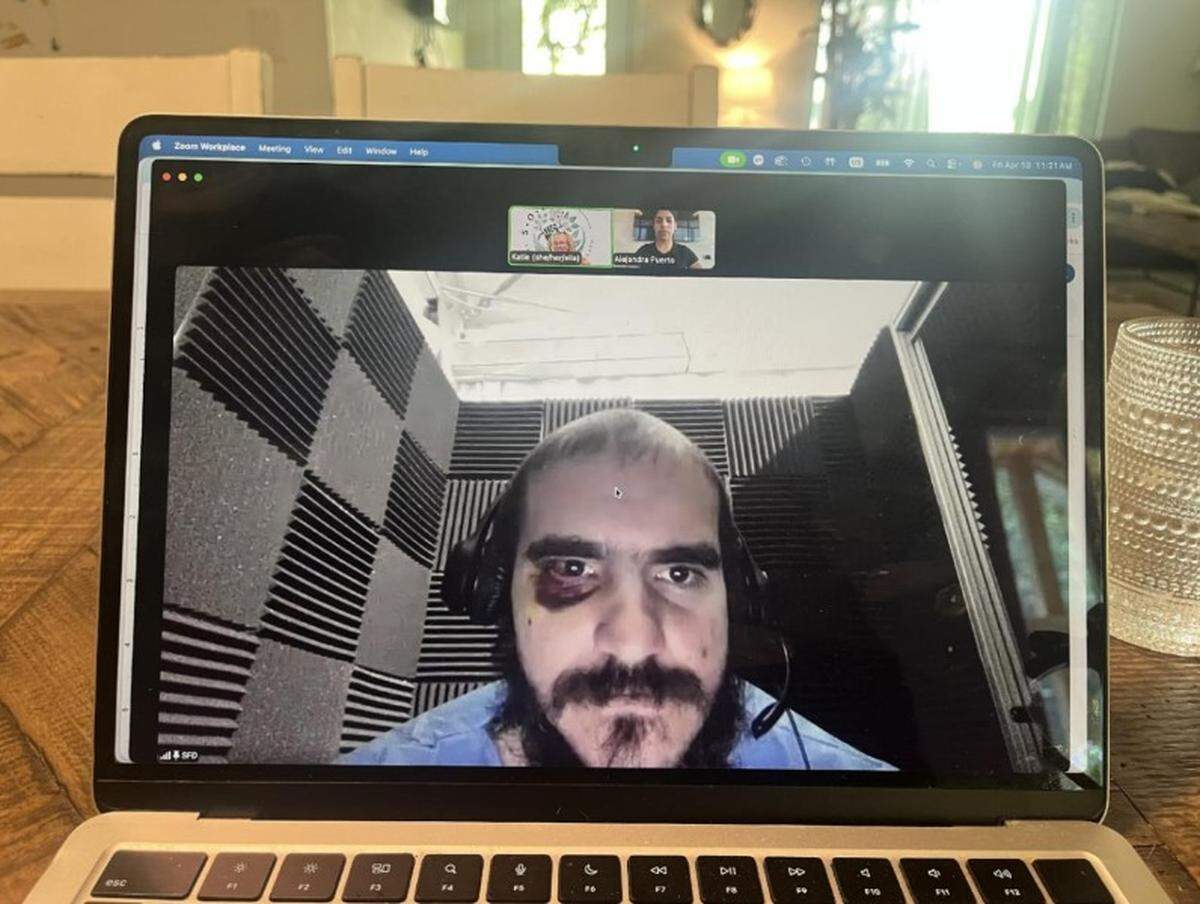
The lawyers said Morffi, who is also from Cuba, had been “subjected to severe, unprovoked physical assaults by guards” that left him with head trauma, damage to his eyes, and bruises over his body.
According to the lawsuit notice, a guard forcibly placed his knee on Morffi’s neck. A photo, taken days after the incident and submitted to federal court in April as part of a First Amendment lawsuit brought by the lawyers against the state and federal governments, shows Morffi with a black eye.
Critical Response Strategy did not respond to a request for comment.
The lawyers also requested that the state and federal governments preserve all evidence related to use-of-force incidents, including all video footage, incident reports, and messages exchanged among staff during the incident.
When asked about obtaining an after-action review report for the April 2 riot, which immigration officials are required to produce after incidents involving the use of force or pepper spray, Florida Division of Emergency Management spokesperson Stephanie Hartman directed the Herald to contact Immigration and Customs Enforcement.
The Herald has also requested records for incident reports on the use of force and sexual and physical abuse complaints at Alligator Alcatraz.
In June, ICE responded to the Herald’s Freedom of Information request, stating that the request for use-of-force records and inspections conducted by the agency at the facility was determined to be “overly broad, unduly burdensome on the agency, or does not reasonably describe the records you are seeking.”