
Visa denials and immigration scrutiny dampen World Cup’s arrival in U.S.
As teams, fans, sports officials and journalists travel to the United States for the World Cup, the Trump administration’s aggressive immigration policies are looming large over the sporting event.
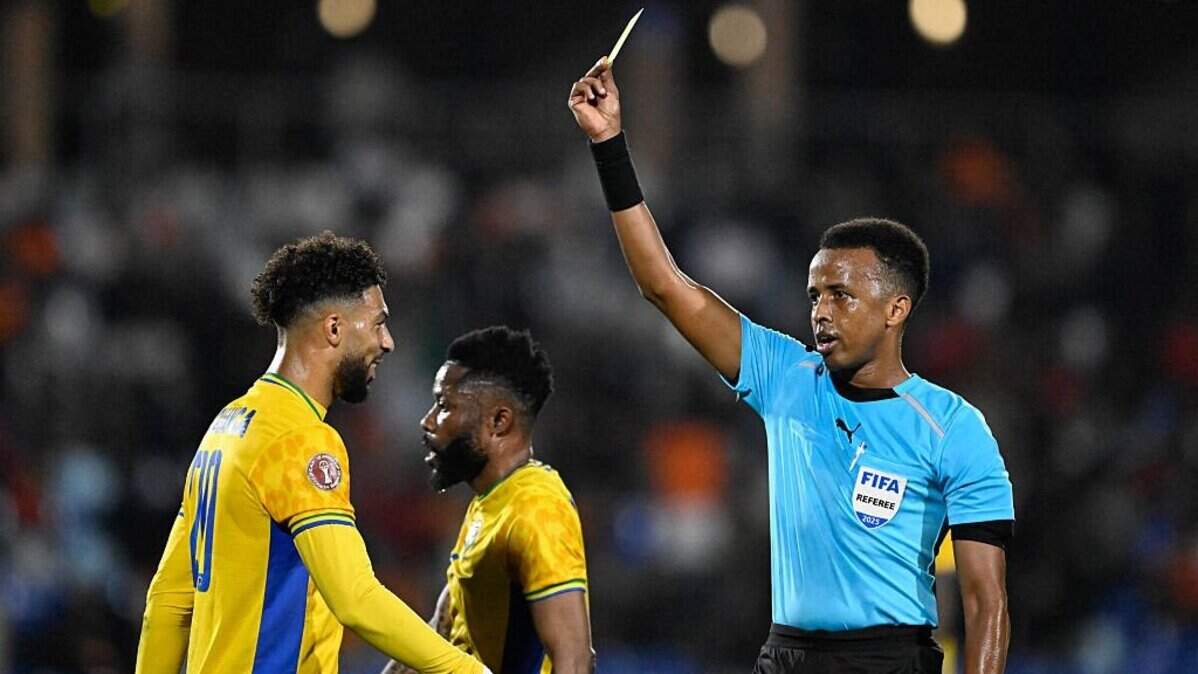
Omar Artar, making history as Somalia’s first World Cup referee, was turned away upon arrival at Miami International Airport.
A Cameroon-born striker for Switzerland, Haiti’s only player residing in the gang-stricken country, and Iran’s entire team did not know until recently whether they would receive visas to play in the biggest matches of their lives.
The tickets for Iranian fans, revoked. The travel permits of Scottish spectators, withdrawn. The visas of Moroccan supporters, denied.
These are some of the visa woes, refused entries and travel headaches that are unfolding in President Donald Trump’s era of mass deportations, visa suspensions, travel restrictions and heightened scrutiny.
U.S. and FIFA officials have assuaged concerns for months, emphasizing that travel and customs would be smooth while sticking to rigorous vetting standards. Customs and Border Protections touted that they approved 5 million Electronic System for Travel Authorization – or ESTA – applications. The agency has also green lit over 1.6 million applications for vetted travelers to expedite their entry into the U.S. and Canada.
In a statement to the Miami Herald last week, Homeland Security Secretary Lauren Bis said that “international visitors who legally come to the United States for the World Cup have nothing to worry about” when it came to immigration enforcement.
The World Cup, which starts June 11 in Mexico and has its first Miami match on June 15, could draw as many as 10 million soccer fans to stadiums in the 11 host cities across the U.S. Now observers, officials, experts and critics point to the wariness, anxiety and heartbreak the recent high-profile cases — particularly Artan’s removal from MIA — are creating.
READ MORE: World Cup referee from Somalia denied entry to U.S. at Miami airport
They point to the seven-hour interrogation of Iraqi soccer star Aymen Hussein at the Chicago airport; Haitian Football Federation officials still awaiting visas; journalists, including Iraq’s team photographer, denied entry or who can’t follow their teams to Mexico and Canada on their single-entry U.S. visas.
In the build up to the World Cup, more than 120 U.S. civil rights groups issued a joint travel advisory warning soccer fans, even those with visas, about the risk of facing immigration detention or removal during travels to the U.S.
But in Miami, advocates, community leaders and residents say the tension underscores how the U.S. immigration enforcement tactics “threaten to undermine the safety, accessibility, and spirit of the world’s largest sporting event.” Many are concerned not just for those that haven’t been able to make it to the U.S., but also what kind of enforcement might await those that are here for the event.
“We are now watching the World Cup begin while the very concerns communities have been raising remain unanswered,” said Yareliz Mendez Zamora, a Miami-based immigration advocate and policy coordinator of the American Friends Service Committee of Florida, in a statement.
Which federal agencies will be at the World Cup?
Department of Homeland Security Secretary Markwayne Mullin has likened the mega sports event to 78 Super Bowls in 38 days, requiring twice the security of a Super Bowl Sunday.
Federal agencies are making security a priority, said Homeland Security Acting Assistant Secretary Lauren Bis said in a statement.
“The safety and security of the American people and the millions of visitors attending these events remain our highest priority. DHS will continue leveraging every available authority, technology, and partnership to protect the Homeland while ensuring the World Cup remains safe, secure, and successful for everyone involved,” said Bis in a statement to the Miami Herald.
Some agencies from the Department of Homeland Security, the federal agency that handles immigration and public safety, will be at the World Cup matches, including Homeland Security Investigations, DHS’ main criminal investigations arm; Customs and Border Protection, which handles immigration and security at the country’s land, sea and air borders; and Federal Protective Services, which protects federal buildings and their employees and visitors, according to DHS budget records,
Other DHS agencies that could also be there include the U.S. Secret Service, which is tasked with protecting the President, the Vice President, and other officials.
ICE’s Enforcement and Removal Operations, the DHS agency tasked with immigrant detention and deportations, is so far not involved in World Cup Security.
In a press release on June 5, CBP said it had increased the number of officers processing travelers, expanded hours, put in place advanced screening technologies, and improved layouts at key ports to handle the larger volume of arrivals. At Miami International Airport, there is a dedicated lane for World Cup travelers, equivalent to what diplomats have at airports.
So far, some of the security and immigration enforcement tactics used for people who have arrived for the World Cup have caused controversy.
ESPN published videos of the Uzbek national team undergoing strict security with sniffer dogs and bag searches in New York, shortly before a friendly match with the Netherlands. “They said to me it’s the rules, but in the end the check was only for us,” said the team’s manager, Fabio Cannavaro, of the stadium security protocols. Cannavaro was the captain of Italy’s national team when it won the World Cup in 2006.
Artar, the Somali referee, told the New York Times he was processed and interviewed for 11 hours before being turned around to Turkey, where he had come from, despite having the “right papers.” FIFA confirmed to the Herald he will not be participating in the World Cup. Executive Director of the White House Task Force for the FIFA World Cup, Andrew Giuliani, said during an Atlantic Council conference that while he could not discuss the details of the denial, it had been for “very good reason.”
Concerns from advocate groups about World Cup travel
The American Civil Liberties Union and the Florida Immigrant Coalition and other civil rights groups issued a “travel advisory” for fans, players, journalists, and visitors in April in response to President Donald Trump’s mass deportation efforts.
They warned that noncitizens traveling in the U.S.— including visa holders — could face arrest, detention and deportation. They could also be denied entry because of border agents’ broad authorities, which allows for social media screenings and cellphone searches, the advisory stated. In detention centers, they could face “degrading treatment, and in some cases, death,” the groups warned. They pointed to difficult conditions and recent deaths at ICE detention centers.
“Fans, journalists and others traveling to the United States for the 2026 FIFA World Cup risk encountering a deeply troubling human rights landscape, shaped by the Trump administration’s racist immigration policies, mass detention and deportation, and attacks on freedom of expression and peaceful protest,” said Daniel Noroña, Americas Advocacy Director with Amnesty International USA, in a statement.
Bis, of Homeland Security, told the Herald that what makes someone a target for immigration enforcement at the World Cup “is whether or not they are illegally in the U.S.— full stop.”
“Speculation to the contrary is ill-informed. At the same time, foreign visitors MUST be proactive and should start working on their travel plans and documents well ahead of time to ensure a smooth travel experience,” Bis said.
But Miami community groups, residents and advocates are not so sure of the government’s guarantees in light of recent events. A group, spearheaded by the Florida Immigrant Coalition, will gather outside of FIFA’s headquarters in Miami on Wednesday ahead of the kickoff this week. They will call on FIFA to guarantee that no immigration enforcement operations would happen in or near World Cup venues and fan zones.
“If a FIFA-selected referee with a valid visa can be denied entry upon arrival in Miami, what message does that send to millions of fans, families and visitors from around the world considering travel to the United States?” said Zamora, of the American Friends Service Committee.