
Immigration groups slam new Miami-Dade jail agreement with ICE
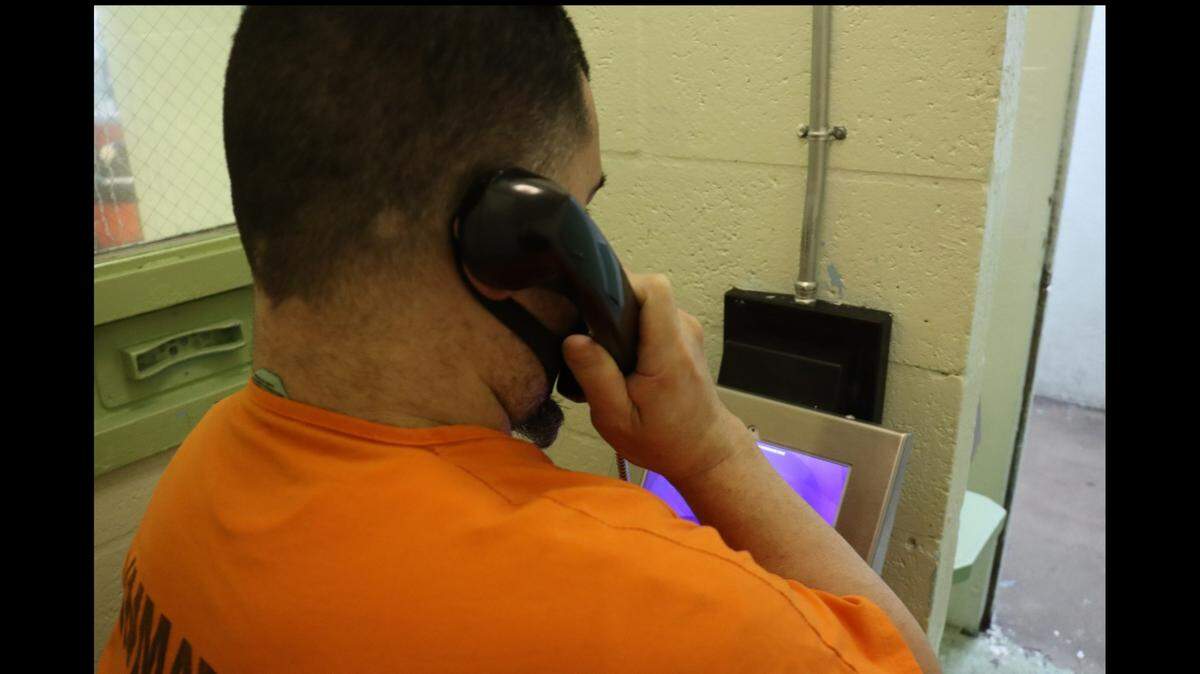
People in Miami-Dade jails sought for deportation could “disappear” from online inmate searches under a proposed deal with ICE that’s backed by the county’s Democratic mayor, according to warnings from immigrant advocacy groups.
The framework of the agreement endorsed by Mayor Daniella Levine Cava gives the federal Immigration and Customs Enforcement agency control of public records related to county inmates who are held in county jails for a short time while awaiting handovers to federal authorities.
The county’s existing agreement with ICE to hold inmates sought for deportation is mandated by state law for Florida jails. But the advocacy groups say Levine Cava’s proposed update to the existing 287(g) agreement with ICE contains troubling restrictions on what inmate records and data the county treats as public information. While ICE also maintains databases for people detained by the agency, advocacy groups say it’s not as current or reliable as inmate portals maintained by most local jail systems.
“It would be very difficult for journalists, advocates and family members to basically be able to obtain information related to the detention and arrests of these individuals,” said Thomas Kennedy, a spokesperson for the Florida Immigration Coalition.
Friday evening, the Levine Cava administration said this concern is unfounded and that county inmates will always remain in the jails portal the public can use to see who is in custody Rachel Johnson, a deputy chief of staff under Levine Cava, said those inmate names will remain searchable even when being held for ICE agents under the terms of the agreement.
She provided a statement from the Corrections Department that said in part: “This agreement codifies the current operating agreement with ICE, as well as providing the County the ability to seek reimbursement from the federal government for inmates who are held for up to 48 hours of detention pursuant to an immigration detainer issued by ICE. “
At issue is language in the proposed “Basic Ordering Agreement” with ICE that governs public records in the county’s Corrections Department, a jail system that houses about 1,400 people on a given day.
The agreement, which is up for a preliminary vote Monday morning, states that information generated under the federal partnership becomes “under the control of ICE” and can only be released by federal authorities. Advocacy groups say similar language has other jail systems in Florida removing inmates’ names from local search portals once the people are being held for ICE, making it impossible for their custody status to be known to civilians.
“In other places, they’ll say, ‘This is no longer our data,’” said Alana Greer, director of the Community Justice Project advocacy group in Miami. “You’re still sitting in the same cell. But you don’t show up in the inmate search. They literally disappear them.”
However, Greer believes the language of the Miami-Dade agreement should be interpreted more narrowly and that there would be no reason for the county to restrict inmate information under the ICE deal.
It’s also not clear how much of a change the agreement would make to existing procedures.
Since 2017, the Corrections Department has been holding inmates for up to two working days when they’re facing deportation orders from ICE. The county began honoring ICE detainers after a promised crackdown on “sanctuary” jurisdictions at the start of the first Trump administration. Miami-Dade had earned the sanctuary label under the Obama administration for declining to honor detainers unless ICE covered the extra detention costs in a jail system where it currently costs about $300 a day to hold an inmate.
For the past eight years, Miami-Dade has eaten the extra costs by honoring detainers and holding inmates longer after they would otherwise be free to go under whatever local charge brought them to the jail.
The latest list of inmates subject to detainers released by Corrections to the Miami Herald at the start of 2025 showed about 8,000 inmates had been subject to the ICE detention requests since 2017, and about 5,400 people had been released to federal immigration authorities.
The report also had names of inmates currently held in jail on local charges but who were also the subject of ICE detainers. The names of inmates who’d already been released to ICE were redacted, and the report included language saying existing federal law prohibits the release of those names by local law enforcement.
The legislation ratifying the agreement is scheduled for a hearing before the County Commission’s Policy Council at 9 a.m. on Monday before heading for a vote before the full 13-member County Commission later this year.
The agreement also provides that Miami-Dade can be reimbursed $50 for each inmate held on a detainer.
The legislation’s sponsor is the commission’s most hardline conservative, Commissioner Roberto Gonzalez. In a social media post on Friday about the agreement he said: “Miami-Dade is not and will not be a sanctuary county. I’m backing an item to formally approve our ICE agreement, already signed by the Mayor in March, as required by state law. We’ve honored detainers since 2019. This just ensures we get reimbursed.”
This story was originally published June 6, 2025 at 5:11 PM.