‘Cruel decision’: Thousands of Venezuelans left in legal limbo after Supreme Court ruling
No reasoning. No timeline. Just a devastating blow to hundreds of thousands of Venezuelans.
In a stunning and unprecedented move, the U.S. Supreme Court issued a brief two-paragraph order Monday allowing the Trump administration’s termination of Temporary Protected Status for Venezuelans to proceed, without offering any explanation. The decision sparked nationwide fear, confusion and outrage, placing as many as 350,000 legal residents at immediate risk of losing their legal status and work authorization.
The order overturned a California federal court’s injunction that had blocked the Trump administration from ending TPS for Venezuelans. Now, those protections are effectively gone, even as no official timeline or guidance has been provided, leaving TPS holders, their families and employers in legal limbo.
“This is a cruel decision,” said Cecilia González Herrera, 26, of Orlando, one of the seven Venezuelan plaintiffs in the lawsuit that led to Monday’s order. “It disregards human dignity and the fundamental American value of protecting those who cannot return home safely. These are honest people — students, teachers, healthcare workers, survivors — who contribute greatly to this country. They deserve more than to live in fear of being sent back to a place of danger.”
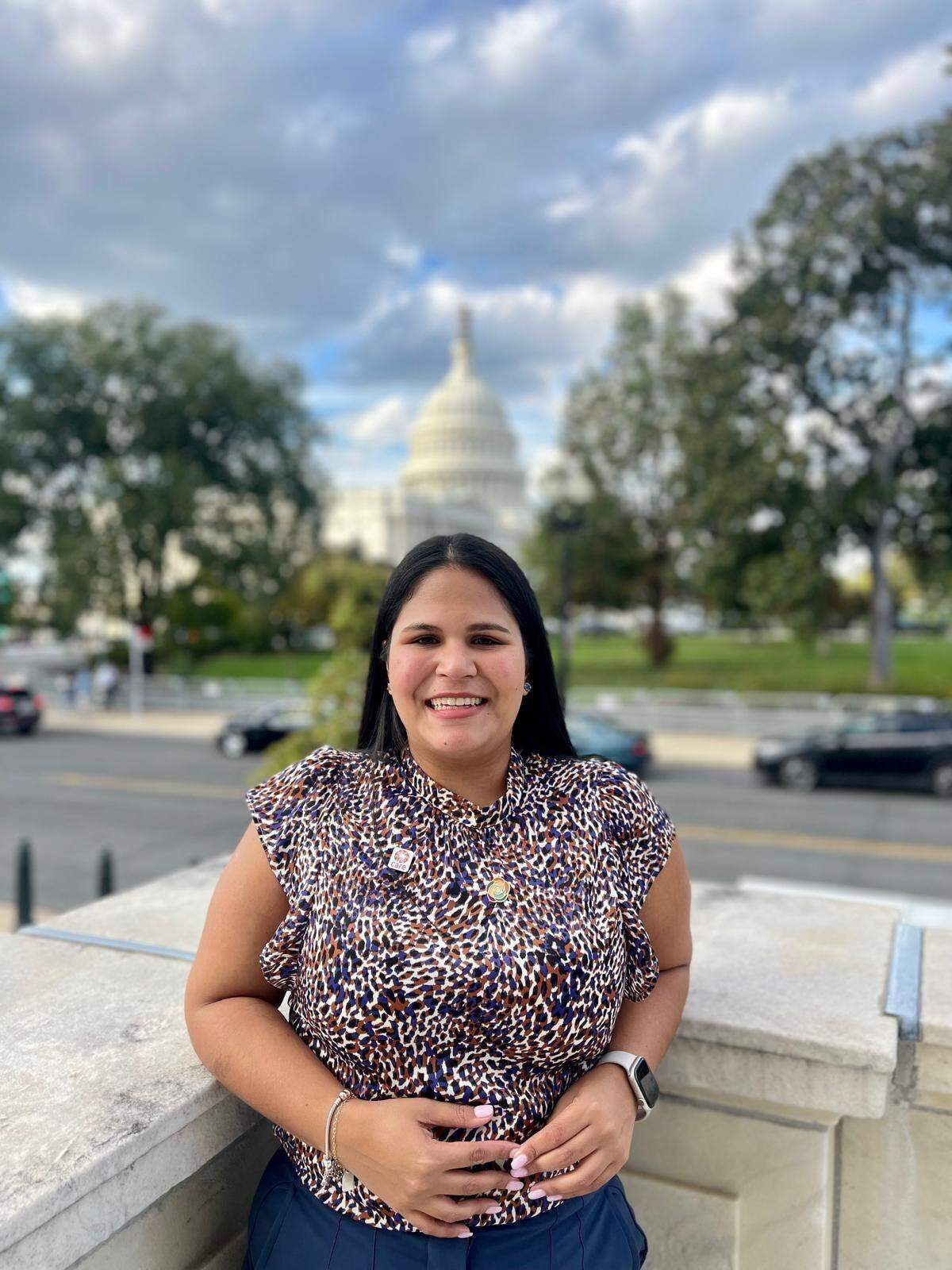
González Herrera, the only plaintiff residing in Florida, described her community as survivors of political persecution under the Venezuelan regime.
“This law was designated to protect people that cannot return home safely, which is the case of hundreds of thousands of Venezuelans,” she said. “Yet this administration is trying one more time to strip this protection from hard working, honest people who are just focused on contributing to this country.
“We Venezuelans have learned that when things get tough, we have two options: flee or fight,” she added. “Today, we choose to fight.”
‘Sign of systemic failure’
The reaction from legal experts and immigrant advocates was swift and blistering.
“The Supreme Court’s order was curt,” said Emi MacLean, senior staff attorney at the American Civil Liberties Union and attorney for the Venezuelan plaintiffs. “It effectively eviscerated the meaning of the statute Congress passed to protect people who cannot safely return home.”
MacLean criticized Homeland Security Secretary Kristi Noem for acting “entirely contrary to the law’s intent.
“That the Supreme Court would condone that, even temporarily, is outrageous,” MacLean said.
Attorneys for the Venezuelan community expressed deep disappointment with the legal system after the Supreme Court’s decision to end TPS, warning it could lead to the largest mass removal of immigration protections in modern U.S. history.
Ahilan T. Arulanantham, senior counsel at the ACLU who also represents the Venezuelan plaintiffs, said he couldn’t overstate his disappointment with the legal system as a whole.
“It failed our country. It failed this vibrant community,” Arulanantham said. “And it’s a sign of systemic failure.”
The legal team is now urgently exploring all remaining options to protect the seven Venezuelan plaintiffs, four Haitian co-plaintiffs, and the 120,000 members of the National TPS Alliance, which represents a large portion of the 600,000 Venezuelans covered by TPS.
The Supreme Court’s decision provides no direction on implementation, leaving attorneys, advocates and the federal government scrambling for clarity.
The federal court in San Francisco, where the original lawsuit was filed in February challenging the government’s termination of TPS for Venezuelans as unlawful, politically motivated, and racially biased, is now moving forward to assess the fallout from the Supreme Court’s decision.
The court has requested a formal status report by May 26, requiring both the federal government and plaintiffs to evaluate the significance and implications of the ruling.
A hearing is scheduled for May 29, where both parties will present their legal interpretations of the Supreme Court’s abrupt order—and outline what comes next for the more than 350,000 Venezuelan TPS holders now facing the loss of their legal protections and work authorization.
‘We don’t understand the cruelty’
“Despite this painful and unjust decision, we still have legal avenues left,” said Adelys Ferro, executive director of the Venezuelan American Caucus. “We don’t understand the cruelty being directed at our community, especially against those who have followed the rules, contributed to this country, and simply sought safety.”
Ferro pointed to rising xenophobia, saying that since February, Secretary Noem irresponsibly labeled all 600,000 Venezuelan TPS holders as “criminals.”
“For tens of thousands of politically persecuted Venezuelans, deportation isn’t just displacement. It means prison, persecution, and death,” Ferro said, adding her frustration at political leaders who once stood with Venezuelan refugees but have now gone silent.
“I don’t understand,” Ferro said. “Marco Rubio, now Secretary of State, supported us when we were most vulnerable. Where is that support now?”
While the Supreme Court has cleared the way for TPS termination, the absence of reasoning or a timetable leaves the community in uncharted legal territory. Attorneys and immigrant advocates are calling on the Trump administration to immediately clarify the order’s implications and consider alternative protections.
For now, the message from the Venezuelan community is clear: They will not go quietly. They will fight.
“We are not criminals. We are survivors,” González Herrera said. “We’re survivors who were looking for for some shelter, for safety and opportunities in this country. And we all deserve the chance to thrive without the fear of being sent back.
This story was originally published May 19, 2025 at 5:09 PM.