‘Trapped in limbo’: Trump immigration orders leave 350,000 migrants stranded in Mexico
Seeing how a batch of executive orders issued by President Donald Trump on the first day of his presidency effectively closed down the Mexican border for migrants headed to the United States, Ronald Alvarez had the sinking feeling that he and his family had just lost the race for salvation.
Weeks earlier he had crossed the treacherous Darien Gap between Panama and Colombia, most of the time carrying his four-year-old son on his back through the slippery hills and the narrow, muddy paths of the snake- and predator-infested jungle. By the final day, he and his wife, Beatriz Rubino, were famished, dehydrated and exhausted to the point of collapse, but feeling immensely relieved in the knowledge that they had just come through the hardest test of their lives. They had survived. Many others they had encountered on their six-day odyssey were badly injured — or dead.
And now, finding themselves stranded in Tapachula, Mexico, near the border with Guatemala, Alvarez is frightened by the prospect of having to cross the Darien Gap again, this time on the way back to Venezuela, from where they had started. “What we went through the Darien is an experience I don’t wish on anyone. It was very ugly. We saw many ugly things,” Alvarez told the Miami Herald. “I can’t make my family go through that again.”
And yet, he might end up having to do just that. Alvarez and his family are among an estimated wave of 350,000 immigrants who had raced towards the U.S.-Mexico border hoping to get into the United States before things changed under a new administration. Having run out of time and lacking funds to buy airplane tickets, they now find themselves stranded in Mexico, fearing it would be useless to move forward but finding no clear way of turning back.
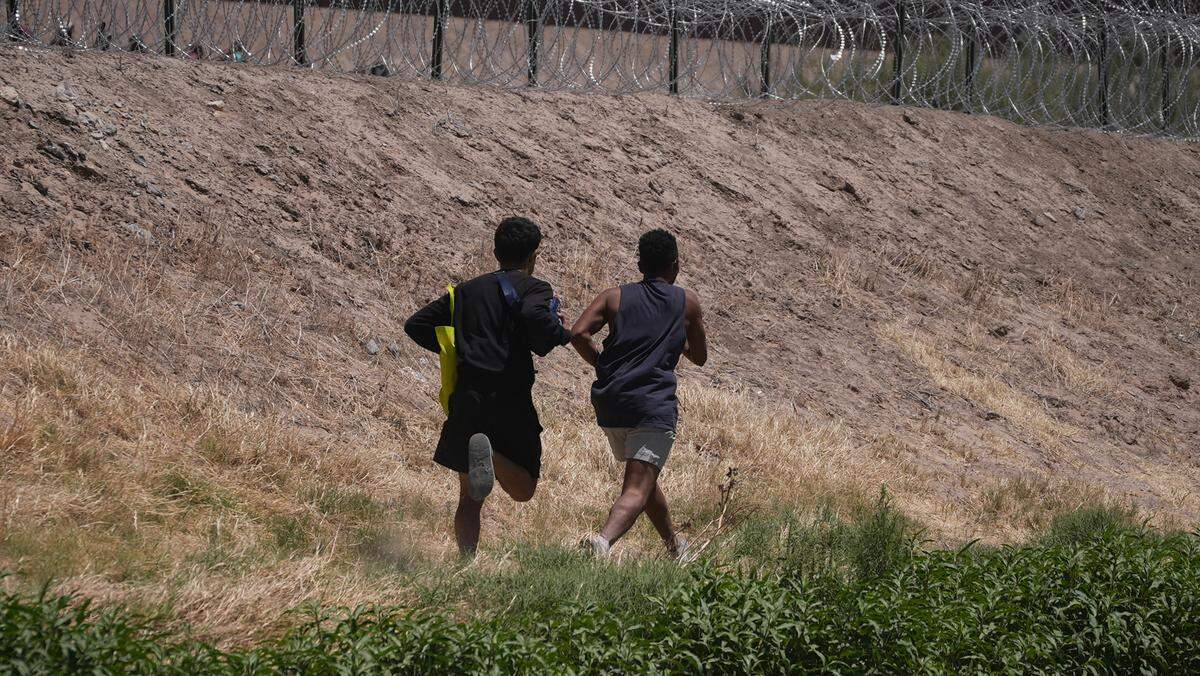
“They are trapped in a limbo of indecision,” said July Rodriguez, director of Venezuelan Migrant Support in Mexico. “There are some people who are saying, ‘I am going to wait a couple of months to see if Donald Trump does something and allows me to go through’. There are others that have begun to give up and are exploring the possibility of moving on to Spain or to some other country that would take them, and there are others contemplating making their way back. But the vast majority don’t know what to do.”
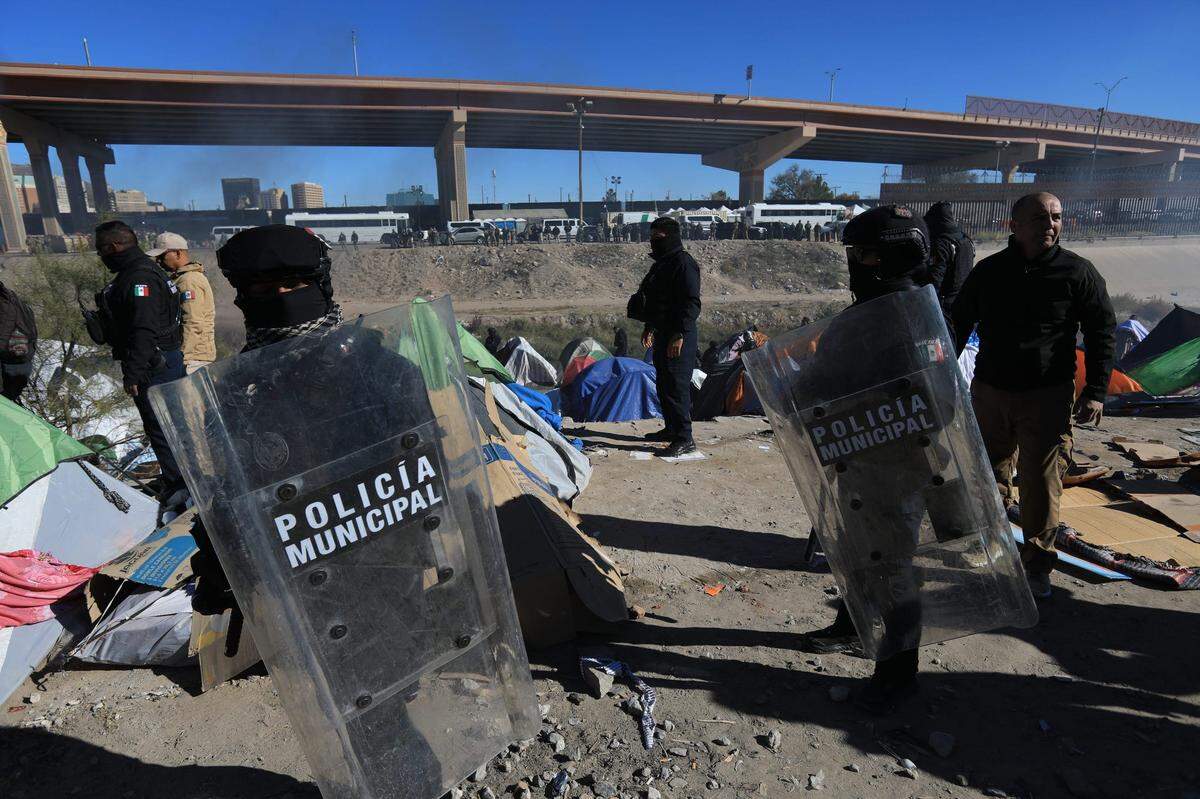
The Mexican government appears to be ill equipped to deal with the crisis. For the most part, it has attempted to keep most asylum keepers in the southern part of the country, from time to time clearing the makeshift camps migrants have set up. Most migrants see local immigration officials as a hindrance rather than a help, because Mexican authorities have conducted raids throughout the country, and any immigrants caught are given 10 to 15 days to resolve their status or leave Mexico.
Rodriguez said that international entities, such as the United Nations’ International Organization for Migration, were paying for airplane tickets last year for migrants wanting to return to their home countries, but they stopped doing that around mid year. The U.N. agency “is not helping anybody right now so migrants are left to find a way out by their own means,” she said.
While no one has an official breakdown of the different nationalities that make up the mass wave of migrants who are stranded, in the past few years the trend of people moving to the border has been dominated by Cubans, Venezuelans, Haitians, Colombians as well as nationals from different Central American countries, in addition to Mexicans.
Many of them had already applied for an appointment with U.S. officials at the border through CBP One, an app set up by the Biden administration to initiate the asylum process before reaching the border. The Alvarez family was among them. They had been waiting patiently for two months in Tapachula for their appointment date. But they never got the notice and Trump suspended the app in the first hours of his administration.
Even people who had considered themselves lucky because their appointments had already been issued discovered they had been canceled, including those set for Jan. 20th — the day of Trump’s inauguration.
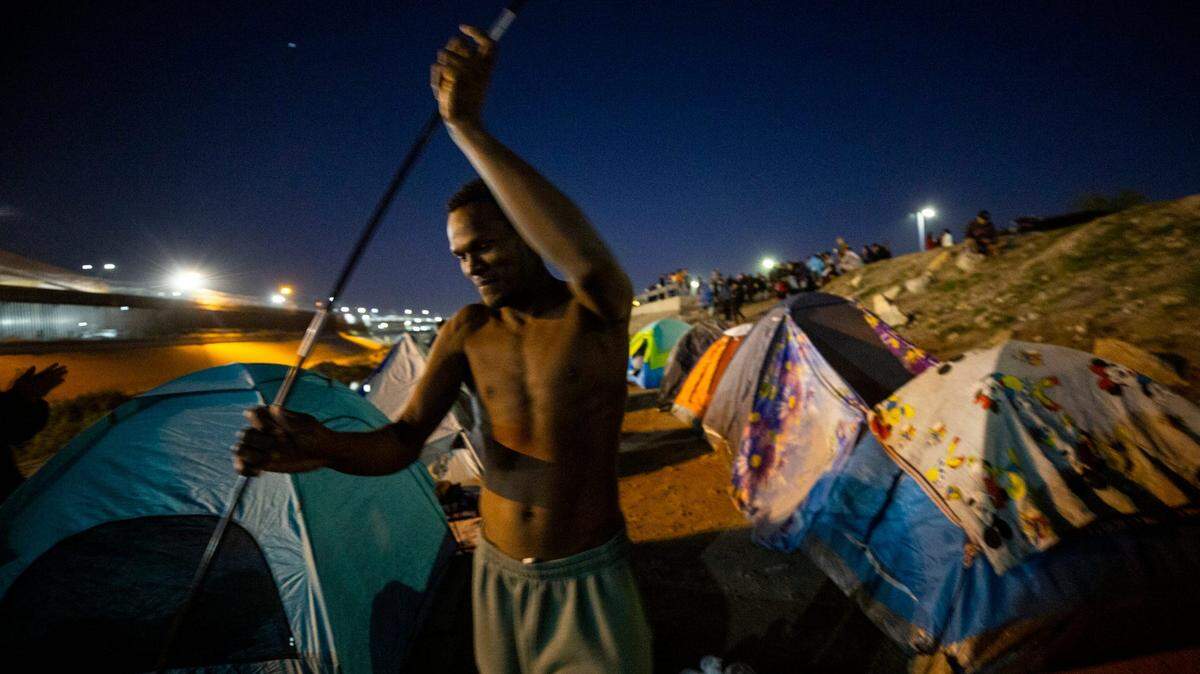
Most migrants feel their situation is very precarious in Mexico and their welcome is quickly wearing out. A large number of them sleep in camping tents. Those with a little money have been able to rent rooms, but these are expensive.
Many of them have been robbed at gunpoint at different times from the long journey from northern Colombia, through the Darien Gap and Central America, frequently by organized gangs that have found in the desperation of the migrants a robust source of income. The worst incidents have been reported inside Mexico, where cartels have adopted the practice of kidnapping migrants by the busload, forcing their victims under threat of death to give all they have and then calling their families and demanding hundreds of dollars in ransom. Those that refuse or whose families can’t come up with the money often disappear.
José Zambrano, another Venezuelan migrant who managed to reach Toluca Lerdo, 40 miles west of Mexico City, said he went through a harrowing time crossing the Darien Gap.
“We saw four dead bodies in the jungle, all of them young, some of them recent, but others had already been eaten by animals and were mostly skeletons. We also saw people with severe injuries. One 23-year old fell from a rock and broke his arm in two, from his wrist upwards. He said he couldn’t feel anything. I think it was because the injury had numbed his arm, but I knew the pain would be overwhelming once it came,” Zambrano said. “We gave him medicine before we continued, but never saw him again,”
Zambrano, who left his native Venezuela in September, also fell ill while crossing the jungle. Drenched by constant rains, he developed a high fever by the second day, and became so weak that he ended up throwing away all the spare clothes and other items he had been carrying.
He and his group were also kidnapped in the jungle. They were freed after they paid the ransom, but later learned the kidnappers had also taken two young girls from another group with them and when the girls returned they told their mother they had been raped. “Their mother wanted to die once they told her,” he said.
And yet, those experiences paled in comparison to what his group experienced once they entered Mexico.
“We were kidnapped by the Oaxaca Cartel and they held us and took everything from us. They later forced us to contact our families and beg them for money, which most of them didn’t have. And we managed to obtain the money to pay them but instead of setting us free, they handed us to another cartel... and they forced us again to call family members and anyone we knew in the United States, to obtain more money,” he said. “They kept his up until they bled us dry.”
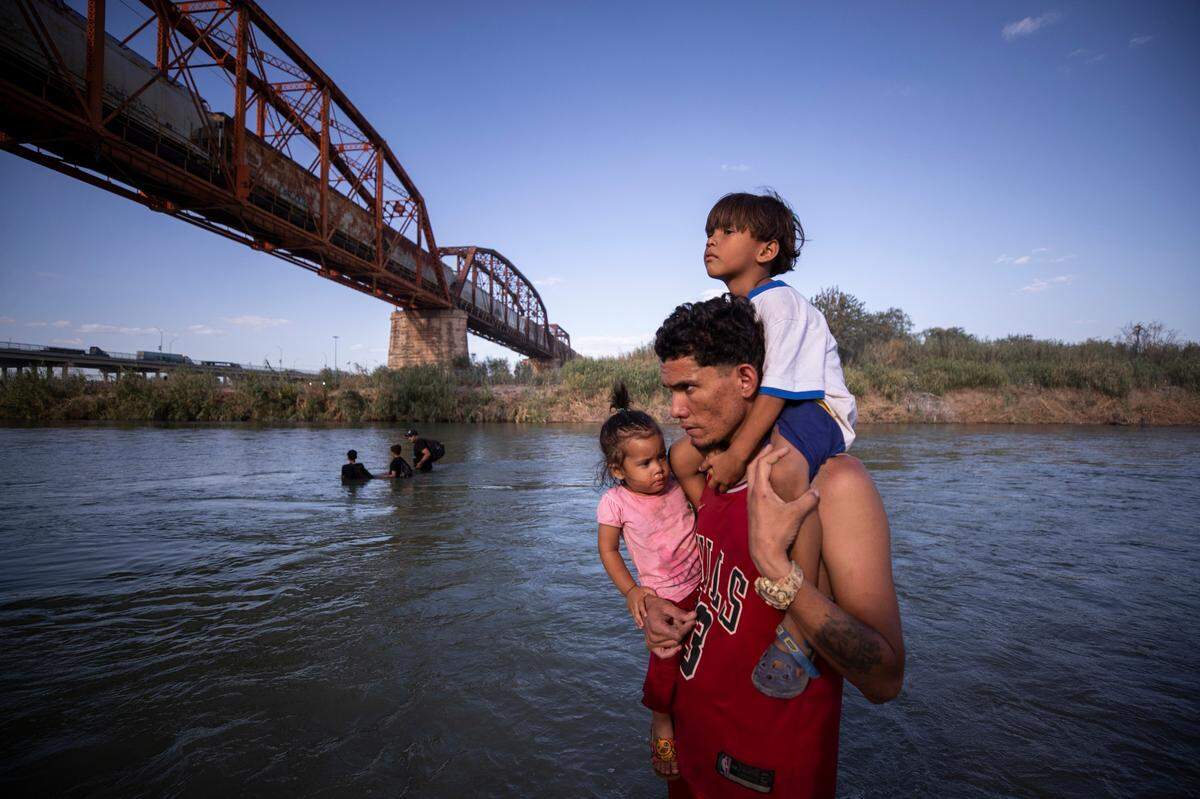
“As bad as the Darien Gap was, the truth is that I ten times prefer to make my way through the jungle than to continue crossing through Mexico,” he added.
Those finding themselves without funds on the way north often turned to working on the streets to earn enough to sustain themselves and perhaps save enough to move on. Alvarez and his wife had been selling food to other migrants forming lines daily to enter into the immigration office in Tapachula, where they could obtain the papers needed to stay in the town – Mexico’s main entry point for those coming in from Central America – or to cross the country towards the U.S. border.
But that source of income was completely cut off following Trump’s inauguration. The cancellation of the CBP One app put an end to the long lines and Alvarez and his wife found themselves unable to earn money.
“The truth is that January 20th fell upon us like a ton of bricks,” Alvarez said. “Now there are quite a few immigrants sleeping on the streets without having a way to earn enough money to turn back.”
This story was originally published January 31, 2025 at 11:25 AM.