Trump blocked path to green cards for low-income immigrants. Biden removed that hurdle.
Legal immigrants in the United States who receive public benefits will no longer face hurdles imposed by the Trump administration to obtain their permanent resident cards or green cards.
The 2019 final rule on Public Charge ground of inadmissibility — a harsh policy that impacted low-income immigrants who wanted to adjust their status as well as foreign nationals applying for immigrant visas — has been vacated and removed by the Biden Administration, the Department of Homeland Security announced this week.
U.S. Citizenship and Immigration Services (USCIS) also provided updated guidance on the public charge, stating that the agency no longer will apply its August 2019 Public Charge Final Rule.
The policy governing a determination that an immigrant is inadmissible or ineligible to adjust status dates back decades, but the Trump Administration changed the standard that DHS uses when determining that a person is likely to become a public charge.
Therefore immigrants who received social benefits such as food stamps, housing assistance, cash benefits and federally funded Medicaid services, could be declared by USCIS adjudicators as not self-sufficient.
USCIS’ policy update changes course and notes that the agency “is not considering an applicant’s receipt of Medicaid (except for long-term institutionalization at the government’s expense), public housing, or Supplemental Nutrition Assistance Program (SNAP) benefits as part of the public charge inadmissibility determination.”
Simultaneously, DHS has also withdrawn a proposed rule by the previous Administration regarding the Affidavit of Support, which meant to force immigrant’s U.S. sponsors to commit to reimburse the government for any public aid received by their sponsored relatives.
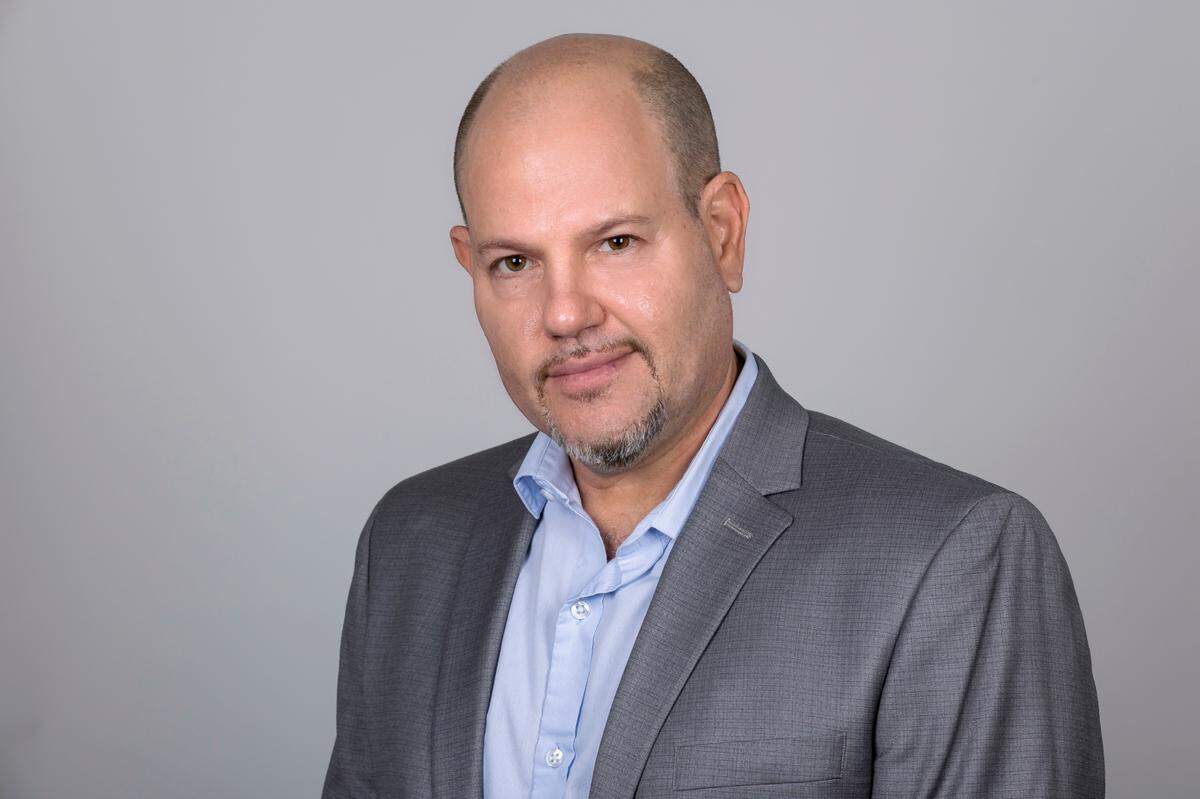
“DHS closed the book on the public charge rule and is doing the same with respect to a proposed rule regarding the affidavit of support that would have placed undue burdens on American families wishing to sponsor individuals lawfully immigrating to the U.S.,” said DHS Secretary Alejandro N. Mayorkas, in a news release.
The Cuban-American official stressed that his department “is committed to implementing reforms that improve our immigration system and reduce unnecessary barriers to legal immigration.”
U.S. removes public charge ground of inadmissibility rule
Ever since the 2019 public charge rule was implemented, numerous state governments and pro civil rights organizations have sued the U.S. government.
DHS will no longer defend the rule because it goes against “our nation’s values”, Mayorkas said in a separate statement.
He acknowledged that the rule “penalized those who access health benefits and other government services available to them,” an argument that has been used by pro immigrant groups.
Moving forward, USCIS will apply the public charge inadmissibility statute consistent with the 1999 Interim Field Guidance, which did not include social programs added by the 2019 rule.
In addition to Medicaid and food stamps, Trump’s government had included Supplemental Security Income (SSI), Temporary Assistance for Needy Families and Section 8 Housing Assistance, as benefits that categorized a person as not self-sufficient and, hence, not eligible for admission to the U.S.
Because the 2019 rule has been removed, applicants for adjustment of status to get their green cards no longer need to “submit Form I-944, Declaration of Self Sufficiency, or any evidence or documentation required by Form I-944 when they file their Form I-485,” USCIS explained.
The 2019 rules also affected non-immigrant visa holders seeking to extend their stay in the U.S. or change to another non-immigrant visa category. These applicants no longer need to provide information related to the receipt of public benefits, the agency added.
DHS said that “medical treatment or preventive services for COVID-19, including vaccines, will not be considered for public charge purposes.”
Read this story in Spanish in el Nuevo Herald.
This story was originally published March 13, 2021 at 3:17 PM.