‘Living on prayer’: Some Miami-area homeowners head into hurricane season uninsured
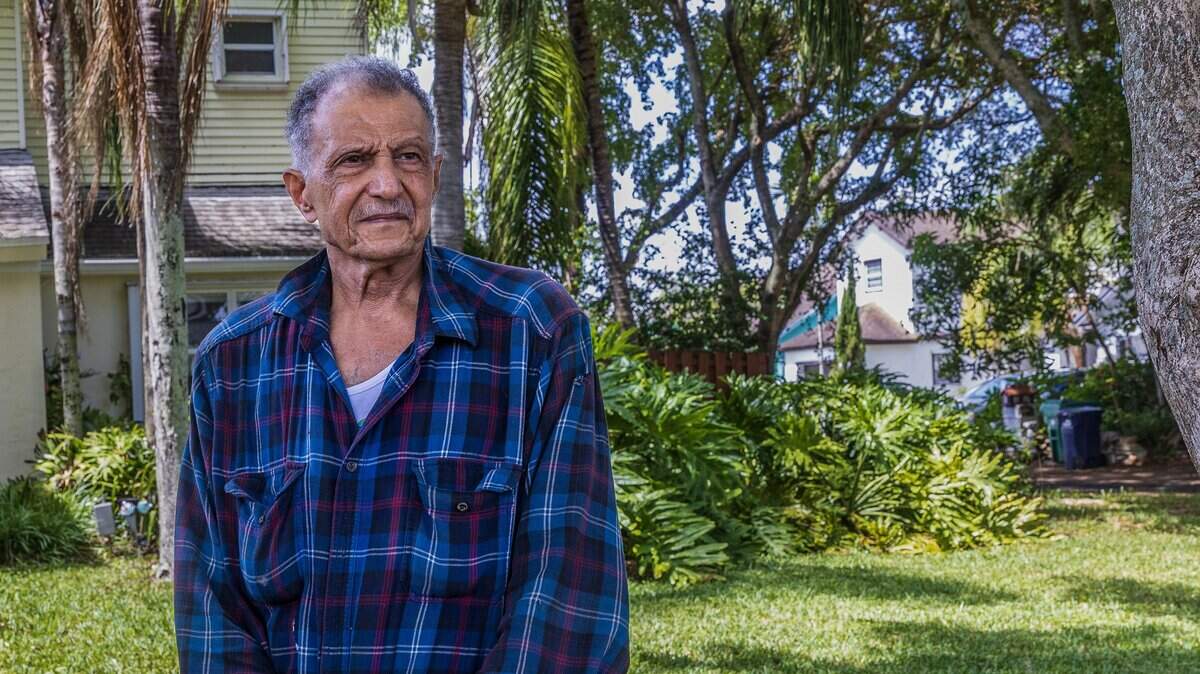
Giselle Torres’ homeowners insurance has gone up more than 1,100% since she moved into her one-story baby blue house near Opa-locka 35 years ago.
After her husband died unexpectedly last April, she couldn’t afford the bill when it came time to renew.
When she shopped around for coverage, she was quoted as high as $12,000 a year to insure her two-bed, one-bath house built in 1956. Her accountant suggested that she pull from her 401(k) to pay off her mortgage so she could drop her coverage. Lenders typically require homeowners insurance.
“It just kept going up,” Torres said. “The insurance is going to be worth more than the house is worth soon.”
For years, South Florida homeowners have watched insurance premiums soar as insurers pulled out of the state or tightened coverage in response to increasingly costly hurricanes, rising construction costs and litigation. A recent report found that Florida homeowners insurance premiums rose nearly double the national average between 2021 and 2025.
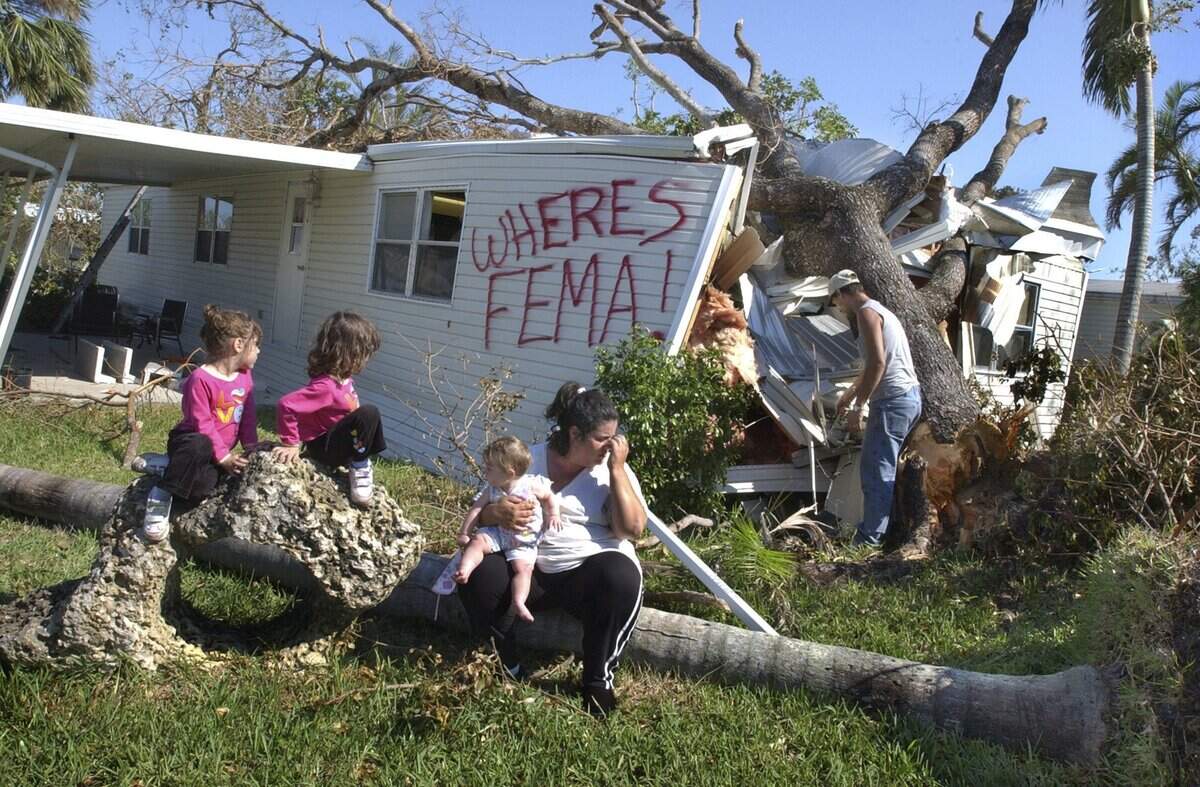
The region now ranks among the most expensive places in the country to insure a home, particularly for windstorm coverage tied to hurricane risk. As costs continue to outpace wages and retirement incomes, some homeowners are making a high-stakes calculation to go without insurance altogether.
“It’s like gambling,” Torres said. “It’s horrible to be thinking about it, and I’m just constantly, you know, making sure electrical outlets are okay. I mean, it’s terrible, really.”
She has a modest emergency fund, but jokes that if a hurricane or fire destroyed her home, she could probably only afford a pop-up shelter from Amazon for the backyard.
“I’n really living on a prayer,” Torres said. “If you think about it, all it takes is one thing to wipe me out.”
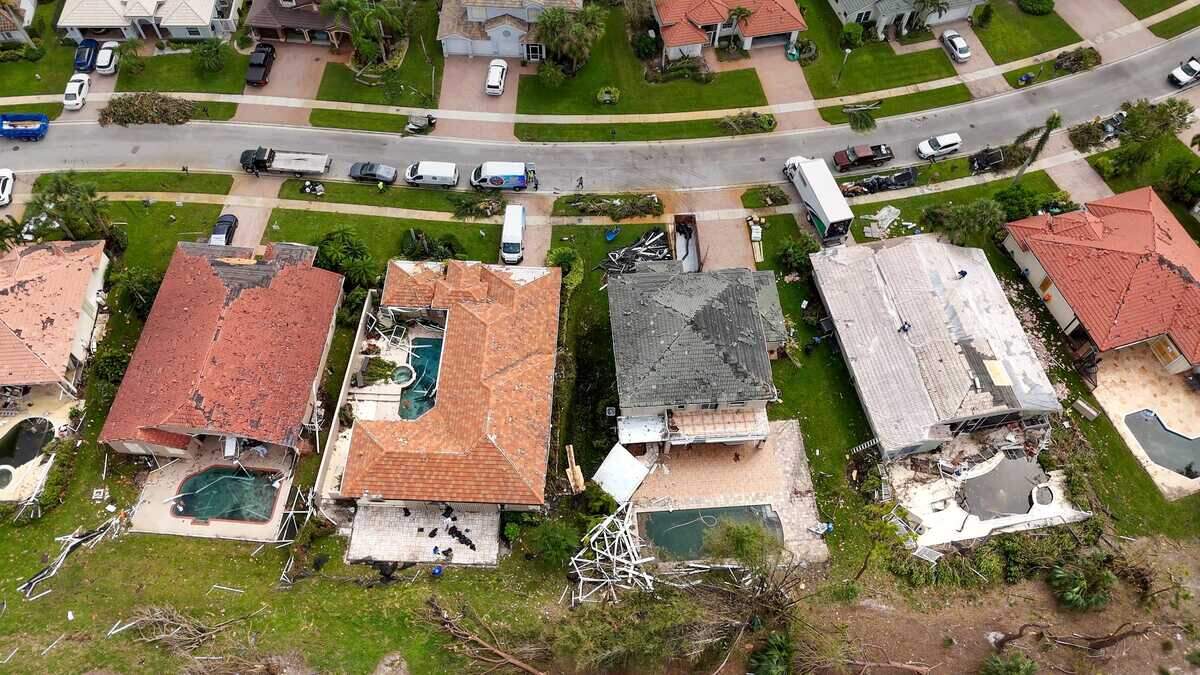
Torres is one of a growing number of Floridians choosing to “go bare” without homeowners insurance as hurricane season begins in June. Some, like Torres, say they have been priced out of the market. Others, particularly wealthier homeowners with the means to rebuild, would rather roll the dice.
According to Mark Friedlander of the Insurance Information Institute, which collects and analyzes data about insurance, about 15 percent of Florida homeowners do not carry property insurance, compared with a national average of 12 percent. Another report by the Coalition for an Insurable Future, a group established to find solutions to the country’s growing insurance crisis, said about 19 percent of owner-occupied homes in Florida were uninsured in 2024, making it the sixth least-insured state.
None of these studies take into account homeowners who opt out only of the costly windstorm coverage specific to hurricane damage, but keep the less expensive general policy, which covers things like fire, theft and general liability. The Miami Herald did a call-out to find residents who dropped homeowners insurance, and many pointed out that they only canceled windstorm coverage.
Some homeowners are betting the weather will be on their side. Forecasters say an El Niño pattern, which tends to suppress hurricane activity in the Atlantic, could help make for a quieter season. The National Oceanic and Atmospheric Administration predicts between one and three anticipated Category 3 or higher storms.
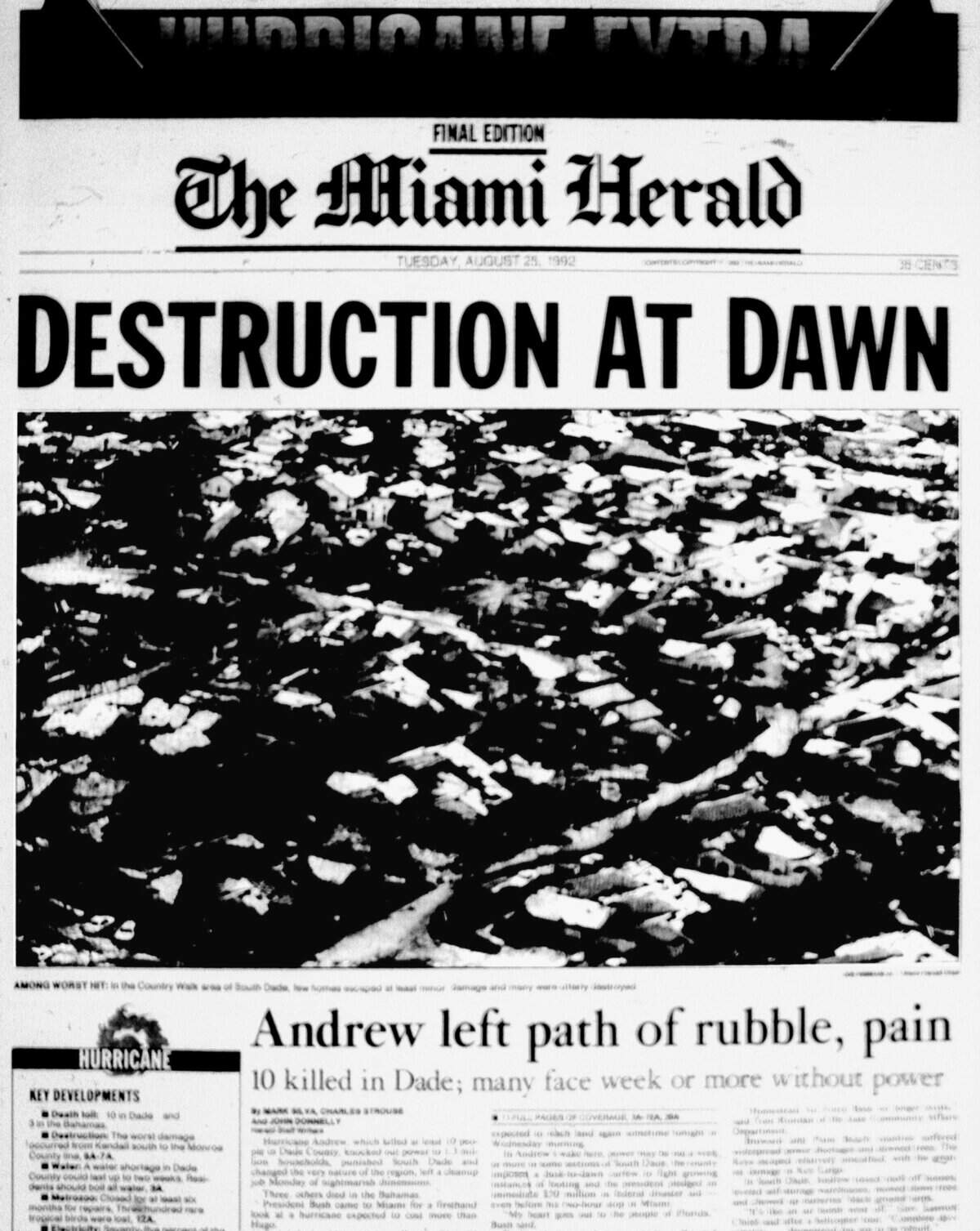
But experts warn that an El Niño year can bring big storms too. In 1992, for example, there were only five named storms—but Hurricane Andrew still made landfall in South Florida as a Category 5 storm.
But even so, for homeowners without property insurance, the risk of going “bare” and having to rebuild on their own dime is one they are willing to take.
Rolling the dice
As insurance costs climb, many homeowners are postponing major life decisions and cutting back elsewhere. A recent study said homeowners insurance in Florida can consume up to 4 percent of household income.
Finance analysts and insurance coalitions calculated that average 2025 property insurance premiums were between $5,000 and $6,000 in Florida.
One homeowner told the Herald she has delayed retirement to keep up with insurance payments. Another homeowner said rising costs forced them to shelve much-needed home renovations. Others said they were concerned that even if they did pay for an expensive insurance policy, they might not ever see money if they filed claims. Chloe Demrovsky, a professor at New York University, member of the Coalition for an Insurable Future and former FEMA National Advisory Council member, said most Americans cannot absorb a financial shock of more than $1,000, making insurance a critical safety net.
“Going uninsured can be losing your life savings,” Demrovsky said. “That home might be foreclosed on, and then they’re back as renters.”
.JPG "MIA_322HurricaneMilton10NEWPPP (1).JPG")
That is, unless the homeowner has substantial savings.
Nelson Garcia Jr., a lifelong Floridian who owns a home in Palmetto Bay, told the Herald that he decided to invest the money instead of getting a policy when he saw how expensive the quotes were to insure his new home.
“We’re throwing 12 grand down the toilet every year,” Garcia said. “Instead of giving it to an insurance company, I just put it into stocks and bonds.”
Garcia believes a new roof, impact-resistant windows and doors, and regular tree trimming have significantly reduced his home’s vulnerability to storm damage.
Robert Glidewell, a lobbyist, said after two cars flooded at their home in North Bay Village, he and his wife decided to go seek higher ground and newly constructed buildings. They ended up buying a $1.3 million house five bedroom, five-bathroom house in the affluent neighborhood of Parkland in north Broward.
When they moved to the new house, they got quotes for homeowners insurance with deductibles up to $50,000. They decided to just get a new roof and start saving the money in an index fund for a future emergency.
Once they reach the five-year mark, Glidewell said he and his wife agreed the savings could be used for a home remodel if no disaster strikes. But people have told him that “going bare” is reckless.
“It’s kind of a social faux pas,” Glidewell said. “A lot of people look at you like you’re crazy. But most of those people have mortgages. They don’t have that option.”
Even so, Glidewell said he isn’t ruling out returning to the market. Early next year, he plans to shop around again to see whether premiums have become more affordable.
“I mean, the decision we made, I can’t say it’s the right one, it was just the one we were both comfortable with,” Glidewell said.
What could be worse than Andrew?
Julio Baez has lived in his Homestead home since the early 1990s and the house survived Hurricane Andrew with minor damage. Nine years ago, after paying off his mortgage, Baez decided to go without windstorm insurance altogether.
Baez’s thinking was that if Hurricane Andrew was the worst storm Miami had seen, and his house survived, he should still be okay. Plus, now the roof’s been reinforced with plywood, he said.
But experts caution that the weather is unpredictable — and can take new paths.
“It’s not impossible that there could be something stronger than Andrew, or just different,” Demrovsky, the NYU professor, said.
Carolyn Kousky, executive director of the Coalition for an Insurable Future and a contributing economist at the Environmental Defense Fund, says that climate change is the most unnerving risk of all, creating new variables that could make damage more difficult to predict. For now, most experts think that climate change does affect the intensity of storms, but there’s still no scientific consensus on whether it creates more frequent storms.
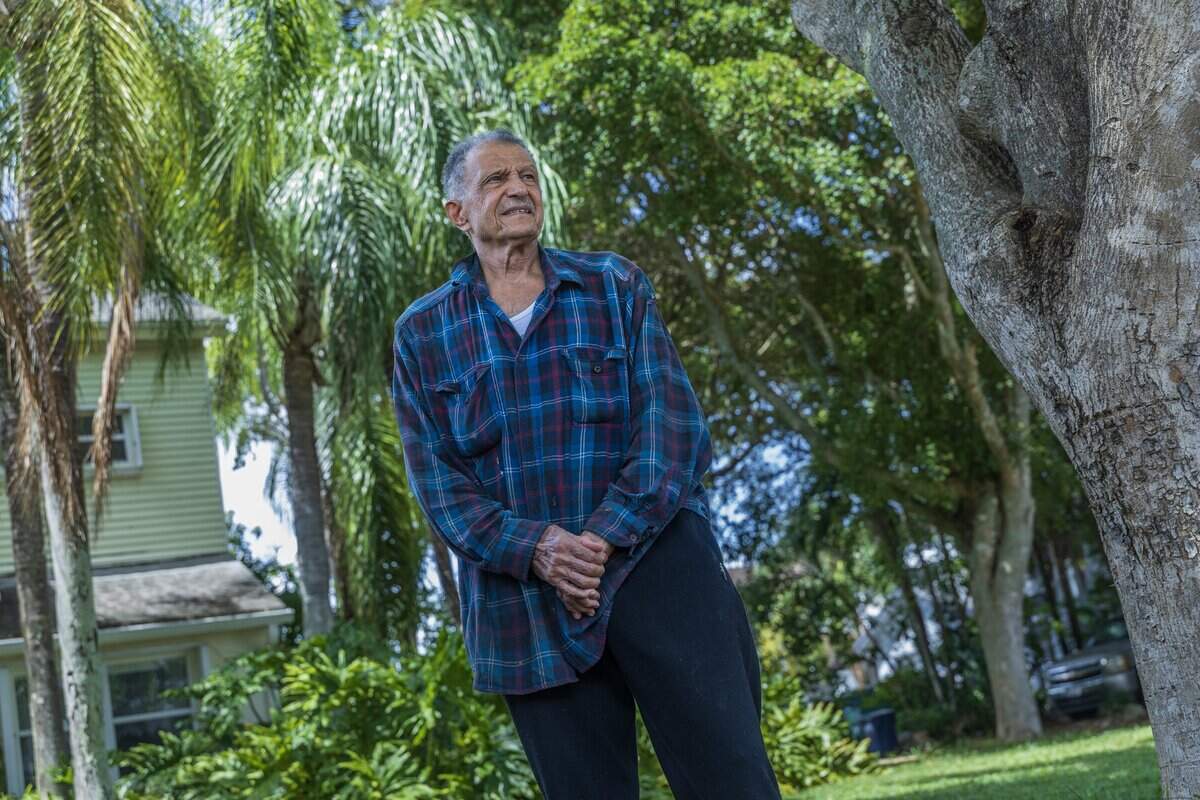
Baez still carries the basic homeowners policy through the veteran insurance, USAA, that costs about $2,000 a year.
When he recently checked rates with Citizens Property Insurance, the state’s insurer of last resort, he was quoted roughly $7,000 a year — thousands more than he had paid when he last carried coverage.
If his house ever gets damaged by a storm, his plan is to get a home equity line or mortgage to fix it.
“That’s my backup,” Baez said.
Returning to the market
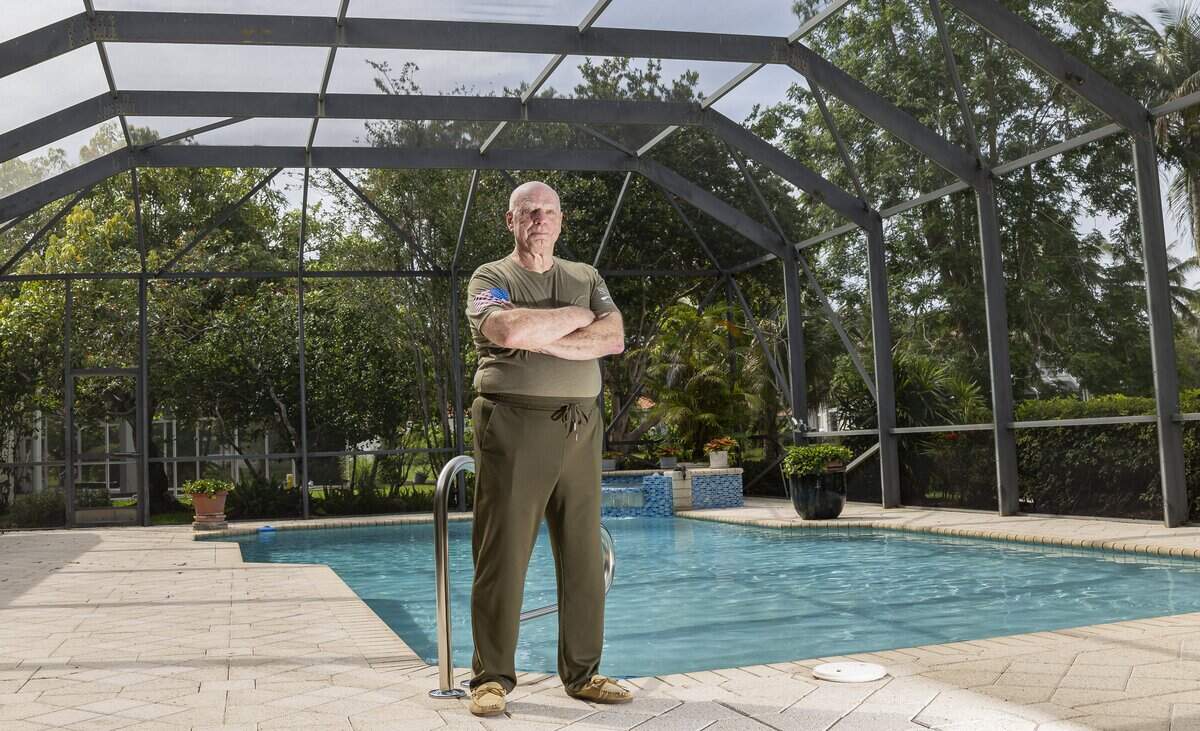
After Hurricane Wilma, the glass ceilings of the pool enclosure at James Weidener’s Coral Springs home shattered. He used insurance to fix it, but the next year, premiums skyrocketed from $4,000 to $15,000.
He opted out of insurance for seven years purely because he found the costs unreasonable.
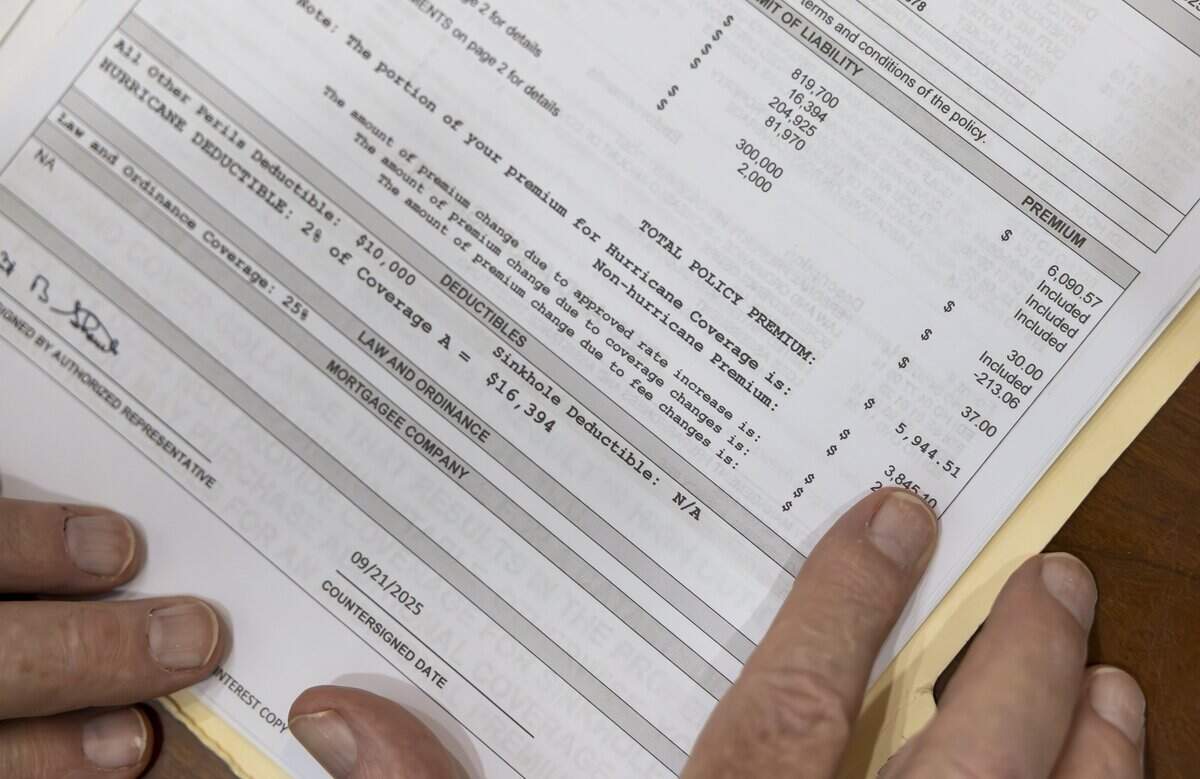
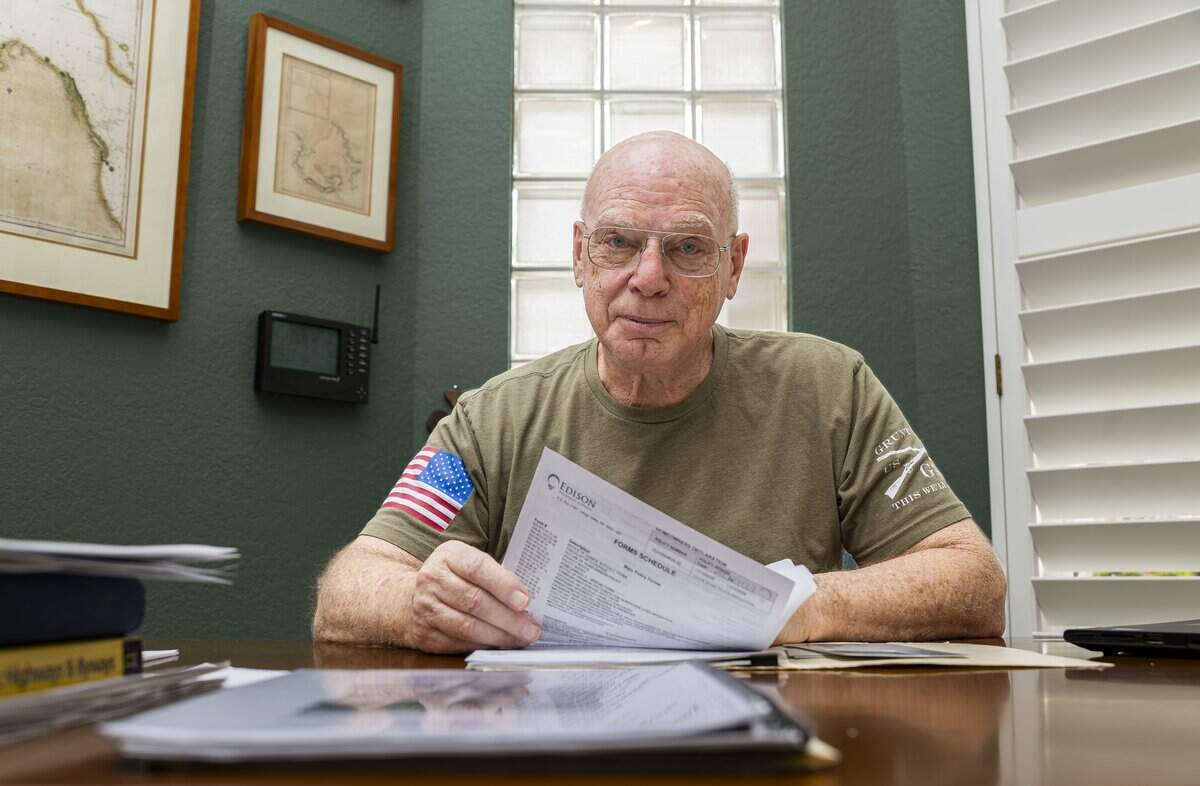
Then, three years ago, he changed insurance brokers and was able to get a new, reduced rate of $6,000, with a relatively small insurance company, Edison.
Changes to state laws between 2022 and 2023 are starting to have an effect on the market, and some homeowners have seen savings. The new laws made it harder and much more expensive for homeowners to sue their insurance companies. Before the changes, insurers that lost a lawsuit were often required to cover the policyholder’s attorney fees. Now, homeowners generally have to pay their own legal costs, even if they win.
The legislation provided insurers more flexibility to make partial repairs with similar materials instead of paying for full replacements in every case, and it shortened the deadline for filing property insurance claims after a storm or other incidents from four years to two.
Since the new laws took effect, 20 new private insurers have been approved to enter the state, according to Florida’s Insurance Commissioner Mike Yaworsky. The Florida Office of Insurance Regulation reported the new companies are part of more than $850 million in new capital that has entered the state’s property insurance market since the reforms.
Gov. Ron DeSantis reported that South Florida, which experienced some of the highest litigation-driven insurance costs in the state, will see the largest reductions, with 42,000 homes in Miami-Dade and 27,000 homes in Broward seeing 14 percent reductions in premiums.
“I don’t mind buying the insurance, I just didn’t want to be, you know, exploited, and it seemed to me that that’s what was happening,” Weidnener said.
Ashley Miznazi is a climate change reporter for the Miami Herald funded by the Lynn and Louis Wolfson II Family Foundation and MSC Cruises in partnership with Journalism Funding Partners.
This story was originally published June 6, 2026 at 4:30 AM.