Homeowners insurance in Florida increased at double the national rate, report says
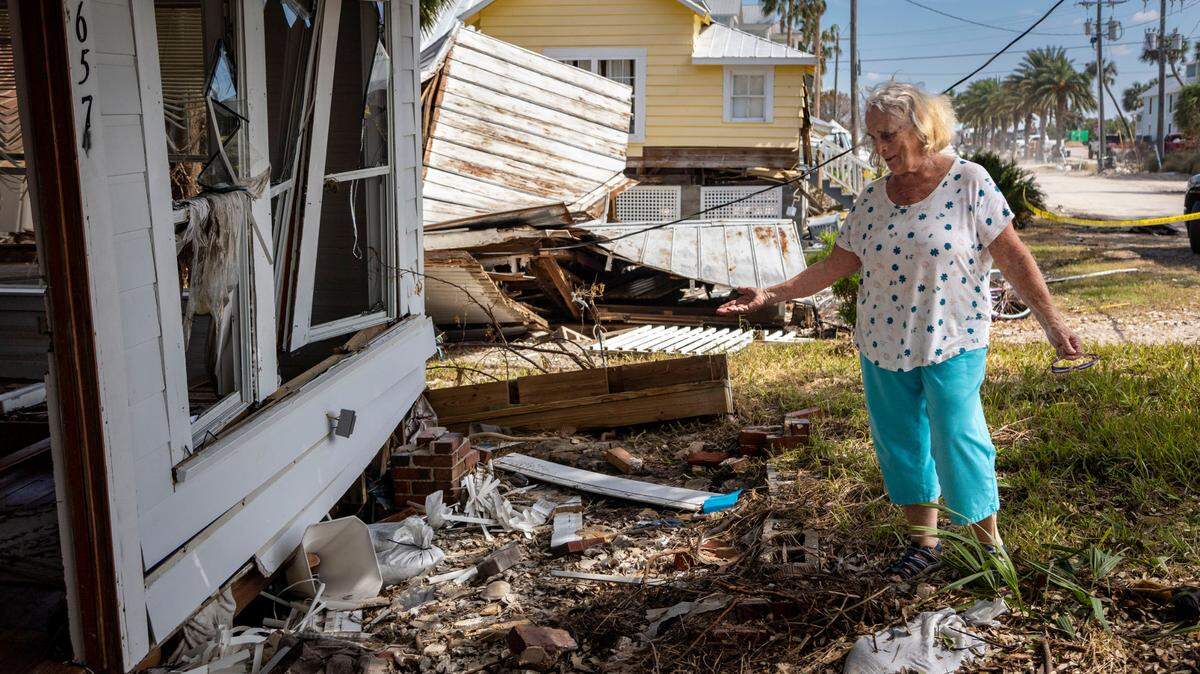
A new report found that Florida homeowners’ insurance premiums rose nearly double the national average between 2021 and 2025.
Across the United States, homeowners insurance premiums increased an average of 38 percent, while in Florida, premiums shot up 75 percent during the same period, according to a report from national nonprofit group the Coalition for an Insurable Future.
There’s no consensus on what’s driving Florida’s soaring insurance rates. The report points to increasingly costly weather events — many of which are intensified by climate change — but some industry experts blame years of rampant litigation and soaring reinsurance costs.
And despite recent state reforms that have helped stabilize parts of the insurance market and drawn some insurers back, the report projects continued steep increases, primarily because of extreme weather events driven by climate change.
Policymakers continue searching for ways to ease financial pressure on homeowners. Carlos Curbelo, a former Republican congressman and member of the Coalition for an Insurable Future, said rising insurance costs — driven in part by more intense climate-related damage — are forcing lawmakers to consider relief measures, including property tax cuts.
Even with changes to stabilize the insurance market, Curbelo said prices are still too high. According to the study, Florida had the highest homeowners insurance premiums as a share of household income in 2024, at 4.4% of mean household income.
“If we cannot get insurance premiums under control, we could easily see any gains from property tax relief eclipsed in a matter of years,” Curbelo said.
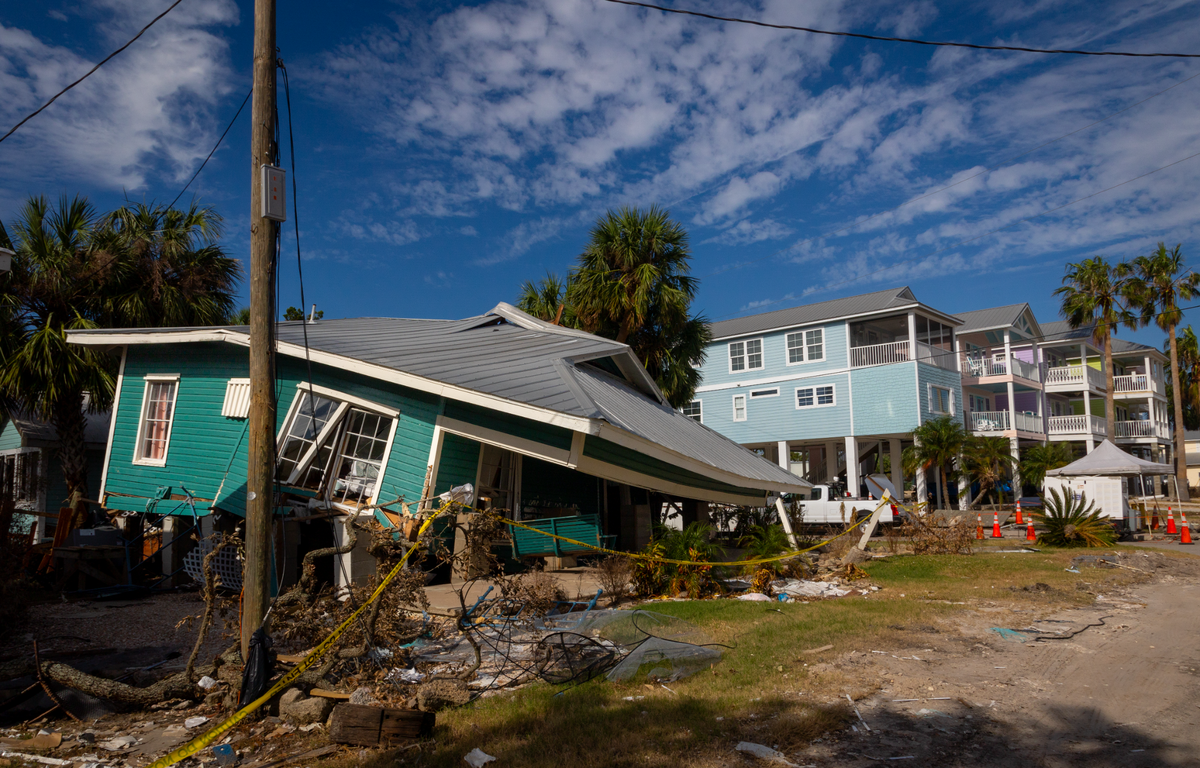
Climate change increasing pressure
Carolyn Kousky, executive director of the Coalition for an Insurable Future and a contributing economist at the Environmental Defense Fund, said broader economic pressures like inflation, labor shortages and rising construction costs have pushed premiums higher on a national scale.
“Coming out of COVID, we had that period of high inflation, we had labor market and supply chain disruptions,” Kousky said. “All of that made it more expensive to build, and when construction is more expensive, insurers have to pay more claims, and then that means they need higher premiums to compensate for that.”
Still, Kousky argues that while inflation and construction costs may eventually stabilize, climate change is the scariest risk of all.
“It means we need to fundamentally rethink how we’re doing risk management to stay ahead of that curve,” Kousky said. “I think it’s the much bigger problem when it comes to insurance prices.”
Sea levels have already risen by several inches, which means high-tide flooding and storm surge are reaching farther inland and happening more often. Scientists also say extreme downpours are becoming more common, increasing the chances of rain bomb events like the one in Fort Lauderdale a few years ago. And hotter, drier conditions can make wildfires easier to ignite and harder to contain.
Scientists are still studying exactly how climate change affects hurricanes, but they’re increasingly confident that warmer oceans and air are helping hurricanes dump more rain and intensify more quickly.
Senator Sheldon Whitehouse (D-RI) has been a leading voice in sounding the alarm that increased dependence on fossil fuels was pushing home insurance to the brink.
“Homeowners have seen premiums double or triple in the last several years,” Whitehouse said during a Mach 26 forum in Washington, D.C. “Many others have been dropped by their insurance company altogether, creating a huge, anxious and expensive hassle for the family.”
Decreased litigation helping market stabilize?
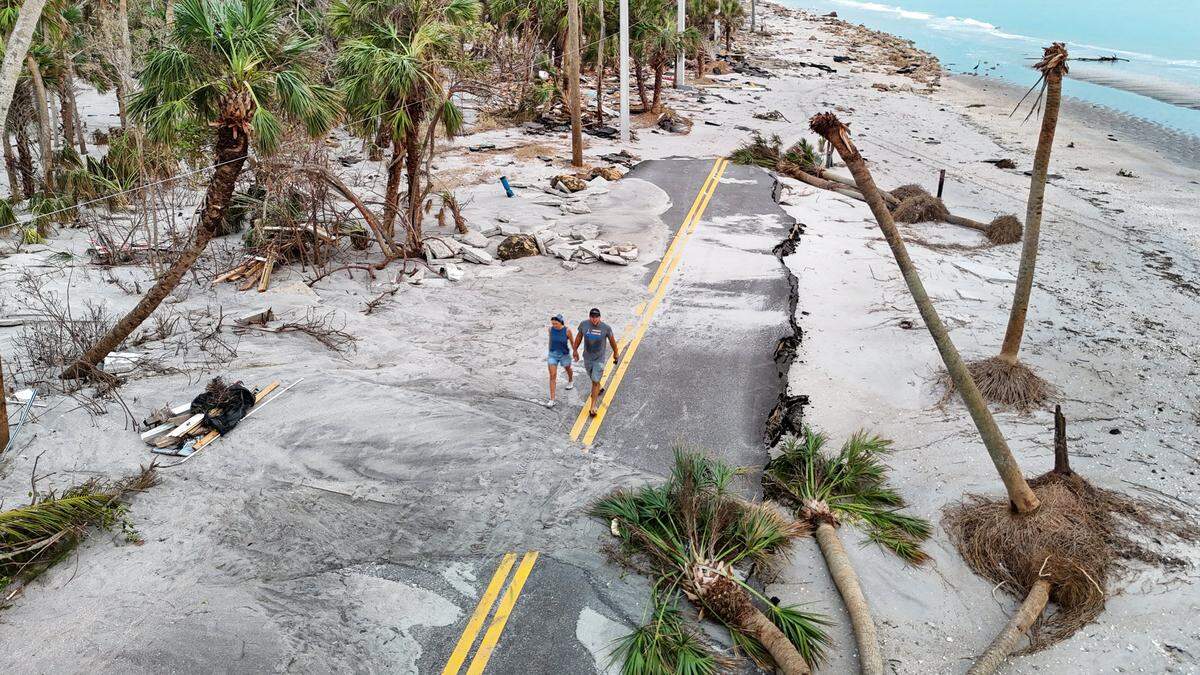
Florida has had significant hurricane activity in the last five years, with six making landfall between 2022 and 2024, including Hurricane Ian in 2022, which was one of the largest insurance loss events in U.S. history with an estimated $60 billion in losses.
While significant, Mark Friedlander with the non-profit Insurance Information Institute that researches for insurance firms, said hurricane damage is not what drove rate increases.
Instead, he points to lawsuits policyholders brought on insurers if their claims were denied.
“Most of these lawsuits, in our opinion, were not legitimate, excessive volumes of litigation,” Friedlander said.
Jeff Brandes, a former Florida senator and founder and president of the Florida Policy Project, agreed.
He said if a few shingles were damaged, but matching shingles were no longer made, homeowners sometimes argued insurers should pay to replace the entire roof. If insurers denied homeowners claims — or paid less than policy owners expected — they risked getting sued, he said.
Law changes between 2022 and 2023 made it harder — and far more expensive — for homeowners to sue their insurance companies. Before the changes, insurers that lost a lawsuit were often required to cover the policyholder’s attorney fees. Now, homeowners generally have to pay their own legal costs, even if they win.
The legislation provided insurers more flexibility to make partial repairs with similar materials instead of paying for full replacements in every case, and it shortened the deadline for filing property insurance claims after a storm or other incident from four years to two.
Friedlander found that since the passing of the new bills, litigation filings fell 23 percent year over year from 2023 to 2024, and then another 25 percent during the first half of last year.
Because of that, the market is beginning to stabilize, he said.
That doesn’t necessarily mean every homeowner will see lower premiums, since insurance is priced house by house and some companies may take longer to pass savings on to customers, he said.
Friedlander said the change of legislation is what’s “healing” the market and bringing insurers back to the state.
Since the new laws took effect, 20 new private insurers have been approved to enter the state, according to insurance Commissioner Mike Yaworsky. The Florida Office of Insurance Regulation reported the new companies are part of more than $850 million in new capital that has entered the state’s property insurance market since the reforms.
Florida’s reinsurance woes
Another reason homeowners insurance costs have been steep in Florida is because of the high cost of reinsurance, or insurance for insurers.
Brandes noted, “40 cents of every dollar that we bring in, or premium dollar, goes to pay reinsurance.”
He said a way to change that would be to rethink how money from the state’s Hurricane Catastrophe Fund is used. The fund, also known as the CAT fund, was created after Hurricane Andrew in 1992 caused massive insured losses in South Florida and pushed several insurers to the brink of insolvency or out of the state entirely.
The way the CAT fund is currently structured, insurance companies have to absorb a significant amount of losses first, so the fund mainly covers the less likely, truly catastrophic events.
That means insurers have to buy more of the costly lower-level reinsurance from reinsurance companies instead of getting that coverage through the Cat Fund, according to Brandes.
Brandes said It would make more sense for the Cat Fund to cover some of the lower, more expensive routine losses.
“We think that you would see five to seven percent savings across the board for Floridians. It is the superpower Florida doesn’t use,” Brandes said.
Ashley Miznazi is a climate change reporter for the Miami Herald funded by the Lynn and Louis Wolfson II Family Foundation and MSC Cruises in partnership with Journalism Funding Partners.
This story was originally published May 21, 2026 at 4:57 PM.