On Valentine’s Day, outdoor workers want you to know ‘human cost of houseplants’
It’s Valentine’s Day, and thousands of flowers and houseplants are being bought for loved ones.
But behind the beautiful orchids, monsteras and snake plants, plant-nursery workers in Miami-Dade County say there’s a “sad and ugly reality” that most consumers never see.
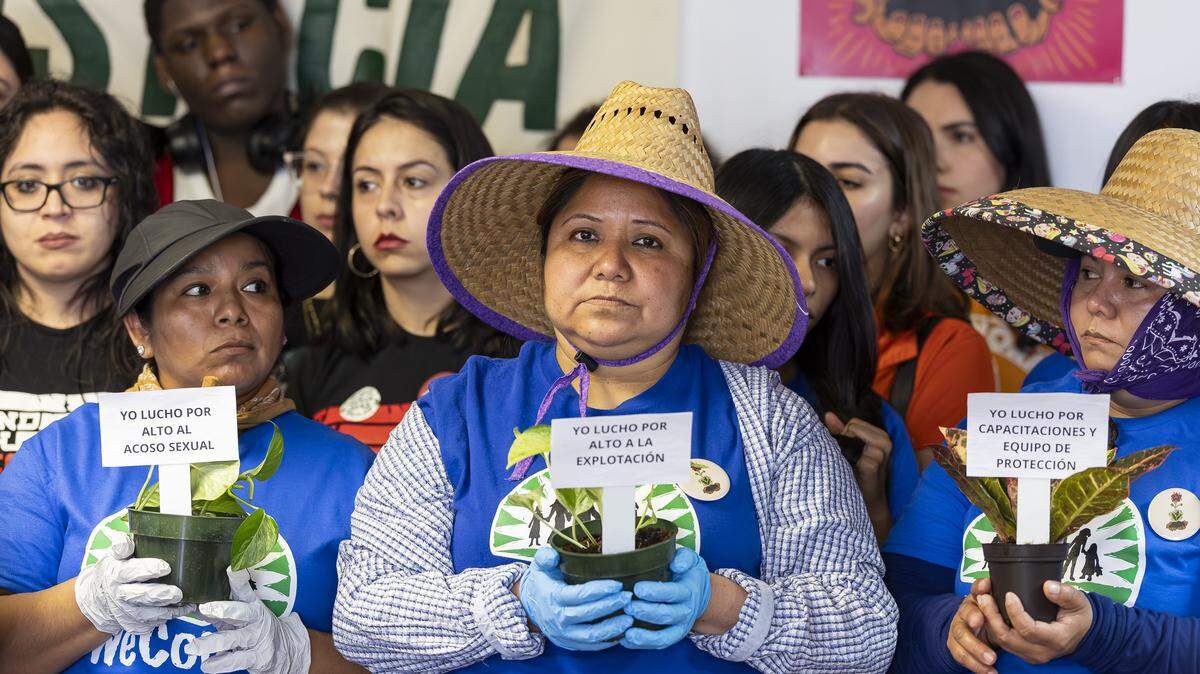
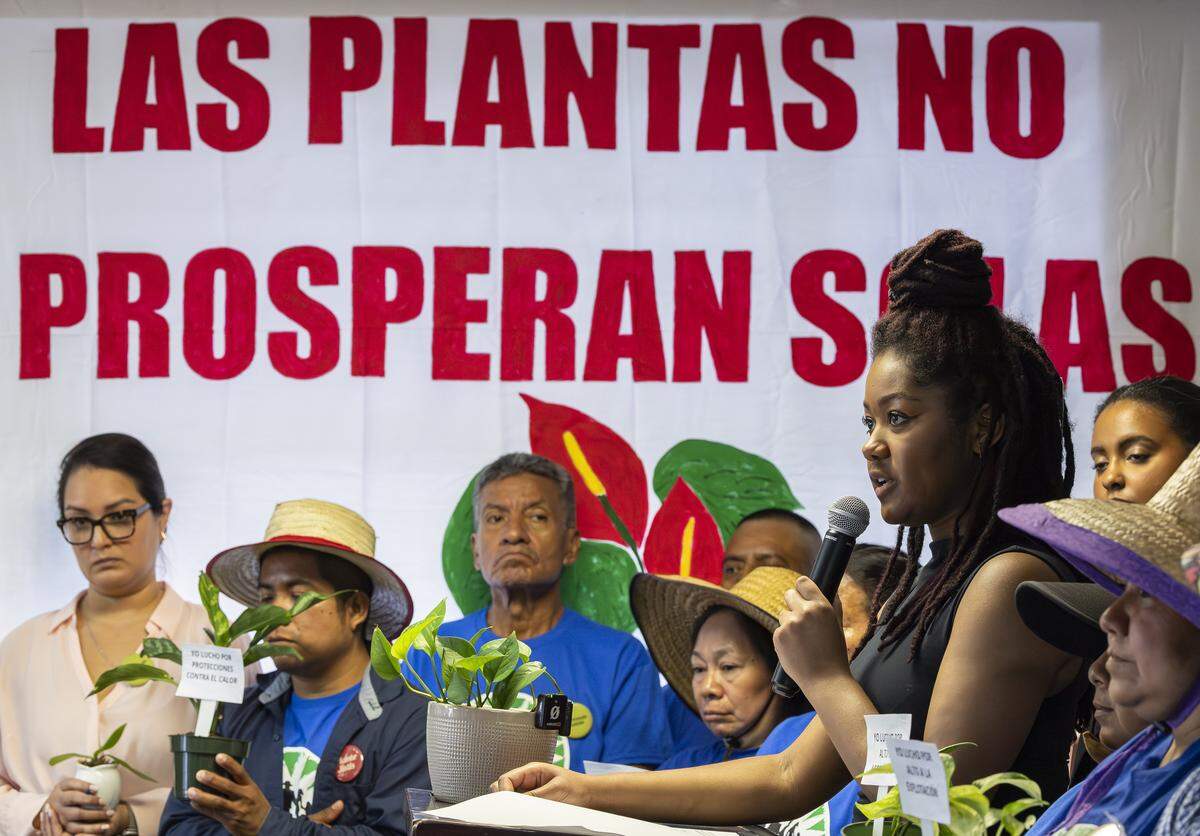
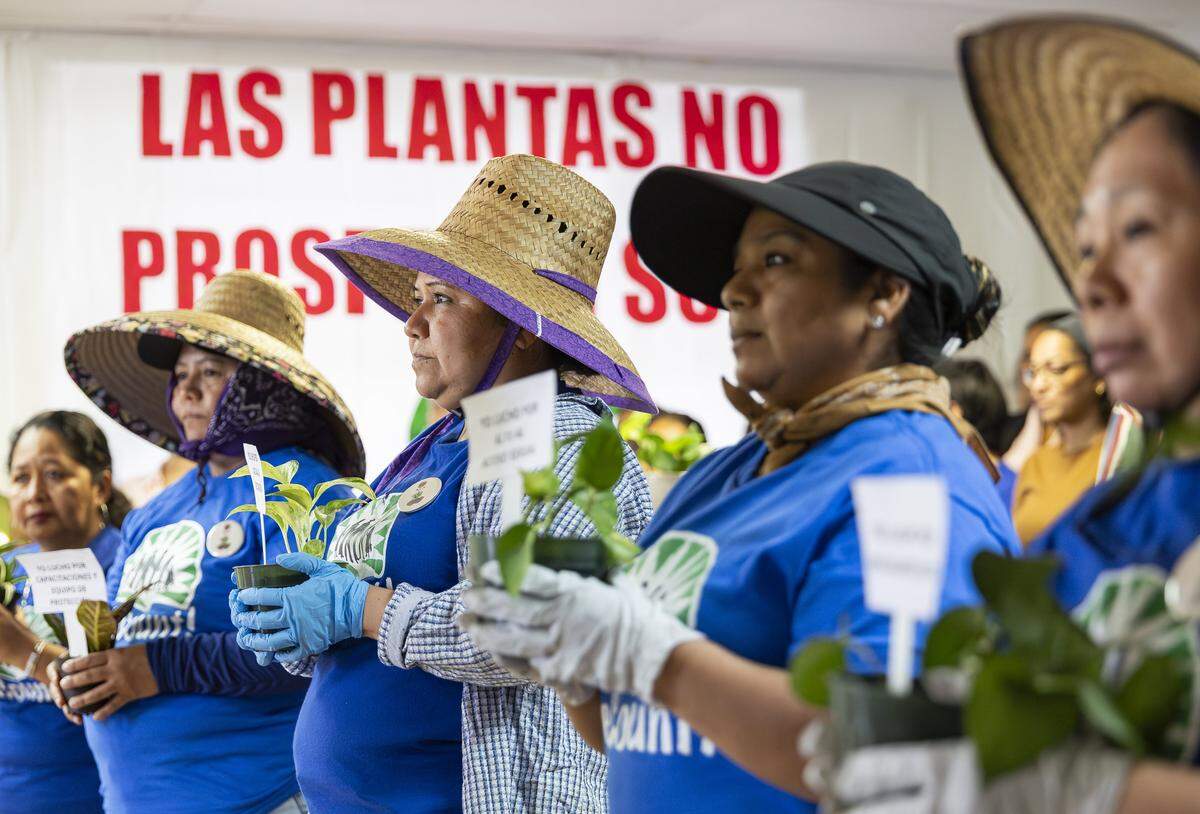
On Saturday, workers gathered at WeCount! headquarters in Homestead to launch a campaign called Planting Justice. The effort calls on major retailers — including Home Depot, Lowe’s, IKEA and Trader Joe’s — to commit to buying only from growers who follow a worker-developed “code of conduct.” The proposed standards include heat protections and oversight by an independent monitoring council.
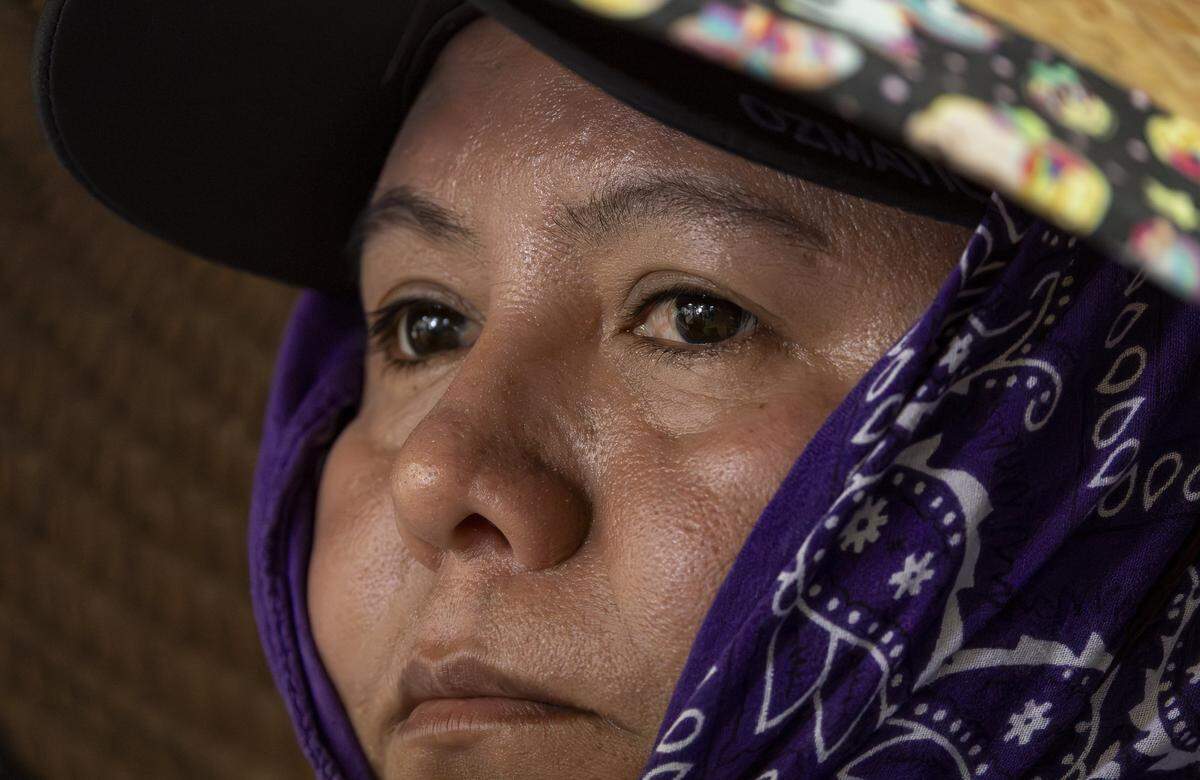
Joseph, who has worked in plant nurseries for five years, spoke in Creole about the toll that the job has taken on his health. He did not disclose his name out of fear of retaliation from his employer.
“We work very hard, and scorching under the sun is too hard to bear. We feel we are being burned by the sun. We get terrible headaches, dizziness and back pain,” he said.
Alongside the campaign launch, WeCount released a new report, “The Human Cost of Houseplants,” based on a survey of more than 300 plant-nursery workers in South Florida. According to the report, 86% said they had gotten sick on the job — most often from heat and pesticide exposure. More than four in five said they were not provided shaded breaks in hot weather, and 32% said they had no access to drinking water.
READ MORE: Blocked by lawmakers, plant nursery workers turn to retailers on heat safety
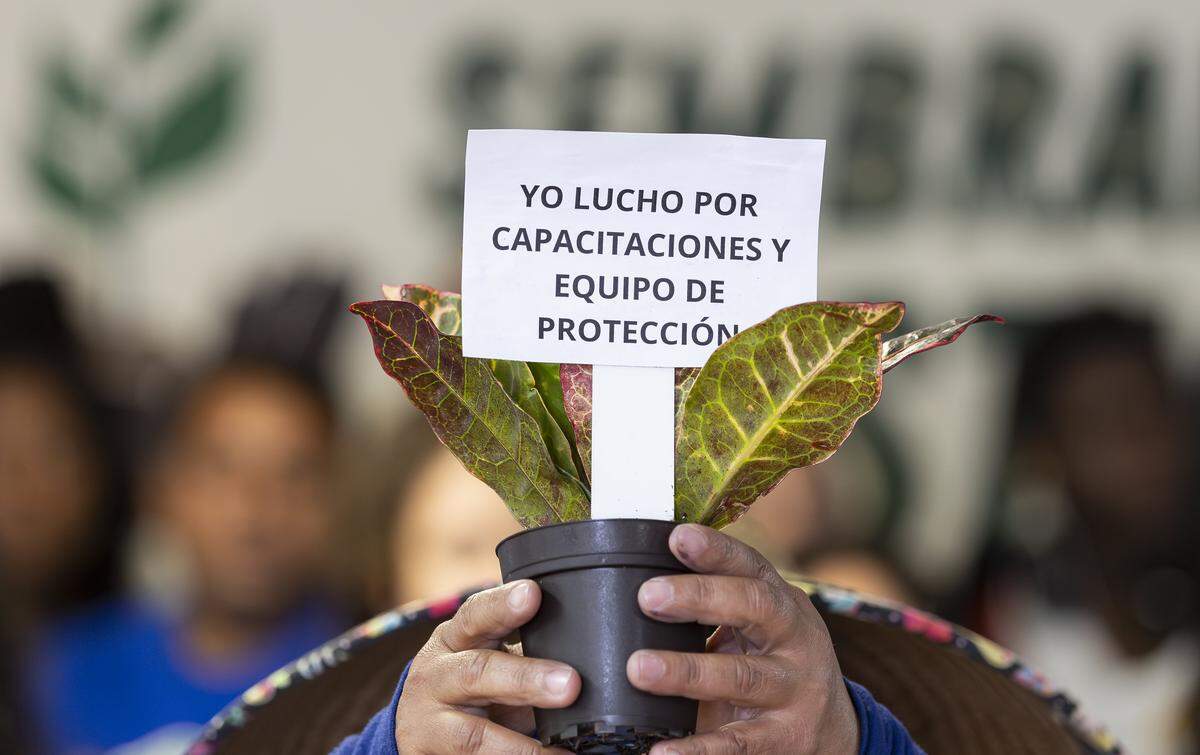
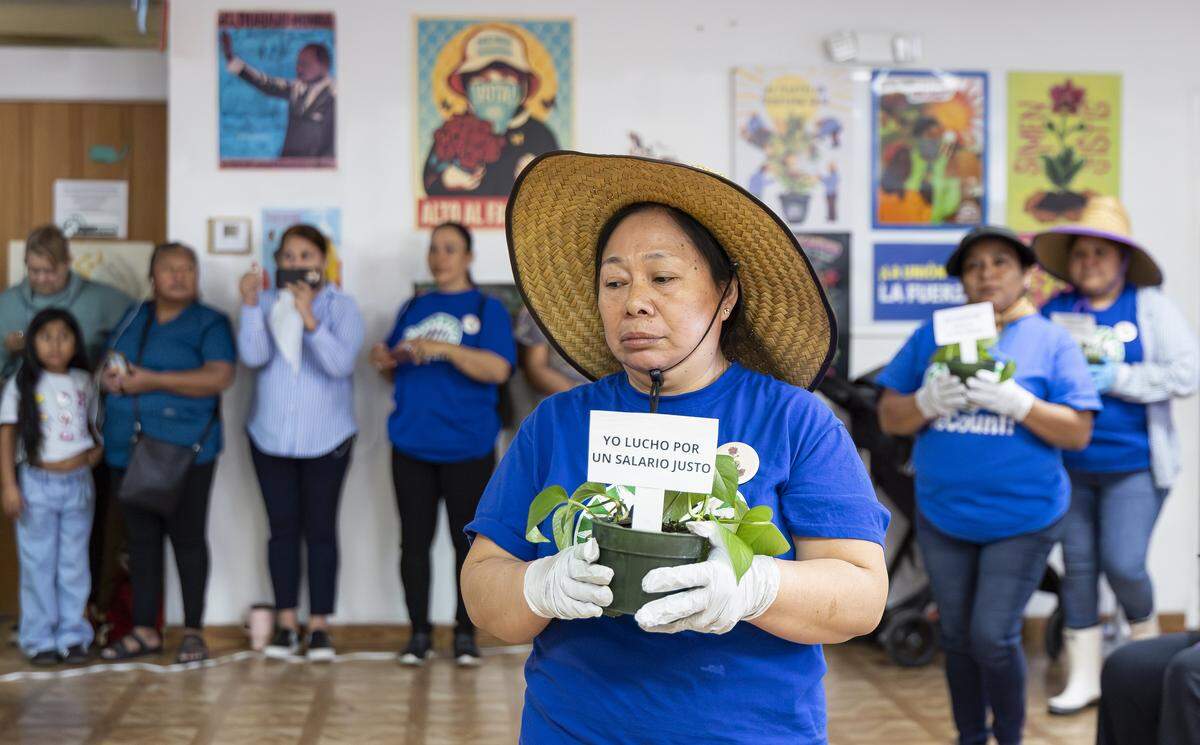
At the start of the press conference, workers walked in a procession near the podium while holding plants and signs in Spanish. Some read, “Yo lucho por un salario justo” (“I fight for a fair wage”) and “Yo lucho por protecciones contra el calor” (“I fight for heat protections”).
They were joined by national organizing groups Demos and Partners for Dignity and Rights as well as the Coalition for Immokalee Workers, which pioneered the Fair Food Program, the first “worker-driven social rights campaign.” The Planting Justice campaign is modeled after that effort. The Fair Food Program, which protects thousands of farmworkers harvesting crops in the U.S., garnered 14 legally-binding agreements with some of the world’s biggest food corporations, including McDonald’s, Whole Foods and Walmart.
This campaign comes after years of lobbying for government regulation and heat protections. But those attempts hit a dead end. When workers asked politicians in Miami-Dade County for a measure that would ensure basic protections like water and breaks, it was derailed by construction and agriculture lobbyists. The plant-nursery workers said they can’t afford to wait for the government to help them — because it’s a matter of life or death.
Janay Blakely, a community member, urged people to think about the “hands that nurture the plants we buy.”
“I buy houseplants because they bring me joy, but I can’t sleep at night knowing that people are being harmed in the process,” Blakely said. “We can demand that the plants we buy are grown ethically.”
Ashley Miznazi is a climate change reporter for the Miami Herald funded by the Lynn and Louis Wolfson II Family Foundation and MSC Cruises in partnership with Journalism Funding Partners.
This story was originally published February 14, 2026 at 5:07 PM.