Blocked by lawmakers, plant nursery workers turn to retailers on heat safety
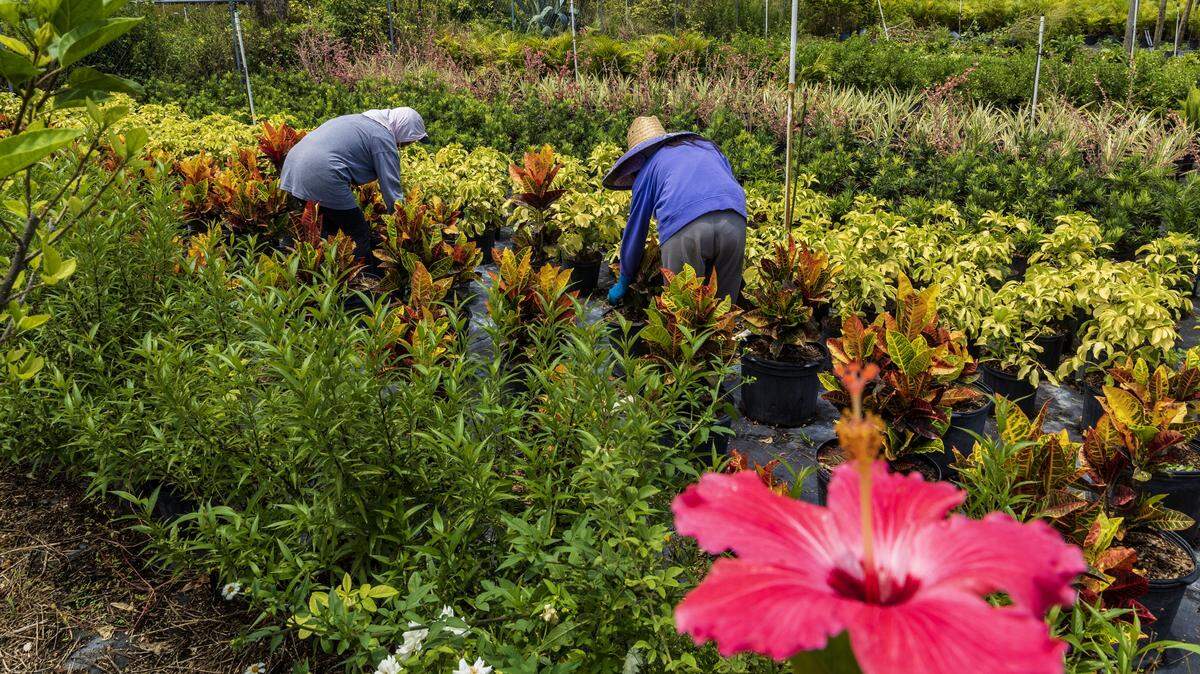
Workers at plant nurseries in Homestead who spend countless hours in the sweltering summer sun are calling for powerful growers and major retailers to do what legislators failed to do — guarantee safe working conditions.
Their new campaign asks growers and retailers to sign a legally binding contract that would require employers to provide water, rest and shade, follow a code of conduct, offer paid sick days, among other protections. They’re calling it Planting Justice.
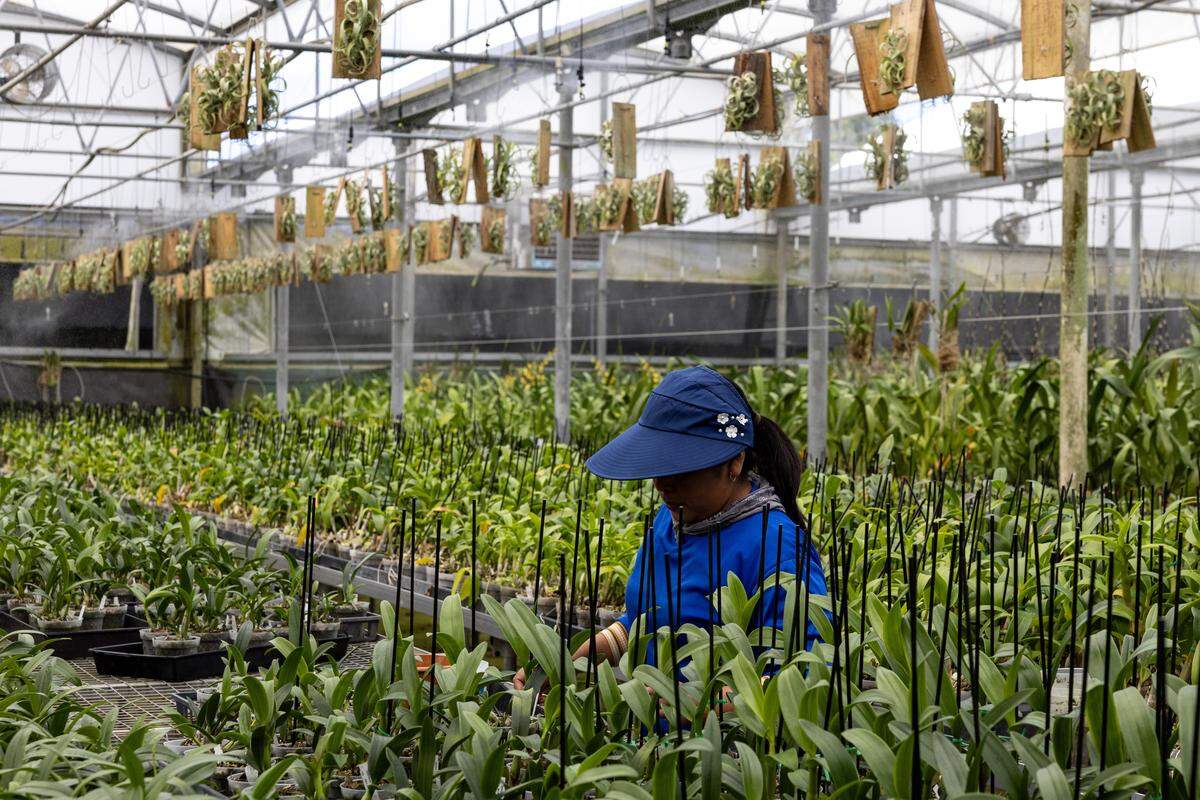
Florida is the nation’s top producer of indoor houseplants and tropical foliage, with Miami-Dade County at the center of the industry. More than 1,500 plant nurseries in the area supply buyers across the country, fueling a multibillion-dollar business.
But working conditions in nurseries have become a “largely invisible human-rights crisis” according to a new report and survey done by the worker justice non-profit WeCount, and the national non-profit organizations Dēmos and Partners for Dignity and Rights.
The report, which surveyed more than 300 plant nursery workers in South Florida, says exposure to extreme heat, which is worsening with climate change, poor wages and sexual harassment and violence plague the industry. Of those surveyed, 86 percent reported accidents or illness on the job with heat stress and pesticide exposure as some of the leading causes. More than four in five of the plant nursery workers surveyed were not provided breaks in shaded areas in hot weather.
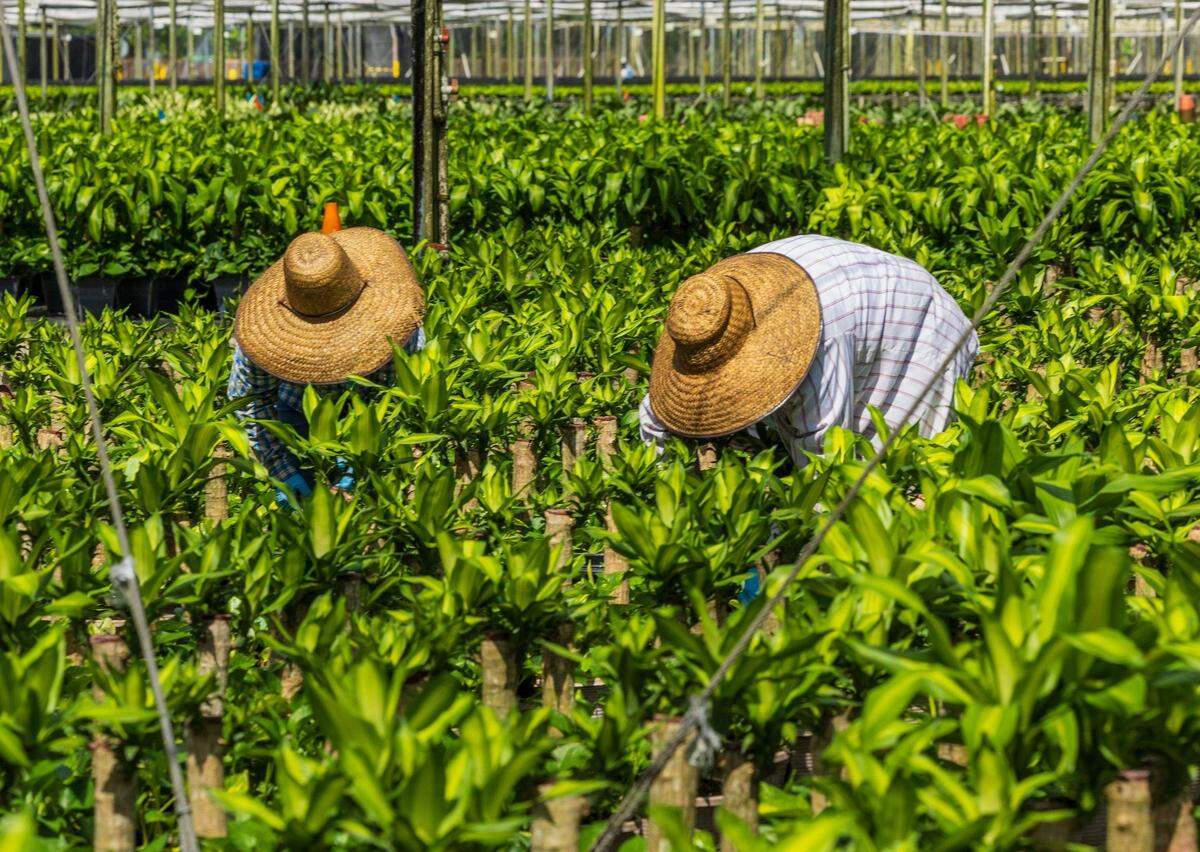
Araceli, who has worked in the Redland for 23 years, told the Miami Herald she experienced facial paralysis from the heat. Her body felt weak, and her head throbbed. She said she was told she could go home if she was able to drive herself. Despite her doctor’s recommendation to take time off, she returned to work because, as a single mother, she couldn’t afford not to.
“What else can I do? I have to work to survive,” Araceli said.
The workers want companies like Home Depot, Lowes, Walmart, Trader Joes and Ikea and growers such as Costa Farms to sign on to this new “Worker-Driven Social Responsibility” model, which they said could be a blueprint towards finally guaranteeing safe working conditions in nurseries, not just in South Florida but across the country. The program would employ an independent organization to uphold their contract and conduct audits to make the protections not just a requirement on paper but a reality.
“We’re fighting to have an independent monitoring organization that will listen to us, that will investigate the complaints of workers, and will make sure that our rights are respected, that our wages are paid properly, that our conditions are safe,” Araceli said. “And if nurseries don’t comply, there are real consequences, and they will have to leave the program.”
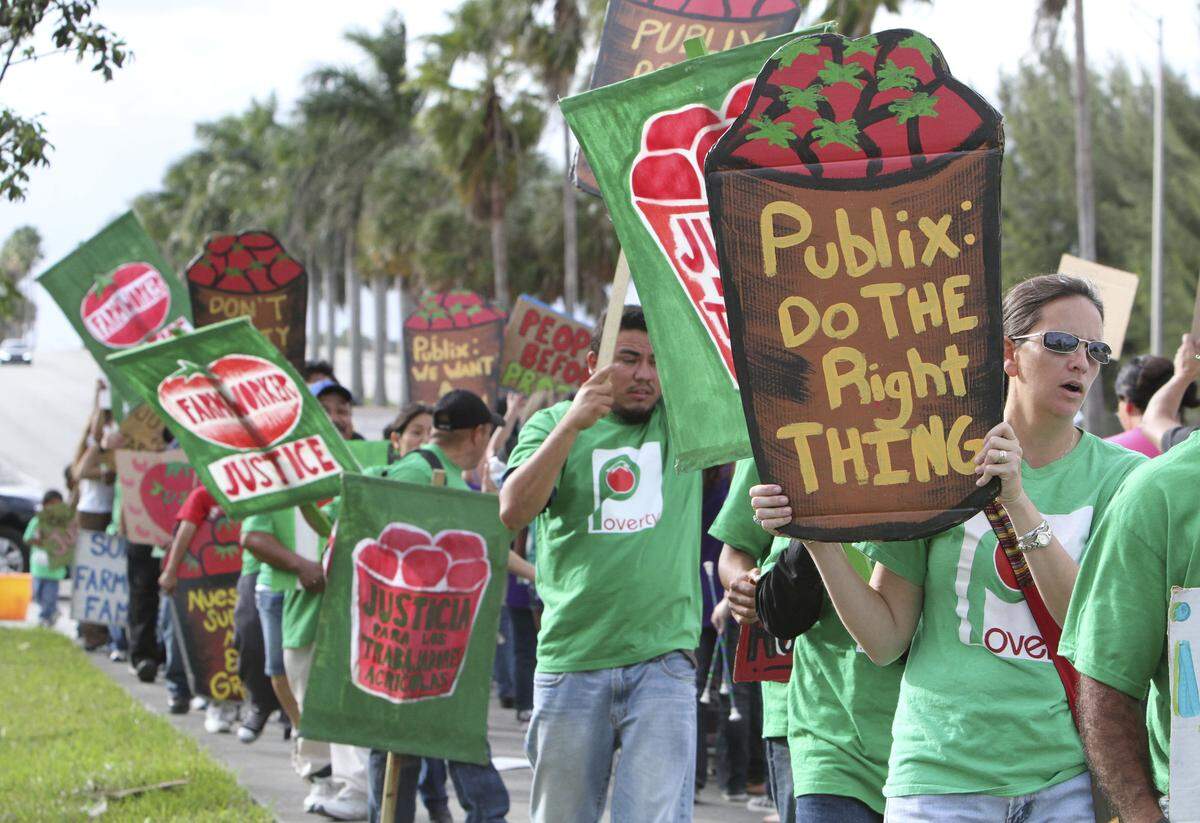
The program is modeled after the Fair Food Program, which protects tens of thousands of farmworkers harvesting dozens of crops across the U.S. It was the world’s first “Worker-Driven Social Responsibility model which has now been replicated in other industries. The farmworkers were able to pressure powerful corporations, like Taco Bell and Whole Foods to sign on.
The Florida tomato industry, once described as “ground zero for modern-day slavery,” has since been called the “best workplace environment in U.S. agriculture” by Harvard Law School. It’s recorded to have 73% of worker complaints solved in less than a month.
Government help at a dead end
Critics argue such “watchdog” programs add unnecessary costs and red tape, saying federal regulators like the Occupational Safety and Health Administration (OSHA) already enforce workplace safety standards, including heat-related violations.
The Miami Herlad reached out for comment to the Florida Nursery Growers and Landscape Association. Amanda Belvis, a spokesperson for the association said, “We not only adhere to the strict oversight from multiple federal, state and local agencies, but we go beyond generalized mandates to account for changes in temperature and the needs of our teams.”
But plant nursery workers say federal oversight is sporadic, and industry standards are minimal.
While OSHA requires access to drinking water, workers say enforcement is inconsistent. Other protections, like mandatory rest breaks, are not required for nursery workers at all.
Florida leads the nation in heat-related illnesses, emergency room visits and hospitalizations, according to the Florida Policy Institute. Extreme temperatures are also arriving earlier; Miami recorded its hottest May on record in 2024.
The federal heat rule, the last surviving government effort after Florida lawmakers killed the proposal in Miami-Dade, made it through a public comment period last year but has been paused indefinitely since Trump’s first day in office.
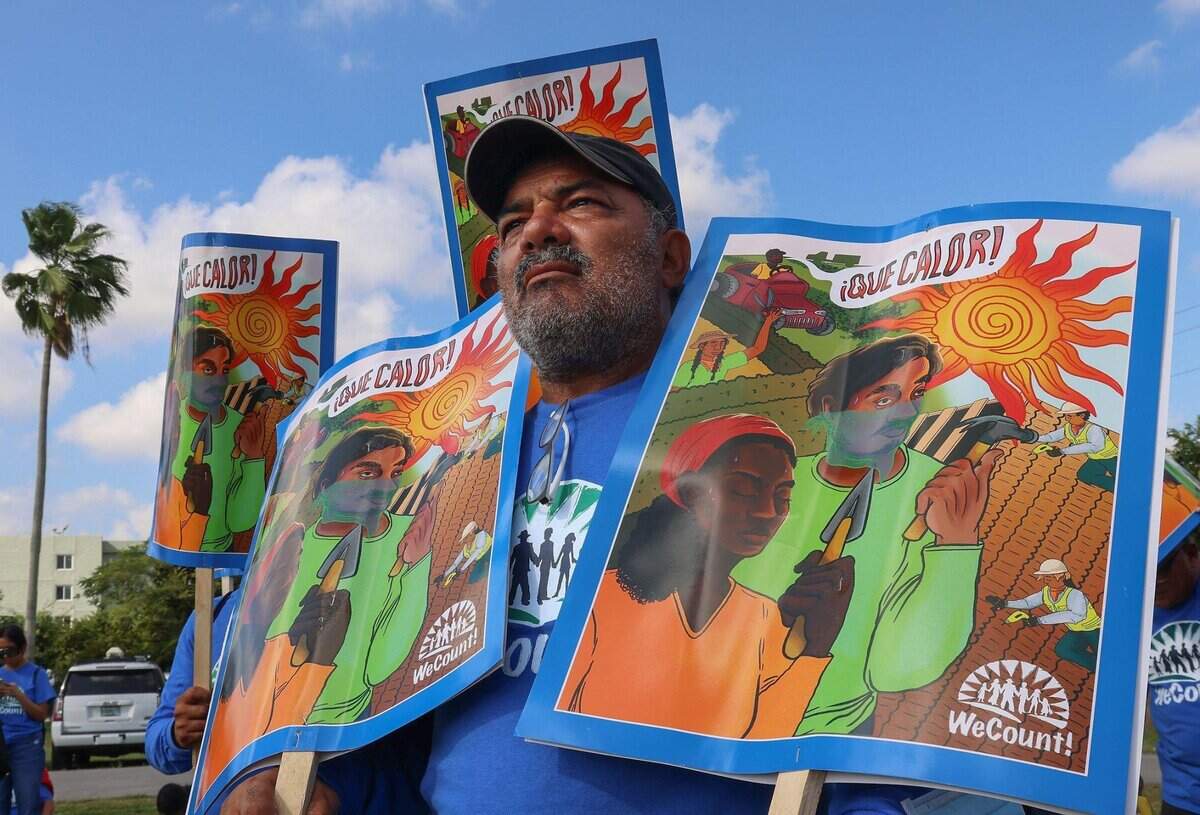
“Many workers have lost faith in federal agencies to be able to solve this,” Oscar Londoño, WeCount co-executive director said. “Any nursery or any industry representative who speaks now and says we don’t need heat protections because OSHA is coming, that’s a lie.”
Companies like Costa Farms, one of the world’s largest plant growers, helped lead opposition to Miami-Dade’s proposed heat protections. In a 2023 Miami Herald op-ed, CEO Jose Smith called county oversight an “existential crisis” for agriculture and construction and “a bottomless pit of red tape, lost time and money.”
Costa has said it already maintains worker safety programs and supported a federal heat rule. During a 2024 tour, company officials pointed to air-conditioned break rooms, commercial ice machines, health tracking programs and a buddy system for workers.
With regards to the Planting Justice campaign, Costa said in a statement that the company “found great benefit, because of our size and scale, in being able to customize our policies and procedures to meet our unique workforce’s needs. Costa Farms is already able to provide a safe environment for our teams.”
OSHA records show a 44-year-old Costa nursery worker died after collapsing while sorting plants. While OSHA initially categorized the death as heat-related, after an appeal it is now classified as not work related, with no mention of heat.
Londoño said self-policing or relying on weakened government enforcement is not enough.
“Appealing to a government enforcement system that has been systematically weakened is not going to save lives,” he said.
Jon Esformes, CEO of Sunripe Certified Brands, a tomato grower in Immokalee, said joining the Fair Food Program bridged the gap between the owners and employees. Before joining the program, he said he learned his workers were too afraid to call the company HR line to put in a complaint.
“If businesses actually had the programs in place, you wouldn’t see the amount of heat stress illnesses, and, you know, God forbid, in worst case scenarios, the catastrophic deaths as a result of heat stress,” Esformes said.
“It’s easy to say you have got a social responsibility program. Okay, well prove it,” he said.
Ashley Miznazi is a climate change reporter for the Miami Herald funded by the Lynn and Louis Wolfson II Family Foundation and MSC Cruises in partnership with Journalism Funding Partners.
Correction: An earlier version of this story incorrectly stated that a Costa Farms worker died of a heat-related death in 2021. The death was originally classified as heat-related, but Costa Farms appealed and, in 2025, the OSHA document was changed to be classified as “not work-related.”
This story was originally published February 12, 2026 at 8:00 AM.