Hurricane Melissa was a freak storm. Science says climate change made it freakier
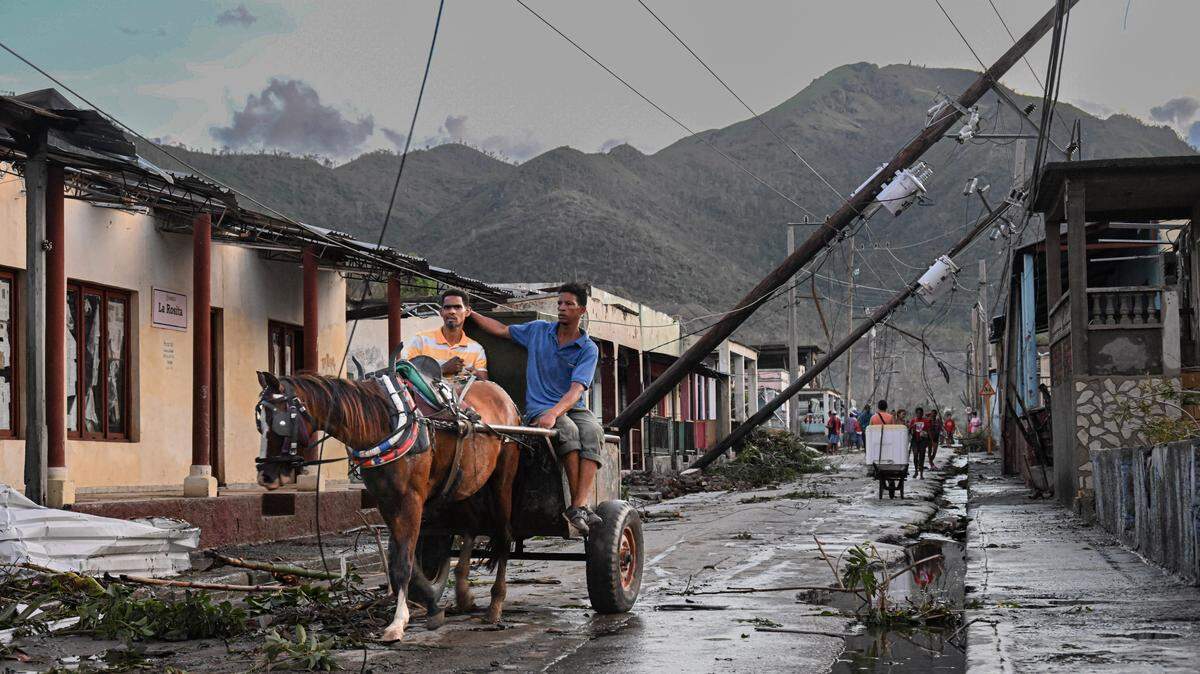
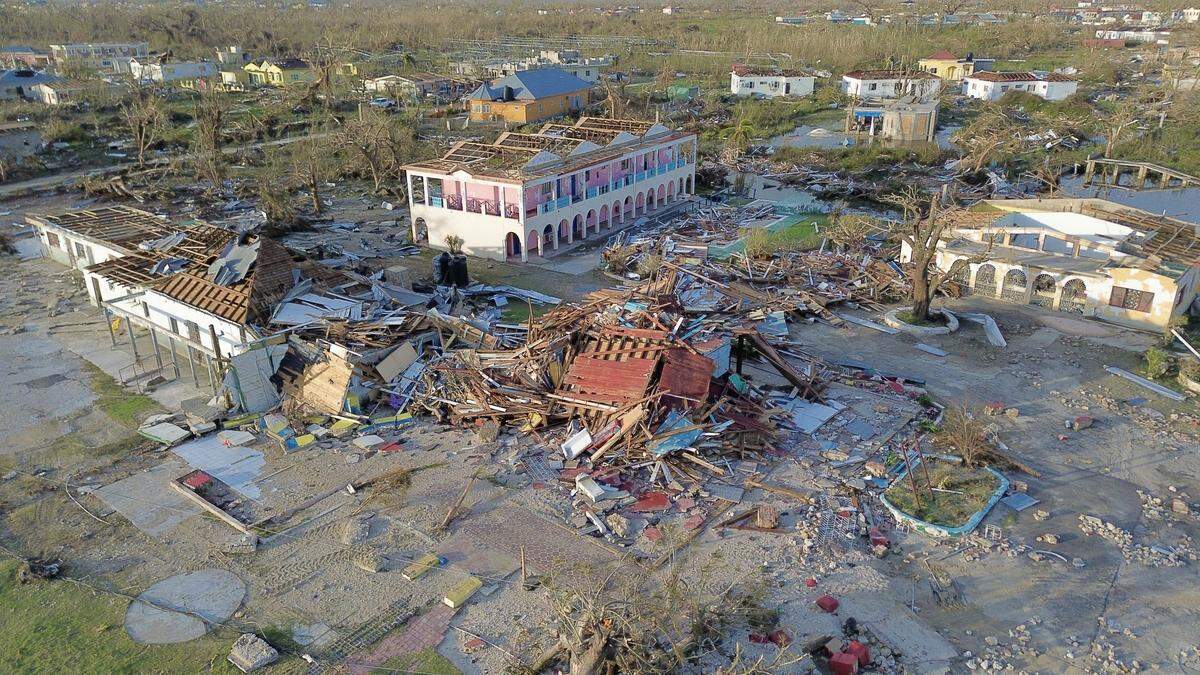
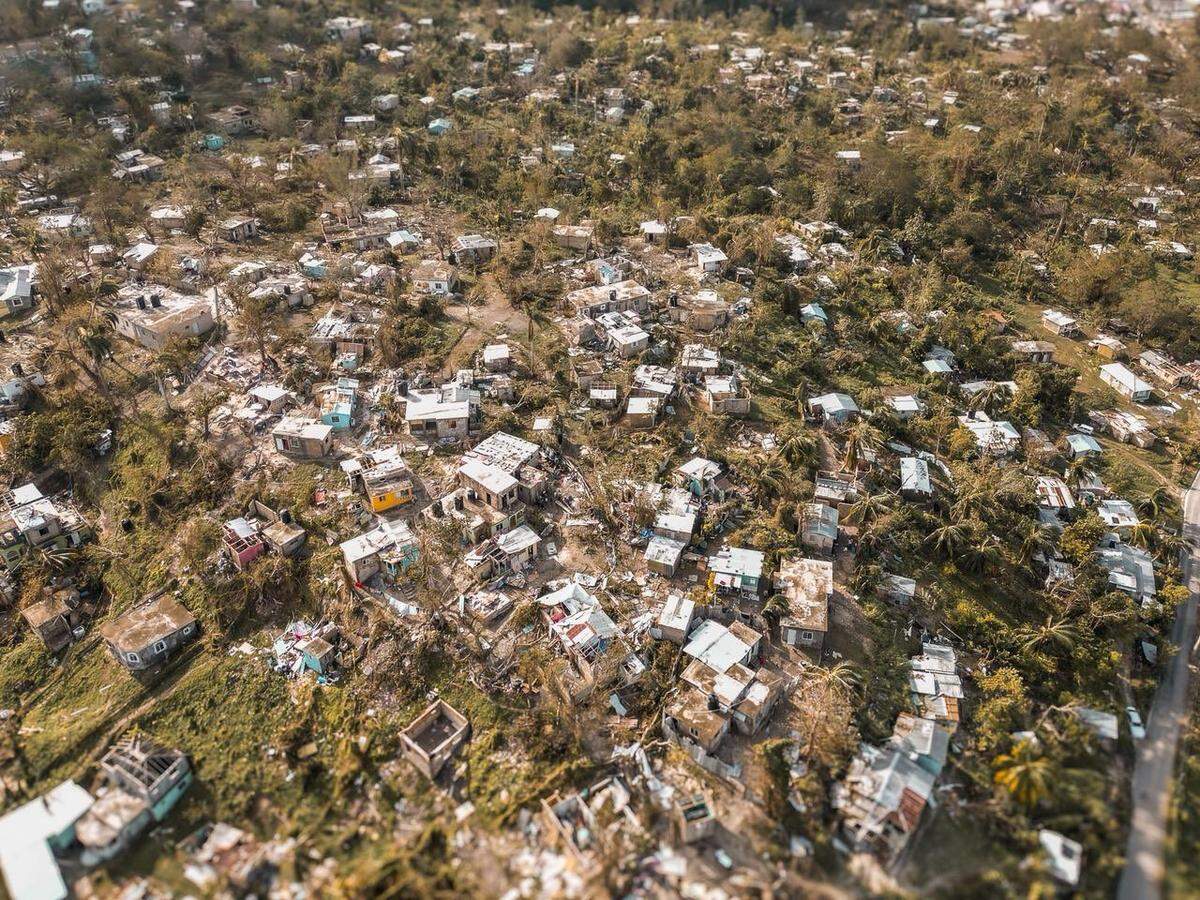
Category 5 Hurricane Melissa was an eye-popping storm, smashing historical records — and the western end of Jamaica — last week. A rapid fire series of new scientific studies also suggest that climate change helped the fearsome storm become such a monster.
While scientists are very quick to point out that climate change does not “cause” individual disasters across the world, they’re confident that a warmer world makes it more likely for these intense events to happen. Three different studies published last week found that Hurricane Melissa would have probably been a weaker, drier storm if it weren’t for decades of human-caused warming of the atmosphere.
Overall, the studies found, Melissa was a rare storm and would have more than likely formed no matter how hot the world is. That makes sense, because Category 5 storms have been slamming into Caribbean islands (and Florida) for centuries. Melissa tied a record for strongest land-falling storm in the Atlantic with the Labor Day Hurricane of 1935 that obliterated the much of the Florida Keys.
However, scientists said, the world is measurably warmer than it was a century ago. Hurricane hotspots like the Caribbean Sea and parts of the Atlantic Ocean are hotter, giving Melissa additional fuel to become powerful. That warmer water also makes for a more humid atmosphere; storms can more easily wring more rain out of wetter air.
One of the studies, from European climate science group ClimaMeter, found that Melissa’s sustained winds, which hit a near-record of 185 mph, were likely about 10% higher because of global warming. Plus, the storm dropped about 10% more rain than it would have in a cooler atmosphere.
Another, from the London School of Economics’ Grantham Institute on Climate Change and the Environment, found similar numbers: 7% higher wind speeds and 16% more rain.
The third, from U.S.-based Climate Central, suggested that climate change boosted Melissa’s wind speeds by as much as 10 mph.
Gabriele Messori, a professor of meteorology at Uppsala University in Sweden and one of the authors of the ClimaMeter study, said the similar figures from all three studies suggest that scientists are getting better at figuring out what kind of fingerprints climate change leaves on a storm like Melissa, although he cautioned that they’re all estimates.
“We often see that different attribution studies come up with slightly different percentages but what we do see that the ballpark number is typically the same,” he said.
These studies are from a new field called “rapid attribution,” where scientists use a peer-reviewed methodology to quickly spit out results, rather than waiting the usual few years to publish a traditional study that gets reviewed by multiple scientists over the course of months or years.
All three studies focused primarily on wind speed and rainfall. These are the impacts on hurricanes that scientists say they are most confident in blaming climate change for.
“Things like rainfall and wind speed, those are simple. We have simple, physical evidence to suggest why climate change affects them,” said Brian Soden, a professor of atmospheric sciences at the University of Miami’s Rosenstiel School of Marine, Atmospheric, and Earth Science. “Those are the main two we have the greatest confidence in. They are pretty well grounded in different studies.”
Over the last decade, a slew of studies have found strong evidence that climate change makes stronger, wetter storms more powerful. And by raising sea levels, scientists have also found a solid connection for more hurricane driven storm surge — the amount of water shoved ashore by a storm.
However, other studies have hinted that climate change’s impacts could be broader. An earlier start to hurricane season? Maybe. A pause in the middle and a cluster of storms at the backend of the season? Perhaps.
Or, some scientists have wondered, could climate change be making storms move slower? Hurricanes like Dorian, which pounded the Bahamas for days in 2019, or Harvey, that sat on Houston and dumped enough rain to prompt a new category added to rain maps in 2017, were so devastating because they were so slow.
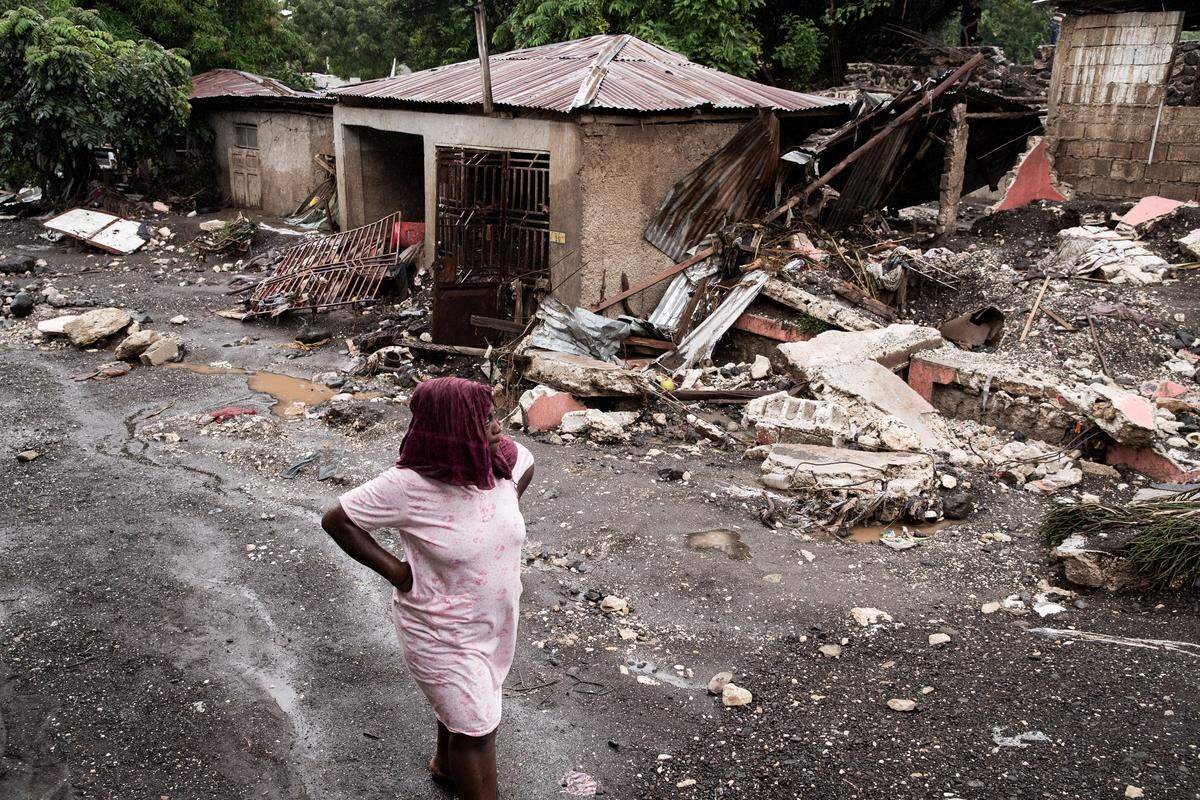
Melissa was no exception. It crawled through the Caribbean at barely 2mph for days, and even made a full stop briefly, while it poured several feet of rain on Haiti and Jamaica. A handful of scientific studies have suggested that climate change could be a factor, but experts say it’s too early to tell.
“I just don’t think there’s enough research done on that to understand why there’s this slowing of storms,” Soden said. “Hurricanes are not common things. You need a lot of data and statistics to show a change.”
In the case of the ClimaMeter study, Messori said he and his team agree. They were unable to confidently link climate change to Melissa’s slow pace. Instead, they believe that it was just a normal thing the storm would have done with or without human-caused global warming.
“We are also always very careful in these rapid attribution studies of separating the effect of natural variability and the effect of climate change,” he said. ”There can be a lot of variation between individual events that is not necessarily associated to climate change.”
Another finding from a few of the studies: climate change made it more likely that a storm like Melissa could occur.
The Grantham Center study suggested that a “Melissa-type storm” was about four times more likely to happen in 2025 versus a century ago, before humans started pumping the atmosphere full of fossil fuels.
Researchers are quick to explain that this doesn’t mean the storm couldn’t have happened without climate change. It’s just that a hotter planet — and therefore a warmer ocean to fuel a stronger, wetter storm — makes that window where a storm like Melissa could happen a lot more likely.
That’s in contrast to something like the heatwave that baked the Pacific Northwest in 2021, killing more than 200 people. Several studies have argued that an event that severe couldn’t have happened without all the additional heat we’ve pumped into the atmosphere in recent decades.
“There’s a number of studies that suggest such an event would’ve been in principle impossible, so it wasn’t just that it was made more likely, but it was made possible by climate change and couldn’t have happened with the climate that we had several decades ago,” Messori said.
This story was originally published November 5, 2025 at 2:27 PM.