
Your South Florida street is a lake. Blame the rain but also the king tides
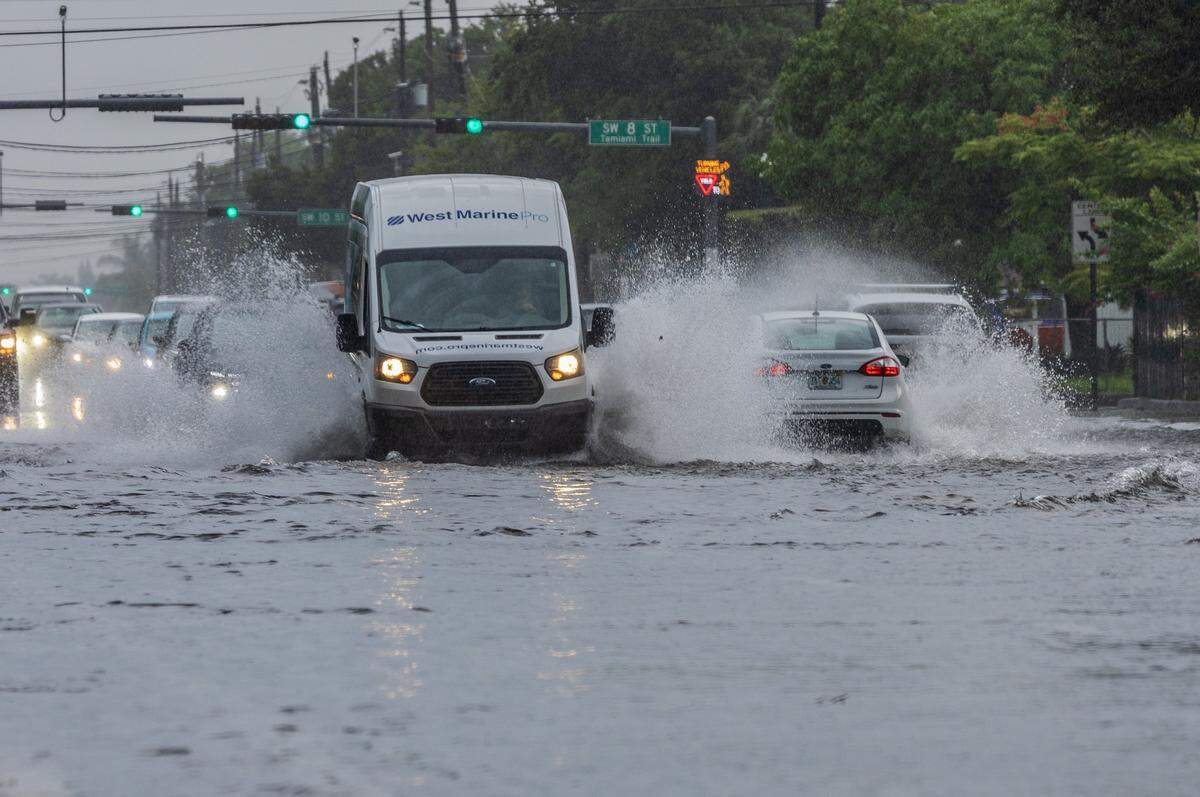
It’s king tide season in South Florida once again, and plenty of roads are already underwater.
Well, the soggy streets across the region are mostly thanks to the above-average rain drenching South Florida the last few days — but higher tides certainly aren’t helping in many places, particularly alone the coast.
This week is the first of this season’s king tides, a natural annual phenomenon where high tides are higher than usual for a few months during full and new moons. Usually, there’s one day where tides are the highest, and tides slowly build up — and then back down — from that peak.
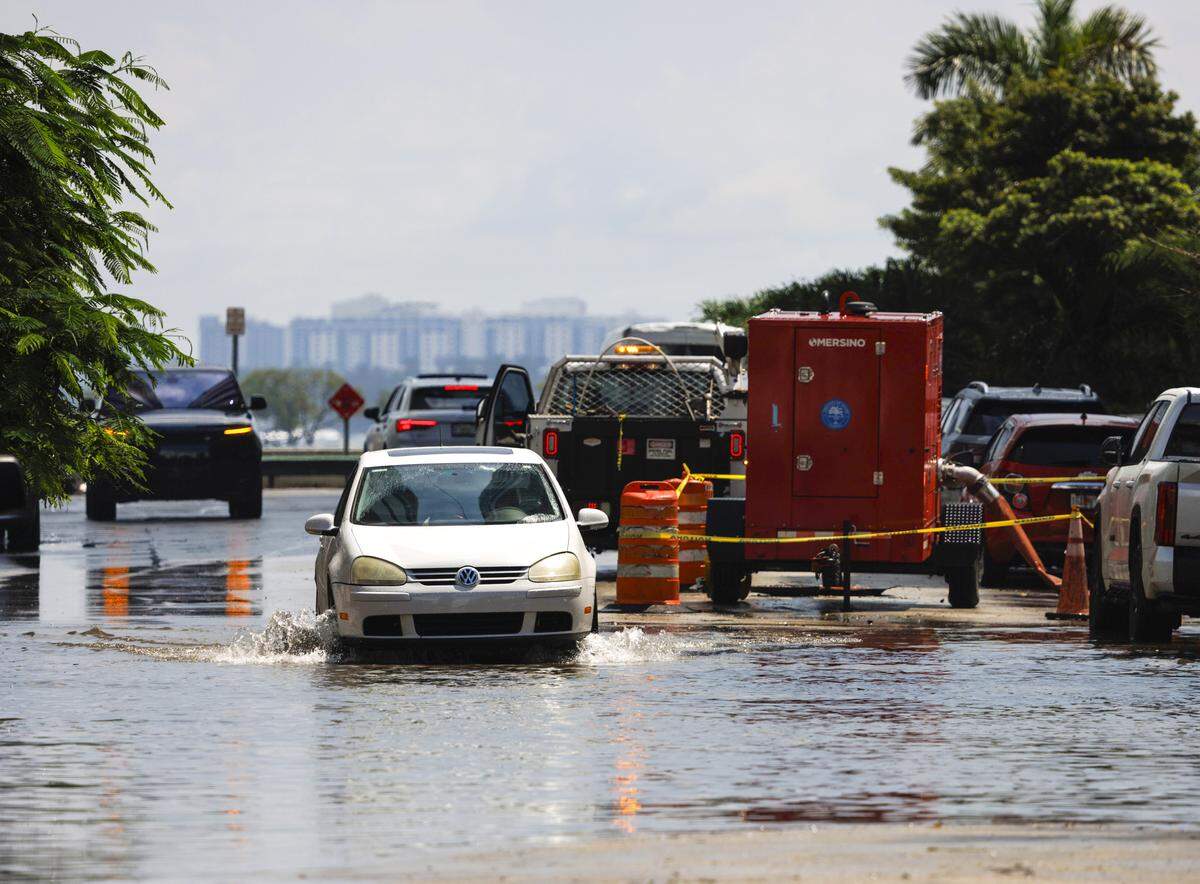
Cities across South Florida respond to these high tides with temporary stormwater pumps to keep streets dry, sandbags and dams around vulnerable streets and buildings and, in places like Miami Beach, special offers for some residents to shelter their cars in city parking garages to keep them from getting inundated.
“The city is fully staffed and ready to respond to flooding reports,” Miami Beach wrote in an email blast to residents this week. “City staff monitors the tidal elevations and responds to complaints in areas of flooding.”
READ MORE: King tides show South Florida a watery climate change future
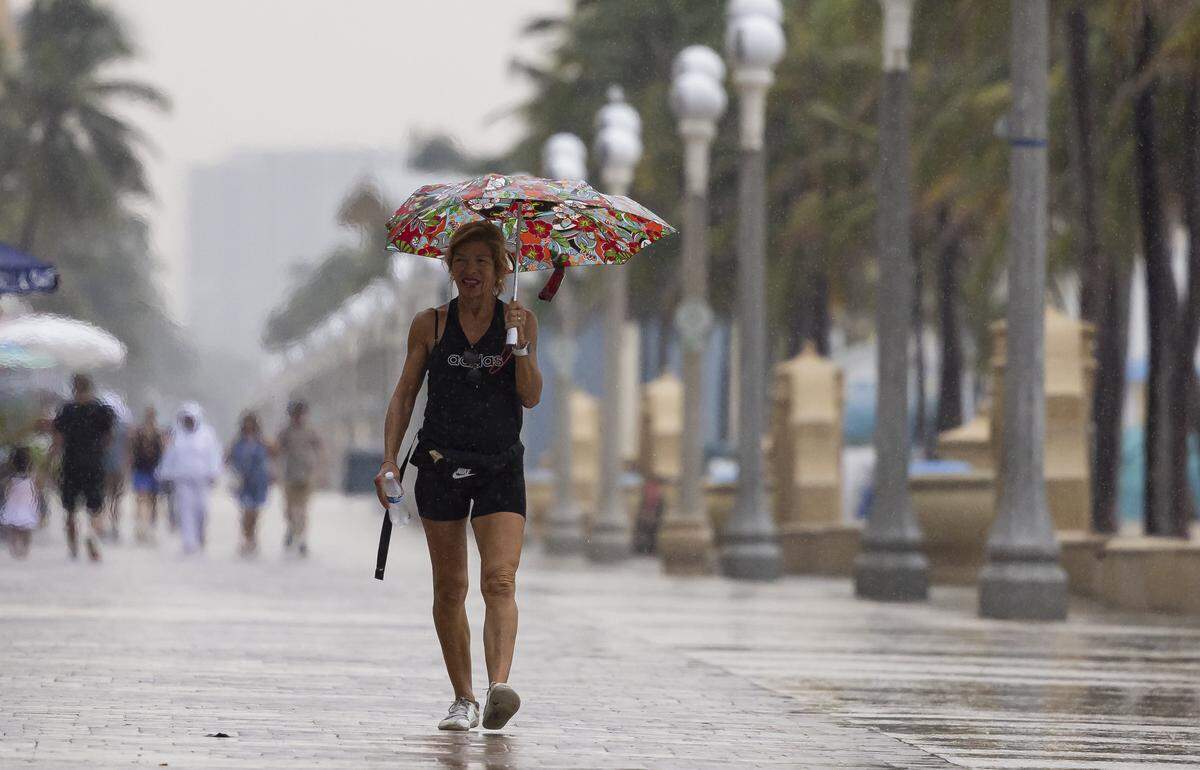
The first of this season’s king tides falls Monday through Thursday. That just happened to coincide with a deluge of rain, enough to flood streets in downtown Miami and Fort Lauderdale, swamp some cars and send manhole covers and drains bubbling up with excess rainwater.
On Tuesday afternoon, the Miami office of the National Weather Service again warned that Miami-Dade to Palm Beach were in for enough rain to cause flooding on some streets. About 1 to 2 inches of rain was expected for Thursday evening, with some of the hardest hit spots possibly getting 3 to 5 inches.
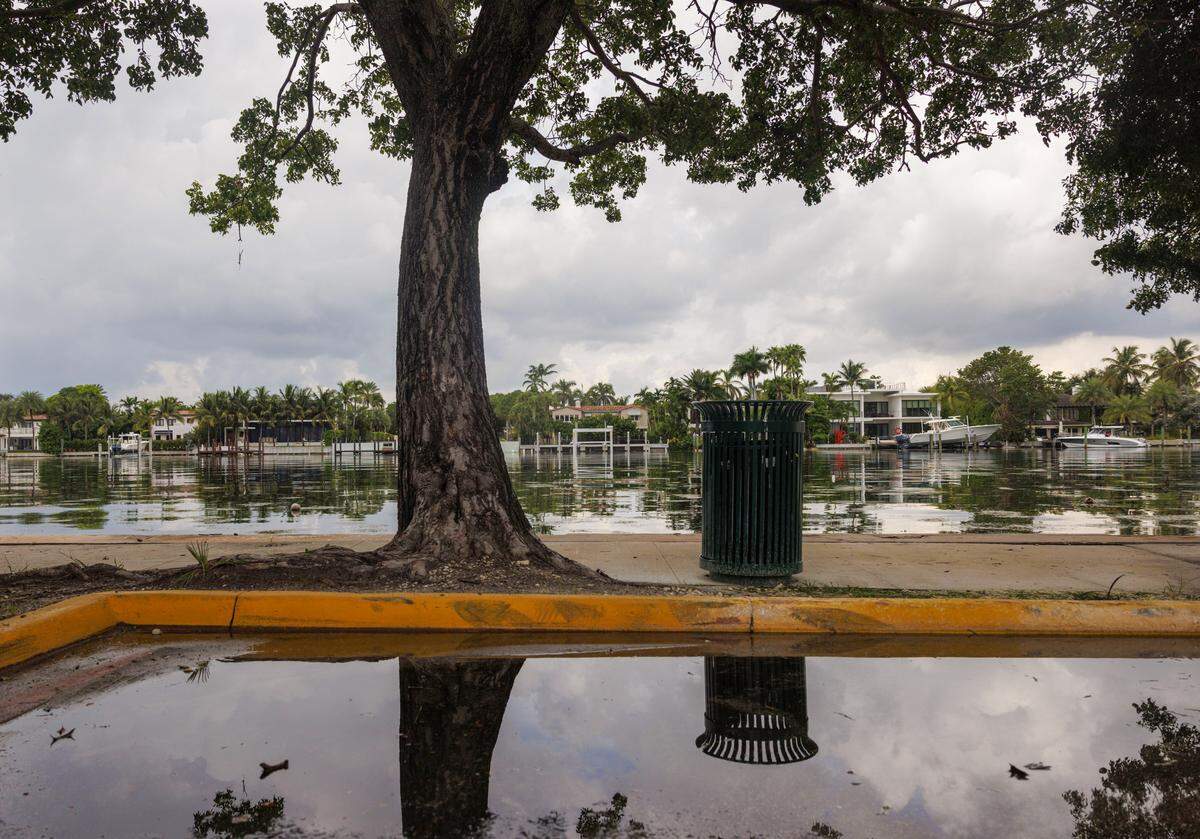
And with higher tides than usual, that makes it harder for streets and parks to drain all that rain. That’s because higher sea levels can creep up into drains designed to send water into rivers and the bay, sending water bubbling back out into the street rather than away from it.
Also, scientists have found that as climate change sends sea levels higher — including king tides — it’s also raising groundwater levels near the coast, too. That leaves less dry dirt to soak up rainwater, making it easier for even small amounts of rain to cause flooding.
READ MORE: The unseen flooding risk in South Florida: Rising water beneath our feet
The South Florida Water Management District, the agency tasked with keeping the region dry with its canals and mega pumps, is releasing a weekly king tide forecast that residents can sign up for via email.
The new forecast model, created in partnership with the University of Miami, suggests that this week, no site in Miami will see king tide flooding above the region’s “minor” threshold, but some spots in the Keys may.
The highest king tide of the year is predicted for the first week of October, but flooding can also be worsened by other factors like heavy rain, winds blowing onshore or an incoming tropical storm or hurricane — so it’s impossible to guess months in advance which day could actually see the most flooding.
Regardless, cities prepare for these stretches of high tides as if they will flood residents, which they often do. As sea level continues to rise, experts say these king tides are expected to keep rising too.
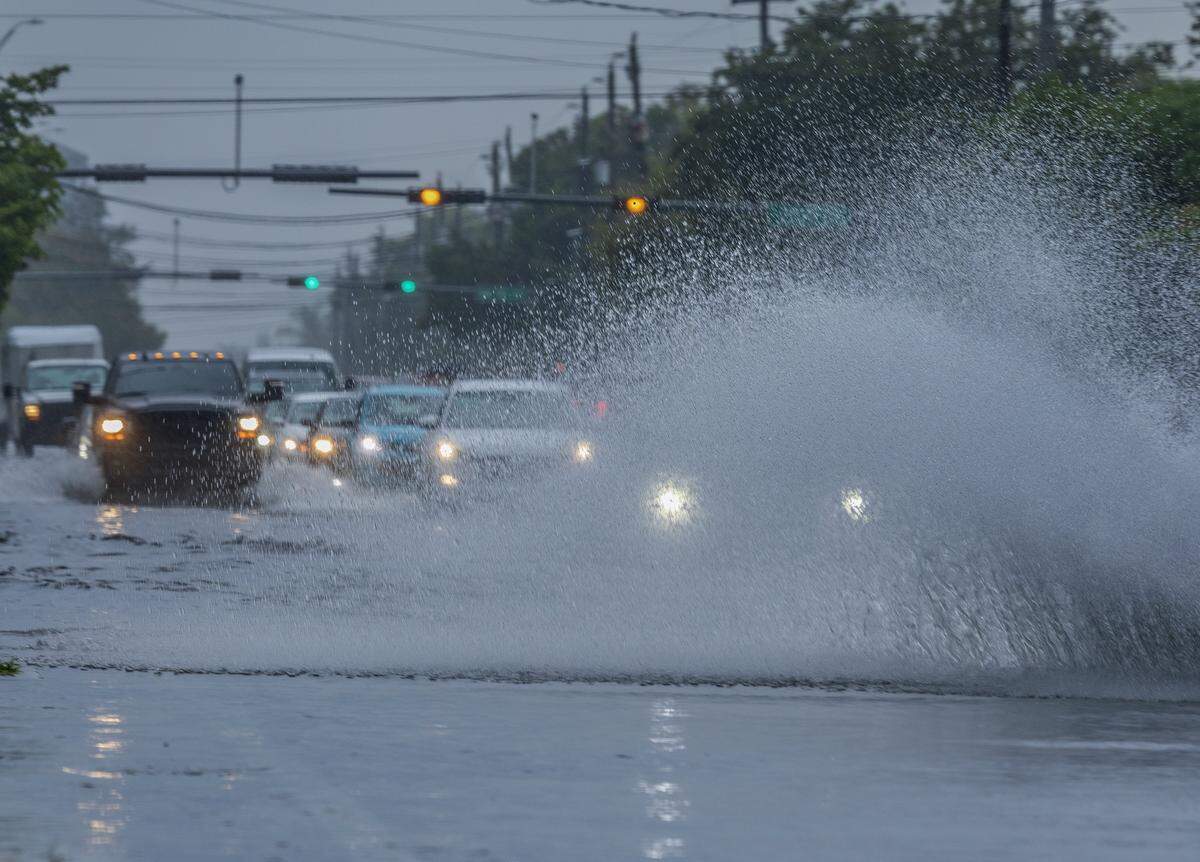
Fort Lauderdale alerted residents that the heavy rain in recent days, coupled with king tides, put some major roads in the city underwater this week. The city is handing out free sandbags over the weekend to residents.
“City crews are closely monitoring weather conditions and tide levels as we head into the weekend. Additional rain is expected over the next week, coinciding with seasonal king tides, which may increase the risk of flooding in low-lying areas,” the city warned in an email to residents.
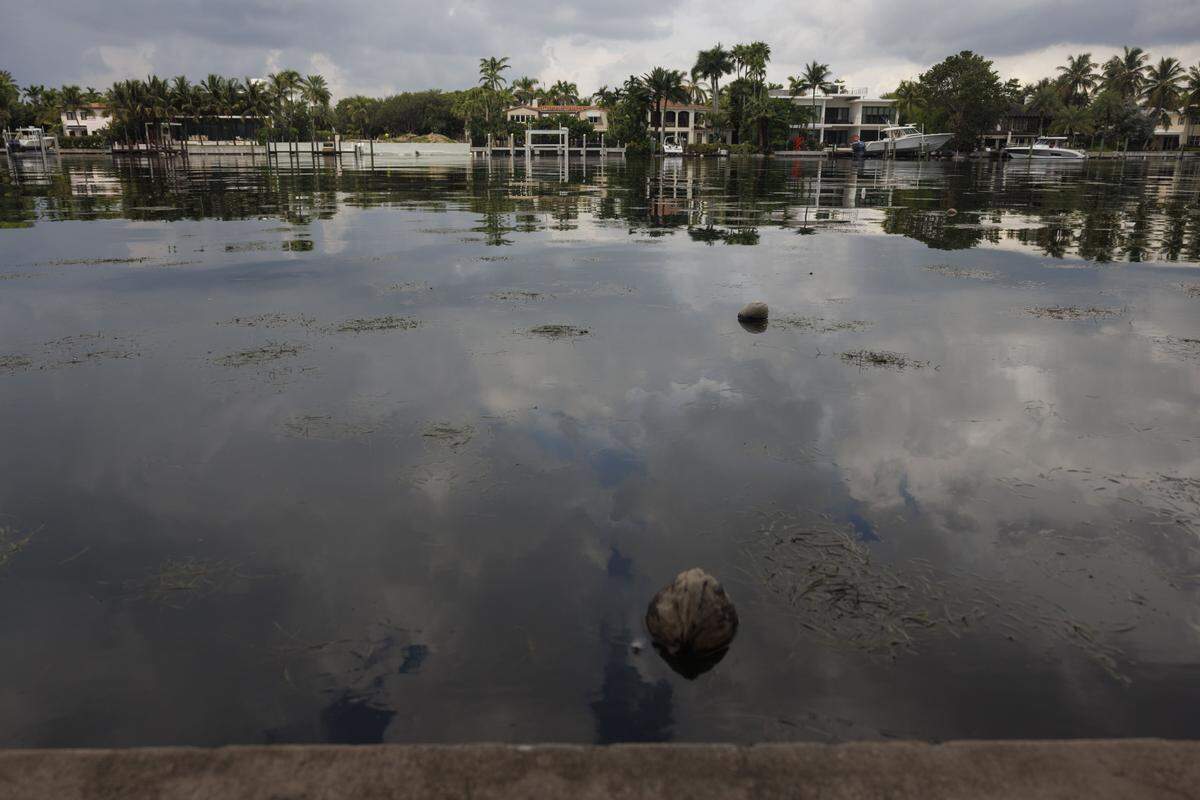
Here are the king tide dates for the year:
September 8 – 11
September 21 – 23
October 5 – 12 (Highest predicted tide: October 8)
October 19 – 23
November 3 – 9
December 4 – 5
This story was originally published September 9, 2025 at 3:37 PM.