
This swamp helps provide drinking water for Floridians. What does Big Cypress look like?
READ MORE
The Everglades info series
See more from ‘The Everglades info series,’ a Miami Herald video series produced by visual journalist D.A. Varela.
Expand All
A look at the efforts to reverse nearly a century of damage to the Florida Everglades
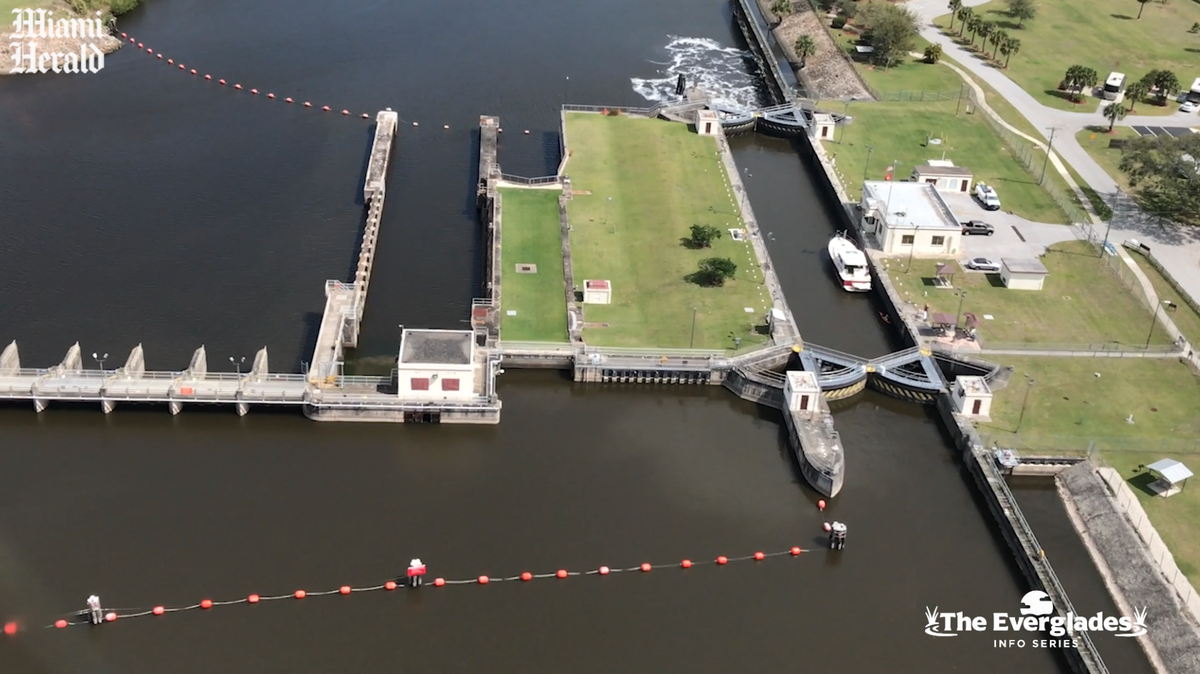
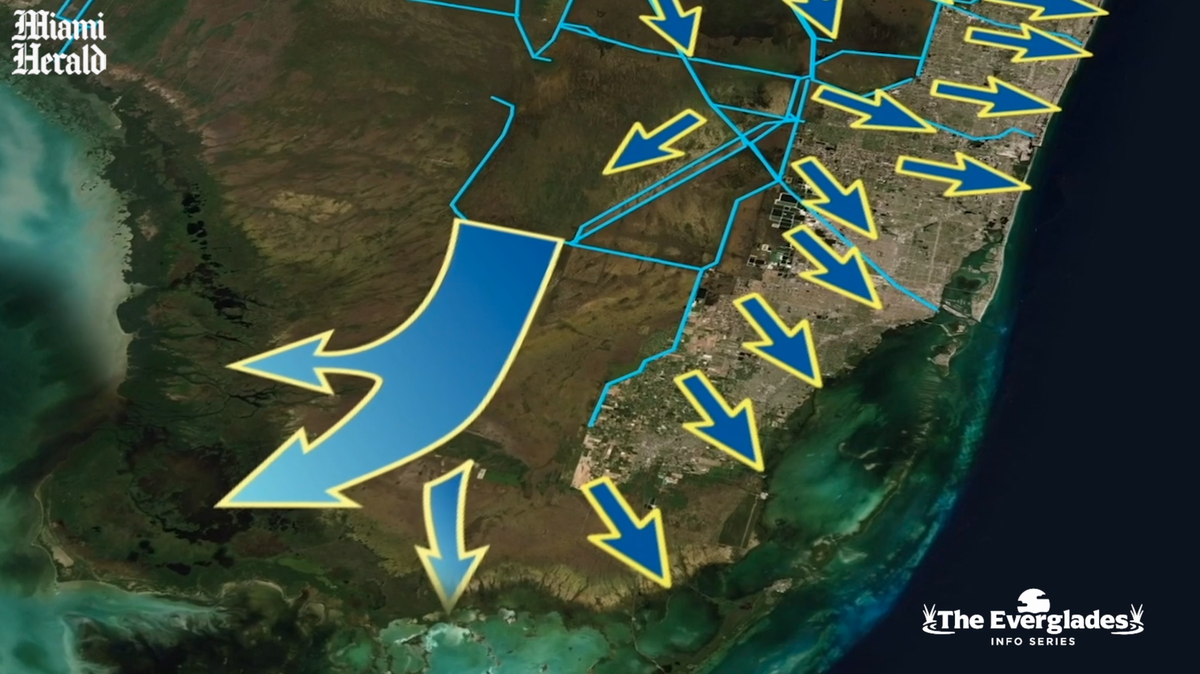
Canals, levees and dikes: take a look at how the water flow is managed in South Florida
A look at the Everglades: How old are they? When did they become a National Park?
Florida panthers, alligators and manatees: Why the Everglades’ fauna is so diverse
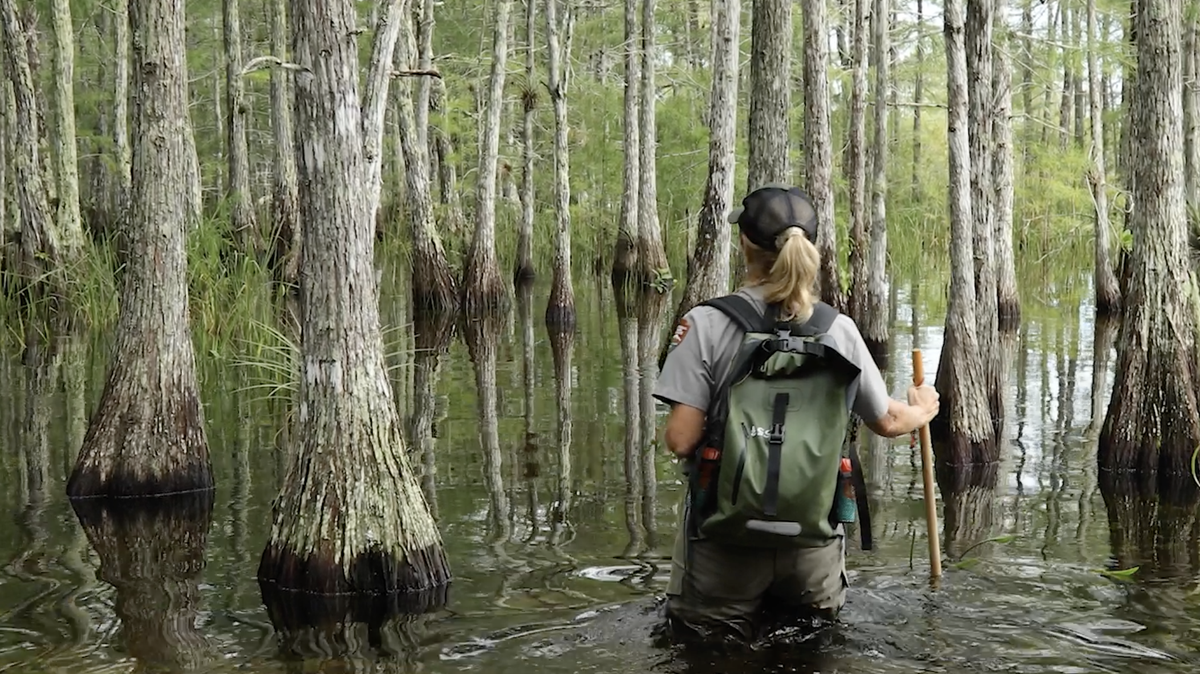
This swamp helps provide drinking water for Floridians. What does Big Cypress look like?
Big Cypress National Preserve, a 729,000-acre swamp on the western border of Everglades National Park, is a vital component of the greater Everglades ecosystem, which provides drinking water to eight million Floridians.
The fifth episode of “The Everglades info series,” a Miami Herald video series produced by visual journalist D.A. Varela, takes us on a walking tour through the preserve’s signature cypress strands and domes, deeper areas that support the largest trees in the sprawling swamp. Big Cypress’ Outreach and education coordinator, Lisa Andrews, explains what makes the ecosystem special.
Perhaps no place in Florida better illustrates the threat of climate change than South Florida’s wetlands, an area once covering 4,000 square miles and now less than half that size, reduced and fragmented by farms, homes, roads and canals. Now, the continuing problems of sea rise, water pollution, salt-water intrusion and the erosion of peat soil that make up much of the marshland threaten to compound the historic damage from development.
Subsequent episodes of “The Everglades info series” will take a look at the flora of the Everglades and explore impacts of human activities in the wetlands, among other topics.
This video was produced with funding from Journalism Funding Partners. The Miami Herald is responsible for all editorial content.
This story was originally published October 6, 2023 at 5:00 AM.