
Miami-Dade and Miami Wilds had a water-park deal. Now the county is ready to kill it
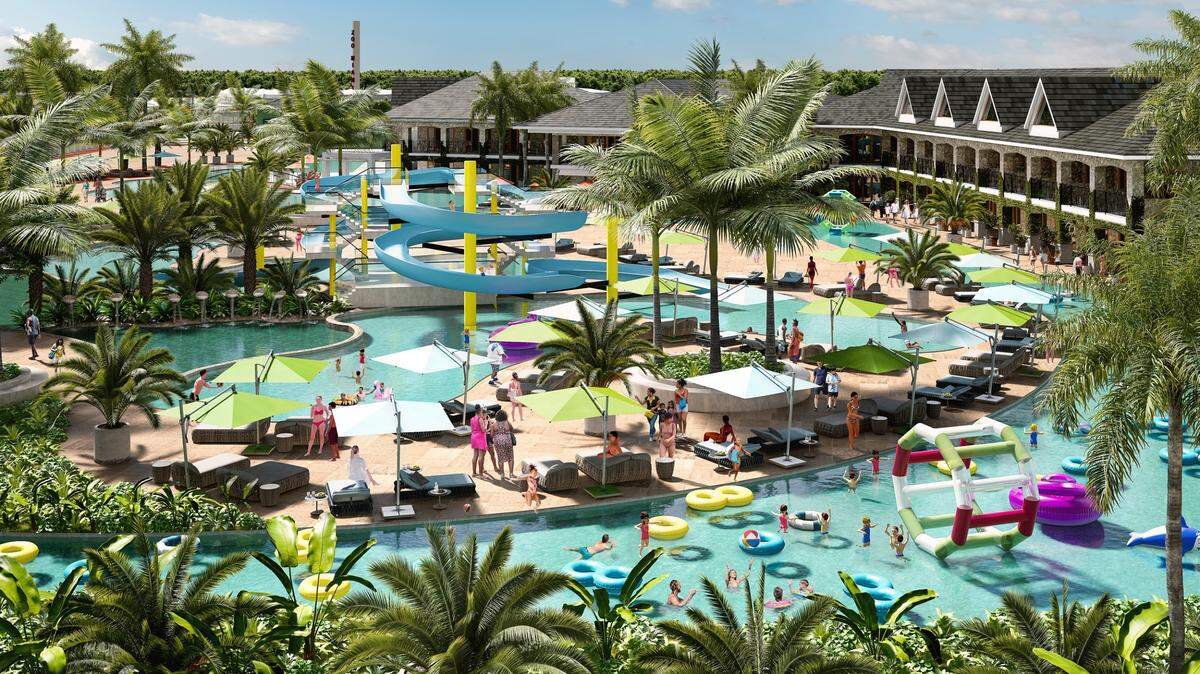
As conservation groups fight the Miami Wilds water park at Zoo Miami, Miami-Dade County wants out of the embattled deal.
In legal filings last month, county lawyers asked a federal judge to cancel a lease on zoo parking lots if, as expected, federal approval of the development plan gets revoked in court.
The administration of Mayor Daniella Levine Cava in August proposed a workaround to the looming federal reversal. But on Sept. 22, her staff sent two letters to Miami Wilds warning the agreement is on the verge of being canceled and demanding the immediate payment of rent the county says hasn’t been paid for nearly a year.
“Notwithstanding the County’s expenses to date, upon the rescission of the Lease, the County will refund you the rent Miami Wilds has paid to date which the County determined is approximately $147,177.81,” Jimmy Morales, chief operating officer under Levine Cava, wrote Miami Wilds developer Paul Lambert.
READ MORE: More delays for Miami Wilds water park vote as county mayor says other sites on table
In an alarmed response to county commissioners, Miami Wilds urged the county to keep alive an agreement that environmental groups warn would be an historic setback to conservation efforts for endangered species that live around the zoo.
“Unbelievably, after 27 years of planning and the obtaining of entitlements, the Commission and the administration are now questioning the suitability of the Zoo parking lot to accommodate the water park,” Miami Wilds wrote in an unsigned Oct. 1 letter sent to commissioners and Levine Cava. “This is all being done without any credible evidence that the project would harm endangered species.”
Federal court decision expected
The letter highlights the newly adversarial tone in dealings between the county and Miami Wilds as the project faces a crucial vote later this year.
On Aug. 29, a Levine Cava memo recommended approval of modifications her administration negotiated with Miami Wilds for the development agreement that passed its first commission vote in 2020. The lease was modified in 2022 and then signed, but development hasn’t moved forward while Miami Wilds and the county faced court challenges on the approval.
Citing the National Park Service siding with conservation groups demanding an environmental review of the former federal land, Levine Cava recommended extending the development agreement to allow that review to proceed before settling on a final footprint for the $47 million for-profit attraction.
But the proposal hit resistance from conservation advocates trying to kill the project, a group that now includes the zoo’s well-known ambassador, Communications Director Ron Magill. “There is nothing good about this project being at the zoo!” Magill posted on a personal social-media account on Sept. 29. “Contact your commissioner and let them know!”
Levine Cava also distanced herself from her administration’s proposal, telling commissioners on Sept. 6 she wanted to take a “deeper dive” into the controversy and on Sept. 18 told the board other sites were possible for Miami Wilds.
After two deferrals, Miami-Dade commissioners scheduled a final vote on a modified deal for Dec. 12. The changes are vital for Miami Wilds because its 2020 agreement includes multiple construction requirements after three years, deadlines that can’t be met for a project still hampered by court challenges.
Each delay brings Miami Wilds closer to the 2024 elections, when Levine Cava and seven commissioners are up for reelection. Raquel Regalado, a commissioner representing the Miami area and running for a second term in 2024, is leading the push to cancel the lease on the 28 acres of zoo parking grounds.
“I do not think we should provide them an extension,” Regalado told commissioners at their meeting Tuesday. “Either kill it. Or move it.”
National Park Service may have erred
The county-owned site used to belong to the National Park Service, which acknowledges it didn’t conduct the proper environmental review before waiving anti-development rules that still govern the property. Without a federal green light to build a water park on the 28 acres, Miami-Dade now says it never should have signed the lease.
“The County and Miami Wilds made a mutual mistake in entering into the Lease,” county lawyers wrote in the Sept. 22 filing in the federal litigation between environmental groups and the Department of Interior, which includes the Park Service.
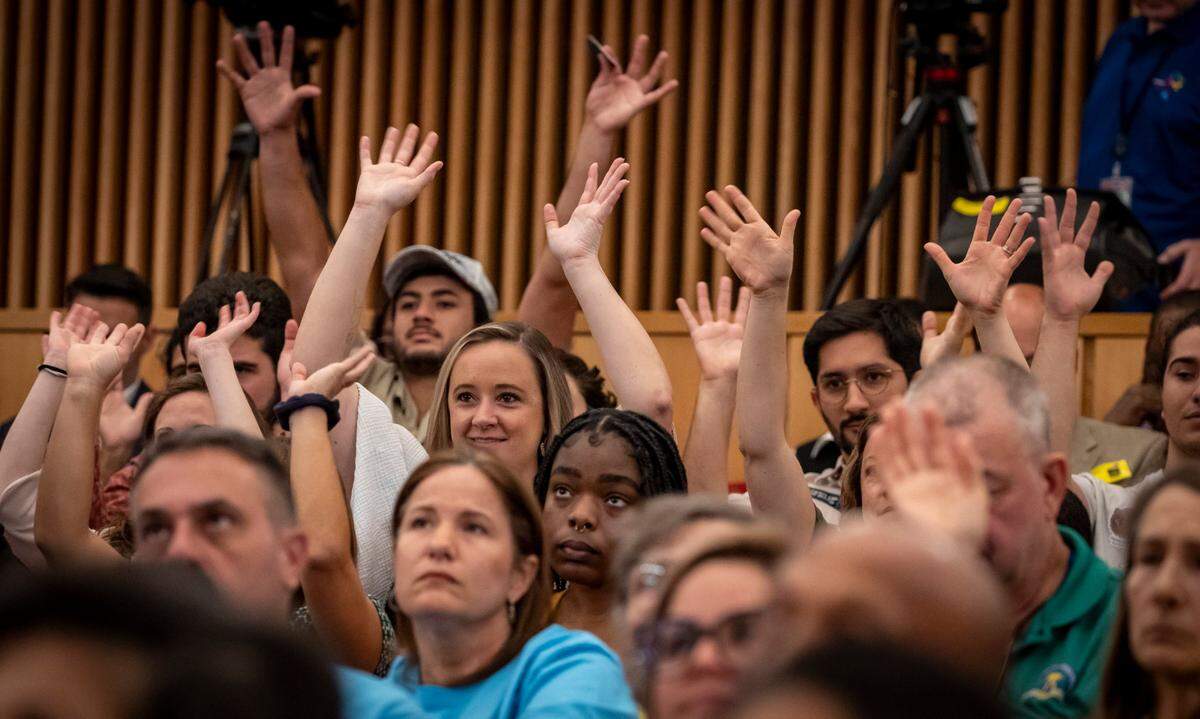
The motion asks a judge to cancel the lease once the court grants plaintiffs’ request to rescind the original Park Service approval of the county’s development plan for the former federal grounds. The environmental groups that brought the suit, including Bat Conservation International and the Center for Biological Diversity, scored a win when the Parks Service acknowledged it erred in approving the development without the ecological review.
Miami Wilds wants the county to amend the lease and allow the federal review to proceed, then move forward once the project gets approval from Washington.
“There’s a process,” Lambert said this week. “It’s a process that federal agencies go through hundreds of times a year.”
The developer contends the project won’t cause harm to the endangered Florida bonneted bat that lives in the adjoining Pine Rocklands forest, but the plaintiffs contend the water park would ruin vital nighttime feeding grounds for the bats.
“There is so much data about the bats’ use of this area,” said Elise Bennett, senior attorney for the Center for Biological Diversity.
New legal fight may emerge
While Miami-Dade lawyers have defended the Miami Wilds deal in court papers for more than a year, the county is now bracing for a legal dispute with the developer.
During a brief discussion of Miami Wilds on Tuesday, Commission Chairman Oliver Gilbert urged fellow commissioners to speak carefully about the project’s status with Miami-Dade.
“This may be moving a lot faster towards litigation — new litigation,” he said. “We’re not going to talk a lot about this. Make sure you curate your comments.”
Along with the letter on Sept. 22 telling Miami Wilds the development deal was on the brink of being canceled, Morales sent a second notice that day warning the county considered the lease already breached. The administration claimed Miami Wilds owed nearly $65,000 in unpaid rent dating from late 2022.
The demand brought a rebuke from Miami Wilds on Thursday afternoon. The developer said it has been depositing rent payments into an escrow account while it awaits resolution of what it called a “material breach” of the lease by Miami-Dade for failing to properly winning federal approval for the project.
The statement by Miami Wilds lawyer Mitchell Jagodinski called the failure either another example of “lack of diligence” by Miami-Dade toward Miami Wilds or something more aggressive.
“At worst,” the statement said, “it’s evidence of deliberate and intentional actions to tank the lease with Miami Wilds when it became politically expedient to do so.”
This story was originally published October 5, 2023 at 4:45 PM.