He lived in Lolita’s tank at Miami Seaquarium. What’s next for Li’i the dolphin?
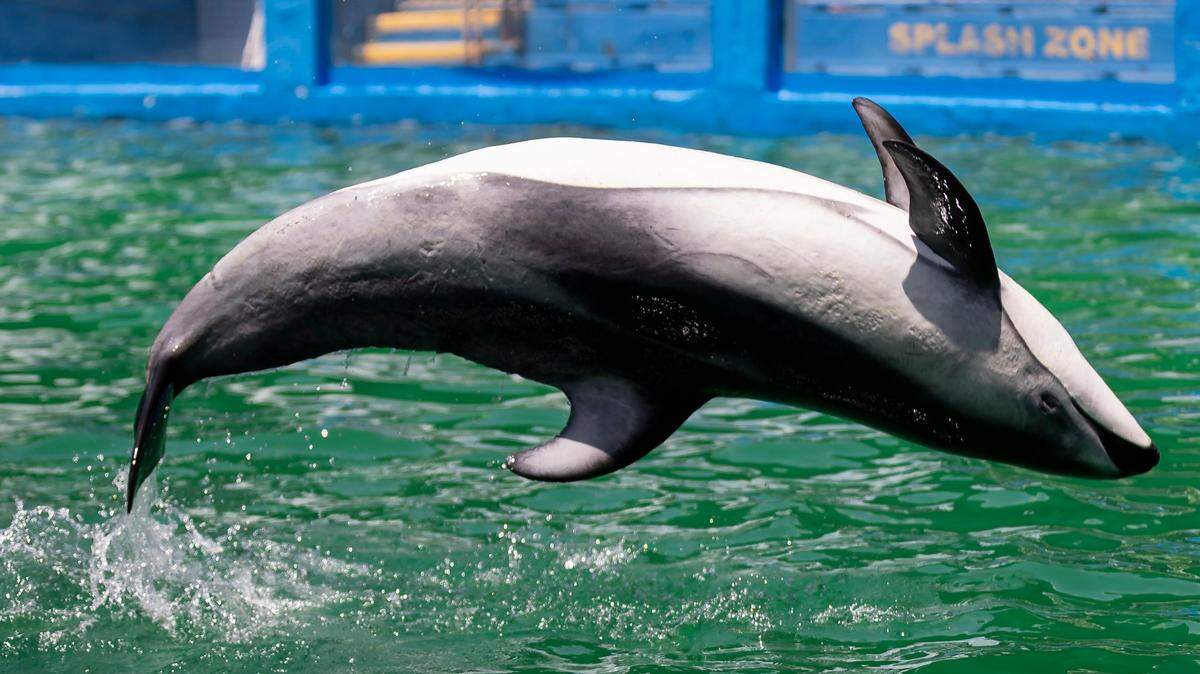
Li’i the dolphin once shared a tank at the Miami Seaquarium with Lolita the killer whale. Eventually, Li’i might have moved to a seaside sanctuary in Washington state with Lolita.
But following the orca’s death last Friday and the relocation of two other Seaquarium dolphins, 40-year-old female Loke and her offspring Elelo, to Shedd Aquarium in Chicago earlier this month, Li’i’s future is uncertain.
For years, Lolita, also known as Toki or Tokitae, was a star attraction at the Seaquarium, and she spent over 50 years in captivity. Her death sparked an outpouring of tributes on social media from fans and animal rights activists alike. Lolita, who was estimated to be 57, likely died of renal disease, the Seaquarium posted last Friday on social media platform X, formerly known as Twitter.
Miami Seaquarium told the Herald in an email it is still “determining the best option” for Li’i, adding that “creating the best environment and care for Li’i is an immediate priority.”
One petition has called for the Seaquarium to move Li’i to Chicago to be with Loke and Elelo, while the animal rights group People for the Ethical Treatment of Animals has urged the Seaquarium to release Li’i to a seaside sanctuary.
Elelo, a 5-year-old male, and Loke arrived at Shedd Aquarium on August 3, aquarium spokesperson Johnny Ford said in an email. The Seaquarium reached out to Shedd for assistance with Loke and Elelo, Ford said. This transfer was intended to allow the Seaquarium to make repairs to its facilities, he added.
READ MORE: After her death in a Miami tank, push to send Lolita home to the Pacific continues
The two dolphins now live in a 3-million-gallon cold water habitat, but their acclimation is “progressing slowly as both dolphins are adjusting to new surroundings for the first time,” Ford said.
Outside pressure on Seaquarium
The Seaquarium will decide Li’i’s future living situation, Ford said. But some hope to influence that decision. A change.org petition that had over 3,600 signatures on Thursday evening is asking the Seaquarium to reunite Li’i with the dolphins at the Shedd Aquarium.
Change.org user Ashlyn Rittenhouse posted the petition on August 18, the day Lolita died.
Others say Li’i should swim free in an ocean-based habitat. “The most respectful way to honor those who have died is to stop exploiting the living,” PETA Executive Vice President Tracy Reiman said in a statement to the Herald.
PETA had advocated for Lolita to be moved to a seaside sanctuary. Earlier this year, the county and the Seaquarium reached a deal with donors on a plan to transport Lolita, and potentially Li’i, to a sea pen in the Pacific Northwest. The sea pen does not currently exist, and it was not clear when Lolita would have made the move.
READ MORE: Lolita spent five decades at Miami Seaquarium. Watch footage of her through the years
Jim Irsay, the owner of the NFL’s Indianapolis Colts, agreed to bankroll Lolita’s move to her new habitat, which would have cost millions. Irsay worked in collaboration with the group Friends of Toki, a non-profit founded with the mission of returning Lolita to her native waters in the Pacific Northwest.
Animal rights activists had long criticized Lolita’s living conditions at the Seaquarium, saying her tank was too small. The Lummi Nation, a Native American group that lives near Lolita’s native waters, had also called for her return to the ocean.
Relocating Li’i may require special circumstances
Whale and Dolphin Conservation, an animal rights group, supports ending captivity for whales and dolphins like Li’i. But in a statement, spokesperson Danny Groves said it’s not always that simple. Some animals that have lived in captivity may need human care for the rest of their lives, and captive dolphins that return to the wild will need to relearn certain skills.
The organization supports moving captive marine mammals to wild sea sanctuaries.
“A sanctuary should provide a safe, but much more natural, and stimulating environment for these whales and dolphins who can live out the rest of their lives in retirement,” Groves said in an email.
If that’s not possible, Groves said, relocating Li’i to Shedd Aquarium with Loke and Elelo could be beneficial because dolphins are social creatures.
This story was originally published August 25, 2023 at 11:55 AM.