
Turkey Point response after reactor shutdowns was ‘acceptable’ but feds found some issues
Federal regulators found that staff at FPL’s Turkey Point plant took “acceptable” measures to stabilize its reactors after three unplanned shutdowns in August, according to a report of a special investigation of the incidents that was released on Monday.
Inspectors with the Nuclear Regulatory Commission also found a half dozen minor problems considered of “very low safety significance.”
They were related to failures to follow procedures or corrective measures in different situations, according to the report, which was dated Dec. 9. The severity levels of the findings were listed as “green” in the report, according to an NRC scale that assigns a color of green, white, yellow or red based on increasing risk.
The NRC conducted a special inspection at the plant from late August through late October to review the circumstances of each shutdown and assess the company’s response and corrective actions. Special inspections are the lowest level of NRC reactive inspections beyond regularly scheduled checks.
“The team determined that the operator’s actions to stabilize the plant following the trips were acceptable, but the inspectors did identify six findings of very low safety significance, including five Green non-cited violations and one Green inspection finding,” the NRC said in a statement. Turkey Point was not operating at full capacity when the shutdowns happened.
On Aug. 17, Turkey Point operators manually shut down the reactor, running at 90 percent output, responding to “rising steam generator water levels.” On Aug. 19, the plant’s protection system automatically shut down the reactor during startup when an instrument sensed higher-than-expected neutron activity in the reactor core. On Aug. 20, operators manually shut down the reactor after the loss of a steam generator feed water pump, the NRC said in the statement.
FPL spokesman Peter Robbins said that there was never “any impact to the safety of our employees or the public” as a result of the unplanned shutdowns.
“In all three cases, the reactor was shut down as designed and all systems responded normally. There was never an emergency at the power plant,” he said in an e-mailed statement. “We have taken this situation seriously. Because nothing we do is more important than the safe operation of our plant, we have already begun taking steps to address the NRC’s feedback as part of the regulatory process.”
The NRC said it will add an operations inspector to the team that will conduct a previously scheduled problem identification and resolution inspection at the plant this spring so that the lessons from the special inspection can be incorporated.
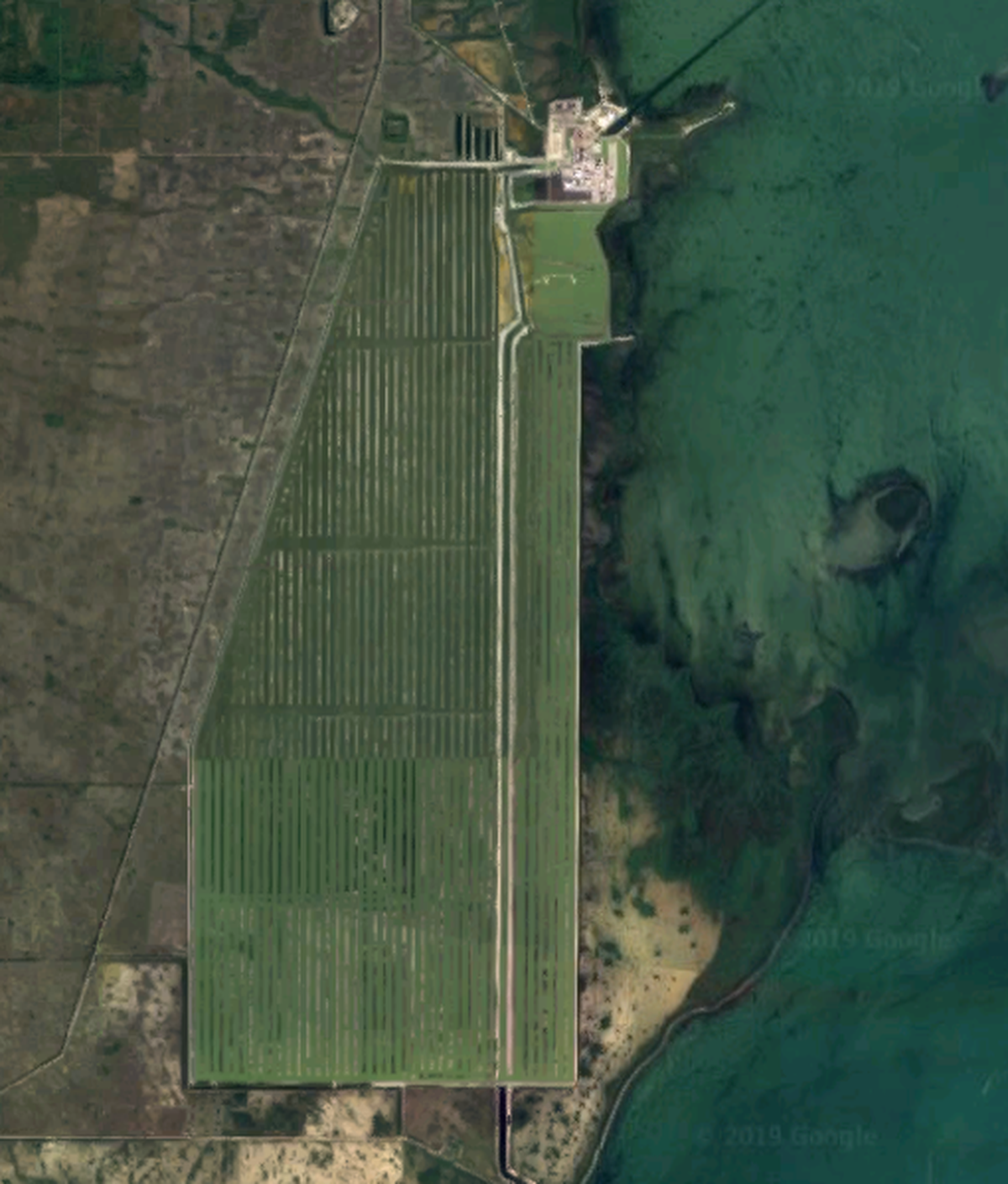
FPL has faced criticism and legal challenges over Turkey Point’s aging cooling system, a unique canal network that doesn’t exist anywhere else in the U.S. Leaking water from the canals, which are unlined, has created a massive saltwater plume that’s encroaching into the adjacent freshwater aquifer.
In 2014, Turkey Point struggled with hot temperatures in the canal system after FPL finished a massive overhaul to boost power coming from the reactors. The hotter and increasingly saltier water from the canals triggered persistent algae blooms, threatened to shut down the reactors and forced FPL to look for water to cool and freshen the system. The company considered using treated wastewater but dropped plans earlier this year and will instead use water that’s now directed to a gas-fired unit that’s part of Turkey Point.
The issues led state and county regulators to cite FPL for polluting the waters in the mangrove-lined coast of south Biscayne Bay.
Late last year Turkey Point received federal approval to continue to operate through at least 2053 — an unprecedented decision by regulators to extend the operating lifespan of nuclear reactors to 80 years.
This story was originally published December 14, 2020 at 6:58 PM.
.jpg)