
FPL drops plan to use treated sewage in nuke plant cooling canals. Critics still concerned
Florida Power & Light has abandoned a plan to use treated wastewater to freshen the troubled cooling canal system at its Turkey Point nuclear plant, striking at least one concern off a list of environmental issues surrounding the facility along south Biscayne Bay.
Instead, FPL intends to use the wastewater to cool a natural gas-fired unit that currently draws from the Floridan aquifer. That aquifer water, if state environmental regulators agree, would then be redirected to the cooling canals instead.
The new agreement between Miami-Dade County and FPL was approved at a County Commission meeting this week after years of discussions around ways to clean up and reduce salinity of the canals, which have been leaking into groundwater and creating an underground saltwater plume that threatens surrounding drinking water wells and adjacent Biscayne Bay.
The reclaimed water agreement will also help the county meet a 2025 state deadline requiring it to stop dumping sewage offshore and to reuse 60 percent of its wastewater. Environmentalists were concerned an original proposal to dump wastewater into the cooling canal system would have made things worse.
“It’s a huge win for the county, for the City of Miami, for the state, and obviously for the environment,” Eric Silagy, the company’s CEO, said in an interview with the Herald.
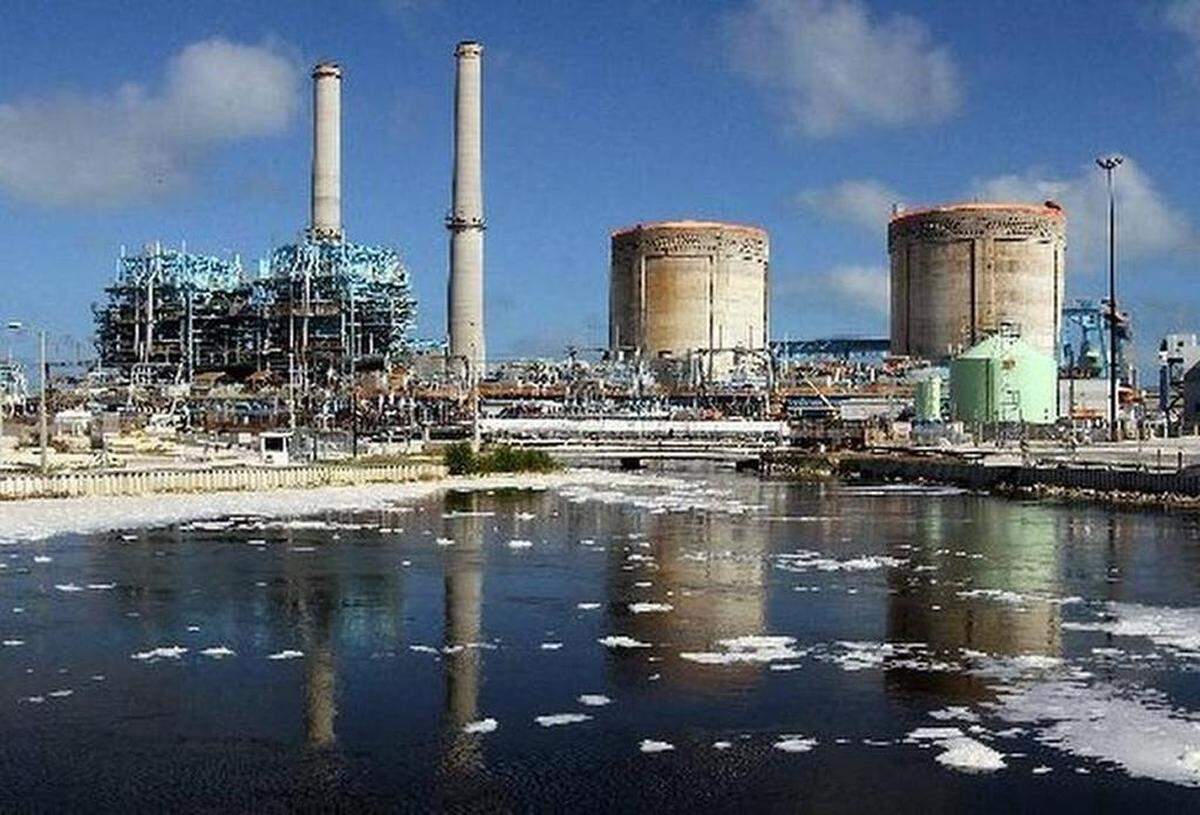
Under the plan, up to 15 million gallons per day of reclaimed wastewater will be piped to Turkey Point, where it will be treated at a plant FPL will build to make it suitable for use in the natural gas unit’s cooling towers.
The county will pay FPL $6.5 million per year through 2053, the length of the current agreement, to support the project. The new sewage treatment facility is scheduled to be operational in 2026, according to the plan. While the county is expected to make a total of $182 million in payments, FPL will invest an estimated $300 million in building and operating the project, the agreement says.
Still, the plan disappointed some environmental advocates and county commissioners because it will treat less sewage than originally proposed and will use water that might have been diverted — after high level of treatment — to recharge the Biscayne Aquifer and restore water flow and quality to Biscayne Bay and wetlands.
“It is really disappointing because we had a very ambitious plan and one that would have used much more of the reuse and it would have really helped us environmentally with the restoration of the wetlands, so I’m hoping that we can continue to revisit these larger issues of the reuse plan including opportunities to recharge the aquifer and the basin,” Commissioner Daniella Levine Cava said at the June 16 meeting before voting to approve the item.
Mayor Carlos Gimenez called the new plan a step forward and said a provision was added to the agreement to allow for the expansion of the wastewater treatment plant to 30 million gallons a day.
“I wish we had more, but one of my favorite sayings is never let perfect be the enemy of good, and this is good,” he said.
Environmentalists called the agreement a missed opportunity to do more for South Florida’s environment.
While it’s good that wastewater won’t go into the unlined cooling canals and potentially leak into Biscayne Bay, water quality advocates were hoping the county would use this project to address other pollution issues and put Turkey Point on track to fixing its troubled canals system once and for all.
They also said the water reuse project ignores a 20-year-old Everglades restoration plan to use wastewater to revive the bay and coastal wetlands, which stalled over the high price of treatment.
FPL said it would cost too much to treat the wastewater enough to meet Biscayne Bay’s rigorous requirements at this point, but that the plant can be scaled up in the future.
“The way I see it is this is an opportunity to prove our technology; maybe we will be able to do more in the future,” Silagy said. “We’re always been open to that and happy to do it.”
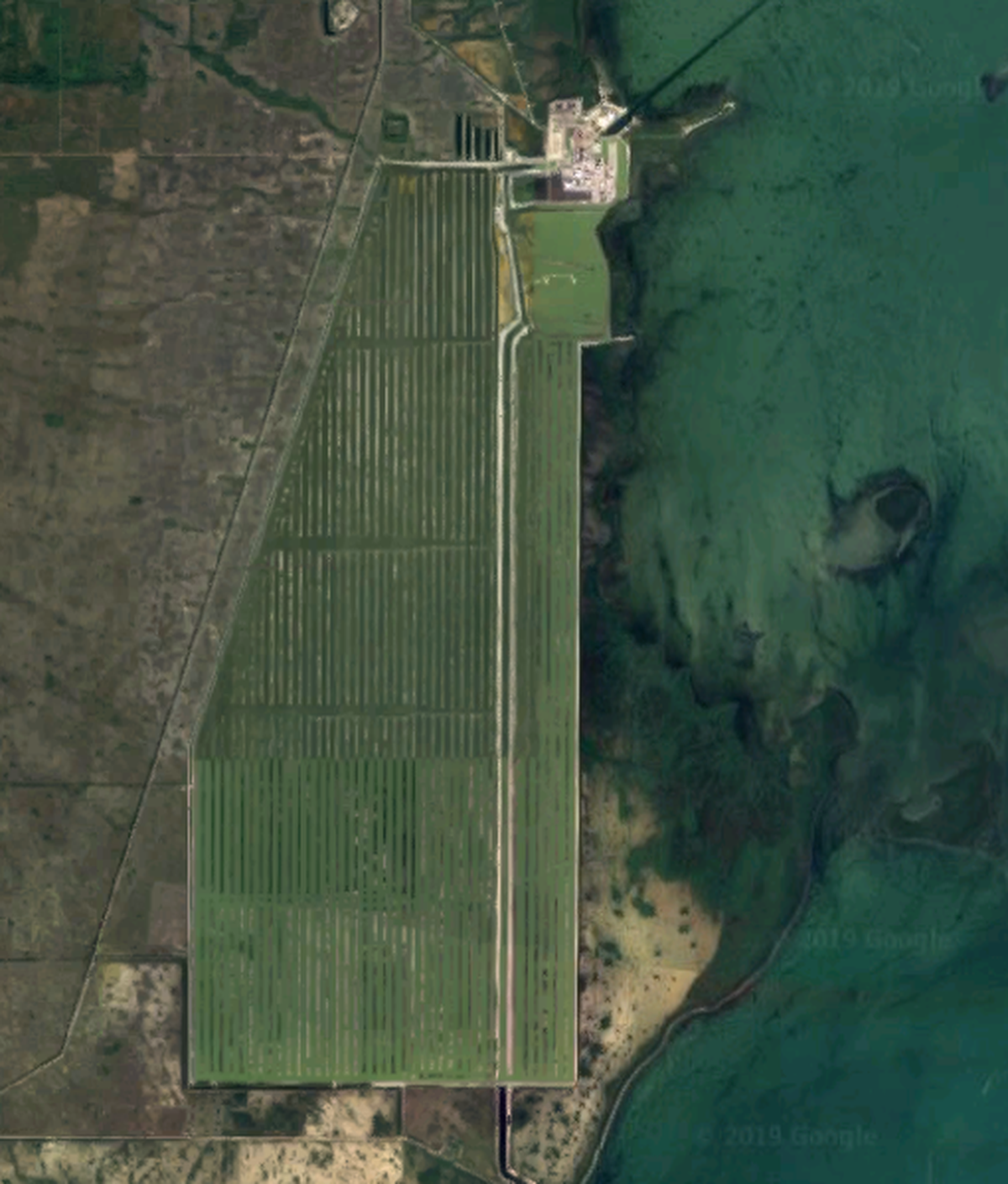
Controversy has plagued Turkey Point’s cooling system for over a decade. The cooling method that funnels water through a 5,900-acre series of canals stretching along Biscayne Bay is unique; all other nuclear plants in the country use cooling towers, which can better contain the water that’s circulating.
FPL has long argued that the canals constituted a closed-loop cooling system, built to prevent high-temperature discharges from harming Biscayne Bay. But studies have showed that the unlined canals, built on top of porous limestone, are leaking polluted water into the bay, contaminating the drinking water supply and harming the surrounding ecosystem.
In addition to the underground salt water plume that continues to move west, FPL has also struggled with hot temperatures in the cooling canal system after the company completed a massive multimillion-dollar overhaul to boost power coming from the reactors. The hotter and increasingly saltier canals triggered algae blooms, threatened to shut down the reactors, and forced FPL to scramble to look for water to cool and freshen the system.
The issues led state and county regulators to cite FPL for polluting the waters in Biscayne Bay; they ordered the company to come up with a plan to clean up its operations.
Environmentalists said that FPL should resolve these issues before getting any new deals with the county, such as the wastewater use agreement.
“At a minimum FPL should take steps to mitigate existing environmental impacts and better prepare for those to come, such as sea level rise,” said Rachel Silverstein, executive director at Miami Waterkeeper.
This story was originally published June 18, 2020 at 1:13 PM.
.jpg)