
‘Forever chemicals’ are in nearly all U.S. drinking water, activists say. Miami is #3 on the list.
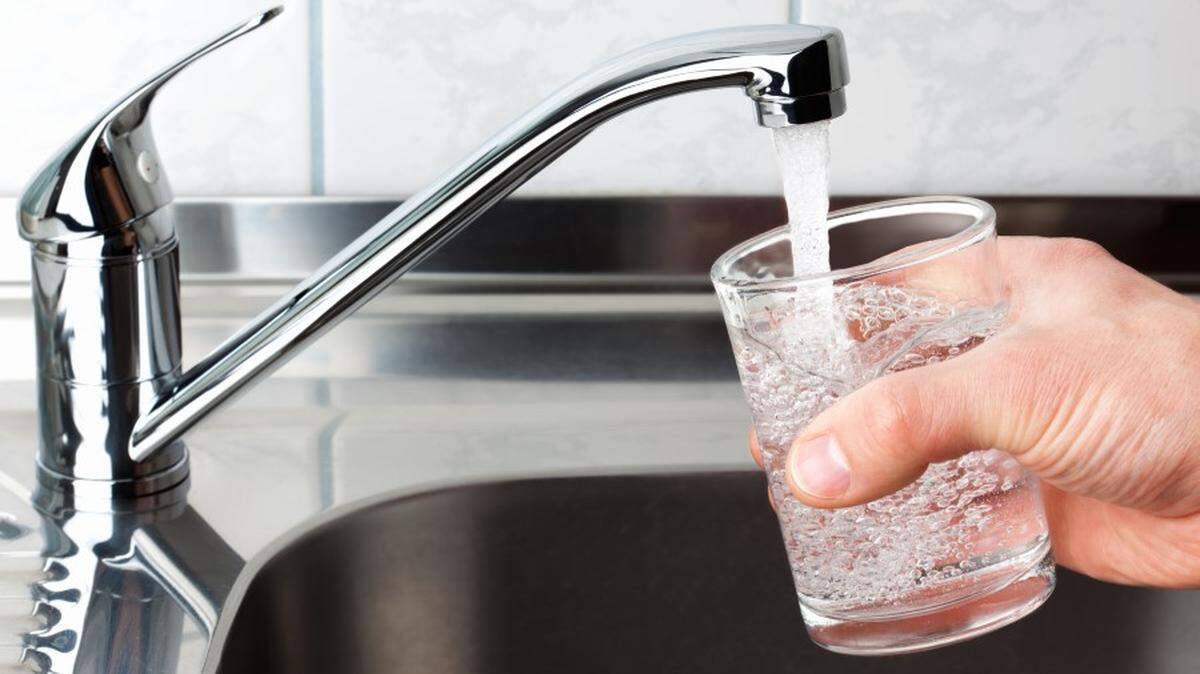
Drinking water contamination with “forever chemicals” — present in Teflon cookware and Scotchgard stain repellent — is far more widespread than previously estimated, with some of the highest levels found in Miami, according to a study by an environmental group.
The chemicals known as PFAS don’t break down easily and have been a problem for water quality managers in Florida and across the country as concerns grow about potential health risks. Miami-Dade last year closed three wells that were above federal health standards.
The Environmental Working Group, an advocacy nonprofit, said Wednesday that PFAS — short for Per- and Polyfluoroalkyl Substances — are likely detectable in all major water supplies in the United States. A previous estimate that 110 million Americans could be exposed to the potentially toxic chemicals is “much too low” in light of the new findings, EWG said.
Extensive exposure to the substances has been linked to higher risks for cancer and birth defects, though the chemicals are so common that most people have been exposed to them.
Because PFAS are not regulated, the federal Environmental Protection Agency doesn’t have a firm rule on how much can be present in drinking water. The agency established a non-enforceable “health advisory level” of 70 parts per trillion for the most prevalent PFAS compounds, which are also widely used in firefighting foams. Advocacy groups like EWG and health advocates consider that threshold too high to be considered safe, and 10 states have implemented or are preparing to implement their own standards.
EWG didn’t provide its testing locations but tests conducted in Miami in July last year showed PFAS levels of 56.7 parts per trillion, below the federal advisory level but much higher than EWG’s recommended level of 1 ppt. Florida doesn’t have its own standard, and Miami-Dade said it uses the EPA guideline for its yardstick on PFAS contamination.
EWG sampled tap water in 31 states and the District of Columbia. Only Brunswick County in North Carolina and the Quad Cities area in Iowa had higher PFAS concentrations than Miami.
Miami-Dade said that all the drinking water its treatment plants provide is well within the EPA advisory level for PFAS, according to Water and Sewer Department spokeswoman Jennifer Messemer-Skold.
Still, six water supply wells out of 89 wells sampled have been found to exceed health advisory levels, leading to the closure last year of three of those wells, she said.
The closed wells, near Miami International Airport, supply the Hialeah and Preston water plants in the Hialeah area. Firefighting foam has been used for years in training and rescue operations at MIA, which could explain the high level of contaminants.
.jpg)