
Florida’s ‘green’ governor gets a D on Sierra Club’s environmental report card
Gov. Ron DeSantis, who spent his first year in office building a green image and pitching science-based solutions for the state’s environmental woes, barely passed a test by one of the country’s oldest conservation organizations.
DeSantis got a D in his report card from the Sierra Club for failing to protect Florida’s springs and rivers and for authorizing toll roads that kill Florida panthers, black bears and other protected wildlife. He received Fs for staying silent on plans to convert the state to 100 percent renewable energy and barely passed the test on a key issue: climate change.
Overall, the governor failed five out of 13 categories in the organization’s report card, and only got one B, his highest grade, for actions on reducing plastic waste.
“When Gov. DeSantis was elected and he made bold statements about the environment, I was the first to say that he’d done more for Florida’s environment in Florida in a week, in a couple of days, than Rick Scott did in eight years,” said Florida Chapter Director Frank Jackalone during a press conference at the Capitol rotunda on Monday. “Yes, he has done more than Rick Scott; it’s just not enough.”
The Sierra Club’s biggest beef with DeSantis is about his lack of initiative on climate change, which topped the report card with a D.
Jackalone said the governor is ignoring the need to address the state’s climate crisis and is failing to conserve land as a way to protect it from massive development.
He said much of DeSantis’ actions on the environmental front have been superficial or simply a matter of compliance, and do not address the root causes of the issues, especially regarding climate change. The report card proposes a suspension of permits for fossil fuel power plants and pipelines, and a plan to address the causes of climate change.
The governor’s office didn’t reply to requests for comment.
The Sierra Club awarded DeSantis a C on his two top environmental strategies: Everglades restoration and water quality. The Sierra Club argued that instead of supporting purchases of conservation land, DeSantis worked to get funding for a storage reservoir “which will not perform water treatment functions, is not cost-effective, cannot send clean water south, is not safe, and does not ensure a significant reduction in discharges,” Jackalone said.
He was referring to the Everglades Agricultural Area reservoir, designed to divert polluted water from Lake Okeechobee that is now sent down the Caloosahatchee River to the west and the St. Lucie River to the east. The flows have contributed to nasty, fish-killing algae blooms.
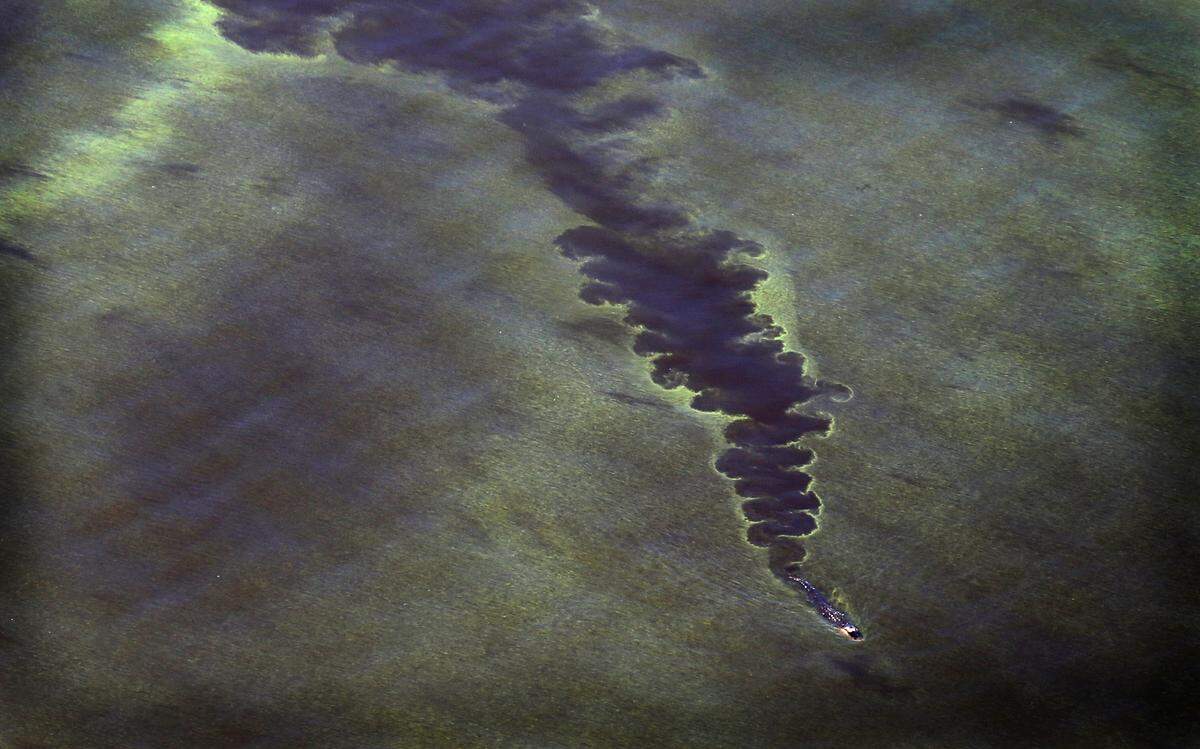
Jackalone did recognize the governor for approving $40 million as part of the state’s contribution to the Tamiami Trail project. The project calls for elevating the roadway and building a bridge that would allow for the natural flow of fresh water into the Everglades.
Some in the conservation community found the Sierra Club’s assessment unfair and overly pessimistic. After all, DeSantis has only been in office for a year and Florida’s environmental issues are complex, said Eric Eikenberg, chief executive officer of the Everglades Foundation.
“The Sierra Club had been clamoring for change and that’s what the governor has done,” Eikenberg said, adding DeSantis is confronting special interests and foot-dragging that has delayed action on important issues for years.
Eikenberg highlighted DeSantis’ quick decision to replace the board of the South Florida Water Management District early in his mandate, after the board renewed a Florida Crystals lease for land that was targeted for Everglades restoration.
“We are the only state with a chief science officer and a chief resilience officer, and that’s a big deal,” he said.
DeSantis has dedicated a lot of his time to Everglades restoration projects and helped boost state and federal funds that are earmarked to improve water quality in the fragile ecosystem. He participated in several events to promote the removal of the Burmese python, an invasive species that’s wreaking havoc in the Everglades.
But he has steered clear of more controversial issues such as approving permits for exploratory oil drilling in the Big Cypress National Preserve.
Sierra Club did acknowledge DeSantis’ support for studies on red tide and blue-green algae and for creating task forces to address the harmful blooms.
.jpg)