
Everglades get $200 million for Lake Okeechobee reservoir
Following House passage earlier this week, the U.S. Senate voted on Thursday to approve a federal spending bill that earmarks $200 million for Everglades restoration work, including a vast reservoir that will clean polluted water before it reaches the St. Lucie and Caloosahatchee estuaries.
President Donald Trump is expected to sign the bipartisan bill on Friday, before federal funding runs out at midnight.
The state and federal governments have agreed to split the $1.6 billion cost of the reservoir and a storm-water treatment area south of Lake Okeechobee to reduce the polluted discharges that in 2018 fueled slimy green algae blooms and a red tide that littered the Gulf Coast with dead fish.
With full funding, the Army Corps of Engineers can complete a 10,100-acre reservoir in eight years. On the state side, the South Florida Water Management District said it plans to complete a 6,500-acre marsh-like water treatment area designed to clean water before it is directed south toward Everglades National Park. Completion is scheduled for April 2024.
Federal funding for the Everglades in 2018-19 fiscal year was $67 million.
“This is excellent news, we’re beating the clock to avoid a shutdown and we’re getting almost triple the money for Everglades restoration than previously allocated,” Celeste De Palma, director of Everglades policy for Audubon Florida, said in an emailed statement.
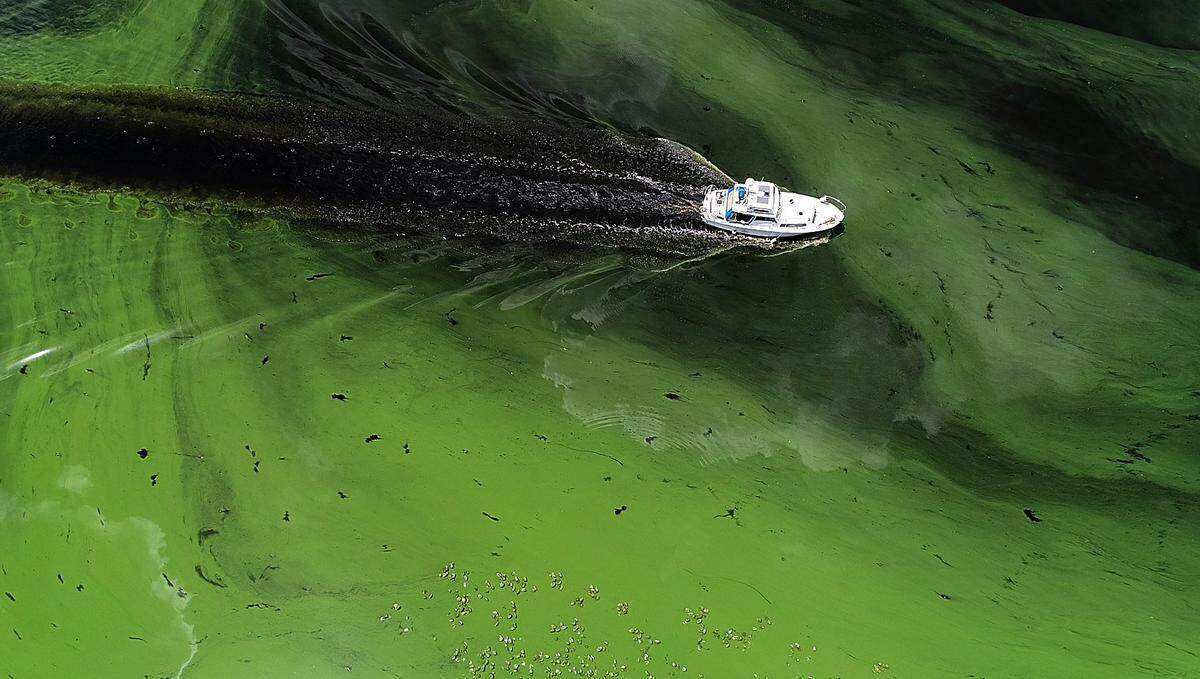
Water in Lake O has a high concentration of nutrients because of runoff from surrounding agricultural lands, septic tanks and urban storm-water reservoirs. The lake is a key water source for South Florida, used to replenish drinking water supplies for some communities and for irrigation by other farmers. It’s also the heart of the Central Everglades region and a gatekeeper between the watershed from the north and the Southern Everglades.
But managing the lake is tricky, and water discharges have done more harm than good in some instances. Last year, releases from Lake O coincided with a red tide that swept up and down the Gulf Coast, filling beaches with dead fish and other marine life. Scientists say the polluted lake water flushed down the Caloosahatchee River likely exacerbated the phenomenon.
During the 2018 summer of slime, Lake O was smothered by thick layers of green gunk, harmful blue-green algae blooms that killed fish and contaminated the water with microcystin, a toxin produced by algae that can stay in the water for months and leads to liver damage, gastrointestinal and respiratory illnesses in humans.
In addition to the reservoir project, the funds allocated to the Everglades will be used for the C-44 reservoir and storm-water treatment area in western Martin County, used to store and clean water before it moves into the St. Lucie river. It will also be used in the C-43 reservoir, designed to store water going to the Caloosahatchee during wet periods and to release it during the dry season.
This story was originally published December 20, 2019 at 2:24 PM.
.jpg)