
Florida sea turtles face a new threat from microplastics: hotter sand
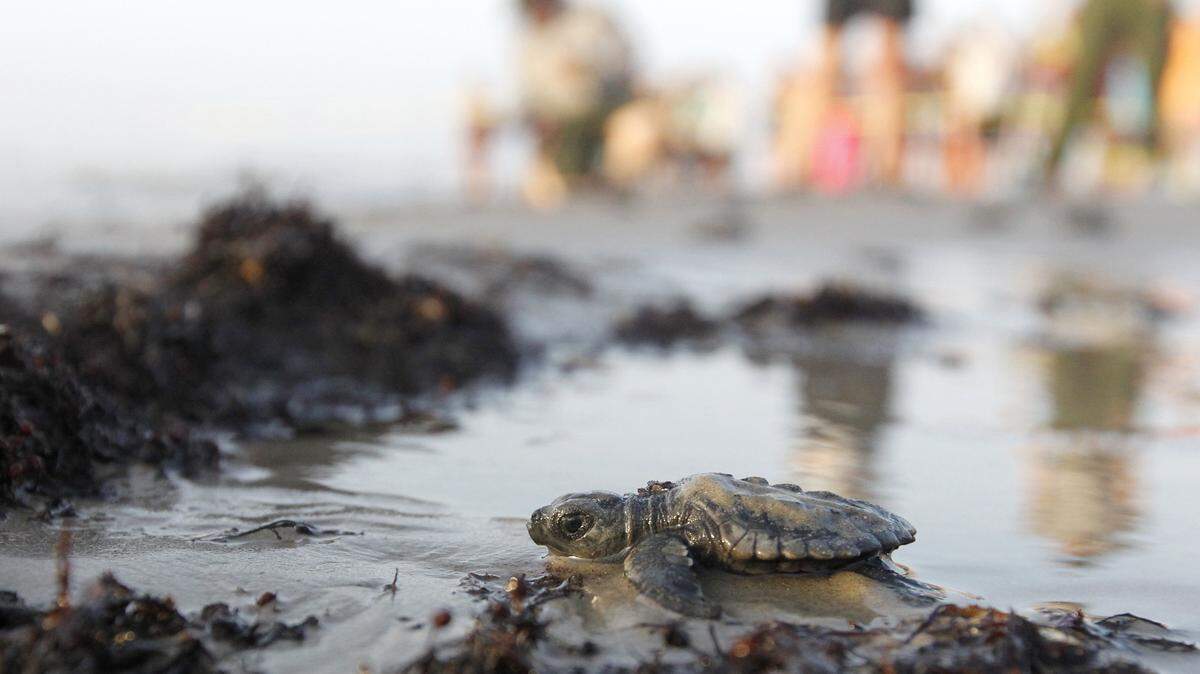
With nesting season opening this week, Florida's sea turtles may face yet another threat from the plastic pollution choking the world's oceans.
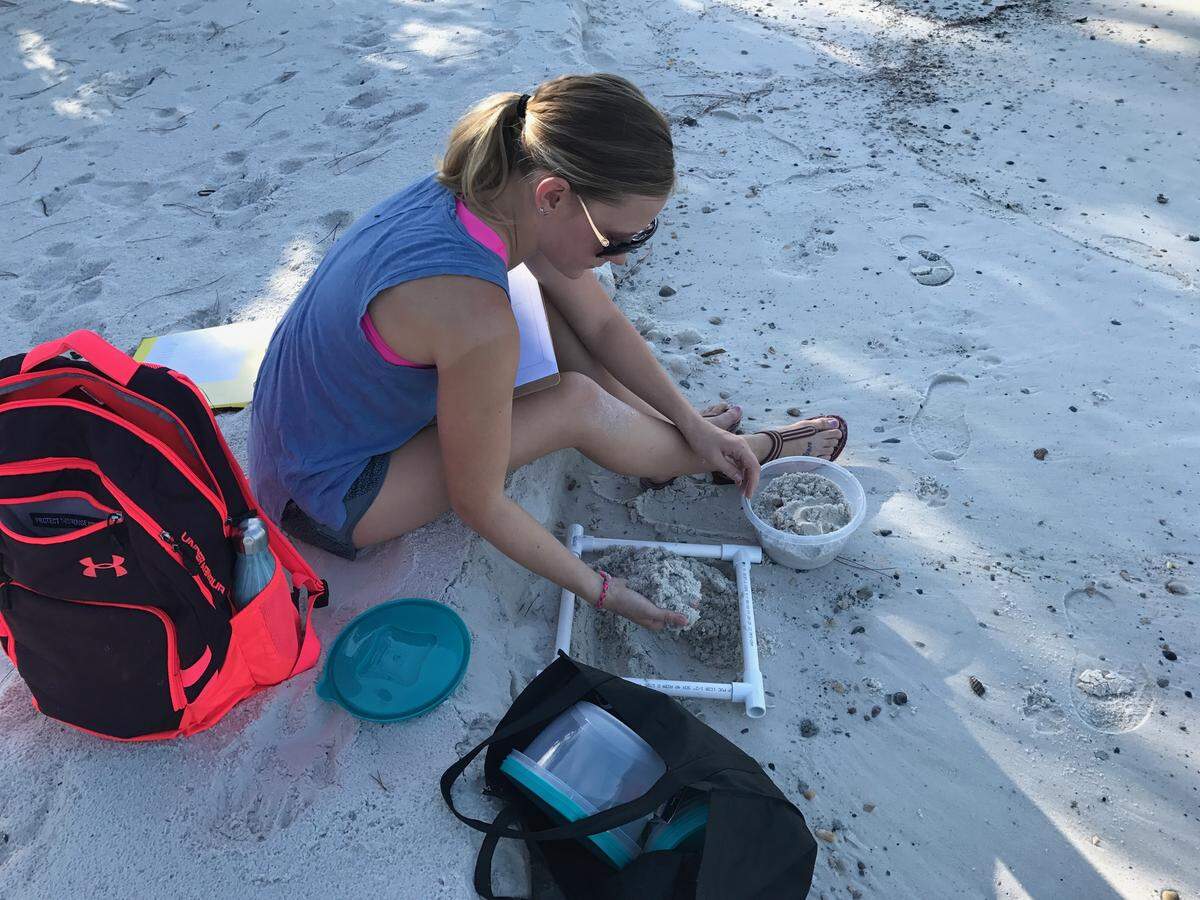
According to a new study from Florida State University researchers, tiny, sesame seed-sized microplastics in sand could be heating up beaches and changing the balance of male and female sea turtles. Researchers sampling sand at loggerhead nesting sites along the Gulf Coast found the beads at every location they tested, with the concentration higher in dunes where turtles nest.
Plastic can absorb and retain more heat, leading researchers to worry that the beads could crank up sand temperature, which determines turtle sex as eggs incubate.
"Changes in incubation temperatures might modify the sex," Mariana Fuentes, coauthor of the study published Monday in the journal Marine Pollution Bulletin, said in a statement. "But at this stage we don't know how much microplastic is needed to see those changes."
Plastic pollution across the planet has increasingly threatened wildlife, with the buoyancy and durability of microplastics posing a particular threat to marine animals. Just this month researchers announced new record levels found in Arctic ice.
While birds, whales, seals and other marine life can get tangled in plastic packaging and nylon ropes, microplastics can be easily ingested, posing a less obvious but still dangerous threat. A study of more than a thousand North Carolina sea birds found more than half had plastic in their guts. Scientists worry that microplastics may be settling onto the sea floor, and fear more impacts are going undetected across the vast oceans.
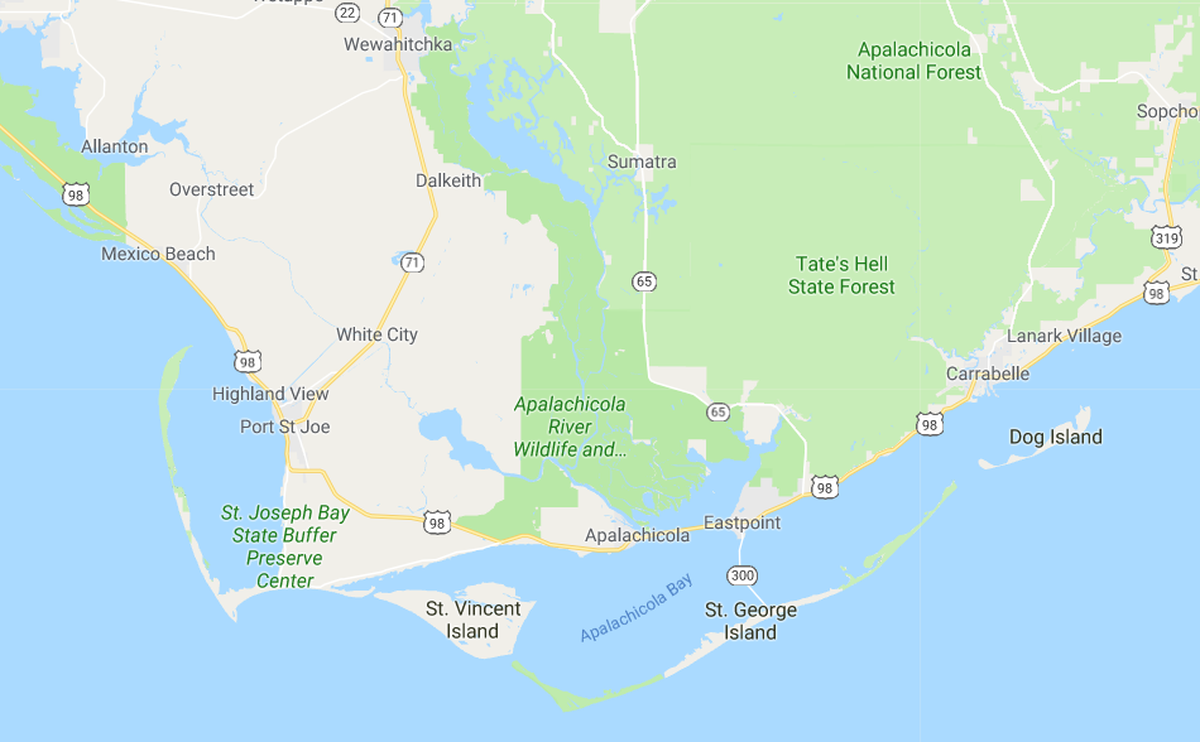
For their study, FSU researchers headed to the 10 most productive loggerhead nesting sites on beaches along the Panhandle's Gulf Coast. They found microplastic in every sample they collected, with higher amounts in sand from dunes.
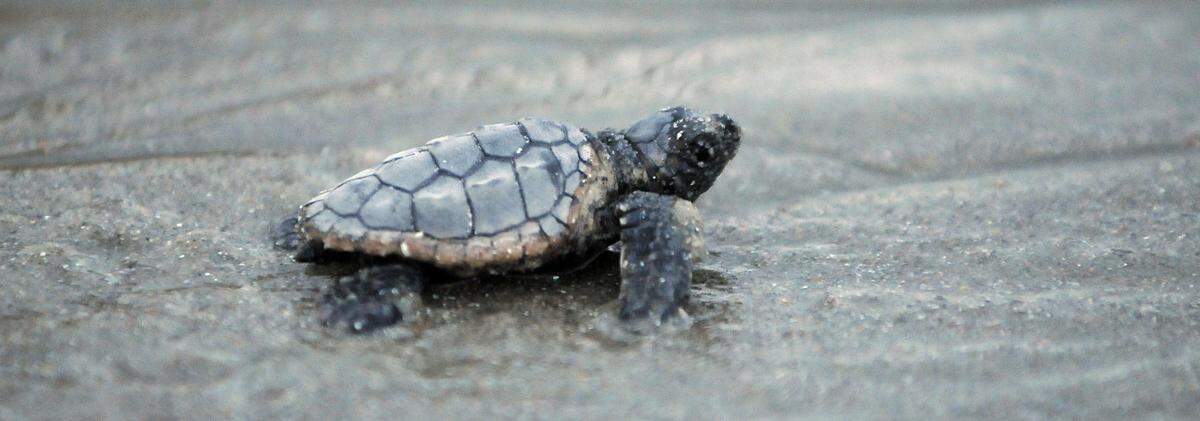
Turtle researchers have already determined that rising temperatures are starting to influence hatchlings. Earlier this year, researchers confirmed that increasing temperatures near the Great Barrier Reef had led to a dramatic change in green sea turtle hatchlings, with 99 percent on one beach born female. Florida Atlantic University researchers looking at Boca Raton nests since 2002 also have reported females dominating hatchlings.
The FSU team plans to follow up on their findings by investigating just how much plastic may be increasing temperatures.
"The first step was to see whether sea turtles are exposed to microplastics," Fuentes said. "Next we'll explore its potential impacts."
This story was originally published May 2, 2018 at 6:04 PM with the headline "Florida sea turtles face a new threat from microplastics: hotter sand."