Miami handyman brutally killed La Carreta waitress. Will he face death penalty again?
A man who was on Florida’s Death Row for beating, stabbing and strangling a La Carreta waitress with a rice cooker cord back in 2005 will once again face a jury — who’s tasked with deciding if he should be executed for the grizzly slaying two decades ago.
Rafael Andres, 61, was convicted in 2014 of murdering 31-year-old waitress Yvette Fariñas. Fariñas, who worked at the restaurant at Miami International Airport, had hired Andres, a handyman, to do renovations at the efficiency she lived in with her boyfriend.

Andres — originally sentenced to death by a jury in a 9-3 vote — was granted a new sentencing trial due to constitutional issues surrounding the state’s death penalty. Andres is already serving a life sentence on other charges stemming from the murder.
Andres’ resentencing, which is still in jury selection, is expected to begin with opening arguments on Wednesday.
The trial comes as another Miami jury is deciding the fate of former Death Row inmate, Labrant Dennis. Dennis, 53, was convicted of bludgeoning his ex-girlfriend Timwanika Lumpkins and UM linebacker Marlin Barnes to death with a shotgun in 1996.
READ MORE: Jurors hear 2 sides of man who beat to death his ex-girlfriend, UM football player
Investigators linked Andres to DNA found on a bloody washcloth near Fariñas’ body. A neighbor spotted Andres leaving the home — holding a gas can — moments before the crime scene went up in flames. Fariñas was killed inside her efficiency, located on the 7300 block of Southwest 12th Street.
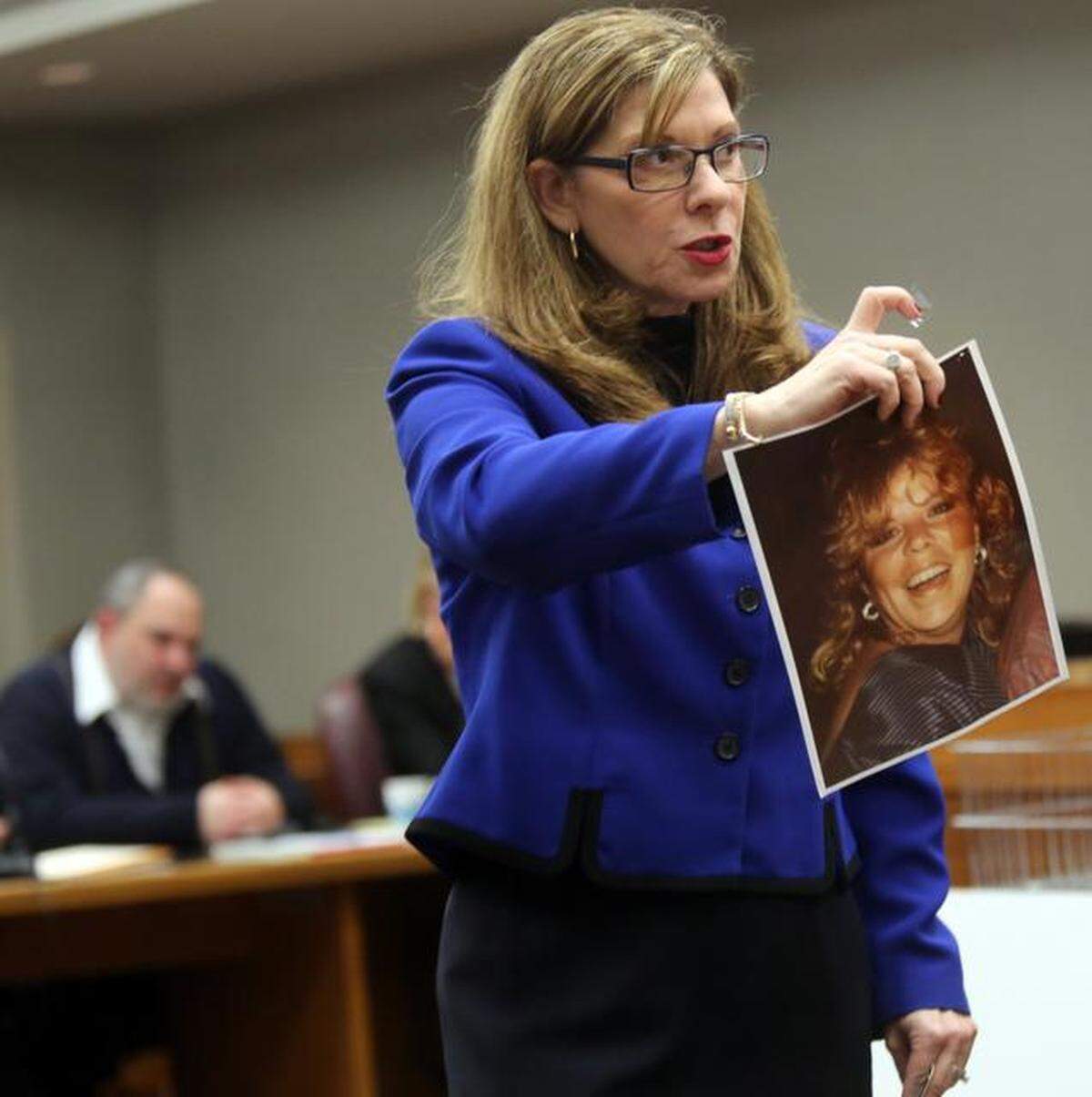
In 1999, Fariñas moved to Miami from Cuba, where she left behind a small family. At the time of her murder, she was interviewing to become a federal security officer at the airport.
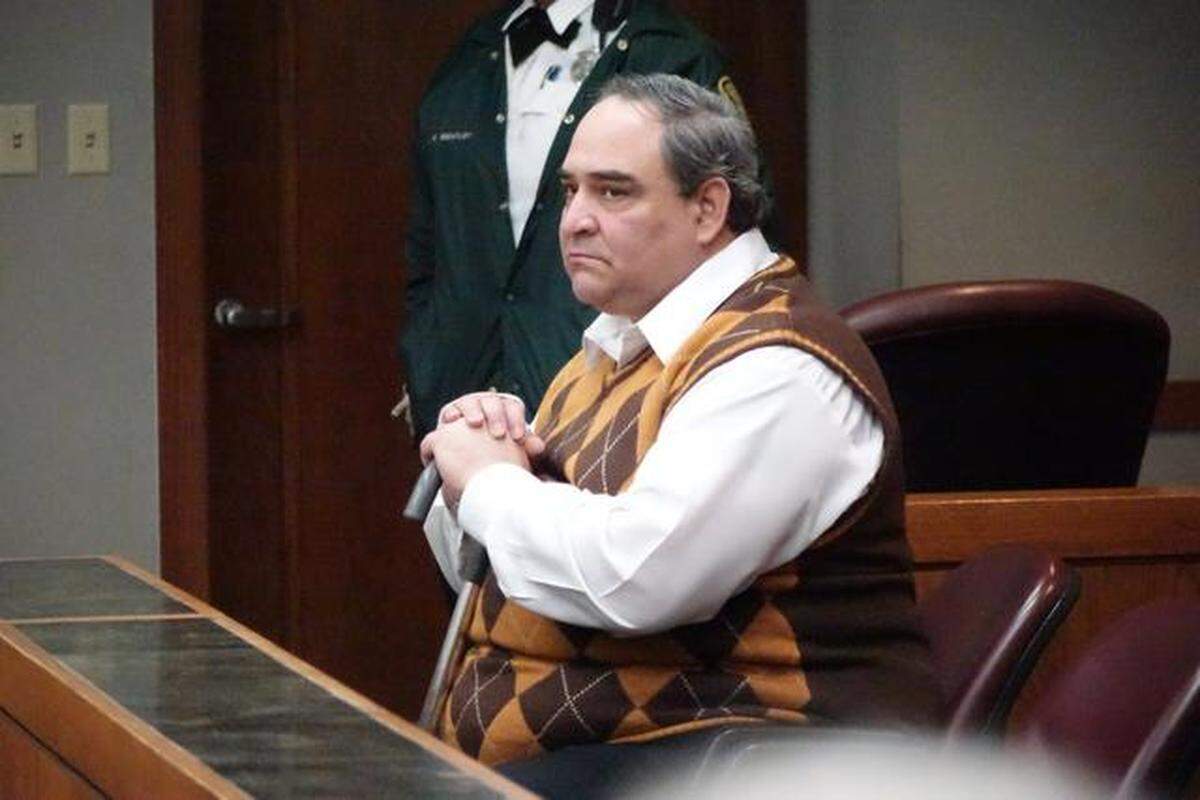
On the morning of Jan. 24, 2005, Andres used a spare key to enter the efficiency, prosecutors say. He beat her until she gave up her pin code. He then used Fariñas’ ATM card to withdraw cash, buy goods at The Home Depot and pay for a stay at the Miccosukee Resort and Casino.
In his spending spree, he fleeced more than $1,600, according to prosecutors. The evidence against Andres quickly mounted:
Cellphone records tied him to the crime scene. Traces of gasoline were found on his sneakers. The gas-can lid found at the scene perfectly matched a lidless container found at his home. His van was dumped in rural West Miami-Dade.
“When you took that rice-cooker cord and wound it around her neck, the evidence is clear,” former Miami-Dade Circuit Court Judge Dava Tunis told Andres while sentencing him to death in 2015. “She was alive. She knew you were strangling her. She fought you for her life.”
During the sentencing, Tunis also mentioned how Andres served “very little time” for the 1987 murder of another woman.
Not his first murder
In 1988, Andres was convicted of stabbing to death 32-year-old Linda Azcarreta, a friend of his wife. Andres claimed he killed Azcarreta in a frenzy of drug use. He cashed a $100 check meant for her after the murder.
Andres told detectives he “did not know why he did it, because he loved Linda and she was a dear friend.”
Andres pleaded guilty to the killing and was sentenced to nine years but walked free after just 18 months due to his good behavior while behind bars.
The two women’s murders united their families, however.
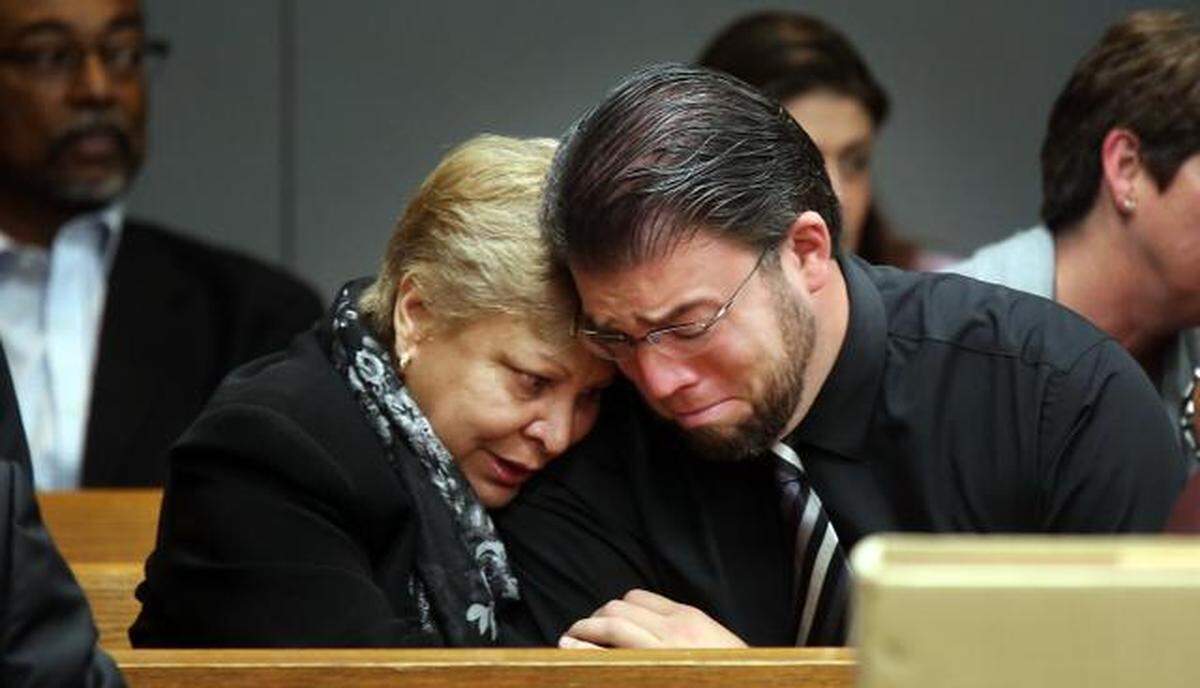
Azcarreta’s now adult son Rene Azcarreta — who had discovered his mother’s body when he was 7 years old — attended the 2015 death penalty trial. He broke down when prosecutors divulged details of his mother’s killing and comforted the Fariñas family throughout the proceeding, according to the Herald’s archives.
READ MORE: His mother’s murderer: In a Miami courtroom, a son tries to reclaim lost memories
“We felt very good he was there with us, someone else who suffered the same that we did because of this man,” Fariñas’ father Rene Fariñas told the Herald after the 2015 sentencing.
This report was supplemented by the Miami Herald’s archives
This story was originally published November 3, 2025 at 7:00 AM.