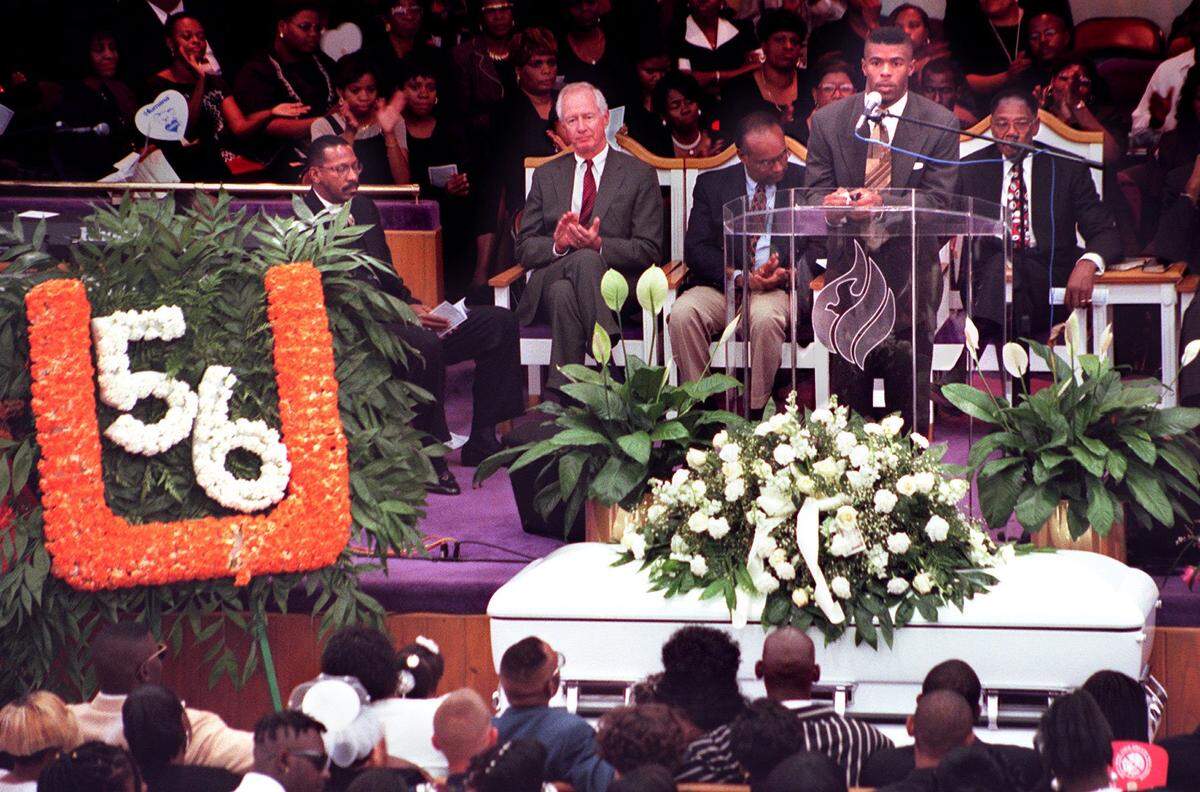
Jurors hear 2 sides of man who beat to death his ex-girlfriend, UM football player

Prosecutors and defense attorneys painted two drastically different portraits of the man convicted of beating to death his ex-girlfriend — and the University of Miami linebacker she was seeing — almost 30 years ago.
Prosecutor Shawn Abuhoff told jurors that Labrant Dennis, now 53, was a scorned lover who killed Timwanika Lumpkins, the mother of his child, and Canes football player Marlin Barnes on April 13, 1996, at Barnes’ apartment on UM’s Coral Gables campus.
Barnes, who graduated from North Miami High, had just been voted the most improved player in the spring of 1996 and was the first person in his family to go to college, ABC News reported. He and Lumpkins were 22 when they were murdered.
The gravity of their killings warrant jurors sending Dennis back to Florida’s Death Row, Abuhoff said. Dennis was on Death Row from 1999 to 2017, until he was granted a new sentencing trial due to constitutional issues surrounding the state’s death penalty. He was convicted of the murders in 1998.
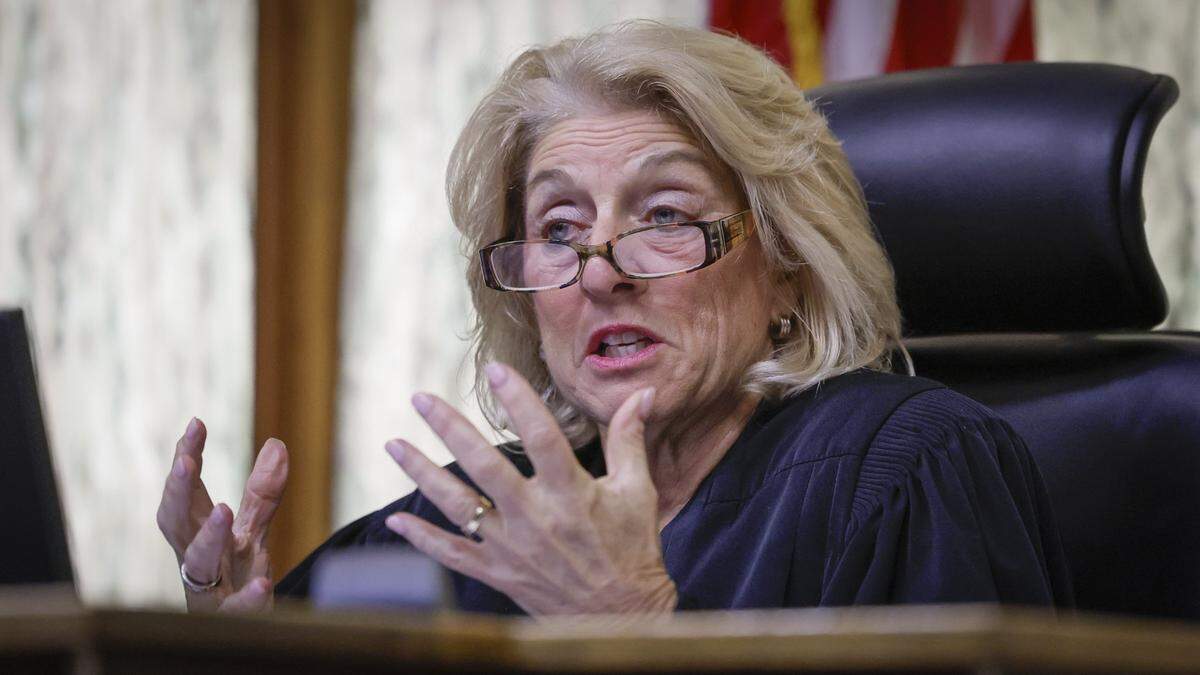
His resentencing trial began Thursday before Miami-Dade Circuit Court Judge Marisa Tinkler Mendez.
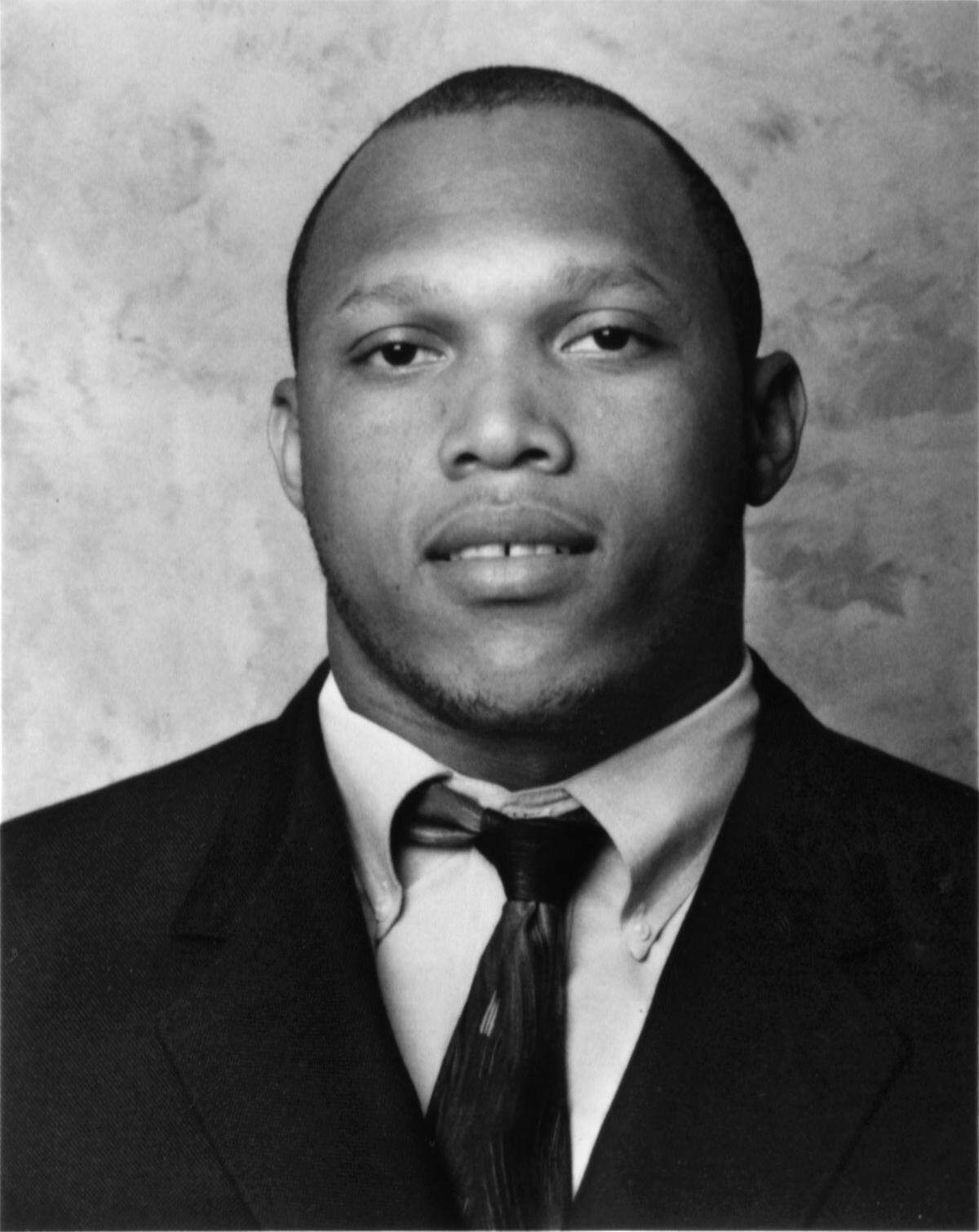
Dennis’ attorney, Terence Lenamon, told the jury to take into account Dennis’ troubled background. He was born to a drug-addicted teen mother and a father who sexually abused him. He was raised in a high-crime neighborhood in Miami but stayed out of trouble before the murders — and continued to do so while behind bars. That, Lenamon said, was evidence for the jury to choose life over death.
Abuhoff, meanwhile, took the jury back to the UM campus apartment where Barnes lived with two other football players in the spring of 1996. Barnes was found slumped against the door but clinging to life inside the apartment by his roommate, childhood best friend and UM teammate Earl Little, who played in the NFL from 1997 to 2005.
READ MORE: He brutally beat UM football player to death in 1996. Will he return to Death Row?
At first, Little couldn’t open the door, but when he did, he saw blood everywhere. He tried calling out for Barnes, but all he heard was “gargling, as [Barnes] is choking on blood.” Little called police – and was shocked when he saw first responders taking out Lumpkins out of the apartment, bloody and beaten.
Dennis, prosecutors say, burst into Barnes’ apartment, catching him by surprise and bludgeoning his face with the butt of a shotgun to the point that his features were “obliterated.” He then continued his rampage, bashing the back of Lumpkins’ head.
When detectives combed through evidence in the apartment, they located Barnes’ teeth, pieces of metal from the shotgun and Lumpkins’ brain matter scattered on the carpet. Lumpkins’ fingernails were broken off because she had been dragged from under the bed.
The motive of the slayings, Abuhoff said, was Dennis feeling like he was “losing control” of Lumpkins. Dennis and Lumpkins had separated about a week before the murders. They had a 3-year-old daughter, Antonesha.
Lumpkins turned to Barnes for help; he was a high-school friend.
“This goes back to the beginning of Timwanika’s relationship with that man,” Abuhoff said before the jury, pointing at Dennis. “[It was] not a normal relationship. It was an open relationship and there was jealousy throughout.”
Dennis planned the murders, Abuhoff said, asking a UM woman’s basketball player he was romantically involved with about Barnes — and telling her that he suspected that Lumpkins was dating Barnes. A month before the killings, Dennis asked her where Barnes lived.
Before the murders, Dennis also met an acquaintance and asked him for a shotgun, Abuhoff said. Splinters from the shotgun and metal shards from its trigger guard were found inside Barnes’ apartment — and linked back to the shotgun used in the murders.
When Dennis returned the weapon to his friend, Dennis told him, “I just had to do what I had to do,” according to the prosecutor.
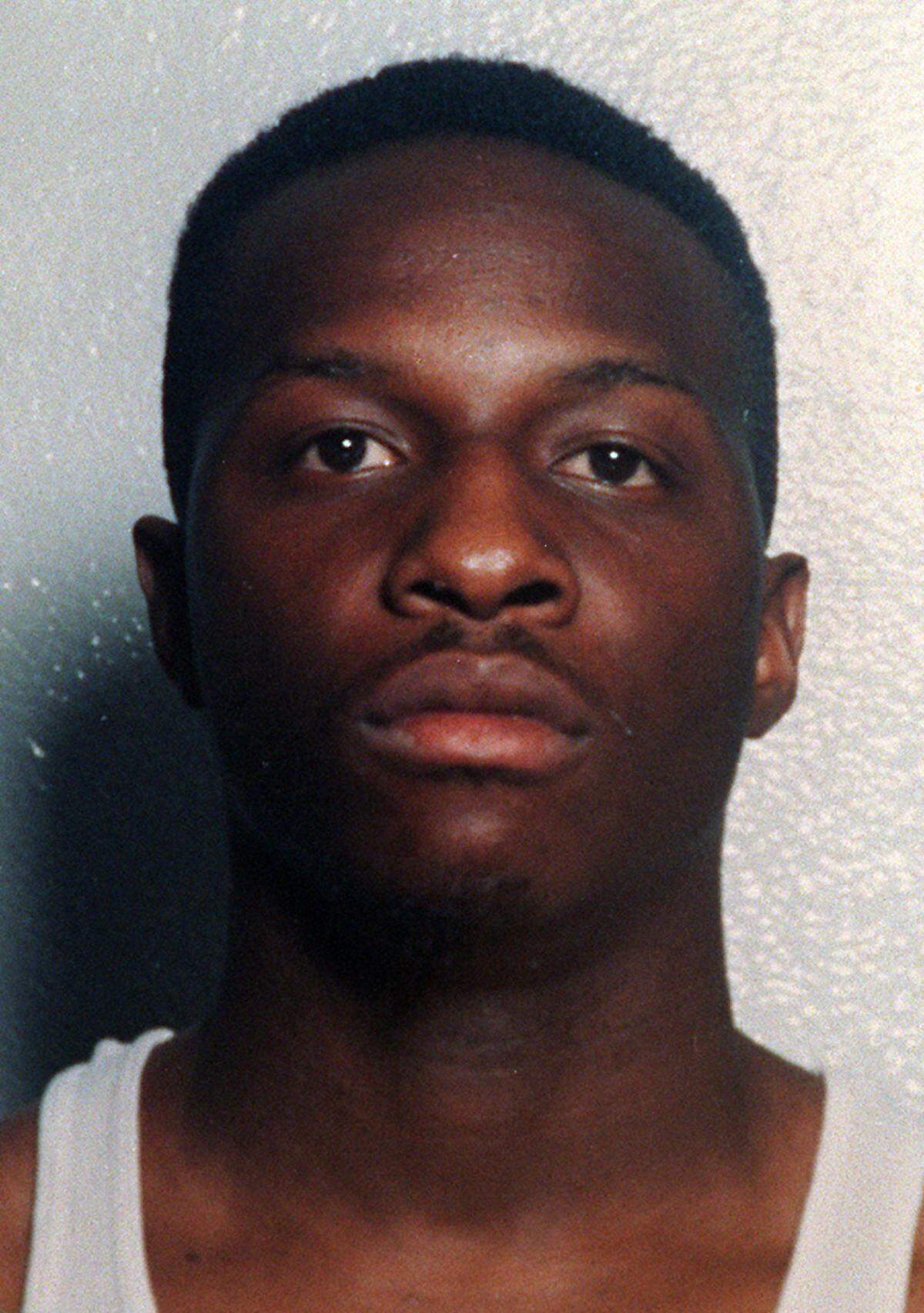
“On April 13, 1996, Timwanika Lumpkins and Marlin Barnes were murdered by this defendant,” Abuhoff said. “The evidence will show that it was done in a cold, calculated and premeditated way. It was in a specially heinous, atrocious or cruel way.”
A difficult childhood
Turning to the jury, Lenamon detailed Dennis’ troubled upbringing – and how he has had “outstanding conduct” during his decades of incarceration. The attorney asked Dennis to stand up, prompting family members of the victims to rush out of the courtroom.
“He’s done almost 30 years in prison,” Lenamon said. “He’s not the same man that was involved in these killings.… He’s never getting out of prison. He is going to die in prison, that’s the best case scenario.”
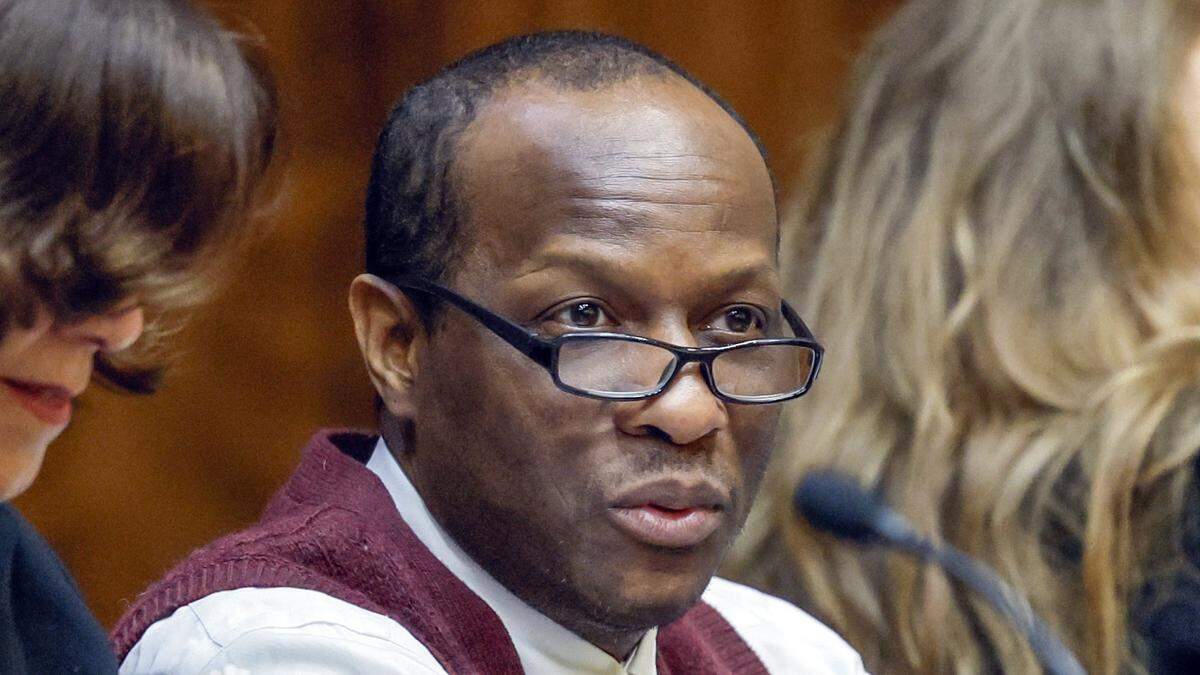
Dennis’ family members, Lenamon said, will testify in the trial about the sexual abuse he suffered at the hands of his father and the domestic violence he witnessed growing up. Dennis took off his glasses and rubbed his eyes as Lenamon spoke about the abuse.
Despite his childhood, Dennis never fell into using or dealing drugs, unlike many in his neighborhood, including his brother, Lenamon said. Dennis wasn’t “the best student” but ultimately earned a football scholarship to a college in Ohio.
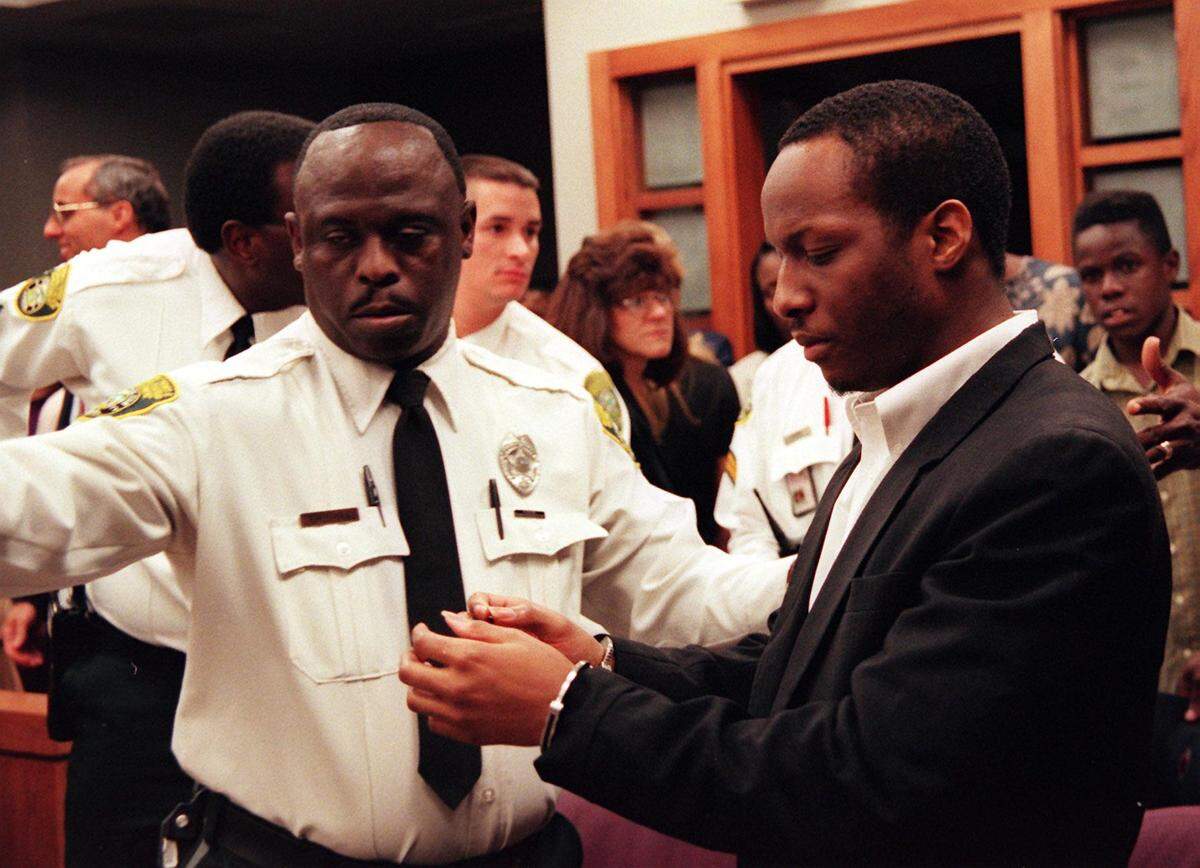
“You’re going to hear evidence that he was resilient,” Lenamon said. “Never arrested. Never did drugs…”
Dennis, the attorney said, dropped out a year into college. However, he reached national prominence through The Dogs, a Miami rap and dance group that had two albums on Billboard’s Top 100 chart.
“He tried to do everything he could to make it because he [had a]God-given talent as a dancer and a singer,” Lenamon said, urging the jury to consider life imprisonment.
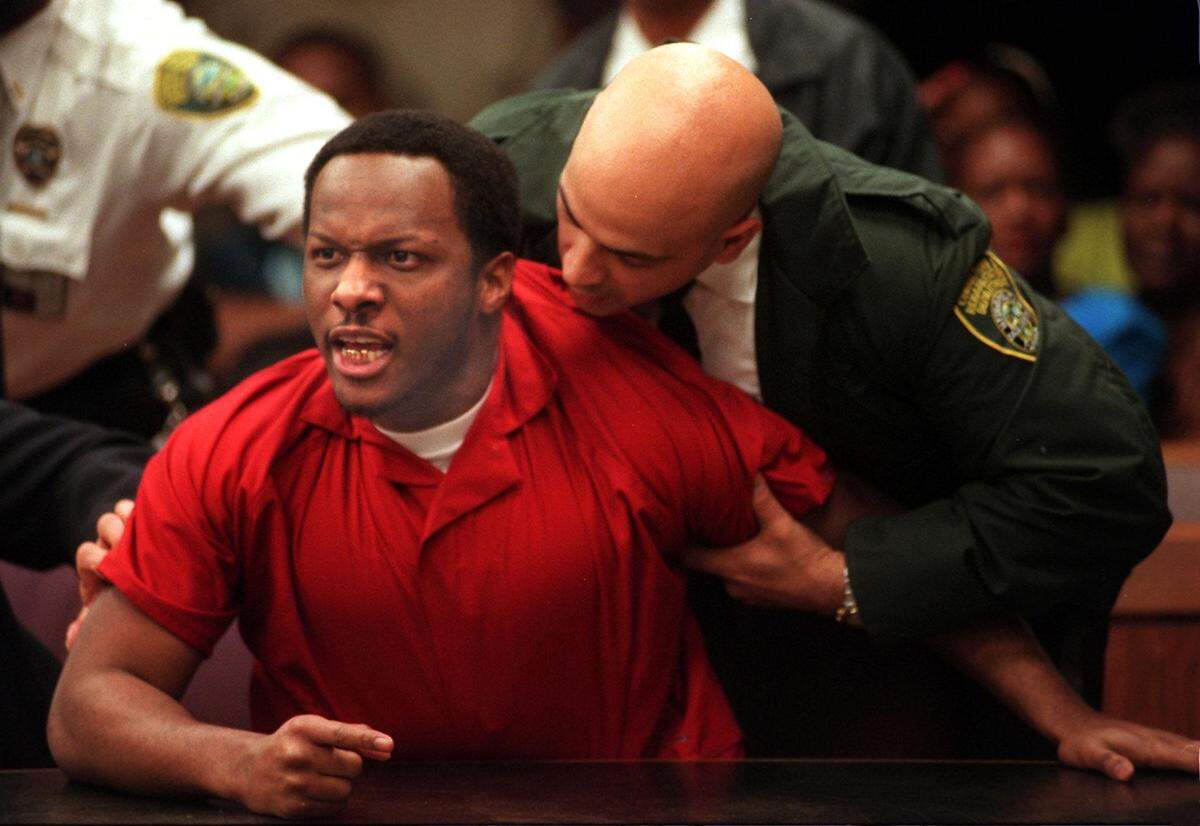
Best friend recounts discovering bloody scene
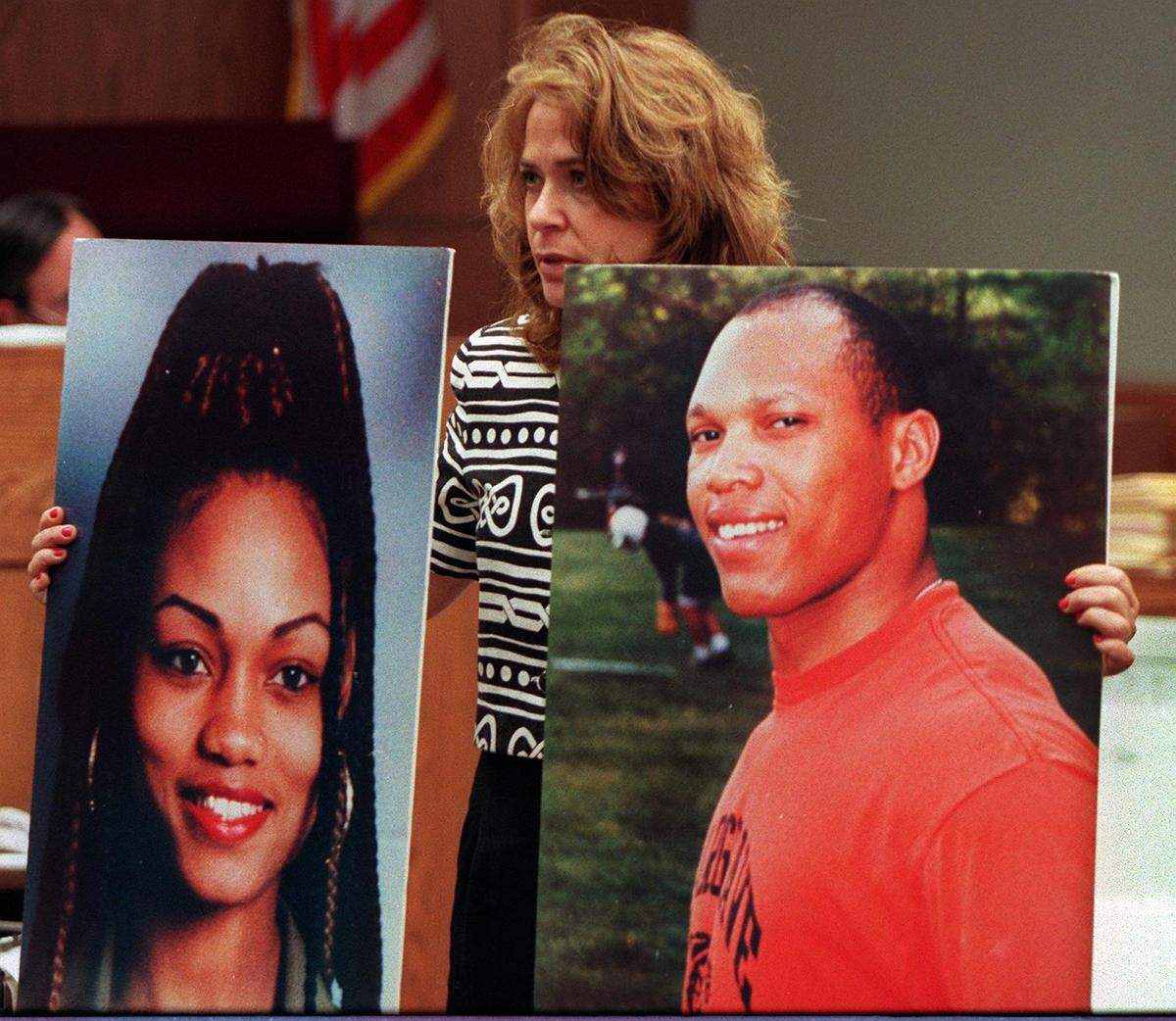
On the stand, Little, Barnes’ childhood best friend and teammate, broke down, grabbing a tissue to wipe his tears as he looked at photos of Barnes and Lumpkins – in life and death.
Little recalled finding it strange that the door to their shared apartment was left unlocked. He said he struggled to pry it open, but once he was able to stick his head inside, he was shocked to see Barnes slumped on the floor. Barnes was still alive and appeared to be choking on his blood.
“I see my best friend… laying in a pool of blood with his face crushed,” Little said, wiping his tears. “There was so much blood.”
Little also testified that he was in shock when he saw Lumpkins being taken out of the apartment on a gurney. He said he remembered seeing a lot of blood around her head.