Mother of murdered UM football player recounts her pain in sorrowful detail
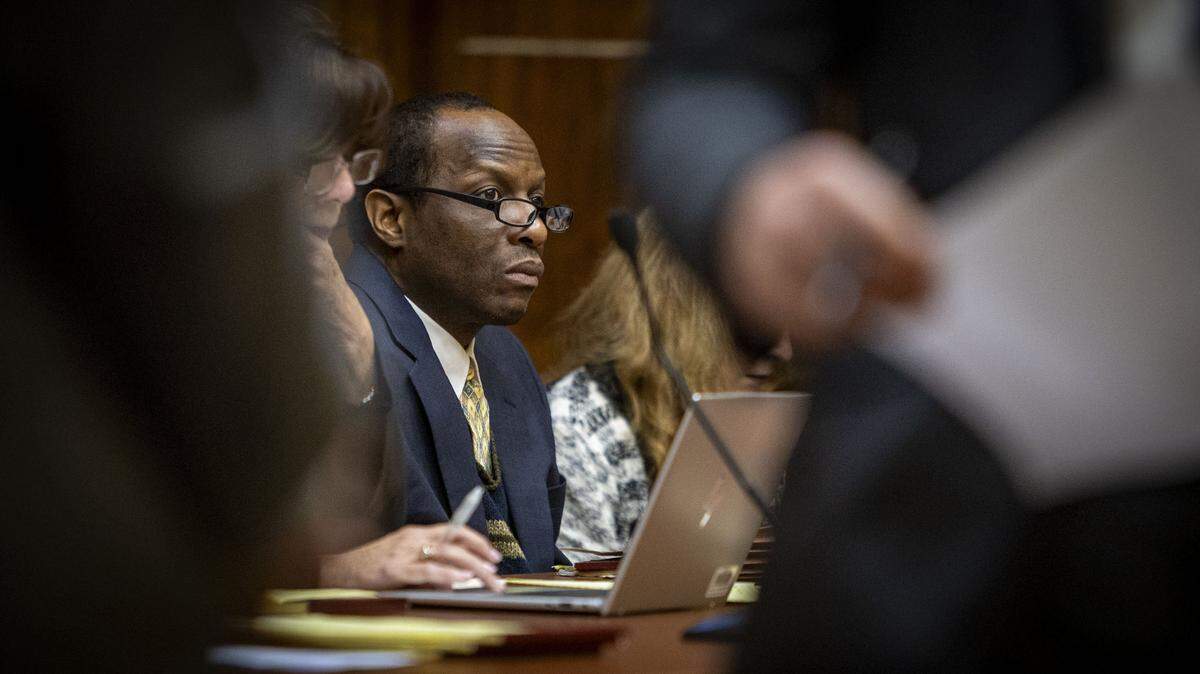
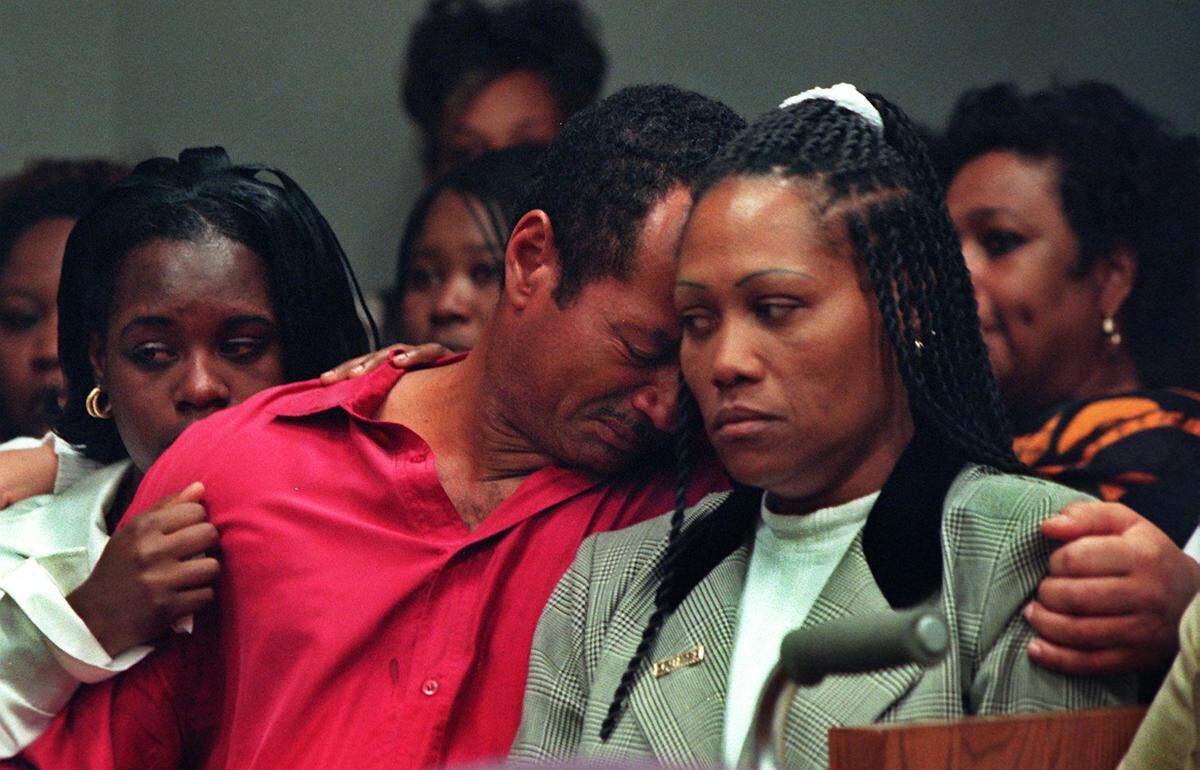
Loved ones of Timwanika Lumpkins and Marlin Barnes, a University of Miami football player who was bludgeoned to death with Lumpkins in his campus apartment in Coral Gables, detailed their suffering — and what the community lost when the 22-year-olds were murdered in 1996.
A Miami-Dade jury tasked with deciding the fate of Labrant Dennis, convicted in 1998 of fatally beating Lumpkins and Barnes with a shotgun, heard the grueling testimony Wednesday morning. Lumpkins had turned to Barnes, a classmate at North Miami High, for help after leaving Dennis, her ex-boyfriend.
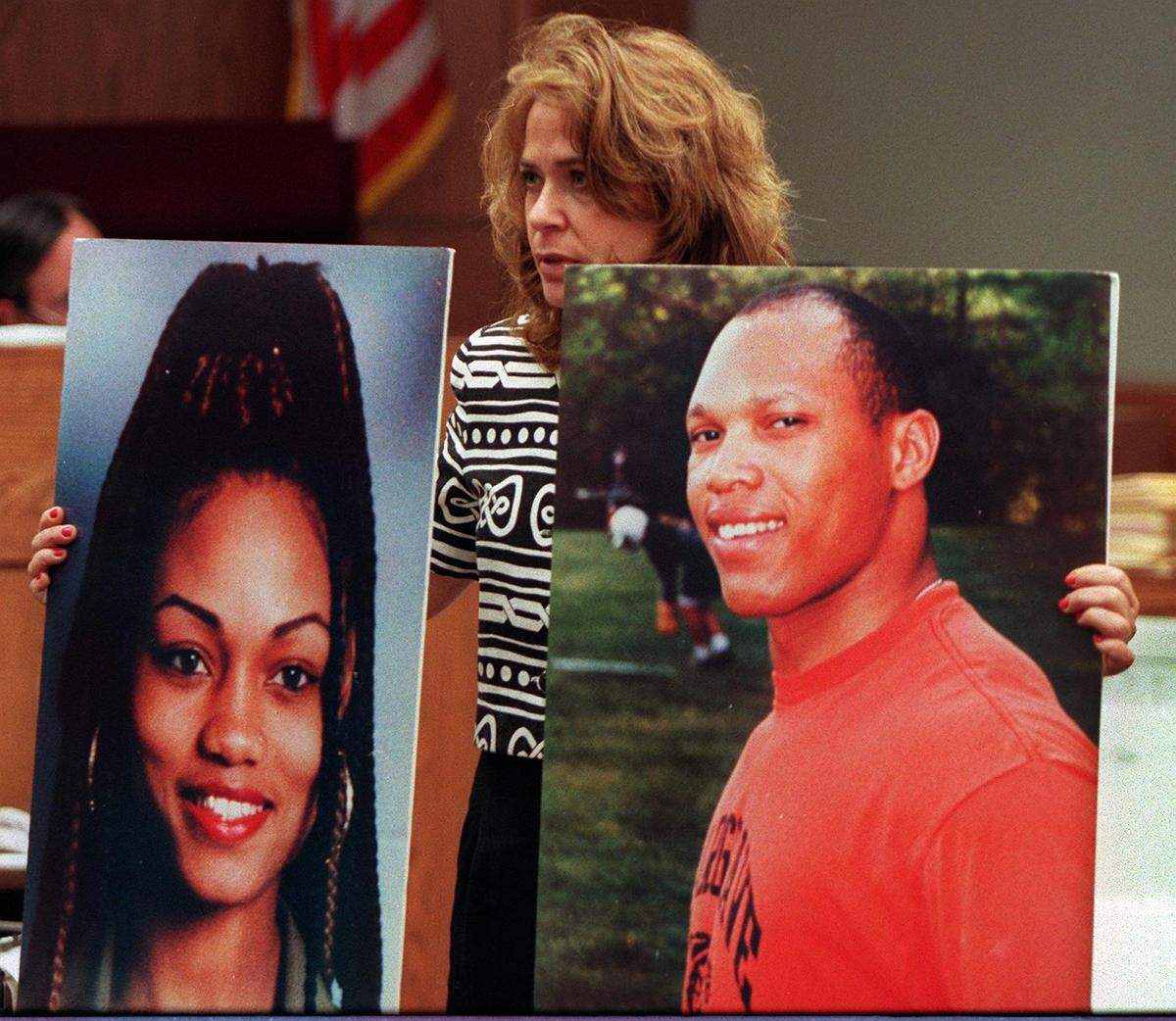
Dennis, 53, was on Florida’s Death Row from 1999 to 2017, serving time for the April 13, 1996, slayings at Barnes’ apartment. He was granted a new sentencing trial due to constitutional issues surrounding the state’s death penalty; jurors will decide whether he will return to Death Row.
READ MORE:Jurors hear 2 sides of man who beat to death his ex-girlfriend, UM football player
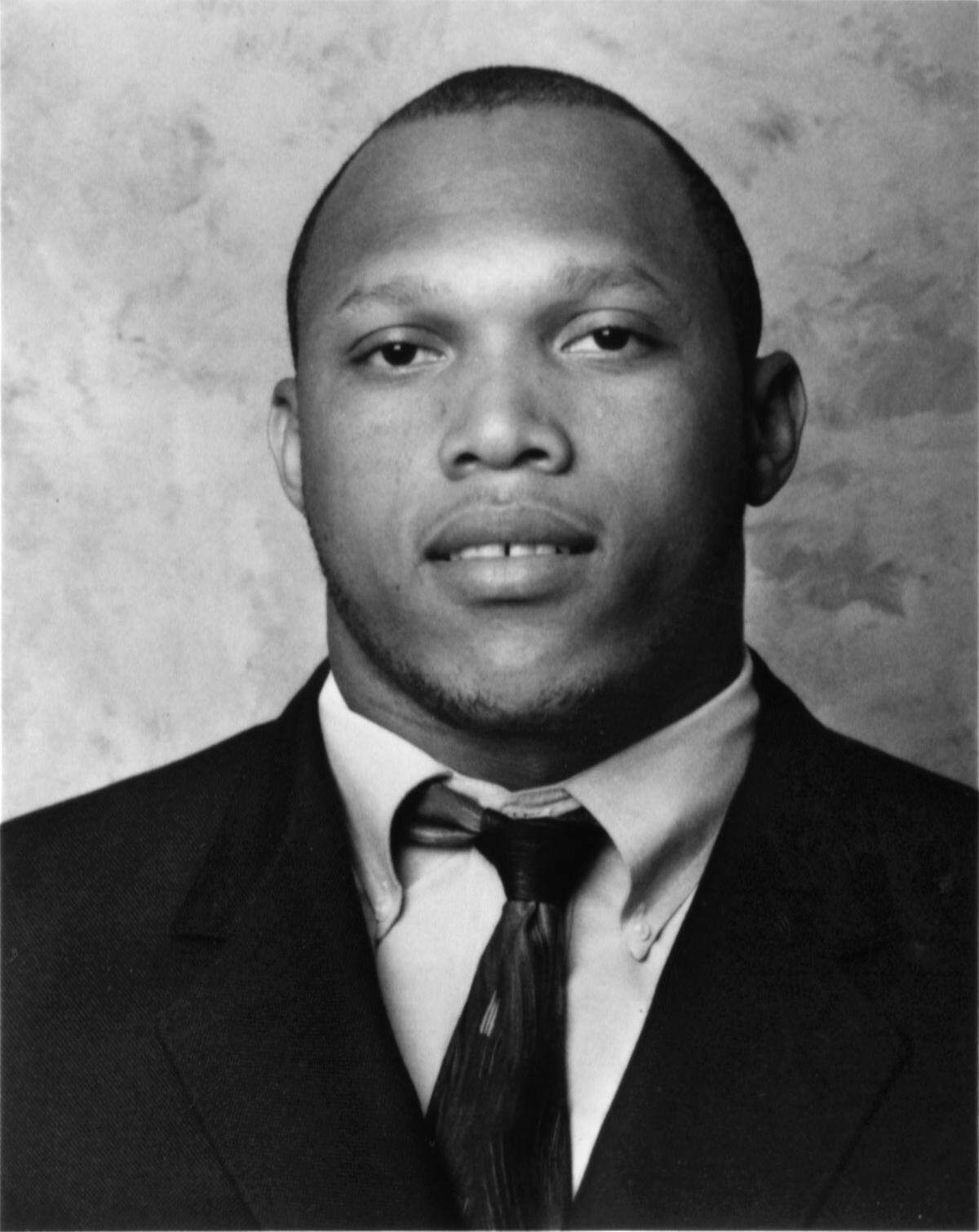
Standing at a lectern to the right of the jury, Barnes’ mother Charlie Postell recounted how she and Barnes “grew up together” because she had Barnes at 16. Barnes did well in school, she said, and expressed a passion for football early on in his life.
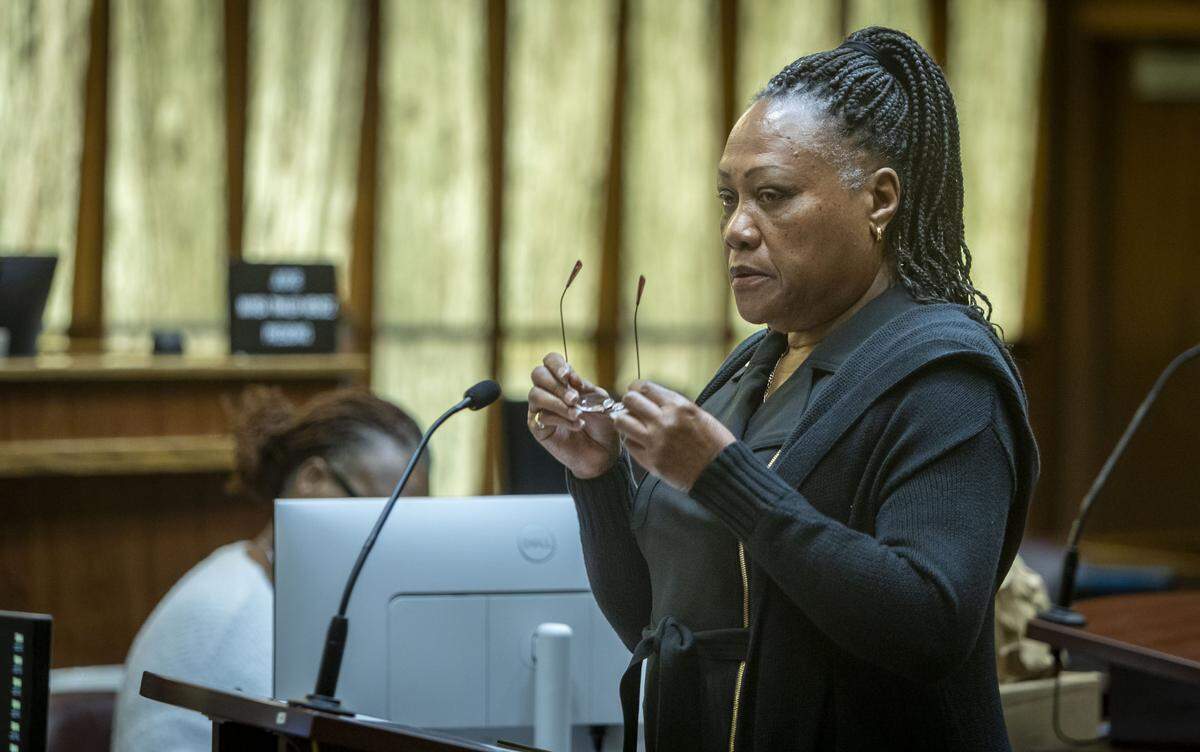
“Marlin and his friends dreamed of playing football... in college and in the NFL,” Postell said. She added that Barnes and his friends founded the Right Track program, which provided Miami school-aged children a safe place to hang out, get tutoring and play sports away from the dangers of drug dealers and gangs.
Because of his murder, Barnes never met his 14 nieces and nephews. He also never got the chance to get married, have children or play in the NFL, Postell said.
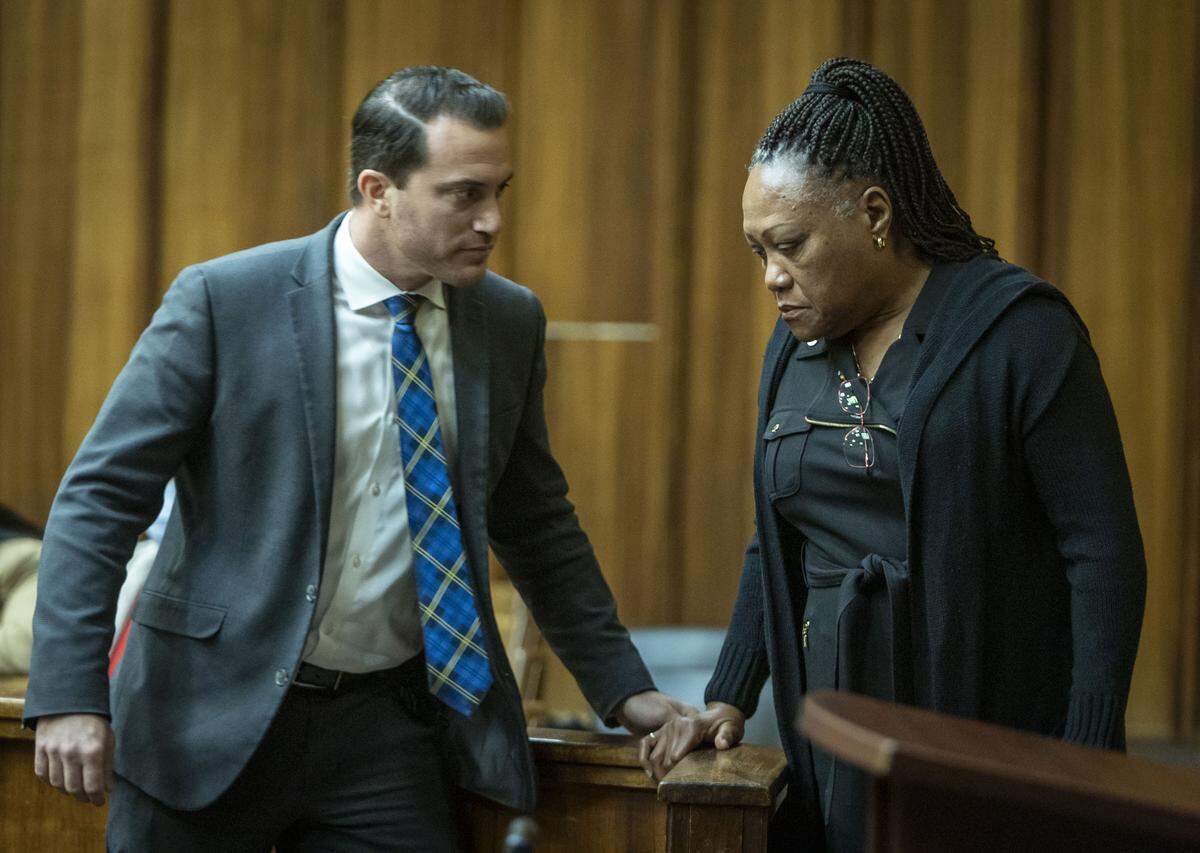
“...I suffered a pain that still, to this day, is indescribable,” Postell said. “My kid had a right to live a full and happy life.”
Large photos of Barnes and Lumpkins rested on an easel in front of the jury as Postell spoke. After prosecutors placed the photos, Dennis glanced at them and put his head down for a moment.
For Keisha Carter, Lumpkins was like a sister.
“We were supposed to grow old together,” Carter said. “She was supposed to be my daughter’s godmother.”
Lumpkins missed out on key milestones in her life — seeing her daughter graduate and becoming a grandmother, Carter said. Lumpkins’ daughter Antonesha, whom she had with Dennis, was 3 years old at the time of the murders.
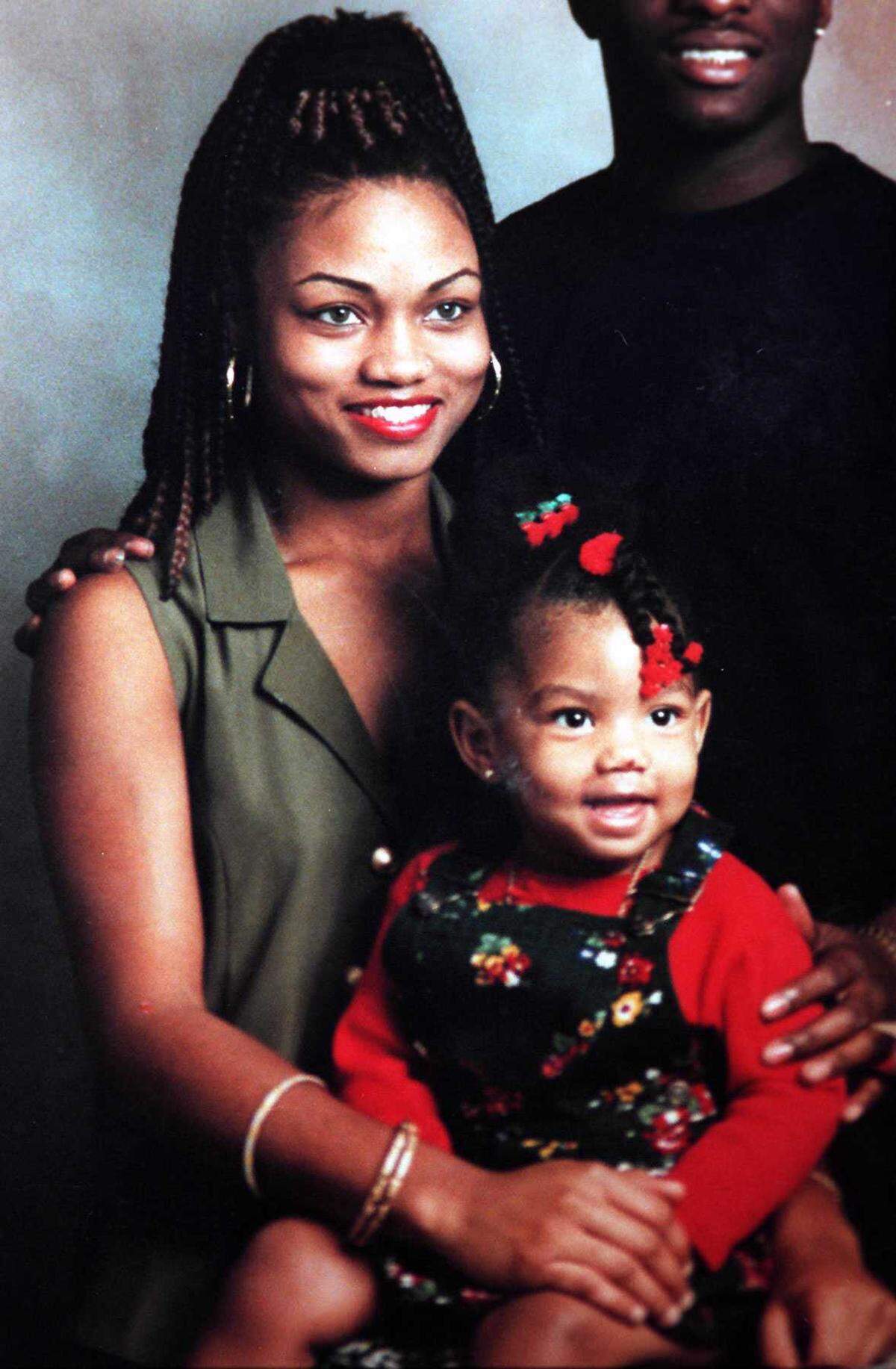
“Everyone who loves her misses her and wishes she was here,” Carter said. “Not a day goes by that I don’t think of her. I often think of the life she could have had.”
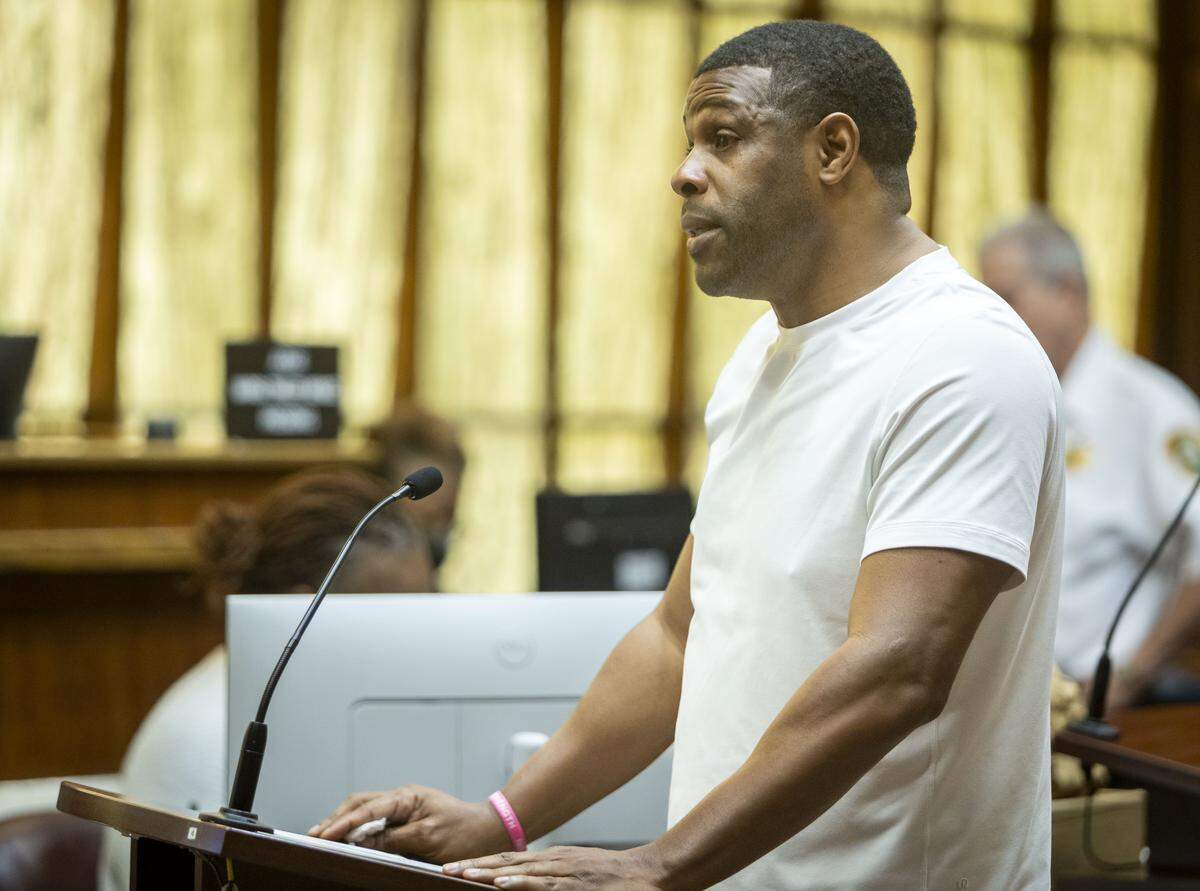
Earl Little, Barnes’ childhood best friend and UM teammate, recalled when he first met Barnes in second grade. Barnes smiled at him — displaying a chipped tooth — and asked Little to sit with him. Their friendship, he said, immediately blossomed.
“Since that day, we became best friends,” Little said. “Throughout my childhood, we were always together.”
Their bond strengthened, he said, due to their love of sports.
“This has been hard on me and my family. I know it’s hard on his mother and his family,” Little said. “But this was also hard on [our] teammates at the University of Miami, who, to this day, have a group chat and talk about Marlin all the time. His loss is still felt...”
Whenever Little stepped on an NFL field, he said he pointed to the sky in memory of Barnes. Little played in the NFL from 1997 to 2005 — the Miami Dolphins signed him in 1997, and he later played for the New Orleans Saints, the Cleveland Browns and the Green Bay Packers. He said he has always wondered if Barnes would have made it to the NFL.
Little testified earlier in the trial that he found Barnes slumped on the floor of their shared apartment with his face bashed in. He grabbed a tissue and wiped his tears as he spoke.
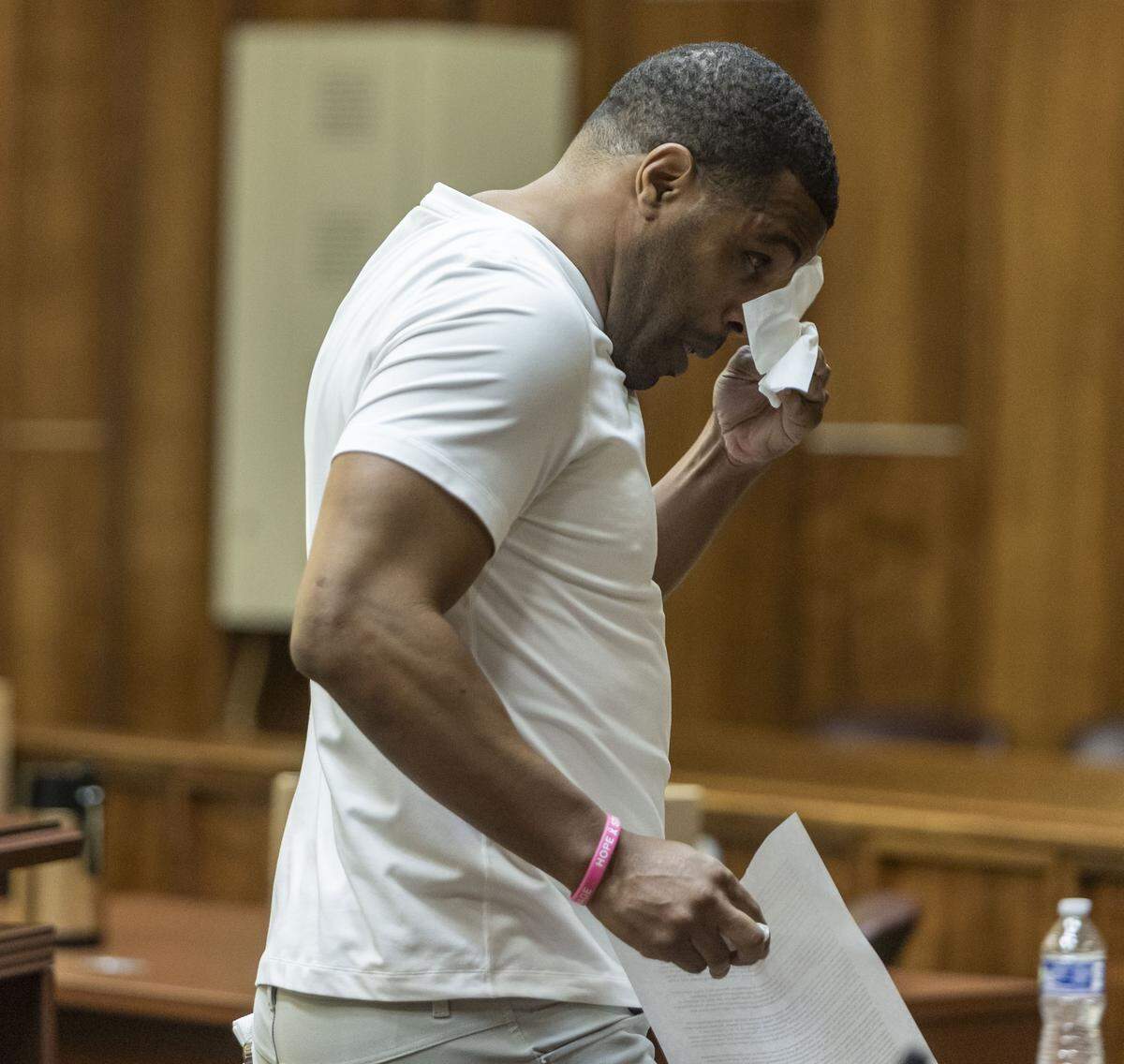
“I will always miss my brother,” he said, sniffling before walking away from the lectern.
In a statement read to the jury by prosecutor Joshua Weintraub, Lumpkins’ father Dewayne Lee described his daughter as an “excellent kid” and a “Daddy’s girl” who excelled in school. Weintraub read out Lee’s statement because Lee has since died.
“T [Lumpkins’ nickname] was the type of girl that wherever she was made those around her feel good,” Lee’s statement said. “She would always smile. She was just easy to be around... You cannot replace that.”
After the testimony, prosecutors rested their case. The evening before, the state showed jurors photos of the slain victims. A forensic pathologist testified about the extent Lumpkins’ and Barnes’ injuries.
Dennis’ attorneys began calling witnesses Wednesday morning. They argue that he should be spared from being condemned to die because he had a troubled childhood filled with sexual abuse by his father — and because Dennis has had “outstanding conduct” during his decades of incarceration.
Prosecutors, however, say the gravity of the killings warrant jurors sending Dennis back to Florida’s Death Row.
This story was originally published October 29, 2025 at 1:09 PM.