Key witness in UM football player’s murder is mentally unfit to testify, judge rules
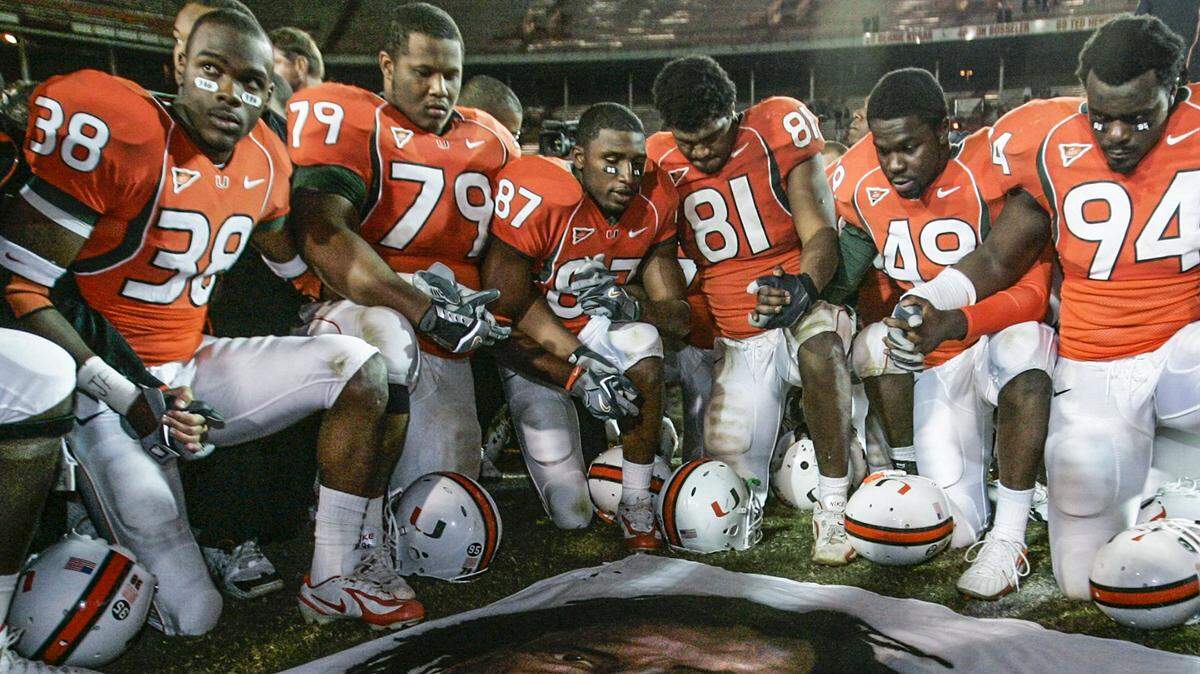
The key witness in the case of the Miami Hurricanes football star who was murdered in 2006 did not appear mentally fit when police attempted to track him down recently — and will not testify in person at trial, a Miami-Dade judge ruled Monday.
Several detectives — both from Miami-Dade and Louisville, Kentucky — testified Monday about their efforts to track down Paul Conner, who told detectives immediately after Bryan Pata’s Nov. 7, 2006, murder that he saw Rashaun Jones leaving the Kendall apartment complex where the shooting took place, according to court documents. Jones played with Pata on the UM team. Conner, 81, is now living in Louisville.
Before ruling, Miami-Dade Circuit Court Judge Cristina Miranda heard police interactions with Conner from body camera footage of the detectives’ most recent attempt to talk to him in Kentucky. In the videos, Conner, a former University of Miami professor who had lived in the Kendall apartment complex where Pata was shot and killed, appeared agitated with the officers knocking on his door.
“I don’t remember the guy you’re talking about or anything,” Conner said in a video from a Sept. 25 interaction with detectives. “…Get out of here. Get out. Don’t come back.”
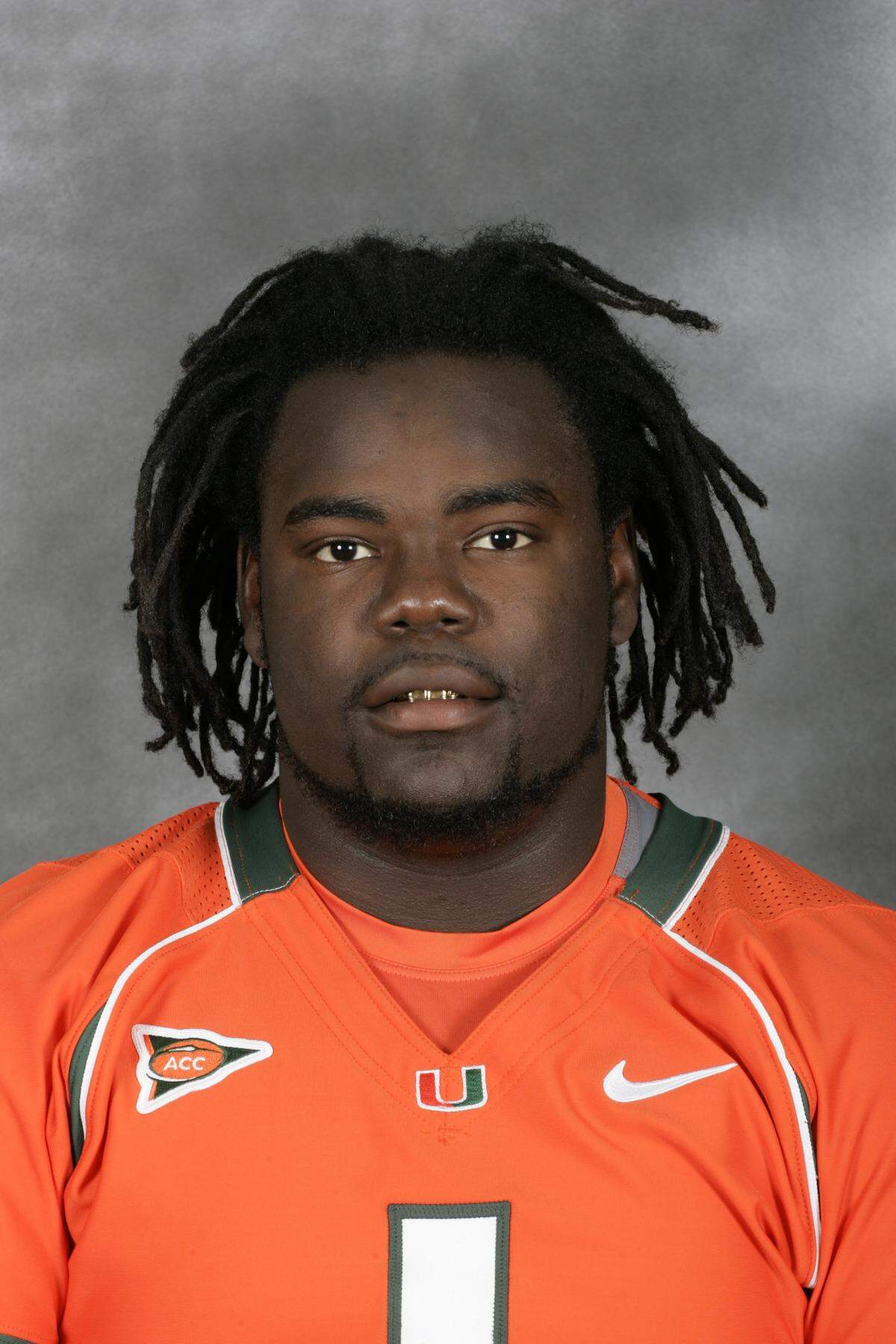
Pata, a 22-year-old Hurricanes star defensive lineman expected to be a top NFL draft pick, was shot in the back of the head and killed outside his home at the Colony Apartments in Kendall, near Dadeland. Pata had just returned from football practice.
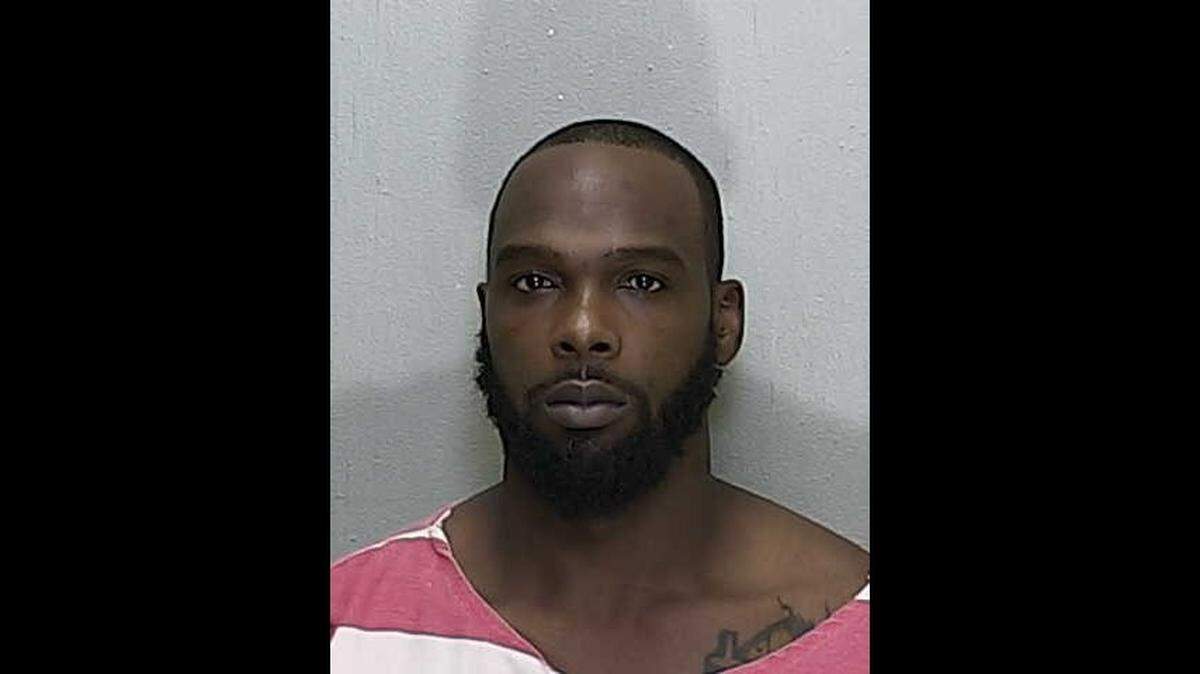
Conner said he heard the “pop” of the gunshot and saw a man emerge from the direction of the sound. Conner also picked Jones, now 40, out of two police photo line-ups on two different occasions, once after the murder and again in 2022.
READ MORE: ‘Dead’ witness in UM football star murder case found alive. Will that impact case?
Jones was arrested on a second-degree murder charge in 2021, 15 years after the murder. He has pleaded not guilty; his trial was due to begin in October but was pushed back after the witness issue.
Detectives believed Conner, now 81, was dead. But ESPN tracked him down in late August at his last known address in Louisville, according to ESPN’s article. Prosecutors successfully sought to admit Conner’s testimony, which was recorded in 2022 due to his age, health issues and the COVID-19 pandemic.
The judge, also on Monday, ruled to allow prosecutors to play Conner’s recorded testimony at Jones’ trial.
“Everything that he’s going to testify to, if he were to be able to physically testify..., has been memorialized in his perpetuation,” Miranda said.
Jones’ legal team challenged the recorded testimony, citing his constitutional right to confront witnesses. Prosecutors can petition a court to “perpetuate,” or record testimony from a witness before trial in situations in which a witness’ health — including memory and recollection — is a concern.
Prosecutor Cristina Diamond said on Monday the state intends to admit the recorded testimony, citing Conner’s declining memory.
Attorney Christian Maroni, who is on the team representing Jones, had argued detectives’ brief interactions with Conner were not enough for a court to decide about Connor’s mental condition. Medical records and expert testimony, he said, were necessary.
Is witness’ memory an issue?
Officers testified during Monday’s hearing about their interactions with Conner on several occasions during the summer:
July 8: Louisville police detective Russell Lassiter was ordered to track down Conner, who he was told was a witness to a homicide. Lassiter testified that he went to Conner’s last known address, knocked on the door a few times but left because he didn’t hear noises inside the unit.
Lassiter then went to the building’s leasing office and spoke to a staff member, who told him that Conner didn’t live at the apartment complex.
July 22: Louisville police officer Daniel Kaiser testified that he did a wellness check on Conner after Conner’s former coworker called police.
When Conner opened the door, he said he had “never heard” of the friend who requested the welfare check, according to Kaiser’s body camera footage.
When told that his former coworker was worried about his welfare, Conner replied, “I’m O.K.” Kaiser testified Conner’s apartment looked disheveled.
Sept. 18: Louisville police detective Joseph Dudzinski was asked to locate Conner. Dudzinski testified that he went to Conner’s apartment and heard loud noise coming from a TV inside the unit.
Dudzinski said he knocked on the door and spoke to Conner, who said he didn’t know why police were looking for him. Dudzinski also took down Conner’s cellphone number, body camera footage shows.
“It was a murder case, and I had some kind of contact with perpetrator,” Conner said in the footage. Conner, in the brief conversation, added that he hadn’t heard from Miami-Dade detectives in a while.
Sept. 25: During Monday’s hearing, Detective Lassiter said he went to Conner’s apartment with Miami-Dade homicide detectives Juan Segovia and Jonathan Grossman. Lassiter said that he wasn’t aware of the previous welfare check on Conner.
When Conner answered the door, he said he remembered living in Miami 20 years ago but said he didn’t know why detectives were tracking him down.
Grossman testified that Conner was confused and looked “very lost.” Grossman said he and Segovia were going to have Conner sign a document to obtain his medical records but decided against it because of his mental state.
The purpose of their trip from Miami, Grossman said, was to have an in-depth conversation with Conner and gauge what he remembered about the case.
Segovia testified that he was concerned about Conner’s mental decline, especially because he hadn’t heard from him for at least a year and a half. For Segovia, Conner’s current state drastically differed from his prior “cooperative” and “pleasant” demeanor.
“I met Mr. Conner years ago. He was a college professor...a very decent man,” Segovia said. “When I saw the conditions and smell coming out of his apartment..., [it was clear that] only a person with mental issues would live like that.”