‘Dead’ witness in UM football star murder case found alive. Will that impact case?
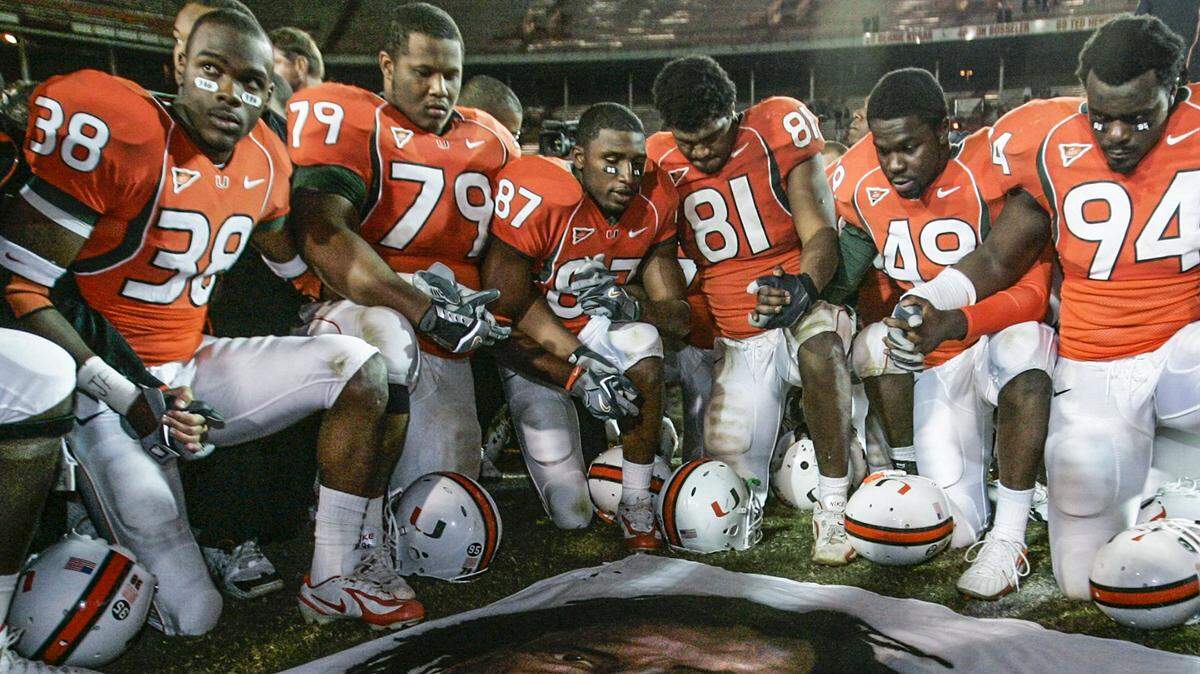
Defense attorneys for the man accused of killing his Miami Hurricanes football star teammate in 2006 want prosecutors sanctioned — or the murder case dismissed — after a key witness, who state prosecutors believed was dead, was found alive by an ESPN reporter.
In court documents, lawyers for Rashaun Jones, 40, said Miami-Dade prosecutors made “misrepresentations” regarding the death of witness Paul Conner, who told detectives he saw Jones leaving the scene of the Nov. 7, 2006 shooting that killed Bryan Pata, according to court documents.
Miami-Dade State Attorney’s Office spokesperson Ed Griffith told the Herald on Wednesday that he believes “a review of hearing transcripts would indicate that prosecutors did not tell the court that Mr. Connor was dead.”
Pata, a 22-year-old Hurricanes star defensive lineman expected to be a top NFL draft pick, was shot in the back of the head and killed outside his home at the Colony Apartments in Kendall, near Dadeland. Pata had just returned from football practice.
Conner, a neighbor and a University of Miami professor at the time, said he heard the “pop” of the gunshot and saw a man emerge from the direction of the sound. Conner also picked Jones out of two photo line-ups on two different occasion, once after the murder and again in 2022.
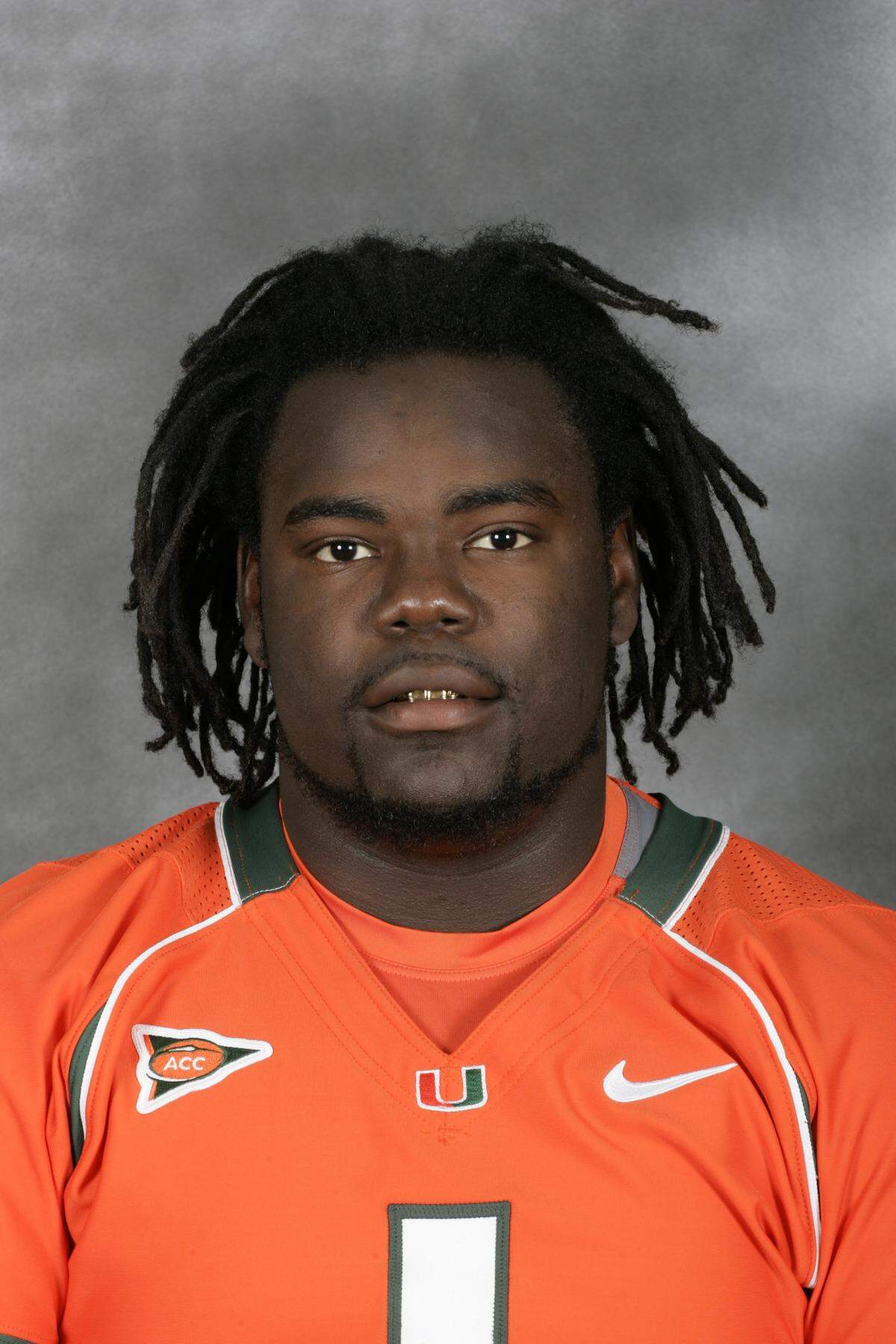
Jones was arrested on a second-degree murder charge in 2021, 15 years after the murder. He has pleaded not guilty; his trial was due to begin in the next few weeks in Miami-Dade circuit court. A court hearing is scheduled for Thursday in the case.
In hearings this summer, prosecutors told Judge Cristina Miranda that Conner, now 81, was dead.
But ESPN tracked him down in late August at his last known address in Louisville, Kentucky, according to ESPN’s article. Prosecutors successfully sought to admit Conner’s testimony, which was recorded in 2022 due to his age, health issues and the COVID-19 pandemic.
Jones’ legal team is challenging the recorded testimony, citing his constitutional right to confront witnesses. The attorneys also filed a slew of other motions, aiming to reinterview Conner and bar his recorded testimony from trial.
“The State either knowingly presented false information or acted with reckless disregard for the truth in order to secure admission of perpetuated testimony,” Jones attorneys said in one of the filings. “...Dismissal is the appropriate remedy where prosecutorial misconduct constitutes a fraud upon the Court and fundamentally impairs the fairness of the trial.”
The Herald reached out to Jones’ lead attorney but had not received a response as of Wednesday evening.
Case dismissed? Testimony excluded?
Former Miami prosecutor Melba Pearson, however, does not believe that a judge will dismiss the case — nor that the witness issue will have a large impact on the upcoming trial.
“Prosecutors were going to move forward with the [recorded] testimony, and they can still do that,” Pearson told the Miami Herald Tuesday.
The State can petition a court to “perpetuate,” or take down, testimony from a witness before trial in situations in which a witness’ health — including their memory and recollection — is a concern, Pearson said. Playing Conner’s recorded testimony at trial, she added, isn’t a violation of Jones’ constitutional rights because the defense had the opportunity to cross-examine Conner when the testimony was recorded.
“There’s no reason why now they can’t just play that video,” Pearson added.
In an email Wednesday, Griffith said prosecutors hope to have Conner appear before Judge Miranda.
“If he can testify, he would testify,” Griffith said. “However, if there are questions about his memory or his ability to testify, the judge could allow the preserved statement to be entered into testimony instead of having Mr. Connor testify directly.”
‘Highly embarrassing’
In several hearings, prosecutor Cristina Diamond said Conner’s whereabouts were unknown and he hadn’t responded to phone calls or emails from the state attorney’s office or Miami-Dade Sheriff’s Office Detective Juan Segovia. Police in Kentucky went to Conner’s last known address but they were unable to locate him, court documents show.
While searching for him, law enforcement said a third-party database listed him as deceased since October 2024. But ESPN found Conner alive, living at the same residence in Louisville. In an interview, he told ESPN that he doesn’t recall what he witnessed and didn’t know he was being sought in connection to the Miami court case.
“I’m getting up in years,” he said, according to the ESPN article. “My memory comes and goes. How long ago was this court case?”
Pearson said the situation is “highly embarrassing” for both law enforcement and the Miami-Dade State Attorney’s Office.
“How is ESPN able to find a witness and the Miami-Dade Sheriff’s Office [and other departments] can’t?” Pearson told the Herald. “That’s very problematic.... One would think you would want to verify a death. When I was a prosecutor, I would get a death certificate.”
Jones’ legal team is also seeking documents in connection to law enforcement and prosecutors’ efforts to track down Conner. At a certain point, detectives worked with Louisville police and the FBI to find the witness. The Miami Herald reached out to MDSO for more information on what detectives did to locate Conner.
For Pearson, a judge may grant the request Jones’ attorneys made to find out what prosecutors and law enforcement did to find Conner — and to uncover whether prosecutors made any misrepresentations to the court.
“When you stand up at the podium as the State of Florida, you have to have all your ducks in a row,” Pearson said. “It often complicates the situation and takes the focus away from where it should be, that Bryan Pata, his family and his memory get justice.”