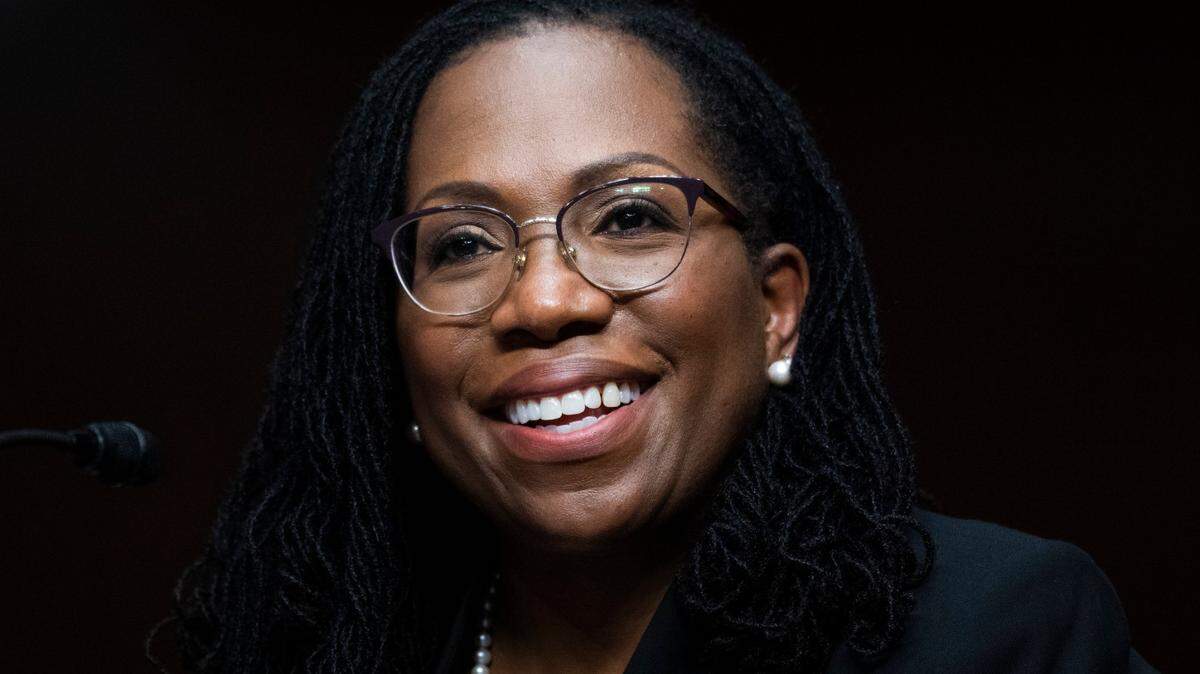
‘I am so inspired.’ Hopes of U.S. Supreme Court pick stir Miami’s Black legal community
READ MORE
Miami’s Ketanji Brown Jackson gets historic Supreme Court nomination
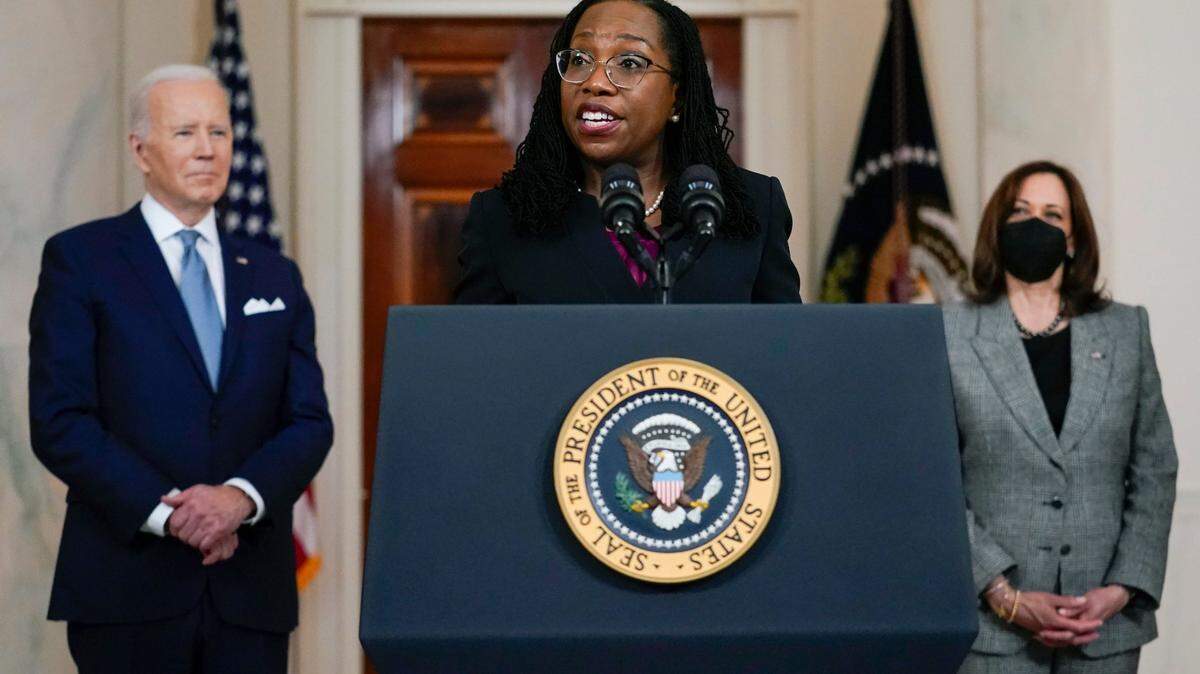
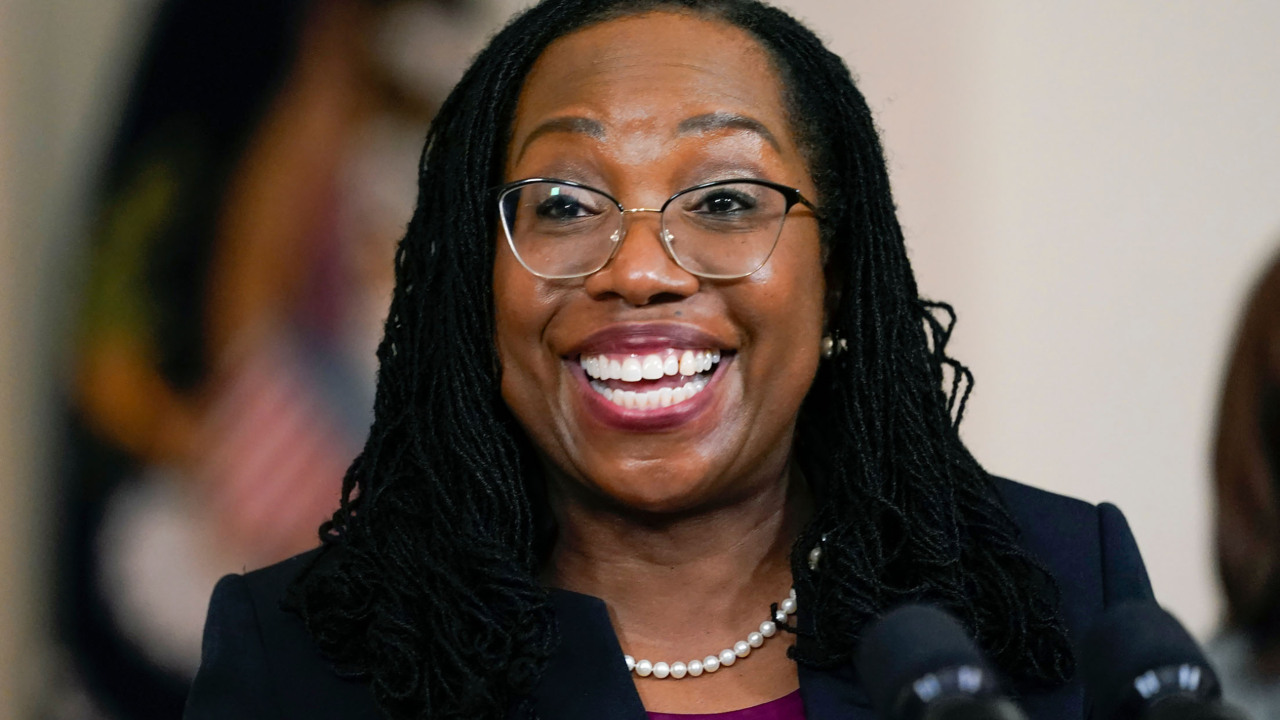
President Joe Biden nominated federal appeals Judge Ketanji Brown Jackson for the U.S. Supreme Court, a historic pick which will make the Miami Palmetto High School graduate the first Black woman on the nation’s high court if she is confirmed by the U.S. Senate.
Expand All
Leah Simms knows something of what may lie ahead for Ketanji Brown Jackson, the Miami-raised federal judge considered a leading contender to become the first Black woman on the U.S. Supreme Court.
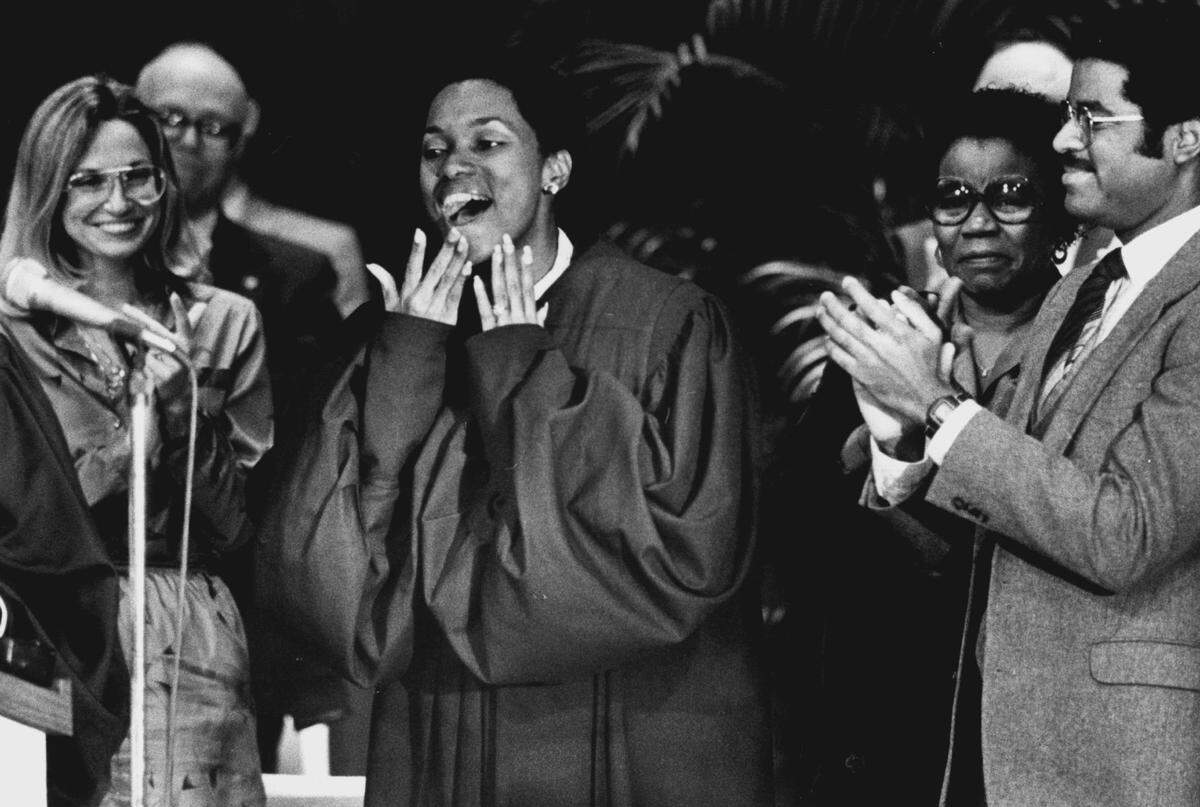
Forty-one years ago, Simms became the first-ever Black female judge in Miami-Dade County — and in Florida. Instantly, civic organizations were flooding her with requests to give speeches, take photos and receive awards. Everyone seemingly wanted to chime in on her wardrobe. “People will be stopping her on the street,” Simms said. “I had people coming up to me and pray for me right on the street.”
For South Florida’s Black legal community, the hoped-for nomination of MIami-raised Brown Jackson — or another of several standout Black female judges — by President Joe Biden is new cause for celebration and hope. It’s a sign of progress — if too slow and still far from enough — of increasing diversity in county, state and federal courtrooms where the scales of justice historically have been heavily out of balance. At the Supreme Court level, most notably, all but seven of 115 justices since 1789 have been white men.
“Whoever she is now, she’s going to stay who she is,” said Simms, 72, now retired and living in Jacksonville. “She’s just in a different practice of law — on a really high scale. She’s going to be nominated because she’s already superbly suited for the job.”
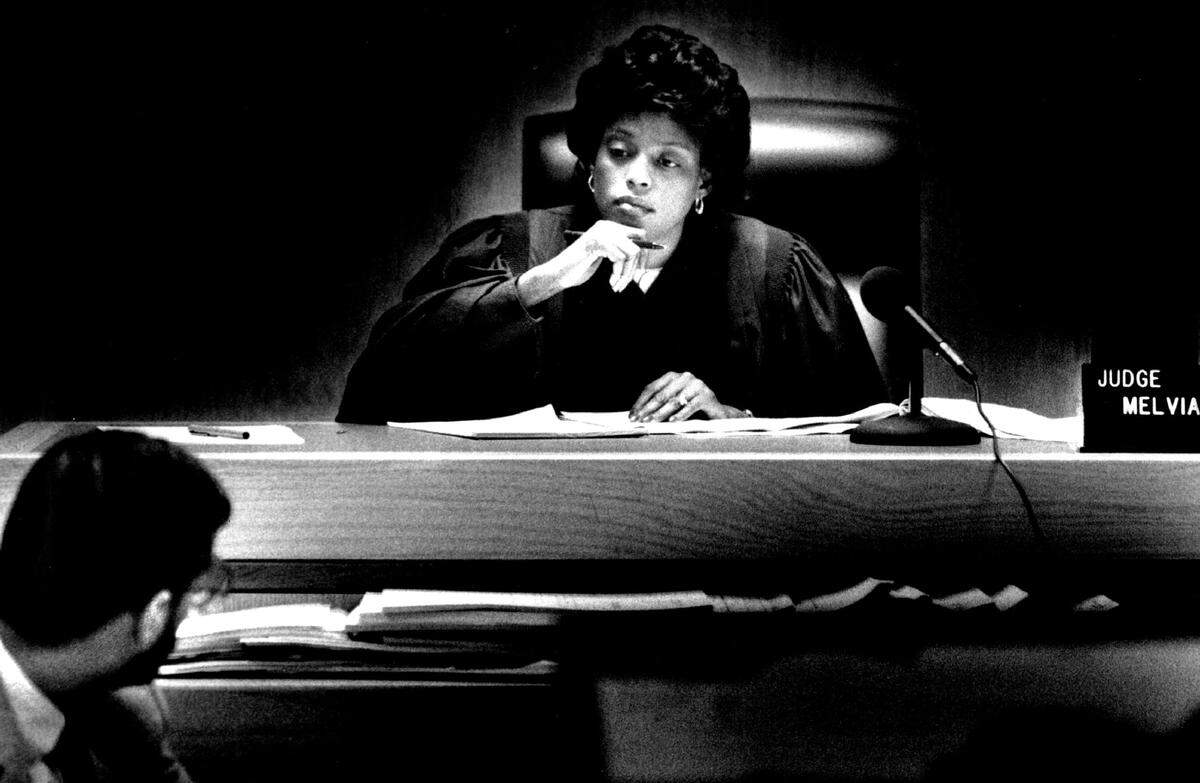
Another pioneering Miami jurist, Melvia Bailey Green, who in 1989 became Miami’s first Black female in the circuit division, actually remembers Brown Jackson as a little girl. Bailey Green attended the University of Miami’s law school alongside her father, Johnny Brown, who later went on to work as an attorney for the Miami-Dade School Board.
“I think judges are a sum total of their life experiences, and it helps to have a diverse court because you have diverse issues in the courts,” said Green, 68, who now works as a mediator and arbitrator in the Tampa area.
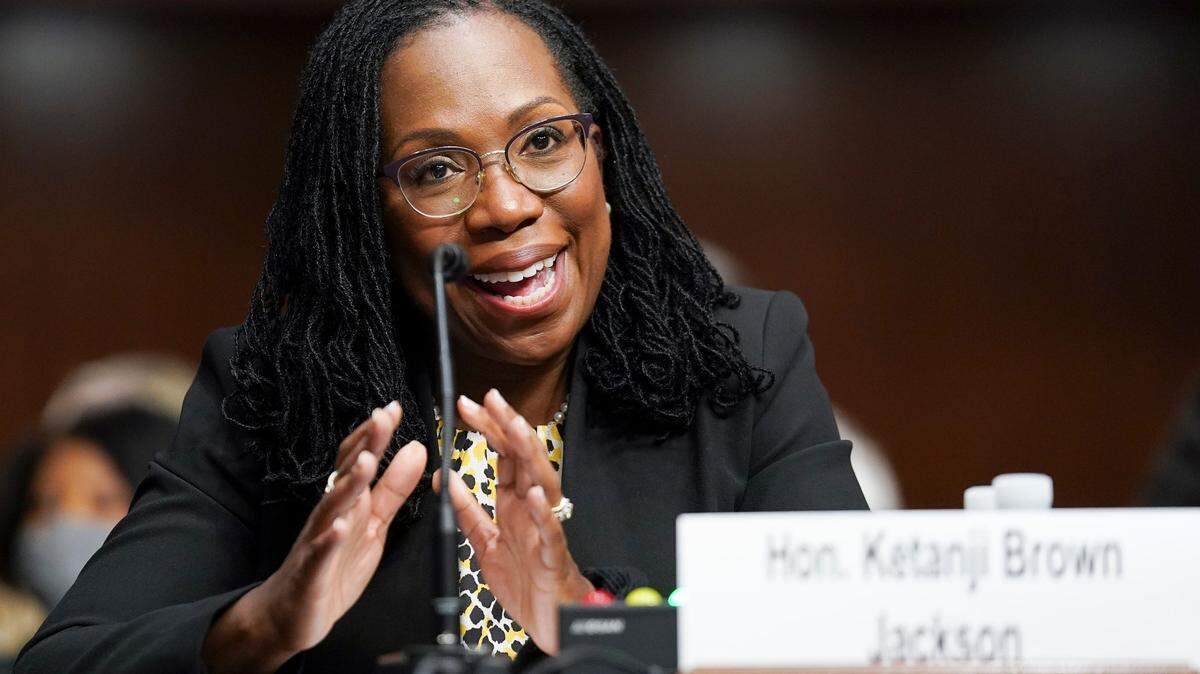
Brown Jackson, 51, is considered a front-runner for the nomination to replace retiring Justice Stephen Breyer. President Joe Biden, who will present his nominee to the U.S. Senate for confirmation, had previously pledged to nominate a Black woman to the nation’s highest court.
A former public defender and U.S. district judge, Brown Jackson currently serves on the U.S. Court of Appeals in Washington, D.C. The Senate approved her less than a year ago.
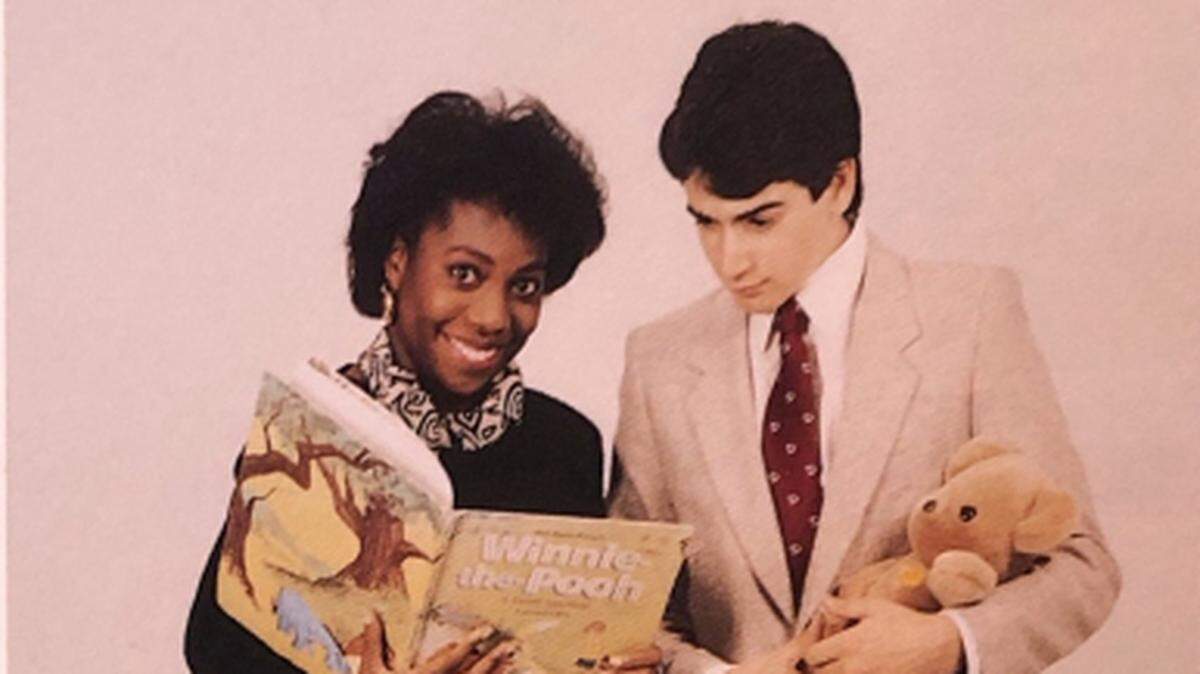
Raised in South Miami-Dade, Brown Jackson graduated from Miami Palmetto Senior High, and was a star member of the debate team. Nathaniel Persily, a Stanford law professor, former Palmetto classmate and debate team member, called her a “star in the making.”
Although Brown Jackson did not practice law in Florida, her rise as a potential Supreme Court nominee was hailed in South Florida’s legal community, which like many places has struggled with representation, particularly on the bench.
The lack of Blacks on the bench has been a historic problem, one that has been frustratingly slow to change.
In the early 1990s, a Florida Supreme Court group studying race and bias in the state’s justice system found minorities were “significantly underrepresented and “virtually invisible in positions of decision-making and responsibility.” “Ninety-five percent of the time,” one lawyer, Delano Stewart, testified to the group, “the only black thing a black defendant sees in the courtroom is a judge’s robe.”
The most progress has been made in the lower courts with circuit judges, who handle felony cases, major civil litigation and probate and family law, and with county judges, who handle misdemeanors and minor civil cases. But Blacks still remain underrepresented on the bench in Miami-Dade.
In 1994, just six of Miami-Dade County’s 102 county and circuit judges were Black, nearly 6 percent. The number has gone up since — but there are also more judges overall.
Today, 11 of Miami-Dade’s 123 county and circuit judges are Black, about 9 percent. Over 16 percent of Miami-Dade’s overall population is Black.
“The percentage of Black judges in proportion to the population is not growing at the same pace,” said Trelvis Randolph, president of the Wilkie D. Ferguson, Jr. Bar Association, the legal association named for the pioneering Black Miami judge.
In predominately Hispanic Miami, electing Black judges has been historically tough. In the 2020 election’s seven judicial races, for example, just two of the 14 candidates were Black — and both lost.
Statewide, the percentages aren’t much better. According to state data, last October only 8 percent of Florida’s judges overall were Black, in a state where Blacks are nearly 17 percent of the population.
And the Florida Supreme Court hasn’t had a Black justice since Justice Peggy Quince retired in 2019. Gov. Ron DeSantis, in 2020, selected a Black woman, Renatha Francis, a former Miami judge, as a Florida Supreme Court nominee. But because she did not have the required years of legal experience, the Florida Supreme Court ultimately rejected her candidacy.
“Whenever we make some progress, there seems to be a step back or two,” Randolph said.
Still, Black lawyers in Miami are buoyed by recent appointments. In 2019, DeSantis, a Republican, appointed three African-American women to Miami-Dade’s bench: Julie Harris Nelson, Miesha Darrough and Ayana Harris.
A year later, the governor appointed Chiaka Ihekwaba to a county court seat. Her path to the bench is unique: Born in England, of Nigerian descent, she earned her first law degree in Nigeria. She earned her second one in England. Then, after moving to the United States, she earned her Florida law degree at St. Thomas University, before becoming a Miami-Dade assistant state attorney.
She lauded the possibility of a Black U.S. Supreme Court justice.
“The word is inspirational,” Ihekwaba said. “I am so inspired that this is possible, especially now that I am a judge. It’s within reach of not just me, but countless other Black judges across the country.”
In a divided Washington, D.C., where seemingly every issue is politicized, the prospect of Biden nominating a Black female justice is not universally embraced. Conservative Republican pundits have accused Biden of elevating “skin color over qualifications,” and “discrimination” and fomenting “tribal warfare” — even though GOP icon Ronald Reagan, in 1980, made a similar pledge to name a woman to the Supreme Court.
Whoever gets the nomination may ensure a withering confirmation process, social media attacks and the full force of the right-wing media machine that didn’t exist when Black female judges were first making in-roads in South Florida in the 1980s.
In those times, perhaps surprisingly, Simms and Green say they felt no pushback because of their race or gender. Once they were on the bench, the traditions of law and order were strong — and they both say lawyers and fellow judges treated them with respect befitting of the robes.
“I knew my credentials. I didn’t have to prove them to anyone,” Simms said. “I wouldn’t have been nominated if I had been incompetent.”
This story was originally published February 16, 2022 at 7:00 AM.
.JPG)
.JPG)