Former Jeffrey Epstein cellmate stymied in getting answers on missing surveillance video
He hobnobbed with scientists, politicians, academics and a prince, but Jeffrey Epstein’s brief cohabitation with a former cop — and alleged quadruple murderer — is the subject of a secretive legal drama playing out in, of all places, White Plains, New York.
Much of it is happening behind closed doors.
The ex-cop, Nicholas Tartaglione, was briefly Epstein’s cellmate at the Metropolitan Correctional Center after the financier was arrested on sex trafficking charges. During that time, depending on which news reports you find credible, Tartaglione either attempted to kill Epstein or prevented Epstein from killing himself the first time he tried suicide.
Facing a potential death sentence, Tartaglione is now fighting in court for access to surveillance video showing what happened in the cell and how staff responded to it. He also wants his legal team to have walk-through access to the cell. His team feels it will help him present mitigating factors if he is convicted.
The problem with that is the notorious prison is currently on lockdown due to contraband issues. There were rumors that somebody recently smuggled in a gun.
While investigating those rumors, prison staff found a “ton of contraband,” a source told the Daily News.
The visit to the Metropolitan Correctional Center in Manhattan — now synonymous with Epstein’s high-profile subsequent hanging — was supposed to have been arranged before Wednesday’s court hearing in White Plains, north of New York City.
But U.S. District Judge Kenneth Karas, who had held off earlier on formally ordering it, was told by the defense team about the lockdown, dating back to Feb. 27.
“The investigation is expanding not contracting,” warned Anthony Ricco, one of the lawyers representing Tartaglione.
It meant that the defense team will have to wait longer before getting the OK from corrections officials so the judge can authorize a requested visit.
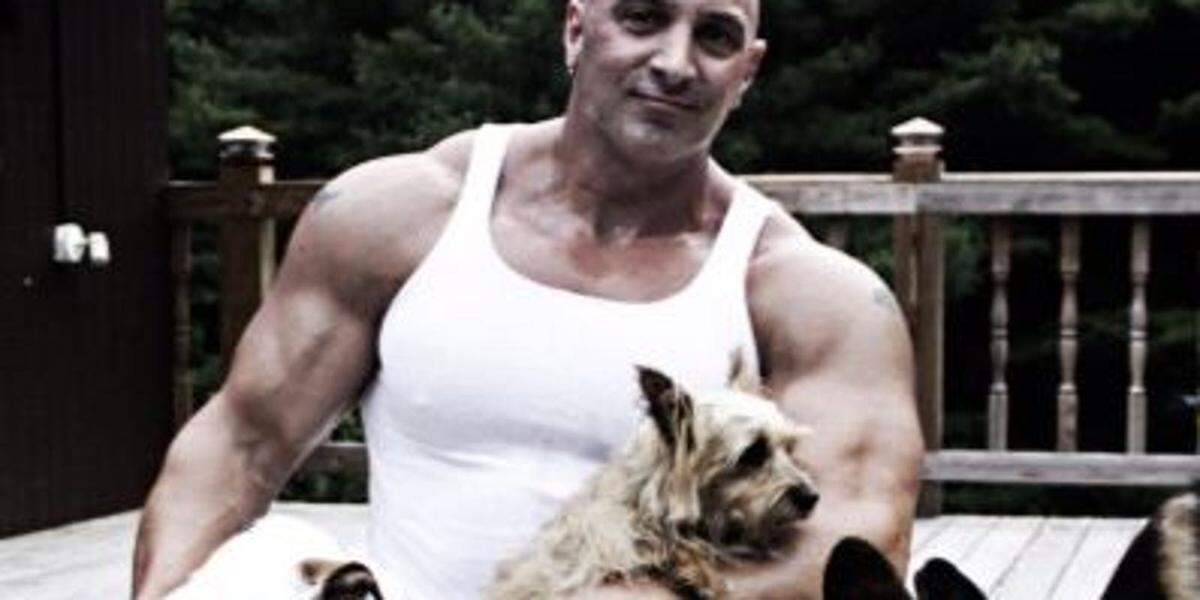
For reasons that are not entirely clear, the alleged quadruple murderer was paired up in a cell with Epstein, possibly the nation’s most famous prisoner, when Epstein was found incapacitated last July 23 in what was reported to be a suicide attempt. (For reasons equally unclear, Epstein was taken off suicide watch soon afterward and was found dead in his single-inmate cell on Aug. 10.)
Some news reports immediately after the initial incident cited unidentified sources suggesting Tartaglione tried to kill Epstein, possibly to prevent him from testifying about the financier’s friends and associates. Epstein rubbed shoulders with Prince Andrew of Great Britain, former President Bill Clinton, President Donald Trump and numerous other people of influence.
Tartaglione’s chief defense lawyer, Bruce Barket, strongly denied that his client harmed Epstein and demanded to both tour the cells and see video that he said will show his client tried to save Epstein during the financier’s abortive suicide try.
Barket believes the video would shed light on the behavior of his client and officers during the incident.
But the Bureau of Prisons, after saying it had located the video, later said it had not and that it was inadvertently destroyed. Barket asked Judge Karas in late January to hold a hearing on circumstances surrounding the destruction of evidence needed for Tartaglione’s defense.
That decision did not happen Wednesday because it is now on hold until the judge conducts a daylong closed-doors hearing on April 30 to determine if Tartaglione’s defense team faces a conflict in defending him.
It’s unclear how Epstein-related events factor into the matter. There is at least some overlap because the court has delayed the request to hold a hearing on the missing video footage, which was the latest in a string of embarrassments for the Bureau of Prisons, assailed and ridiculed for failing to prevent Epstein’s death.
The Epstein events have complicated both the defense and prosecution of Tartaglione, who after nearly four years in jail looks nothing like the Hulk-like bodybuilder he once was. Bald and dressed in blue prison scrubs, he blew a kiss to a handful of gathered supporters when led into the courtroom.
A good part of the pretrial activities have involved closed-court proceedings, and little has been revealed about the potential conflict in his defense.
In fact, the judge in January appointed a person to serve as a “firewall,” receiving sensitive information from the defense and prosecutors that won’t be shared with either.
Karas in January described the proceedings as “unprecedented” and as being in “uncharted” territory. He began Wednesday afternoon’s open proceedings in a similar fashion.
“I don’t even know where to begin,” he told the small army of gathered lawyers, asking them to quickly clear away “vanilla,” or simple, issues.
That public part of the hearing lasted about 45 minutes, then the court was emptied of reporters and Tartaglione’s supporters in order to move into closed proceedings that lasted even longer.
Before closing the courtroom, the defense and prosecutors sparred over transcripts of information found on a cellphone that Tartaglione had illegally in jail.
Barket argued previously that some of the communications found on it might be subject to attorney-client privilege and should be kept out of the court record.
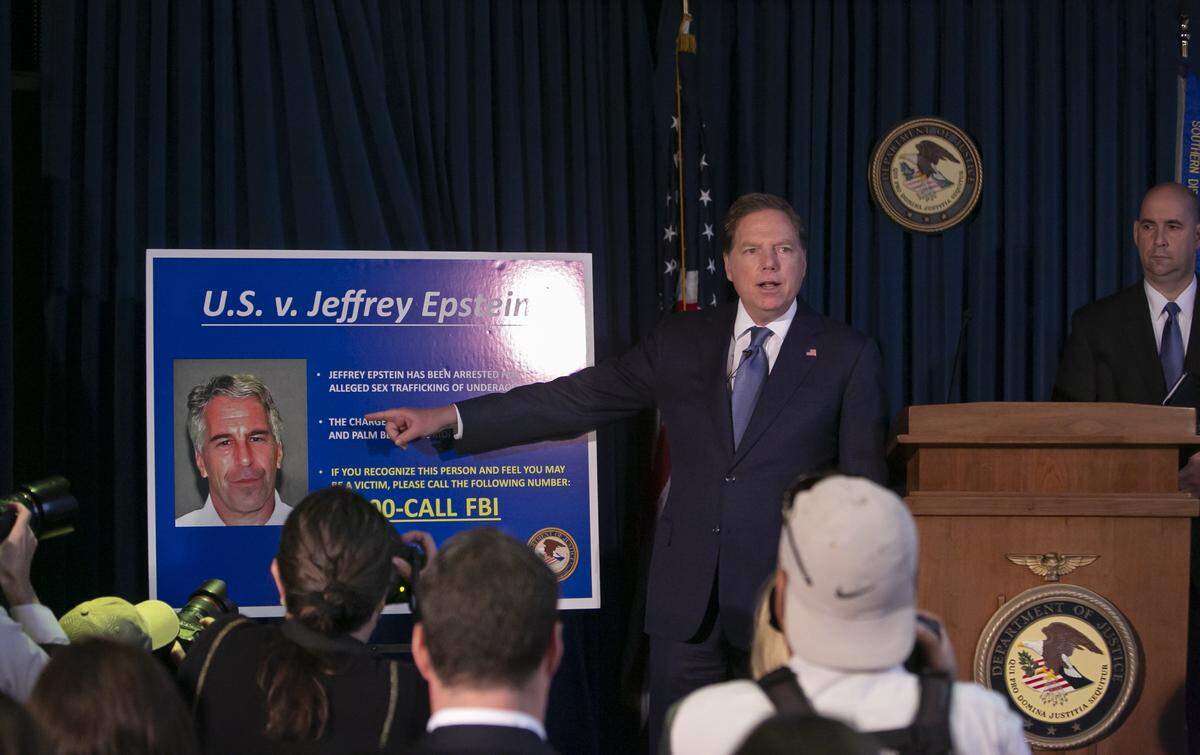
A government attorney, Thomas J. Wright, said a transcript had been prepared documenting the information found on the phone, and another for information found on the phone’s SIM card, which is a portable memory chip that stores information and identifying information about the phone’s user. The phone had nine separate text threads involving Tartaglione described as of little interest to the case.
But Tartagalione’s attorneys succeeded in having the judge allow them to forensically analyze system files on the phone to ensure there are no sensitive texts or emails that might have been missed or hidden in the garble of file data.
In a perfect world, the phone wouldn’t be an issue in the case, Barket said.
“In a perfect world he wouldn’t have used the phone,” Karas shot back.
This story was originally published March 4, 2020 at 7:37 PM.