North Miami Beach hire has history in city: Officials say they paid for his endorsement
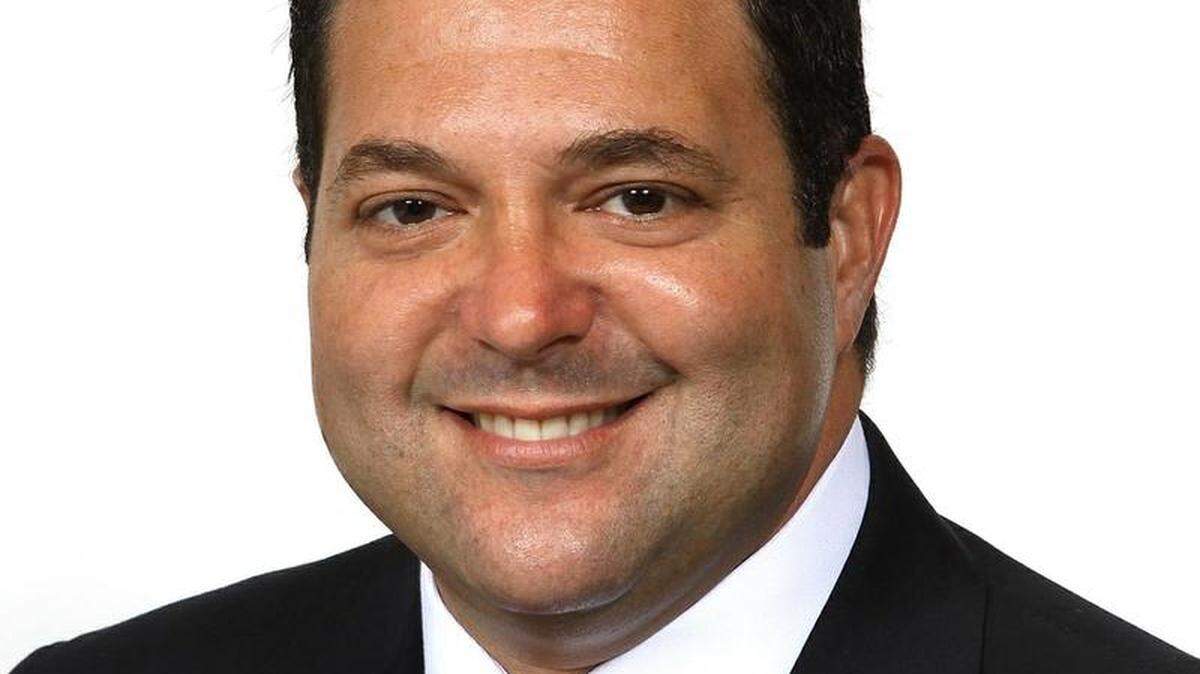
When North Miami Beach Mayor Anthony DeFillipo wanted a boost in his contested reelection campaign last year, he turned to longtime political strategist Willis Howard, paying $7,000 in what he now says was a deal for a coveted spot on the operative’s list of endorsed candidates.
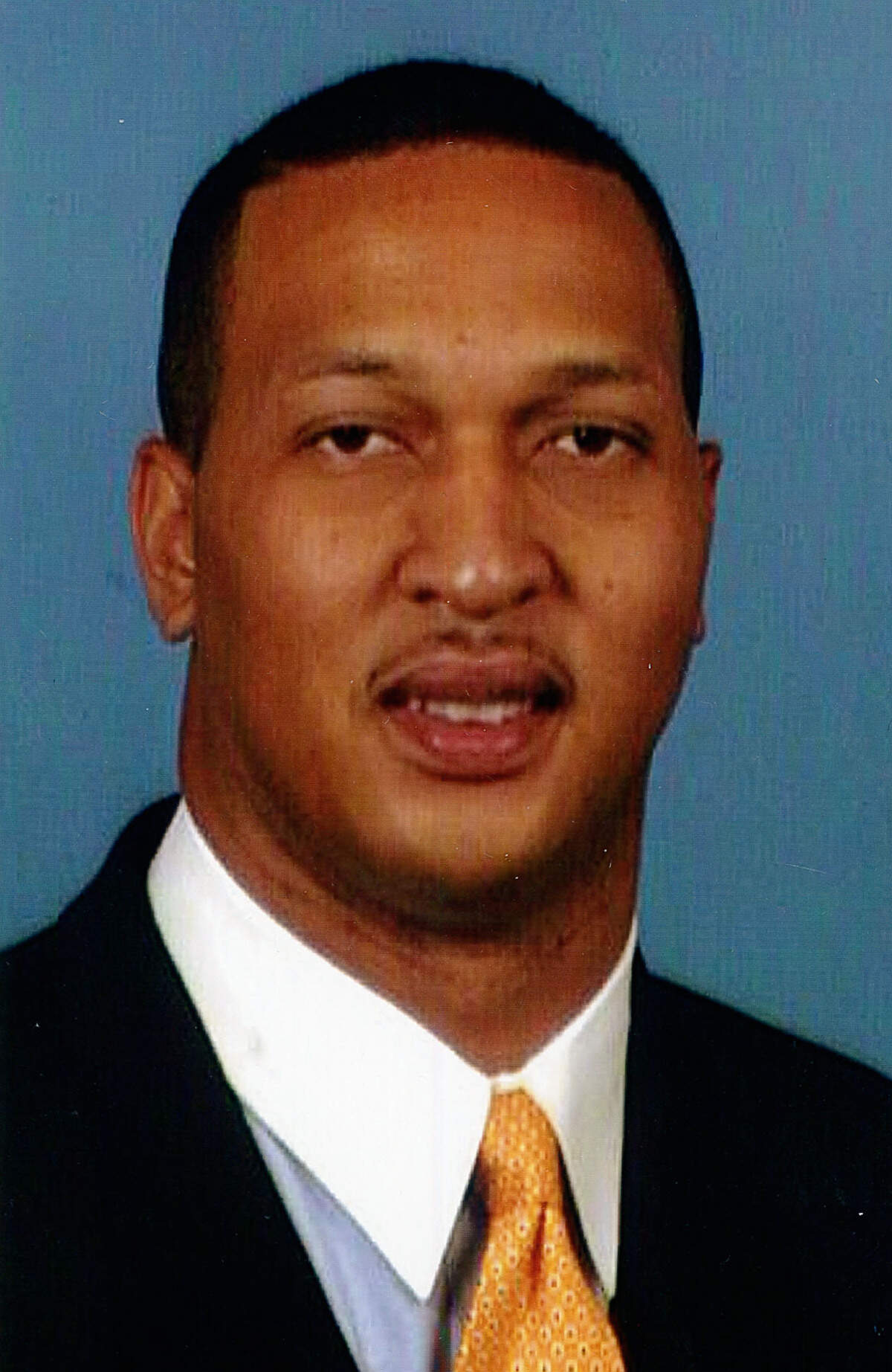
And when new City Manager Arthur “Duke” Sorey was looking for a top adviser this month to help him govern in a city riven by political dysfunction, he, too, turned to Howard, appointing as his chief of staff an operative who has been paid by almost every elected official in North Miami Beach to help them win their seats.
It’s hardly rare for campaign consultants to make the jump to government service. But Howard’s hiring — at a time of deep political division in the city — introduces into the upper echelons of government a lobbyist and strategist whose endorsement is so important that several sitting city commissioners say they have paid him $1,000 or more just to earn his blessing, claims Howard disputes.
And it has surfaced questions about whether some of those same politicians mislabeled the reason for their campaign payments to Howard by describing cash-for-endorsement deals on treasurer’s reports as campaign work.
“I’m in it to win,” DeFillipo, whose 2020 campaign reports referred to Howard’s work as “consulting” services, told the Miami Herald. “I had to pay the price.”
In an interview, Sorey, who was hired as city manager last month, said he picked Howard as his chief of staff because he “brings a wealth of knowledge.” He said Howard’s new role will include pushing for the city to annex unincorporated areas, part of an effort to grow the North Miami Beach population beyond 50,000 to qualify for federal “entitlement” grants. Sorey said Howard brings “a different perspective on government from the outside looking in for many years.”
“Not only from the campaign point of view, but he does have connections with other municipalities and with the county,” Sorey said. “That will help us get some things done.”
Howard, who says the mayor and other commissioners who claim they paid to get their names on his “Miami-Dade County Official Voter Guide” are inaccurately remembering their arrangement, said he was looking forward to leveraging his relationships across the county to help the city grow.
“I know these cities [in Miami-Dade] back and forth,” said Howard, who will make a salary of $127,000 as Sorey’s chief of staff. North Miami Beach, he said, “is at the cusp of being great.”
But Howard’s hiring is already generating criticism. The mayor, especially, has questioned his credentials.
“It’s purely wrong, in my opinion, to bring in a political operative who has worked on so many people’s campaigns,” DeFillipo said. “What makes Willis Howard qualified? He’s never done this in his life.”
Howard’s slate
Though Howard may be new as an employee of City Hall, he is hardly unknown inside and outside the building.
Howard was a registered lobbyist in North Miami Beach from 2019 until this week, when he withdrew his registration. He told the Herald he registered so he could broadly give “advice” to city officials, but that he didn’t represent any particular clients.
Florida Division of Elections records also show that Howard and his firm, Urban Initiatives, have been paid by a number of campaigns and political committees over the last 20 years. Howard is often hired by campaigns seeking votes in Miami-Dade’s Black communities. In 2020, he worked on the winning campaign of Democratic state Rep. Christopher Benjamin, who represents parts of North Miami Beach, and managed the Miami-Dade County Commission campaign of Sybrina Fulton, the mother of slain teen Trayvon Martin.
Reports filed to the city clerk of North Miami Beach show that the campaigns of five of the city’s six commissioners have paid Howard in recent years. DeFillipo also paid Howard for his services, though the mayor now says that work began and ended with Howard including his name on a list of endorsed politicians in the city’s 2020 elections.
The slate card Howard released ahead of last November’s election featured a list of his favored candidates alongside an image of Howard meeting Barack Obama. At the bottom was a disclaimer: The advertisement was funded and approved by Howard, “independent of any candidate or committee.”
But according to the mayor, Howard asked him to pay $7,000 for a spot on the card, and DeFillipo obliged.
According to DeFillipo, Howard charged a hefty price for the endorsement because he knew he’d take “political slack” for siding with DeFillipo, a registered Democrat who has been criticized by liberals in the past for controversial social media posts about Muslims and Haitians.
Howard told the Herald he did, in fact, take “a lot of flak” for endorsing DeFillipo, but he denied that the mayor paid to secure his endorsement.
“He wanted me on his team, period,” Howard said. The mayor’s claim, he said, “diminishes my value.”
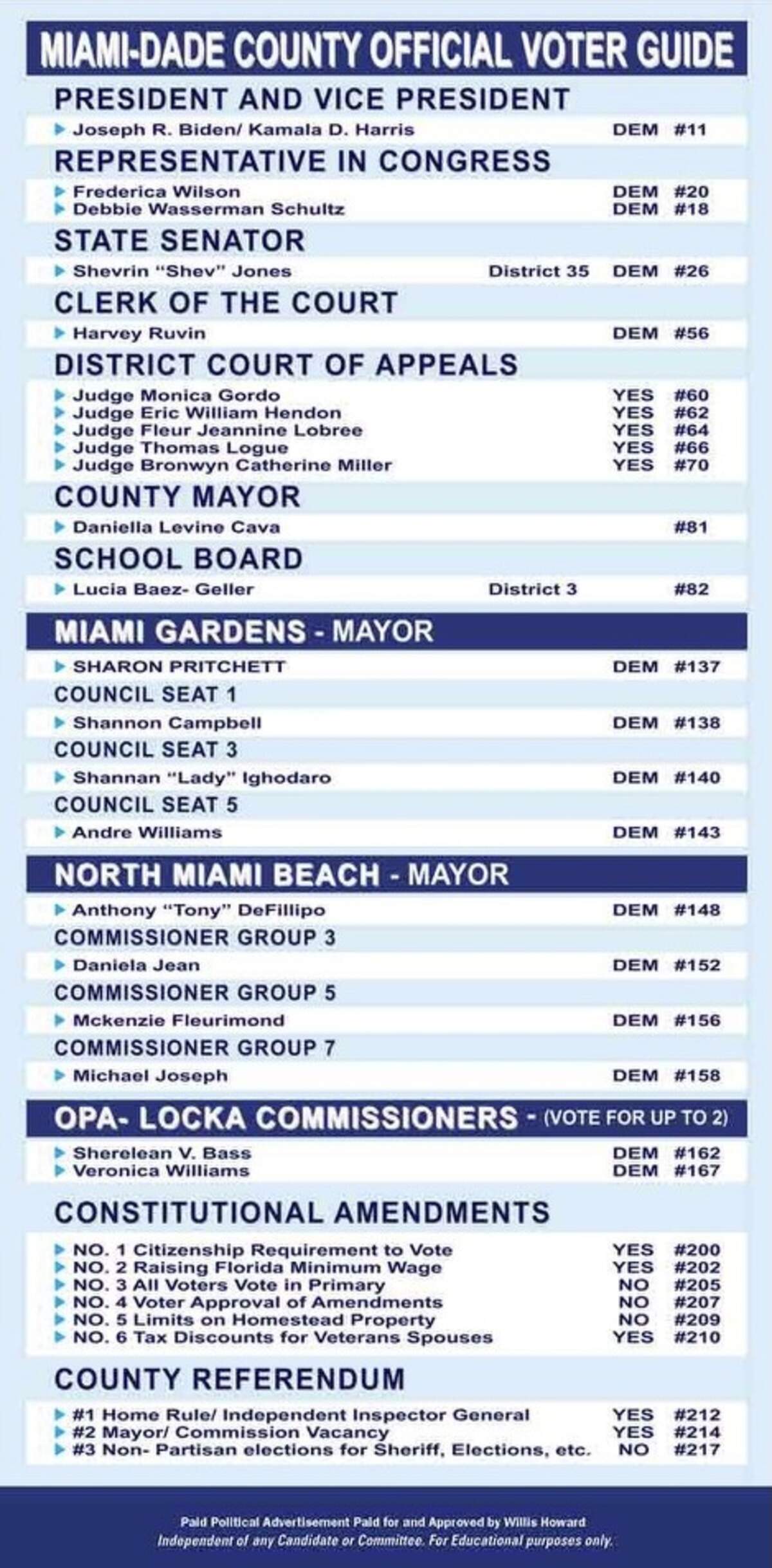
DeFillipo’s campaign finance reports show two October payments to Urban Initiatives, one for $5,000 and another for $2,000, with a stated purpose of “consulting.”
The mayor initially told the Herald he believed his campaign reports reflected that the payments were for advertising. Later informed that they were labeled otherwise, DeFillipo said: “He’s a campaign consultant. That’s what I may have put it under at the time. There was no consulting of any kind.”
DeFillipo told the Herald he also paid $2,500 in 2018 to get on Howard’s slate, but his campaign finance reports from that year don’t show such a payment — a discrepancy the mayor couldn’t explain.
Other payments
DeFillipo isn’t the only North Miami Beach official who says they paid for Howard’s blessing.
Commissioner Barbara Kramer said she and Commissioner Fortuna Smukler paid Howard $1,000 apiece in 2018 to get their names on the consultant’s slate and prevent their opponents from doing the same.
The purpose of Kramer’s payment, as listed on a campaign finance report, was “consultant.” Smukler’s report said “consulting.” Kramer said this week that she was surprised to learn she wrote that on the report, noting that the check she wrote to Howard’s company indicated it was for “voter outreach.”
“It was supposed to be for voter outreach using a slate to inform the people,” Kramer said. “The cost involved was, you’re paying because he’s printing a slate that’s gonna go out to the masses.”
Howard, again, said that’s not true.
“It is clear that they paid me as a consultant and that’s what they wrote in their campaign finance reports,” he said. “We just have a different recollection three years later of what the consulting meant.”
Other city officials have paid Howard, too. Commissioner Michael Joseph’s campaign gave Howard $1,000 in 2018 for “marketing” and $1,250 in 2020 for “DJ/consulting.” Commissioner McKenzie Fleurimond paid Howard $1,250 last year for “campaign coordination.” And Commissioner Daniela Jean, who was elected for the first time in a runoff in November, paid him $1,200 for “Run-Off Consulting.”
Joseph, Fleurimond and Jean were all included on Howard’s slate card last year alongside DeFillipo. They did not respond to requests for comment on what the campaign payments were for. Smukler also didn’t respond to a request for comment.
Howard said his endorsements were based exclusively on who he felt was best for the job.
“I thought these folks were the best folks at the time to be part of the new North Miami Beach, and that’s why I endorsed them,” he said. Any claims to the contrary, he said, amount to “a witch hunt for something that’s not there.”
J.C. Planas, a former state representative and attorney who specializes in elections law, said candidates in Florida are not explicitly prohibited from paying for endorsements. But all campaign expenses need to be accurately and specifically reported, he said.
“The public is supposed to know how you are raising your money and how you are spending your money,” Planas said. “Saying ‘consulting’ when you know it’s for slate cards is illegal,” he added, although he said candidates often use the term “consulting” on campaign reports to cover a wide range of services.
Planas added that anyone who was accepting payments in exchange for endorsements would also be required to disclose that, including on a slate card.
Still, violations of those rules typically result in no more than a “slap on the wrist” from the Florida Elections Commission, Planas said, and only if someone files a complaint.
Another political spat
The mayor’s criticism of Howard’s hiring is in some ways typical of the finger-pointing that has accompanied a series of recent hires in North Miami Beach.
Over the past few months, DeFillipo has accused his colleagues of Sunshine Law violations in picking a new city attorney and voted against the selection of Sorey, all amid bubbling racial and ethnic tensions after the city commission gained its first Haitian-American majority.
Stephen Hunter Johnson, the chairman of Miami-Dade’s Black Affairs Advisory Committee, said it’s not uncommon for people with political backgrounds to switch to administrative roles in government. Howard, he said, “has been involved in helping to shape policy in many cities,” including North Miami, where Sorey previously worked.
Johnson noted that the city’s recent hires, including Sorey, Howard and Interim City Attorney Hans Ottinot, have all been Black, and chalked up criticism by DeFillipo and others to racial bias.
“It’s clear that it wouldn’t matter what decision Duke Sorey made, some people are gonna have an issue with it,” he said. “Their issue, they’ll always tell you, has nothing to do with the race of the people, but it always seems to affect the same race of people.”
DeFillipo said he’s merely concerned with a lack of communication and transparency from his colleagues. Sorey, he said, should have at least told him about his plan to hire Howard.
“We had no clue,” DeFillipo said. “The tightest relationship in the city should be the mayor and manager.”
This story was originally published May 20, 2021 at 3:28 PM.